
Selecting the right toy chests for a baby’s nursery in Singapore requires balancing practical storage needs with strict safety standards and space constraints. In compact residential layouts, such as local HDB flats or condominiums, parents must look beyond aesthetics to evaluate physical safety features, appropriate dimensions, and non-toxic materials. High humidity levels also demand careful material selection to prevent mold and structural degradation over time.
The ideal storage solution adapts to a child’s developmental stages, transitioning from infant accessibility to toddler independence. This guide outlines the essential criteria for evaluating nursery storage and helps you build a reliable shortlist based on verified product specifications. By focusing on physical checks and manufacturer documentation, you can establish a secure, organized environment for your little one.
Key Safety Features to Check Before Buying
A heavy lid poses a significant risk of trapping small fingers or falling suddenly on a child’s head or hands. When evaluating lidded toy chests, verify the presence of slow-close safety hinges or lid supports. These mechanisms should hold the lid open at any angle and require active downward pressure to close. Check the manufacturer’s product documentation to confirm the weight capacity and testing standards of these hinges.
Products mentioned in this guide
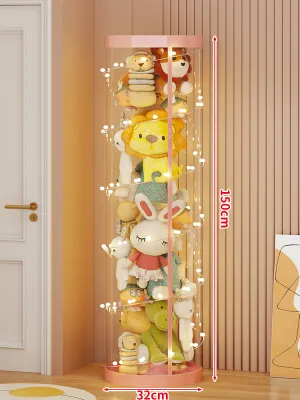
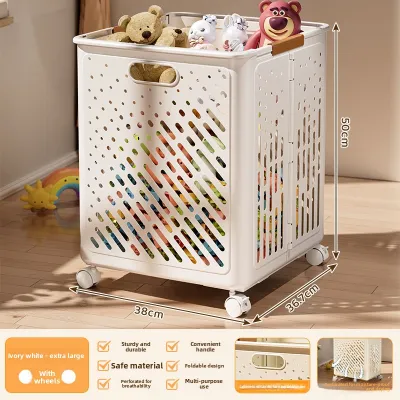
Prices are valid at publication and may change. Please refer to the product page for the latest price.
To prevent suffocation risks, a safe toy chest must feature built-in ventilation holes, cutouts, or a generous gap beneath the lid. Children often view large storage boxes as hiding spots, making continuous airflow a critical design requirement. Verify that these openings remain unobstructed even when the chest is pushed against a wall. Look for designs that omit latching or locking mechanisms entirely, ensuring a child cannot become trapped inside.
As infants learn to pull themselves up and toddlers climb, furniture stability becomes critical. A safe toy chest must have a wide, stable base and a low center of gravity. Look for products that include dedicated wall-anchoring hardware, often sold as anti-tip kits. Check the assembly instructions to ensure the chest can be securely anchored to your specific wall type, whether concrete, brick, or drywall.
Babies frequently explore their environment by touching and mouthing surfaces. It is essential to verify that all paints, stains, and finishes used on the toy chest are non-toxic and lead-free. Check the manufacturer’s labels and product specifications for compliance with recognized child safety standards, such as EN 71 or ASTM F963. Avoid products with strong chemical odors upon unboxing, which may indicate high levels of volatile organic compounds (VOCs).
Sizing and Functional Design for Infant and Toddler Rooms
Before purchasing any furniture, measure your nursery’s available floor space carefully. In Singapore’s compact residential layouts, every square meter counts. Ensure the toy chest does not obstruct walkways, crib access, or the clearance zone of a rocking chair or glider. Allow at least 60 centimeters of clear space in front of the chest so drawers or lids can open fully without restricting movement.

Storage needs change rapidly during a child’s first few years. For crawling infants, open bins or low-profile shelves are highly practical, allowing easy access to soft toys without physical barriers. Traditional lidded chests are better suited for older toddlers who have developed the motor skills and coordination to lift lids safely. Consider modular systems that allow you to swap or reconfigure storage components as your child grows.
To maximize space, many parents opt for multi-functional toy chests that double as window benches, play tables, or changing stations. If choosing a chest designed for seating, check the manufacturer’s documentation for strict weight limits and structural warranties. Ensure the top surface is flat, slip-resistant, and at an appropriate height for safe use.
A well-designed toy chest encourages independence by allowing toddlers to retrieve and put away their own toys. Look for low-profile designs with a height of 50 centimeters or less, enabling easy reach. Features like recessed handles, finger cutouts, and lightweight drawers help children manage their belongings without risking pinched fingers or requiring heavy lifting.
How to Evaluate Materials and Durability
Wooden toy chests offer classic appeal and long-term durability, but material quality varies. Solid wood options, such as rubberwood or pine, are sturdy but require smooth, sanded edges and rounded corners to prevent splinters. If choosing engineered wood, check for low formaldehyde emission certifications, such as CARB Phase 2 or EPA TSCA Title VI. Verify that the joinery uses robust dowels, screws, or mortise-and-tenon joints rather than simple staples or glue.
Soft fabric bins and canvas baskets are popular for their lightweight, bruise-free design. However, Singapore’s humid climate makes these materials susceptible to mold and mildew if not properly maintained. Look for breathable fabrics, such as cotton canvas or polyester blends with water-resistant coatings. Ensure the bins feature sturdy internal frames, such as thick cardboard or plastic inserts, to prevent sagging over time.
Plastic bins and chests are highly durable, lightweight, and easy to clean, making them excellent for high-use nurseries. When selecting plastic storage, verify that the material is labeled BPA-free, phthalate-free, and non-toxic. Check for UV resistance if the chest will be placed near a sunny window, as prolonged sunlight exposure can make certain plastics brittle and prone to cracking under a toddler’s weight.
Regular cleaning is essential to maintain a hygienic nursery environment. Review the care instructions on the product label before buying. Wooden chests typically require a damp cloth and mild soap, while fabric bins may need spot cleaning or machine washing if they feature removable covers. Ensure that the recommended cleaning methods will not degrade safety finishes, protective coatings, or structural adhesives over time.
Building Your Nursery Storage Shortlist
To make an informed decision, compile a comparison checklist for your candidate products. Evaluate each option against four core pillars: safety features (slow-close hinges, ventilation, anti-tip hardware), dimensions (height, depth, floor footprint), material quality (non-toxic certifications, durability), and ease of maintenance. This structured approach prevents impulse buys based solely on visual design or price.
Do not rely on marketing descriptions alone. Validate product claims by downloading and reading the user manuals or assembly instructions from the manufacturer’s official website. Look for physical safety certification marks on the packaging or product labels. Review the warranty terms to understand what structural failures or hardware defects are covered, and for how long.
When browsing online marketplaces or local furniture stores, learn to spot warning signs of substandard products. Red flags include the absence of safety hinge mentions on lidded chests, vague descriptions of material sourcing without certification, or the omission of tip-over prevention hardware. If a manufacturer does not clearly state compliance with child safety standards, it is best to look elsewhere.
A high-quality toy chest should serve your family for several years. Plan for storage transitions by choosing designs that can adapt. For example, a large, open chest used for plush toys during infancy can later be fitted with internal organizers or small bins to hold building blocks, books, and art supplies. Investing in a timeless, neutral design ensures the piece remains relevant as your child’s bedroom decor evolves.
Frequently Asked Questions (FAQ)
At what age can a baby safely use a traditional lidded toy chest?
A baby should not use a traditional lidded toy chest independently until they have developed the necessary motor skills, coordination, and cognitive awareness, typically around two to three years of age. Heavy lids present significant physical risks, including head injuries and trapped fingers, making slow-close safety hinges an absolute necessity. For younger, crawling infants, open-bin storage or soft baskets are much safer alternatives. Regardless of the child’s age, active adult supervision is essential whenever they are interacting with lidded furniture.
How do I prevent a toy chest from tipping over in the nursery?
To prevent a toy chest from tipping over, you must secure it directly to the wall using an anti-tip safety kit. Anchor the hardware into a solid wall stud or use heavy-duty masonry anchors for concrete walls, rather than relying on simple drywall plugs. Always follow the manufacturer’s specific installation instructions and weight distribution guidelines. Additionally, place heavier items, such as large books or wooden blocks, at the bottom of the chest to lower its center of gravity and increase overall stability.
Are fabric storage bins safer than wooden toy chests for toddlers?
Fabric storage bins offer distinct safety advantages for toddlers, as they lack sharp edges, heavy lids, and pinch points, and pose virtually no tip-over risk. However, they have structural limitations and cannot support weight if a child attempts to climb or sit on them. If you choose fabric bins, ensure they have sturdy internal frames to maintain their shape and prevent collapsing. Verify that the materials use non-toxic dyes, feature breathable fabrics, and have removable, washable covers to manage dust and spills in humid environments.

Community discussion
Share your experience or ask a question. Comments are reviewed before publication.