
Transitioning your toddler from diapers to underwear is a significant milestone, and choosing the right gear can make the process smoother for both you and your child. Many parents in Singapore are turning to eco-friendly cloth toilet training pants as a sustainable, cost-effective, and skin-friendly alternative to disposable pull-ups. Unlike standard diapers that lock wetness away instantly, these specialized pants are designed to let toddlers feel when they have had an accident. This sensory feedback is a crucial step in helping them connect the physical urge to go with the actual outcome, speeding up the potty training process.
Finding the right cloth training pants in Singapore requires balancing absorbency, breathability, and drying convenience. Our tropical climate demands fabrics that keep skin cool and dry quickly after washing, while HDB living spaces often dictate how easily we can line-dry laundry indoors. By focusing on high-quality, non-toxic materials like organic cotton, bamboo viscose, and hemp, you can protect your child’s sensitive skin while significantly reducing your household’s environmental footprint. Below, we break down how to choose the best sustainable options and highlight the top-performing brands available locally.
How to Choose Sustainable Cloth Toilet Training Pants
When shopping for eco-friendly toilet training pants, the first aspect to evaluate is the material composition. Truly sustainable options prioritize natural, renewable fibers over synthetic, petroleum-based materials. Look for certified organic cotton, bamboo viscose, or hemp blends. Organic cotton is grown without synthetic pesticides, while bamboo is a highly renewable crop that requires minimal water. Hemp is exceptionally durable and offers superior absorbency. To ensure these materials are free from harmful residues, look for reputable independent textile certifications, such as the Oeko-Tex Standard 100 or GOTS (Global Organic Textile Standard), on the manufacturer’s packaging.
Products mentioned in this guide
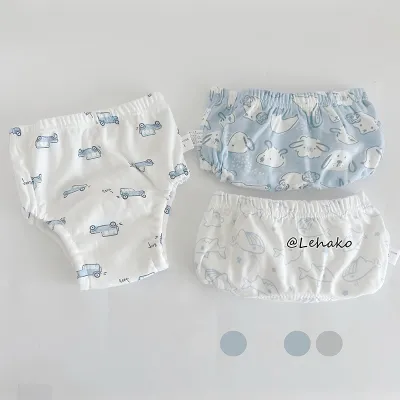
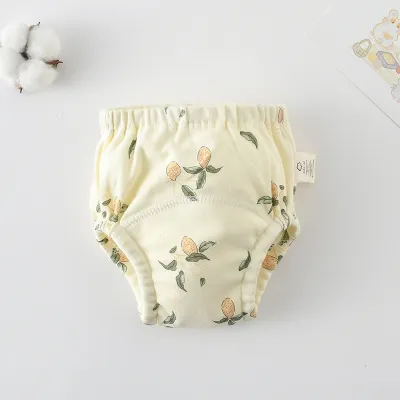
![[SG Ready Stock] Baby Toddler Girls Boys 6 Layer Cotton Toilet Potty Training Pants Rewashable Underwear Diapers [Little Gems] BLO005](https://img.lazcdn.com/g/p/81afa0b07219e9cddc0d2f8d334f8fbc.jpg_400x400q80.jpg_.webp)
Prices are valid at publication and may change. Please refer to the product page for the latest price.
Understanding the functional design of training pants is essential for setting realistic expectations. Unlike diapers, which are engineered to absorb multiple heavy settings, training pants are designed to contain only one small accident. They feature a slim absorbent core paired with a waterproof outer layer—typically made of thermoplastic polyurethane (TPU) or polyurethane laminate (PUL). This construction allows the child to feel the uncomfortable sensation of wetness against their skin while preventing the liquid from immediately leaking onto your floors, car seats, or furniture. If a product absorbs too quickly or keeps the skin completely dry, it may delay your child’s awareness of their bodily functions.
Achieving a proper fit is critical to preventing leaks and ensuring your toddler’s comfort. Because toddlers grow rapidly and have diverse body shapes, look for training pants that offer adjustable features. Some brands utilize side snaps that allow you to customize the waist and rise settings, while others rely on highly elasticized waistbands and leg bands. The elastics should be snug enough to seal around the thighs but gentle enough not to leave deep red marks. Always refer to the manufacturer’s official sizing chart, which typically categorizes sizes by weight and waist circumference rather than age alone, to find the most accurate fit.
Safety and skin health are paramount, especially in Singapore’s hot and humid weather, which can exacerbate skin irritation. Toddlers prone to eczema or heat rash need highly breathable fabrics that do not trap sweat. Avoid training pants that contain synthetic fragrances, harsh chemical dyes, or chemical water-repellent treatments. Always check the manufacturer’s labels for specific material breakdowns and care instructions. If your child develops persistent skin irritation or unexplained rashes during potty training, stop using the product immediately and consult a qualified pediatrician or dermatologist.
Recommended Eco-Friendly Cloth Training Pants Brands
To help you find the right fit for your family, we have curated a selection of the most reliable, sustainable brands available in Singapore. Each brand excels in a specific category, ranging from high absorbency to quick drying times. When purchasing, verify current availability and exact sizing details directly through official brand websites or authorized local baby boutiques.

Top Pick for Maximum Absorbency and Leak Protection
For parents who need a reliable option for outings, nap times, or the early stages of potty training, Thirsties Organic Cloth Training Pants stand out for their exceptional absorbency. The interior of these pants features four layers of thirsty organic cotton, while the hidden wet zone is reinforced with a layer of bamboo viscose. This combination provides a robust barrier against larger accidents. The outer shell is made of waterproof TPU, which prevents moisture from wicking onto outer clothing.
Despite their high absorbency, these pants still allow your child to feel wetness immediately, helping them recognize when an accident has occurred. The organic cotton lining is incredibly soft against the skin, making it a comfortable choice for active toddlers. The waist and leg bands are wrapped in soft organic cotton jersey, minimizing the risk of friction or chafing during movement.
- Pros: Outstanding absorbency, certified organic materials, highly effective leak protection, gentle on sensitive skin.
- Cons: Bulky profile under fitted clothing; takes longer to dry due to the thick layers of natural fibers.
- Price Range: Premium (typically S$25 to S$35 per pair).
- Where to Verify: Check local Singaporean eco-baby retailers or the official Thirsties online store for current stock and sizing guides.
Best Option for Sensitive Skin and Breathability
Singapore’s tropical climate can make synthetic fabrics feel stuffy and uncomfortable. Close Pop-In Training Pants address this issue by utilizing a premium bamboo viscose inner lining. Bamboo is naturally hypoallergenic, exceptionally breathable, and cool to the touch, making it the ideal fabric for toddlers with highly sensitive skin or those prone to heat rashes.
These pants are designed to mimic real underwear closely, featuring a slim, pull-up design that slide up and down easily. The bamboo core absorbs small accidents quickly while leaving a distinct wet sensation that alerts the toddler. The outer layer is a breathable, waterproof laminate that allows heat and vapor to escape, keeping your child’s skin cool even during outdoor play.
- Pros: Extremely soft and silky texture, excellent breathability in humid weather, slim underwear-like fit.
- Cons: Lower overall absorbency compared to heavy-duty cotton/hemp blends; not suitable for overnight use without extra boosting.
- Price Range: Mid-to-high (typically S$22 to S$30 per pair).
- Care Warning: Always check the manufacturer's care label before the first wash. Bamboo fibers are delicate and require gentle, low-temperature washing to maintain their integrity.
Most Practical for Quick Washing and Drying
For busy parents living in HDB flats or apartments with limited outdoor drying space, laundry turnaround time is a major consideration. The GroVia My Choice Trainer solves this problem with a clever modular design. These training pants feature side snaps and stretchy, interchangeable side panels that allow the pants to open up completely flat during washing and drying.
Inside, the trainer features a hidden layer of organic cotton and hemp, along with a pocket that allows you to stuff additional absorbent inserts for nap times or long car rides. Because the side panels can be unsnapped, air circulates much more freely through the fabric, dramatically cutting down drying times compared to fully stitched, multi-layered pull-ups. The durable snaps and high-quality elastics are built to withstand frequent, heavy laundering.
- Pros: Fast drying times, customizable waist fit via interchangeable panels, pocket design for adjustable absorbency.
- Cons: Slightly higher learning curve to assemble and adjust panels; side snaps can sometimes be unfastened by curious toddlers.
- Price Range: Premium (typically S$28 to S$38 per pair).
- Drying Tip: Unsnap all components completely before washing and drying to maximize air exposure and speed up the process.
Best Value for Budget-Conscious Eco-Shoppers
Building a complete stash of training pants can require a significant upfront investment. Alvababy Cloth Training Pants offer an accessible, cost-effective entry point for eco-conscious families without compromising on basic safety and material standards. These pants are widely available online and are frequently sold in convenient multi-packs.
Alvababy trainers feature a soft, standard cotton outer layer, a hidden waterproof TPU middle layer, and a comfortable cotton blend inner lining. While they do not use premium certified organic cotton or bamboo, they avoid harsh chemical treatments and provide a reliable, lightweight barrier for toddlers who are already well on their way to being potty trained. They are thin, easy for toddlers to pull up and down independently, and dry relatively quickly.
- Pros: Highly affordable, excellent for building a large stash, lightweight and comfortable, cute print designs.
- Cons: Lower absorbency than premium organic options; elastic and stitching may wear out faster over extended use.
- Price Range: Budget-friendly (typically S$8 to S$15 per pair, or lower when purchased in multi-packs).
- Verification Check: Parents should verify the exact material composition on the product label before purchasing, as budget lines can occasionally mix natural cotton with synthetic polyester blends.
Comparing Key Features of Eco-Friendly Training Pants
To help you quickly compare your options, the table below summarizes the key performance dimensions of the recommended brands. This structured overview allows you to balance absorbency, skin sensitivity, and household laundry constraints.
| Brand | Primary Eco-Material | Absorbency Level | Wetness Sensation | Estimated Drying Time |
|---|---|---|---|---|
| Thirsties Organic | Organic Cotton & Bamboo | High | High | Slow |
| Close Pop-In | Bamboo Viscose | Moderate | High | Moderate |
| GroVia My Choice | Organic Cotton & Hemp | Moderate (Customizable) | High | Fast (When Unsnapped) |
| Alvababy | Standard Cotton Blend | Low to Moderate | High | Fast |
When interpreting this table, consider your child’s current stage in the potty training journey. In the early stages, when accidents are frequent and heavy, prioritizing a brand with high absorbency (like Thirsties) will save you from frequent cleanups. As your child progresses and only experiences minor leaks or dribbles, transitioning to a slimmer, more breathable, and faster-drying option (like Close Pop-In or Alvababy) will provide the lightweight comfort they need to feel like they are wearing real grown-up underwear.
Washing and Maintaining Cloth Training Pants
To prolong the lifespan of your eco-friendly training pants and maintain optimal hygiene, establishing a consistent washing routine is essential. Always consult the manufacturer’s care label on your specific product first, as instructions may vary based on fiber blends. For general maintenance, begin with a cold pre-wash or rinse cycle with a small amount of detergent to flush out urine. Follow this with a long, warm main wash cycle (ideally at 40°C to 60°C) using a full dose of a high-quality, residue-free detergent. Ensure your washing machine is not overloaded so the pants can agitate and rinse thoroughly.
Selecting the right detergent is crucial for preserving both the absorbency and the environmental benefits of your cloth pants. Avoid fabric softeners, as they deposit a thin, waxy coating over the natural fibers, causing them to repel liquid rather than absorb it. Similarly, avoid chlorine bleach, which can degrade the waterproof TPU or PUL laminate and weaken delicate bamboo or organic cotton fibers over time. Opt for plant-based, enzyme-free, or eco-friendly detergents that are free from synthetic fragrances and optical brighteners, which can irritate your toddler’s sensitive skin.
Given Singapore’s high humidity and frequent rain, drying your training pants efficiently requires some planning. Hanging them outdoors in direct sunlight is the most eco-friendly method; the sun acts as a natural sanitizer and helps bleach out any stubborn stains. However, if you must dry them indoors or live in an HDB flat with limited sun exposure, place your drying rack near a window, balcony, or fan to promote air circulation. If you choose to use a clothes dryer, always select a low-heat or air-dry setting. High heat can melt or crack the waterproof lining, ruining the pants and voiding the manufacturer’s warranty.
Over time, even the highest-quality cloth training pants will eventually reach the end of their functional lifecycle. Monitor your pants for signs of wear, such as severely relaxed leg elastics that cause consistent leaking, or a peeling, delaminated waterproof backing. When the waterproof layer fails or the fabric thins out significantly, it is time to retire the pants. To maintain a sustainable lifecycle, consider repurposing worn-out natural fiber inserts as household cleaning rags, or dispose of them through local textile recycling programs in Singapore rather than throwing them into general waste.
Frequently Asked Questions (FAQ)
Are cloth training pants better for the environment than disposable pull-ups?
Yes, cloth training pants offer a significantly lower environmental impact over their lifecycle compared to single-use disposable pull-ups. Disposable options generate massive amounts of solid waste that end up in Singapore’s Semakau Landfill, taking hundreds of years to decompose. While cloth pants require water and electricity for washing, you can minimize this footprint by washing full loads, using energy-efficient appliances, and line-drying. Furthermore, because cloth pants are highly durable, they can be reused for younger siblings or passed on to other families, multiplying their environmental and financial savings.
How many pairs of cloth toilet training pants do I need?
For a smooth potty training experience, most families find that owning a stash of 6 to 10 pairs is ideal. This quantity allows you to wash a load of laundry every other day while ensuring you always have a fresh pair on hand. In the early stages of training, when your child may have multiple accidents a day, you might want to lean toward the higher end of this range. If you rely solely on air-drying indoors in Singapore’s humid climate, factor in a longer drying turnaround time and consider adding a few extra pairs to your collection to avoid running out.

Community discussion
Share your experience or ask a question. Comments are reviewed before publication.