
Transitioning your child from diapers to underwear is a major developmental milestone, but the journey often comes with minor accidents. Reusable training pants offer a practical, eco-friendly bridge during this phase, helping toddlers recognize bodily cues while keeping household messes to a minimum. In Singapore, where environmental awareness is growing and waste management is a critical concern, choosing cloth training pants over disposable pull-ups significantly reduces landfill waste.
To find the best balance of absorbency and eco-friendliness, parents should look for brands that utilize high-quality natural fibers, reliable waterproof barriers, and durable construction that can withstand frequent washing in our tropical climate. Brands like GroVia and Thirsties lead the market by offering organic materials and customizable absorbency, while various regional alternatives provide budget-friendly options. The ideal choice depends on your child’s current development stage, skin sensitivity, and your household’s laundry routine.
The Role of Reusable Training Pants in Potty Training and Sustainability
Reusable training pants serve a specific developmental purpose that differs fundamentally from both diapers and standard underwear. While diapers are engineered to wick moisture away instantly to keep a baby dry, training pants intentionally allow the child to feel wetness. This immediate sensory feedback is crucial for potty training, as it helps the toddler connect the physical sensation of urinating with the wet consequence, encouraging them to use the toilet next time.
Products mentioned in this guide
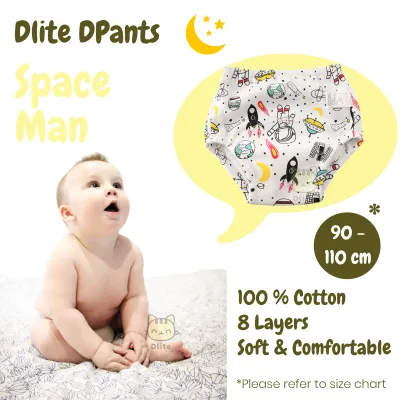
![[SG Local Stock] 6 Layers Baby Toilet Training Pants Breathable Waterproof Baby Diaper Pants Kids Potty Training Rewashable Diapers Panties Underwear Children Day Gifts](https://img.lazcdn.com/g/p/3c008923aebea28cff8035fa6d41ddb6.jpg_400x400q80.jpg_.webp)
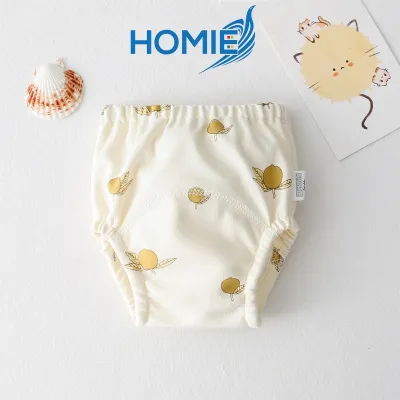
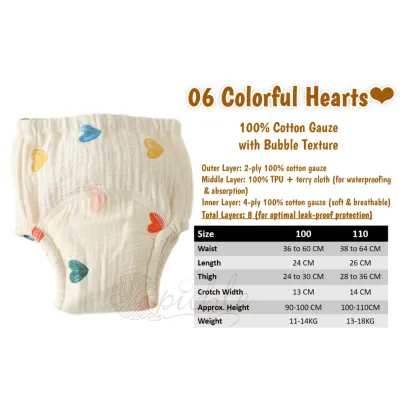
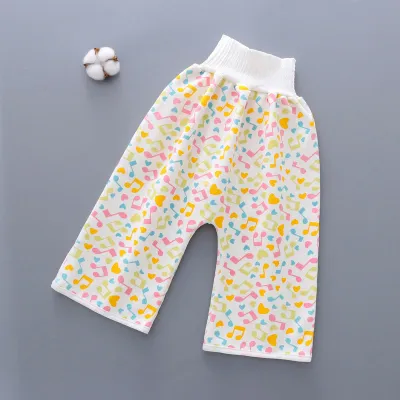
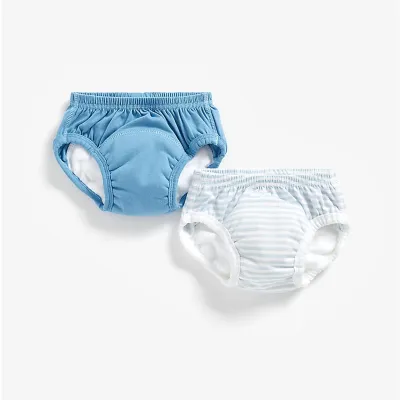
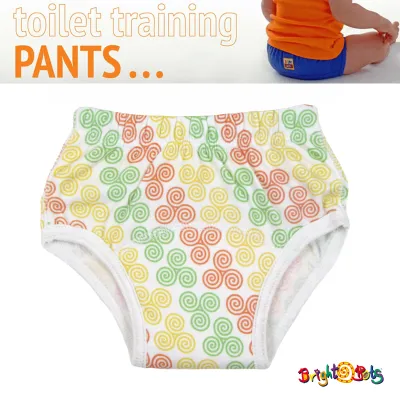
Prices are valid at publication and may change. Please refer to the product page for the latest price.
From an environmental perspective, the impact of disposable training pants is substantial. In Singapore, where all non-recyclable waste is incinerated and the ash is sent to the Semakau Landfill, reducing single-use plastics is a national priority. A single child undergoing potty training can go through hundreds of disposable pull-ups, each taking decades to degrade if not incinerated. Switching to a reusable system diverts significant waste from our domestic waste stream, making it a highly sustainable choice for eco-conscious families.
However, parents must set realistic expectations regarding the capacity of these garments. Reusable training pants are designed to contain small leaks and dribbles—the typical “accidents” that occur when a child realizes they need to go but cannot reach the toilet in time. They are not built to absorb a full, heavy bladder release. Understanding this distinction prevents frustration and ensures you use them as a learning tool rather than a high-capacity diaper replacement.
How to Evaluate Absorbency and Eco-Friendliness in Training Pants
Evaluating training pants requires looking closely at their material composition and physical design. The inner absorbent core, the waterproof outer shell, and the overall construction determine how well the pants perform during daily use.

Absorbency Factors
- Inner Layer Materials: Natural fibers like hemp, organic cotton, and bamboo viscose are highly favored for training pants. Hemp is exceptionally absorbent and durable but absorbs moisture slowly. Cotton absorbs liquids quickly, making it excellent for catching sudden leaks. Bamboo viscose offers a soft texture and moderate absorbency but often requires chemical processing.
- Waterproof Outer Layers: Most waterproof training pants use Polyurethane Laminate (PUL) or Thermoplastic Polyurethane (TPU) to prevent leaks. These materials are lightweight and breathable. Wool is a premium, highly breathable natural alternative, though it requires specialized hand-washing and lanolising.
- Gusset Designs: Double gussets or elasticated leg openings are vital for leak prevention. They create a secure seal around the child's thighs, containing wetness even when the child is active or playing.
Eco-Friendliness Factors
- Sustainable Farming: Look for organic cotton, which is grown without synthetic pesticides and uses crop rotation to preserve soil quality.
- Manufacturing Processes: Bamboo can be processed mechanically (bamboo linen) or chemically (bamboo viscose). Closed-loop systems, such as those used for lyocell, recycle water and solvents, making them more environmentally friendly than traditional viscose processing.
- Durability: A product's true ecological footprint depends on its lifespan. High-quality training pants that survive dozens of wash cycles and can be passed down to younger siblings are far more sustainable than cheap alternatives that degrade quickly.
Greenwashing Checks
Parents should be cautious of vague marketing terms like “natural,” “green,” or “eco-safe.” To ensure a product is genuinely eco-friendly and safe for your child’s skin, verify independent certifications on the manufacturer’s packaging or official documentation. Look for the Global Organic Textile Standard (GOTS) for organic fibers, and Oeko-Tex Standard 100, which certifies that the finished textile is free from harmful levels of toxic substances.
Top Reusable Training Pants Brands Available in Singapore
Several reputable brands are available to parents in Singapore, each offering a unique balance of materials, fit, and customization. When choosing a brand, consider your child’s weight, thigh measurements, and developmental readiness.
GroVia My Choice Training Pants
GroVia My Choice training pants are widely regarded as a premium, highly eco-conscious option for toddlers transitioning out of diapers. Designed with a focus on natural materials, these pants feature a hidden inner layer made of a blend of organic cotton and hemp, providing excellent absorbency without adding bulk under your child’s clothing.
Key Features and Benefits
- Material Composition: The inner lining is made of soft organic cotton, which provides immediate wetness feedback to the child, aiding the cognitive learning process of potty training.
- Adjustable Fit: Side snaps allow parents to adjust the waist size as the child grows, and they make it easy to remove the pants quickly in the event of a messy accident.
- Customizable Absorbency: The design includes a pocket where parents can add extra booster pads for nap times or car rides.
Limitations and Verification While highly absorbent for their trim profile, these pants may not hold a full void for heavy wetters without an additional insert. Before purchasing, check the product packaging or official retailer listings to verify the current organic certification status and manufacturing origins, as design specifications can occasionally be updated by the manufacturer.
Thirsties Duo Training Pant
For active toddlers who need robust leak protection, the Thirsties Duo Training Pant offers a highly durable and customizable solution. This brand is known for its sturdy construction and reliable performance during active play.
Key Features and Benefits
- Customizable Inserts: The system allows parents to choose between different snap-in inserts, such as fast-absorbing microfiber or highly sustainable, organic hemp and cotton blends.
- Double Leg Gussets: Thirsties is famous for its gentle yet effective double gussets around the legs, which provide an extra barrier against leaks when your child is running, jumping, or sitting.
- Exceptional Durability: The high-quality snaps and resilient PUL outer layer ensure these pants can withstand heavy wash cycles, making them ideal for passing down to younger siblings.
Limitations and Verification If you choose synthetic microfiber inserts for faster drying times, keep in mind that synthetic fibers are less eco-friendly than natural hemp or cotton, as they do not biodegrade as easily and can release microplastics during washing. Parents should check the specific insert materials included in their purchase to align with their sustainability goals.
Bummis Potty Training Pants
Bummis is a classic brand recognized for its commitment to skin-friendly, highly breathable natural materials. These training pants are designed with simplicity and comfort in mind, making them a popular choice for daily home use.
Key Features and Benefits
- Cotton Fleece Interior: The interior is lined with a soft cotton fleece that provides immediate wetness feedback while remaining incredibly gentle against the skin.
- Sensitive Skin Friendly: Because the inner lining is free from harsh synthetic polyesters, these pants are highly suitable for children prone to diaper rash, sensitive skin, or eczema.
- Breathable Waterproof Layer: The outer layer provides reliable waterproof protection without trapping heat, which is particularly beneficial in Singapore's hot and humid climate.
Limitations and Verification Because Bummis has transitioned out of active manufacturing in some regions, availability in Singapore may be limited to specialty baby boutiques, pre-loved markets, or remaining deadstock. Parents should verify the specific material sourcing and waterproof layer integrity on the product label before completing a purchase.
Budget-Friendly and Regional Alternatives
For parents who find premium brands cost-prohibitive, several regional and generic cloth diaper brands are available on local online marketplaces and in Singaporean mother-and-baby stores. These options can be highly effective if selected carefully.
Inspection and Selection Guidelines
- Stitching Quality: Examine the seams and elastics. Loose threads or uneven stitching can create paths for moisture to wick onto outer clothing.
- PUL Waterproofing: Feel the waterproof layer. It should feel flexible and securely bonded to the fabric, not stiff, brittle, or excessively noisy like cheap plastic.
- Inner Fabric Composition: Read the fiber content label carefully. Many budget brands advertise "bamboo" but actually use bamboo rayon or polyester microfiber blends. Ensure the inner layer is safe, breathable, and free from strong chemical odors.
- Safety Verification: Avoid purchasing items that lack clear brand labeling or material safety declarations. Ensure the product complies with basic consumer safety standards to protect your child's delicate skin.
Quick Comparison: Absorbency vs. Sustainability Features
To help you decide which training pants best suit your family’s routine, the table below summarizes the key features of the recommended brands.
| Brand / Type | Primary Absorbent Material | Wetness Feedback Level | Eco-Credentials to Verify | Best Use Case |
|---|---|---|---|---|
| GroVia My Choice | Organic Cotton & Hemp | High (Immediate wetness sensation) | GOTS Certified Organic Cotton | Daytime outings, active toddlers |
| Thirsties Duo | Custom (Hemp/Cotton or Microfiber) | Moderate to High (Depends on insert) | Organic cotton options, durable build | Active play, customizable absorbency |
| Bummis | Cotton Fleece | High (Soft, wet feel) | Material sourcing, Oeko-Tex status | Home use, children with sensitive skin |
| Budget/Regional | Varies (Cotton, Bamboo, or Polyester) | Moderate | Certified lead-free snaps, fabric safety | Cost-conscious families, backup pairs |
Caring for Reusable Training Pants to Maximize Lifespan and Eco-Impact
Proper care is essential to maintain the absorbency of your training pants and extend their usable life, which is a cornerstone of true environmental sustainability. Because Singapore has a high-humidity tropical climate, your washing and drying routine must prevent mold growth while protecting delicate fabric fibers.
Always check the applied product’s care label and your washing machine’s manufacturer instructions before cleaning. If instructions conflict, defer to the product’s care label.
Step-by-Step Washing and Maintenance
- Pre-Rinsing: If an accident involves solid waste, scrape or shake the solids into the toilet immediately. Rinse the training pants in cold water to flush out urine and prevent ammonia buildup before placing them in your diaper pail.
- Detergent Selection: Wash the pants using an eco-friendly, biodegradable detergent that is free from optical brighteners, synthetic fragrances, and enzymes that can degrade natural fibers. Ensure the detergent rinses clean without leaving a residue that could clog the fabric pores and reduce absorbency.
- Avoid Fabric Softeners and Bleach: Never use fabric softeners, dryer sheets, or chlorine bleach. Softeners coat the fibers with a water-repellent film, severely reducing absorbency. Chlorine bleach degrades the waterproof PUL layer and weakens the elastic bands over time.
- Sun-Drying: Line-drying your training pants in the sun is highly recommended. The sun's ultraviolet rays act as a natural sanitizer and stain remover, reducing household energy consumption. However, avoid leaving PUL waterproof covers in intense, direct midday tropical sun for extended periods, as extreme heat can crack the laminate.
End-of-Life and Repurposing
Monitor the condition of your training pants regularly. Signs that they have reached the end of their usable life include cracked or peeling waterproof laminate, completely relaxed elastics that cause gaping at the thighs, or worn-through inner fabrics. When they can no longer contain leaks, you can cut up the organic cotton or hemp inner layers to use as household cleaning rags, ensuring they do not go straight to the waste bin.
Where to Buy in Singapore and What to Verify Before Purchasing
When purchasing reusable training pants in Singapore, sourcing from reliable channels ensures you receive genuine, high-quality products that are safe for your child.
Reliable Purchasing Channels
- Specialized Local Cloth Diaper Boutiques: These stores often carry curated selections of premium brands and can offer expert advice tailored to your child's needs.
- Established Mother-and-Baby Retailers: Physical department stores and dedicated baby boutiques allow you to physically inspect the fabric quality, stitching, and elastics before buying.
- Official Brand Storefronts: When shopping on local e-commerce platforms, ensure you are buying directly from the official brand store or an authorized distributor to avoid counterfeit products.
Key Pre-Purchase Verifications
- Sizing Charts: Never buy training pants based solely on your child's age. Always refer to the manufacturer's size chart, matching your child's current weight and thigh circumference. A snug, comfortable fit around the legs is essential to prevent leaks.
- Return and Exchange Policies: Because training pants are classified as personal hygiene items, most retailers enforce strict no-return policies once the packaging is opened. Double-check your measurements before making a purchase.
- Delivery Inspection: Upon receiving your order, inspect the stitching, snaps, and inner fabrics for any manufacturing defects. Check for genuine certification tags (such as GOTS or Oeko-Tex) to ensure the product matches the advertised eco-friendly claims.
Frequently Asked Questions (FAQ)
How many pairs of reusable training pants do I need?
For most families, owning between 6 to 10 pairs of training pants is sufficient if you wash laundry every other day. If your child is in the early stages of potty training and having multiple accidents daily, you may require a larger stash of 12 to 15 pairs to ensure you do not run out while waiting for items to dry. Because Singapore’s high humidity can prolong drying times, having a few extra pairs ensures you always have a clean dry diaper on hand without needing to over-purchase before knowing your child’s exact size and rate of progress.
Can I use reusable training pants overnight or for naps?
Standard reusable training pants are not recommended for overnight use or during long naps. They are designed to catch minor daytime accidents, not to absorb a full bladder release while a child is asleep. Using them overnight can lead to wet bedding and sleep disruptions. For sleep times, consider using specialized overnight cloth diapers, pocket diapers stuffed with high-capacity hemp inserts, or fitted cloth diapers with a waterproof cover. These options provide the necessary absorbency to keep your child comfortable throughout the night.
Are bamboo training pants more eco-friendly than organic cotton?
Not necessarily. While bamboo grows incredibly fast and requires very little water or pesticides to cultivate, converting the woody bamboo plant into soft fabric viscose requires intensive chemical processing, often involving toxic solvents. Organic cotton, on the other hand, is grown under strict agricultural standards without synthetic chemicals, and the fiber is harvested and spun mechanically. To ensure the lowest environmental impact, look for bamboo processed via a closed-loop lyocell method, or choose GOTS-certified organic cotton, which guarantees environmentally and socially responsible manufacturing from field to finished product.
Community discussion
Share your experience or ask a question. Comments are reviewed before publication.