
Choosing the right diaper bin for your nursery in Singapore involves balancing odor control, ongoing costs, and space efficiency. The warm, humid tropical climate can quickly accelerate the breakdown of organic waste, making effective containment a priority for local parents. The choice between the Tommee Tippee diaper bin and the Ubbi diaper bin represents a fundamental decision between two distinct sealing philosophies. Tommee Tippee relies on a specialized plastic film system that wraps or clamps diapers to isolate odors, while Ubbi utilizes a non-porous steel body with rubber gaskets and a sliding lid designed to keep smells trapped inside using standard trash bags.
To make the best choice for your home, you must evaluate how each system manages odor under local environmental conditions, the long-term maintenance costs of proprietary refills versus standard liners, and how the physical footprint fits into typical HDB or condominium nursery layouts. Both brands offer distinct advantages depending on whether you prioritize maximum individual diaper containment or long-term convenience and minimal recurring expenses.
Core Sealing Mechanisms and Odor Control
The primary function of any diaper bin is to prevent unpleasant odors from escaping into your living space, a task that becomes significantly more challenging in Singapore’s high humidity. Tommee Tippee addresses this challenge through its mechanical sealing systems, which typically feature either a twisting mechanism or a heavy-duty clamping lid. In twisting models, each diaper is individually wrapped in a multi-layer, antibacterial film, physically isolating each soiled item from the rest of the bin. This continuous barrier prevents air from circulating around older diapers when you open the lid to deposit a new one. For clamping models, a spring-loaded door or silicone seal presses the film shut immediately after insertion, minimizing the volume of air that can escape back into the room.
Products mentioned in this guide
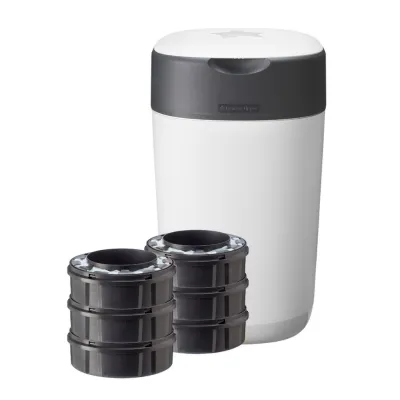
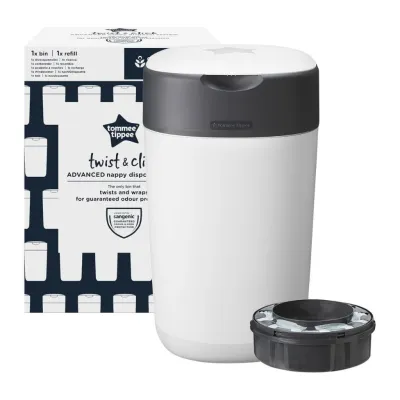
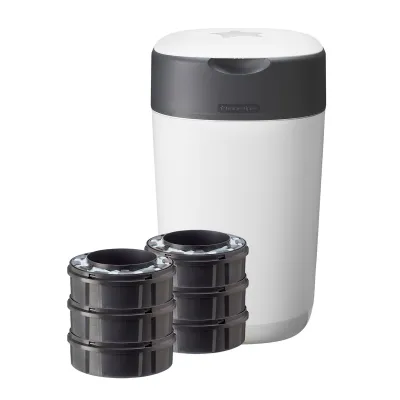
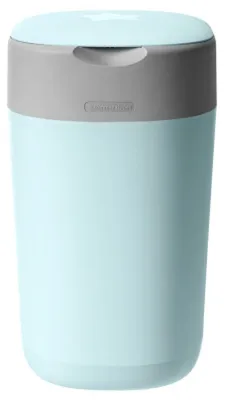
Prices are valid at publication and may change. Please refer to the product page for the latest price.
In contrast, the Ubbi diaper bin relies on material density and airtight seals rather than individual wrapping. Ubbi is constructed from powder-coated steel, which is inherently non-porous and does not absorb odor molecules over time, unlike standard plastics that can retain smells even after thorough cleaning. The bin features a sliding lid mechanism designed to minimize air disruption when opened, paired with heavy-duty rubber gaskets that seal the perimeter of the lid when closed. This physical barrier keeps the air inside the bin completely isolated from the nursery, relying on the collective containment of the bag rather than wrapping each diaper individually.
When evaluating these mechanisms, caregivers should regularly check the physical integrity of the seals and gaskets. Over time, exposure to moisture and cleaning agents can degrade rubber seals or cause plastic hinges to loosen. In warm indoor environments, even the most advanced sealing systems can be overwhelmed if waste is left too long, so you should monitor daily diaper volume and adjust your emptying frequency accordingly. Ensure that the lid closes completely after every use, as even a minor gap can allow odors to seep into your nursery.
Bag Systems and Ongoing Maintenance
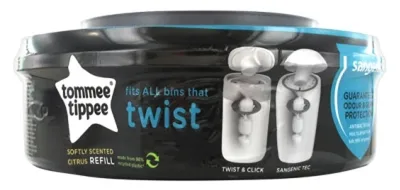
The ongoing cost and convenience of a diaper bin are heavily dictated by its bag system, which represents the primary long-term maintenance requirement for parents. Tommee Tippee bins utilize a proprietary continuous tube refill cassette that sits inside the rim of the bin. To empty the bin, you must pull the film down, cut it using an integrated child-safe blade inside the bin, and tie a knot to start the next bag. While this system ensures that you only use the exact amount of plastic needed for your current load, it requires a steady supply of brand-specific refills. Caregivers should verify the local availability and pricing of these cassettes at local baby boutiques or online marketplaces to ensure they fit within their long-term household budget.

Ubbi takes a highly versatile approach by allowing parents to use standard kitchen trash bags or reusable fabric liners instead of proprietary refills. The bin features an internal bag holder rim that keeps standard bags securely in place and prevents them from slipping down when heavy. This design eliminates the recurring cost of specialized cassettes, allowing you to purchase standard bags in bulk from any local supermarket. It also simplifies the emptying process, as you can simply lift the bag out, tie it off, and replace it without needing to cut or knot a continuous tube.
When choosing between these systems, consider the physical ease of changing the liners and the potential for mess. The Tommee Tippee cut-and-tie process requires manual handling of the film near the waste, which some parents find less appealing, though it minimizes exposure to open air. The Ubbi system exposes the entire volume of collected diapers to the room for a brief moment when you lift the bag out, making rapid tie-offs essential. Caregivers should check the manufacturer’s instructions for proper bag installation to ensure the liner does not interfere with the sliding lid or compromise the rubber gaskets.
Footprint, Materials, and Nursery Placement
Nursery space is often at a premium in Singapore apartments, making the physical footprint and material durability of your diaper bin crucial placement considerations. Tommee Tippee bins are typically constructed from lightweight, durable plastics, making them easy to move around the room or transport between floors if necessary. However, because plastic is lightweight, the bin may shift slightly during one-handed operation or when stepping on a pedal, depending on the specific model. The exterior surfaces are smooth and easy to wipe down with standard household disinfectants, though caregivers must avoid abrasive cleaners that could scratch the plastic and create microscopic crevices where bacteria and odors can linger.
The Ubbi diaper bin features a heavier, powder-coated steel body that provides excellent stability on various flooring types, preventing the bin from tipping over easily. While steel is highly durable and resistant to odor absorption, it requires specific care in Singapore’s humid climate to prevent rust. Caregivers should inspect the interior and bottom edges regularly for any signs of moisture accumulation or paint chipping. If the powder coating is damaged, the underlying steel can become vulnerable to corrosion from damp diapers or humid air. To maintain the finish, wipe the exterior with a dry or slightly damp cloth and ensure it dries completely.
Before finalizing your nursery layout, perform a few practical placement checks to ensure safe and convenient operation. Verify that there is sufficient vertical clearance for the bin’s lid to open fully without hitting low shelves, changing tables, or wall decorations. If the model utilizes a foot pedal, ensure there is enough floor space around the base to operate it comfortably without tripping. Additionally, check the child-proofing features of each bin; Ubbi includes a physical safety lock on the sliding lid to prevent curious toddlers from opening it, while Tommee Tippee’s internal mechanisms or twisting dials often naturally restrict access to the waste compartment.
Decision Framework: Choosing the Right Diaper Bin
To select the ideal diaper bin for your Singapore home, you should align the specific features of each brand with your daily routine, budget, and nursery environment.
You should choose a Tommee Tippee diaper bin if you prioritize:
- A specialized twisting or clamping mechanism that isolates each diaper individually to minimize odor exposure during disposal.
- A lightweight, easily maneuverable plastic bin that can be relocated around the home with minimal effort.
- A continuous bag system that allows you to customize bag sizes and minimize plastic waste per empty.
You should choose an Ubbi diaper bin if you prefer:
- The long-term cost savings and convenience of using standard kitchen trash bags or eco-friendly fabric liners.
- A durable, non-porous steel construction that naturally resists odor absorption over years of use.
- A compact, space-saving design with a sliding lid and a physical child safety lock to keep toddlers out.
Before making your final purchase, verify the exact dimensions of your preferred model against your available nursery layout to ensure a proper fit. Confirm the current stock and delivery timelines for refills if choosing a proprietary system, and always review the manufacturer’s guidelines regarding weight limits and recommended cleaning practices to maximize the lifespan of your bin.
Frequently Asked Questions (FAQ)
How often should I empty the diaper bin to prevent odors?
In Singapore’s warm and humid climate, you should aim to empty your diaper bin every two to three days, regardless of whether it has reached its maximum physical capacity. High ambient temperatures accelerate the breakdown of organic waste, which can cause odors to build up rapidly inside the bin. If you notice any faint smells escaping when the lid is closed, or if the bin is placed in a room without continuous air conditioning, increasing the emptying frequency is the most effective way to maintain a fresh nursery. Always check the manufacturer’s capacity limits to avoid overfilling, which can strain the sealing mechanisms or tear the bags.
Can I use regular trash bags in a Tommee Tippee bin?
Generally, standard trash bags cannot be used in Tommee Tippee bins that rely on a twisting or clamping cassette mechanism, as these designs require the continuous plastic tube to function properly. The mechanical parts of the bin are specifically engineered to grip, twist, or seal the proprietary film as it feeds down from the cassette. Attempting to force a standard bag into these models can jam the mechanism, prevent the lid from sealing correctly, and allow odors to escape. Always consult your specific Tommee Tippee model manual to verify bag compatibility and ensure you are using the correct refill type to maintain the bin’s performance.

Community discussion
Share your experience or ask a question. Comments are reviewed before publication.