
Choosing the right Tommee Tippee straw cup is not about finding a single, universally superior model, but rather about matching specific cup designs to your baby’s current developmental milestones and your daily routine. During the weaning journey, a baby’s oral coordination, grip strength, and swallowing mechanics change rapidly. By understanding how different straw mechanisms, valve designs, and cup shapes align with these physical milestones, you can select a model that supports a smooth transition from breast or bottle to independent drinking.
Every baby progresses at their own pace, making it essential to evaluate the physical features of a cup rather than relying solely on age labels. A well-matched straw cup helps your baby learn the complex motor skills required for mature swallowing while minimizing the frustration of spills and leaks. This guide provides a clear framework to help you evaluate your baby’s readiness, compare key cup features, and establish safe, hygienic habits for long-term use.
Understanding Your Baby's Weaning Stage and Straw Readiness
Before introducing a straw cup, caregivers should look for specific physical and behavioral signs that indicate a baby is developmentally ready to transition. One of the most critical milestones is the ability to sit upright independently with good head control. This posture is essential for safe swallowing, as it reduces the risk of choking and allows the baby to coordinate their breathing and swallowing movements effectively. If a baby still requires significant support to sit up, their core muscles are not yet developed enough to manage the physical demands of drinking from a straw.
Products mentioned in this guide
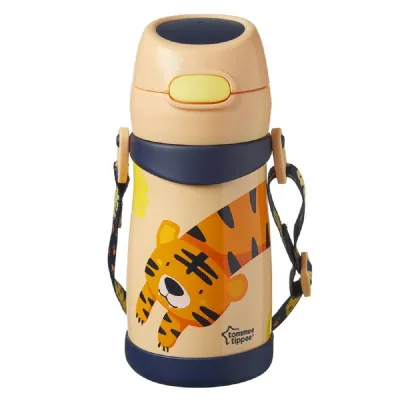
Prices are valid at publication and may change. Please refer to the product page for the latest price.
Another key indicator is hand-to-mouth coordination and a demonstrated interest in what others are drinking. If your baby reaches for your cup, mimics drinking motions, or successfully brings toys and food directly to their mouth, they are developing the motor planning skills needed to handle a training cup. Additionally, the transition from the infant suckling reflex—where the tongue moves forward and backward—to a mature swallow pattern is a gradual process. A straw cup encourages the baby to use their lips and cheek muscles actively, which supports healthy oral muscular development.
It is important to distinguish between the needs of early weaning and those of later toddlerhood. In the early stages, typically around six months of age, the primary goal is introducing the concept of sipping and building basic grip strength. The liquid offered is usually water in small amounts alongside solid foods. In contrast, older toddlers require cups that can keep up with their active movement, larger fluid intake, and frequent travel. For these older children, the cup must be durable enough to withstand being dropped and designed to prevent leaks during active play.
Because chronological age is only a general guideline, caregivers must closely observe their child’s unique developmental progress. If you introduce a straw cup and your baby exhibits persistent coughing, sputtering, gagging, or extreme frustration, it is best to pause the transition. These signs suggest that their oral motor coordination is not yet ready for the flow rate or suction demands of that particular cup. In such cases, temporarily return to breast or bottle feeding, reintroduce the cup a few weeks later, and consult a pediatrician or a pediatric speech-language pathologist if you have ongoing concerns about their swallowing development.
Key Features to Evaluate in Tommee Tippee Straw Cups
When browsing Tommee Tippee straw cups in stores or on online marketplaces, understanding the underlying mechanics of each model will help you make an informed choice. The straw mechanism itself is the most critical component. Weighted straw models feature a small weight at the bottom of a flexible silicone straw, which ensures the straw end remains submerged in liquid regardless of the angle at which the baby tilts the cup. This is highly beneficial for infants transitioning from bottles, as they naturally tend to tilt cups upward when drinking.

In contrast, non-weighted straw cups require the baby to keep the cup upright while drinking, which is a skill more suited to older toddlers. You must also evaluate whether the straw is valve-controlled or free-flow. Valve-controlled straws feature a built-in slit that opens only when the baby applies active suction. While this design is highly effective at preventing leaks, it requires more physical effort from the baby. Free-flow straws allow liquid to pass through easily with minimal suction, making them excellent for babies learning the basic concept of sipping, though they are more prone to spilling if tipped over.
Evaluating leak-proof claims requires a close reading of the product packaging and instructions. Many manufacturers design cups to be spill-proof under specific conditions, such as when the protective travel lid is clicked shut or when the internal valve is correctly aligned. It is important to recognize that physical factors, such as changes in temperature or atmospheric pressure, can cause liquid to rise up through the straw spontaneously. For instance, filling a cup with cold water and taking it into a warm outdoor environment can create pressure inside the cup, leading to minor leaks that are not indicative of a product defect.
Material safety and durability are equally vital considerations for any feeding accessory. Caregivers should always verify that the packaging carries a clear BPA-free label to ensure no harmful chemicals leach into the baby’s drinks. Additionally, check the manufacturer’s guidelines regarding temperature limits and dishwasher safety. While many cup bodies are made from durable polypropylene that can withstand the top rack of a dishwasher, certain soft silicone straws or specialized valves may require gentle hand-washing to prevent warping or tearing under high heat.
Finally, consider the complexity of disassembling the cup for daily cleaning. A cup with numerous small, interlocking parts, deep crevices, or complex valve systems will require more time and effort to maintain. If these parts are not thoroughly dried and cleaned, moisture can easily become trapped, leading to mold growth. Look for models that can be completely disassembled, allowing you to access every surface of the straw and valve with a cleaning brush.
How to Match Cup Features to Your Baby's Developmental Needs
To select the most appropriate cup, you can use a simple decision framework that aligns the cup’s physical features with your baby’s current weaning stage and your daily lifestyle. For the early transition phase, prioritize lightweight cups equipped with soft, flexible silicone straws that are gentle on sensitive, teething gums. Models with removable, ergonomic handles are highly recommended at this stage, as they allow babies with limited finger dexterity to grip the cup securely with both hands, building confidence and hand-eye coordination.
As your baby grows into an active toddler, their physical needs shift toward durability and larger capacity. For this stage, look for cups made from robust, impact-resistant materials that can survive repeated drops onto hard kitchen floors or sidewalks. Insulated cup bodies are also highly beneficial for active toddlers, especially in warm tropical climates, as they help keep water cool and refreshing during outdoor trips to the park or playground. At this point, handles are often unnecessary, and a contoured cup body is preferred to help the child practice a mature, single-handed grip.
Your primary use scenarios should also guide your final selection. If the cup is intended primarily for home use during highchair meals, a simple, non-insulated cup with a free-flow straw may be perfectly adequate and easier to clean. However, if you need a cup for stroller rides, daycare, or family outings, prioritize models that feature a flip-top lid or a click-lock cover. These designs fold the straw down securely, keeping the drinking surface clean and hygienic while preventing accidental spills inside your diaper bag.
Before finalizing any purchase, always locate and verify the manufacturer’s age, weight, and developmental guidelines printed on the product packaging. These guidelines are established based on safety testing and the average physical capabilities of children in specific age brackets. While your baby’s individual development should be your primary guide, checking the manufacturer’s specifications ensures that you are not introducing a cup that is physically too heavy or complex for your child to use safely.
Safety, Hygiene, and Maintenance Checks
Maintaining a strict safety and hygiene routine is essential to ensure your baby’s straw cup remains a safe tool for hydration. Caregivers should perform a routine visual and tactile inspection of the silicone straw and valve before every single use. Teething babies often bite down on soft silicone, which can gradually cause small tears or weaken the material. If a portion of the straw becomes torn or loose, it can easily detach during drinking, posing a severe choking hazard. Run your fingers along the straw to check for splits, and replace the straw assembly immediately if you detect any damage.
Cleaning protocols must align strictly with the manufacturer’s printed instructions to prevent the buildup of bacteria and mold. After each use, disassemble the cup completely, separating the lid, straw, valve, and cup body. Use warm, soapy water and a specialized, ultra-thin straw brush to scrub the entire length of the inner straw channel. Avoid using standard bottle brushes or kitchen sponges, which cannot reach the tight spaces inside a straw valve. Allow all components to air-dry completely in a well-ventilated area before reassembling the cup, as trapping moisture inside a sealed cup encourages mold growth.
There are several clear indicators that a straw cup or its components must be replaced immediately. If you observe persistent black spots or discoloration that cannot be removed with thorough scrubbing, this indicates mold penetration into the porous silicone, and the straw must be discarded. Additionally, if the plastic cup body becomes heavily scratched, cloudy, or cracked, or if the valve no longer regulates the flow of liquid properly, stop using the cup. Using damaged or degraded plastic and silicone compromises both the hygiene and the safety of the product.
Finally, constant caregiver supervision is required whenever a baby or toddler is using a straw cup. Do not allow your child to walk, run, or play actively while holding or drinking from a cup. If a child falls while a rigid plastic cup or straw is in their mouth, it can cause severe oral, dental, or facial injuries. Ensure your child is seated quietly during snack or meal times when drinking, and always store the cup out of reach when it is not actively in use to prevent improper play or accidental damage.
Frequently Asked Questions (FAQ)
Can I use a Tommee Tippee straw cup for hot liquids?
No, you should not use these straw cups for hot liquids. Placing hot or warm beverages inside a sealed cup creates steam, which increases the air pressure inside the container. This pressure can force the liquid to spray out of the straw unexpectedly when the lid is opened or when the baby attempts to drink, presenting a serious risk of burns. Additionally, hot liquids can warp the plastic components, damage the delicate silicone valves, and compromise the leak-proof seal. Always ensure that any liquids offered in the cup are cool or at room temperature, in strict accordance with the manufacturer’s safety warnings.
How do I know if the straw valve needs replacing?
You can determine if the straw valve needs replacing by performing a few simple checks. Inspect the valve visually for any signs of tearing, stretching, or bite marks, particularly around the slit where the liquid is meant to flow. If the cup begins to leak persistently when held upright, or if your baby suddenly struggles to draw liquid through the straw despite applying normal suction, the valve mechanism may be damaged or deformed. When replacing these parts, always check the product packaging or the manufacturer’s website to verify that the replacement straws are fully compatible with your specific cup model.

Community discussion
Share your experience or ask a question. Comments are reviewed before publication.