
Deciding between a toilet seat topper and a standalone potty is one of the first major decisions you will make when starting your child’s potty training journey. The right choice depends on your child’s current physical development, their comfort level with adult bathroom fixtures, and the layout of your home. While a standalone potty offers a low-to-the-ground, non-intimidating option for younger toddlers, a toilet seat topper allows your child to use the adult toilet directly, simplifying the cleanup process. Many families find that matching the tool to their child’s specific developmental stage—rather than relying on a one-size-fits-all approach—leads to a smoother, more confident transition out of diapers.
Understanding the Core Differences
To make an informed decision, it is essential to understand how these two potty training tools function and occupy space in your home. A standalone potty is a completely independent, miniature toilet that sits directly on the floor. It features a built-in, removable basin designed to catch waste, which you must manually empty and clean after every use. Because it is low to the ground, toddlers can easily sit down and stand up without any assistance, making it highly accessible from the very start of training.
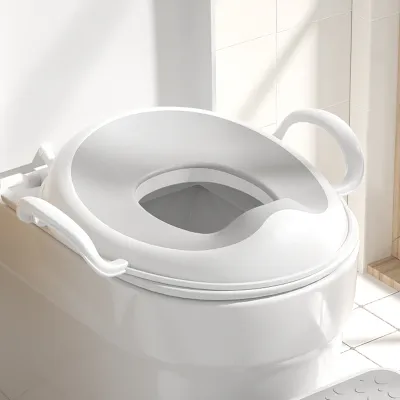
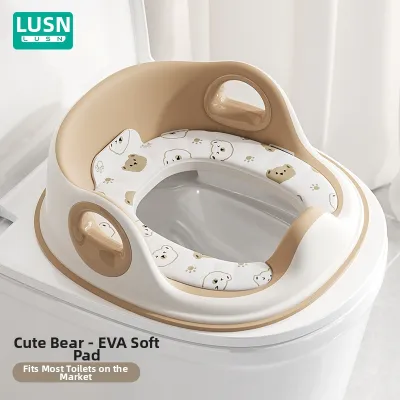
In contrast, a toilet seat topper—often referred to as a potty reducer or insert—is a removable ring that rests securely on top of your existing adult toilet seat. Its primary purpose is to shrink the large opening of the adult toilet bowl so your child can sit comfortably without the fear of slipping through. Unlike the standalone option, a topper relies entirely on your home’s existing plumbing, meaning waste is flushed away immediately just like a normal adult toilet use. This eliminates the step of carrying and emptying a separate basin, though it requires your child to climb up to reach the seat.
Products mentioned in this guide
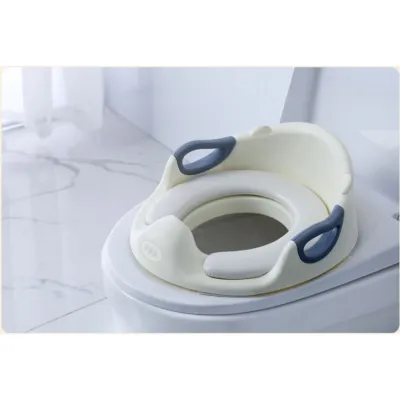
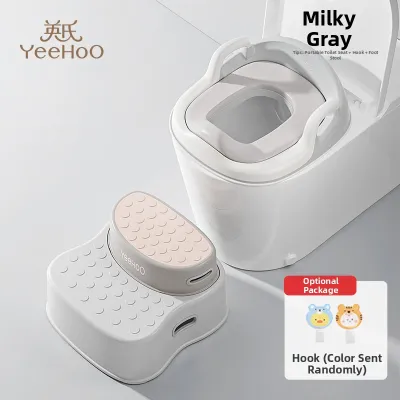
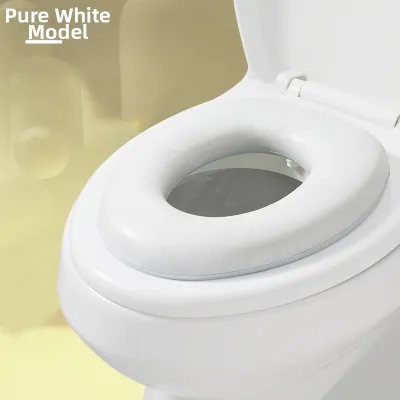
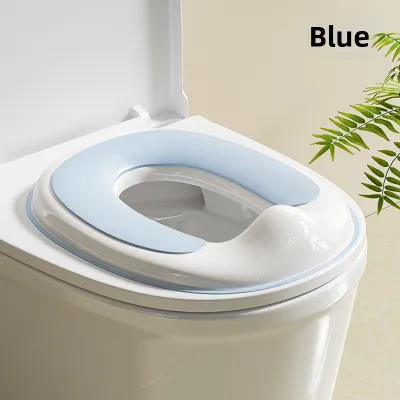
![[SG STOCK] Potty Training Toilet Easy to Clean Cute Duck Baby Potty Training Seat with Splash Guard Toddler Toilet Seat](https://img.lazcdn.com/g/p/43b322c9eeaf92e9ebff6db15b96d8af.jpg_400x400q80.jpg_.webp)
Prices are valid at publication and may change. Please refer to the product page for the latest price.
Key Factors to Compare Before Buying
Choosing the ideal setup requires balancing your child’s physical readiness with the practical realities of your daily routine and home layout. By evaluating a few key criteria, you can select a tool that minimizes stress for both you and your toddler.

Child's Age, Size, and Independence
Your child’s physical size and motor skills play a significant role in determining which seat type is safest and most comfortable. Younger toddlers, typically those under two years old, often lack the coordination and balance required to climb up onto an adult toilet, even with the help of a step stool. For these children, a standalone potty provides a secure, low-profile seat where their feet can rest flat on the floor, which is the optimal anatomical position for bowel movements.
Psychological comfort is another critical factor to observe. The height of an adult toilet, combined with the loud noise of a sudden flush, can be highly intimidating to a small child. If your toddler shows signs of anxiety or resistance when approaching the adult toilet, forcing them to use a topper may stall their progress. Conversely, older or taller toddlers who are eager to mimic their parents or older siblings often prefer a toilet seat topper because it makes them feel like they are using the “real” toilet. When using a topper, you must ensure your child has a sturdy step stool to support their feet, as dangling legs can cause muscle tension that makes it difficult to eliminate comfortably.
Bathroom Space and Daily Setup
The physical layout of your bathroom is a major practical consideration, especially if you are working with compact spaces typical of modern apartments or HDB flats. A standalone potty requires dedicated floor space, which can make a small bathroom feel cluttered. However, its portability means you can easily move it to the living room, bedroom, or play area during the initial days of training when your child needs immediate, ultra-fast access to a toilet.
A toilet seat topper keeps the floor clear but introduces storage challenges of its own. Because adult family members and guests must use the same toilet, you will need to frequently remove and store the topper. This means finding a clean, convenient spot within arm’s reach of the toilet—such as a wall hook or a dedicated stand—to place the topper when it is not in use. If your home has multiple bathrooms, you may find yourself either carrying the topper from room to room or purchasing multiple units to ensure one is always available where your child needs it.
Cleaning and Maintenance Effort
The daily maintenance routine for each product type is often the deciding factor for busy caregivers. With a standalone potty, cleaning is a multi-step process that occurs after every single use. You must carefully remove the plastic basin, empty the contents into your adult toilet, rinse the basin, and sanitize it with child-safe cleaners. This process carries a higher risk of accidental spills or splashes, particularly if you have an active toddler who wants to help empty their own potty.
A toilet seat topper significantly reduces this cleaning workload. Because waste goes directly into the adult toilet bowl, you simply flush it away immediately. Cleaning a topper generally involves a quick wipe down with a disinfectant wipe or mild soap and water. However, you must still regularly clean the underside of the topper and the adult toilet seat beneath it, as urine splashes can easily find their way into the crevices between the two seats.
Safety and Comfort Feature Checklist
Before purchasing any potty training equipment, it is vital to inspect the product’s design features to ensure a safe and comfortable experience. Manufacturer labels and product specifications should be verified to confirm weight limits and age recommendations.
When evaluating standalone potties, look for the following features:
- A wide, non-slip rubber base that prevents the unit from sliding or tipping over when your child sits down or stands up.
- A sufficiently deep inner basin that minimizes splashing and is easy to lift out using a dedicated handle.
- An integrated, high splash guard at the front, which is especially helpful for preventing leaks when training young boys.
- Smooth, rounded edges with no small gaps or hinges that could pinch your child's skin.
When evaluating toilet seat toppers, verify these elements:
- Compatibility with your specific toilet bowl shape, whether it is round, oval, or D-shaped, to prevent shifting during use.
- An adjustable or non-slip fastening mechanism on the underside that locks the topper securely onto the adult seat.
- Built-in, easy-to-grip handles on the sides of the topper, which give your child something secure to hold onto while balancing.
- A contoured, ergonomic design that supports your child's lower back and encourages a comfortable sitting posture.
Decision Framework: Which Option Fits Your Family?
To determine the best path forward, you can use a simple decision framework based on your child’s current developmental signs and your household needs.
You should choose a standalone potty if:
- Your child is in the early stages of training, is under two years old, or is physically small for their age.
- Your child expresses fear of the adult toilet, the height of the bathroom fixtures, or the sound of flushing water.
- Your bathroom layout is extremely tight, making it difficult to position a step stool safely next to the toilet.
- You want the flexibility to move the potty to different rooms of the house to catch sudden urges quickly.
You should choose a toilet seat topper if:
- Your child is older, taller, or possesses the physical coordination to climb a step stool independently.
- Your child shows a strong desire to copy adult bathroom habits and rejects the idea of using a "baby" potty.
- You want to avoid the chore of manually emptying and sanitizing a waste basin after every use.
- You have a dedicated bathroom for your child where the topper can remain in place most of the time.
For many families, a hybrid approach works best. You might start with a standalone potty in the main living area during the first few weeks of training to build confidence and establish the routine. Once your child has mastered the basic concept and grown more physically coordinated, you can introduce the toilet seat topper in the bathroom as a natural next step toward full independence.
Transitioning Strategies and Next Steps
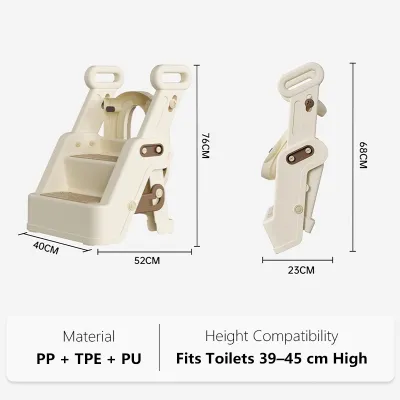
If you decide to use a toilet seat topper, investing in a high-quality, sturdy step stool is absolutely essential. The step stool serves two critical purposes: it allows your child to climb up to the toilet seat safely without adult assistance, and it provides a solid platform for their feet while sitting. Having their feet firmly planted on a flat surface allows your child to relax their pelvic floor muscles, which is necessary for complete bowel movements. Look for a stool with non-slip feet and a textured top surface to prevent slipping.
As your child uses a standalone potty, keep an eye out for signs that they are ready to transition to the adult toilet with a topper. These signs include showing curiosity about how adults use the toilet, asking to use the “big” toilet, or physically outgrowing the standalone potty’s basin. When making the switch, involve your child in the process by letting them help choose the new topper or place it on the toilet.
Remember that potty training is a developmental milestone that progresses at its own pace. If your child shows intense resistance, fear, or physical discomfort with either setup, it is often best to pause training for a few weeks rather than forcing the issue. If resistance persists over several months, or if you notice signs of chronic constipation or physical pain during elimination, consult your pediatrician for professional guidance tailored to your child’s health needs.
Frequently Asked Questions (FAQ)
Can a toilet seat topper fit any adult toilet?
No, toilet seat toppers are not universally compatible with all adult toilets. Standard toilets generally come in two primary shapes: round and elongated (oval). Some modern toilets may also feature square or D-shaped seats. Before purchasing a topper, you must measure the length and width of your adult toilet seat and check the manufacturer’s compatibility specifications. Additionally, some toppers may not sit flat if your adult toilet seat has a highly contoured design or thick hinges, so it is important to verify the return policy or check fit guides provided by the brand.
When should a child switch from a standalone potty to a topper?
A child is typically ready to switch from a standalone potty to a toilet seat topper when they demonstrate both physical readiness and behavioral interest. Physical signs include having the balance and leg strength to climb a step stool safely and having sufficient leg length to rest their feet flat on a stool while seated on the adult toilet. Behavioral cues include expressing a desire to use the adult toilet like other family members, showing discomfort with the small size of the standalone potty, or wanting more privacy during their bathroom routine.

Community discussion
Share your experience or ask a question. Comments are reviewed before publication.