
Selecting the right toddler cheese in Singapore involves balancing nutritional benefits like calcium and protein against risks like high sodium and unpasteurized milk. While local supermarket shelves are filled with colorful packaging aimed at children, parents must look past marketing claims and carefully inspect the nutrition information panel and ingredient list. The ideal choice is a pasteurized, low-sodium natural cheese that fits your child’s current chewing and swallowing abilities.
By understanding what to look for on food labels and how to safely prepare different cheese formats, you can confidently introduce this nutrient-dense food into your toddler’s daily meals. This guide provides a comprehensive framework for evaluating the cheese options available in Singapore, ensuring your child receives the maximum health benefits with minimal safety risks.
Nutritional Needs and Safety Standards for Toddlers
Toddlers aged one to three years undergo rapid physical development, requiring a steady intake of essential nutrients to support their growing bodies. Calcium and protein are two primary components found in dairy products that play a vital role in this developmental phase. Calcium is crucial for building strong bones and teeth, while high-quality protein provides the amino acids necessary for muscle growth, tissue repair, and immune function. Cheese serves as a highly concentrated source of these nutrients, making it an excellent dietary addition, particularly for toddlers who may be going through a phase of rejecting liquid milk.
Products mentioned in this guide
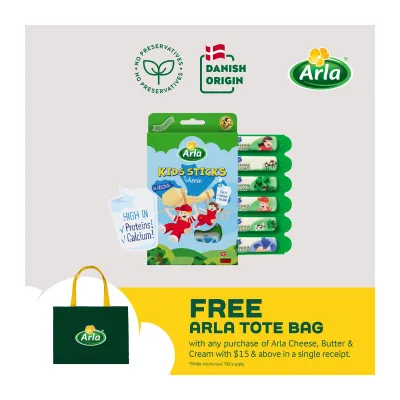
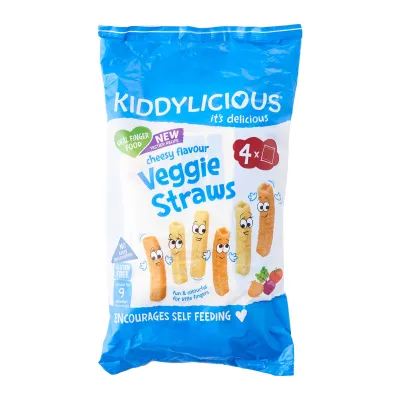
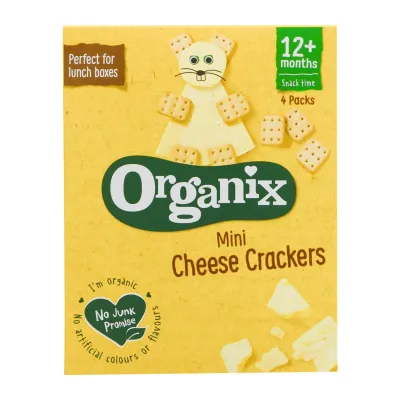
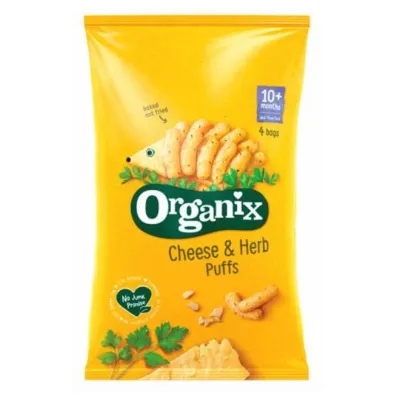
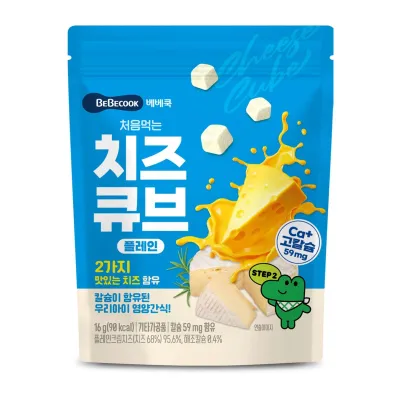
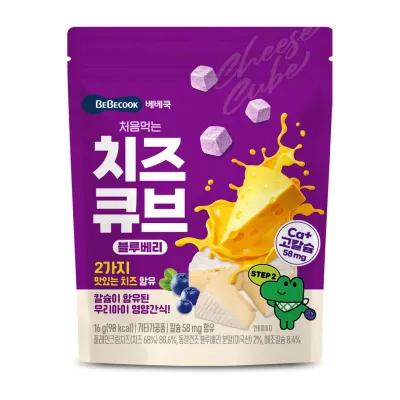
Prices are valid at publication and may change. Please refer to the product page for the latest price.
However, the high sodium content in many commercial cheeses presents a significant health consideration for young children. A toddler’s kidneys are still maturing and are not fully equipped to process large amounts of salt. Consuming too much sodium early in life can place undue strain on these developing organs and may also habituate a child’s palate to overly salty foods, potentially leading to long-term dietary preferences that increase the risk of hypertension later in life. Therefore, monitoring and limiting daily sodium intake is a critical responsibility for caregivers when selecting cheese products.
Safety is another paramount concern, particularly regarding the risk of foodborne illnesses. Pasteurization is a heat-treatment process that destroys harmful pathogens, such as Listeria monocytogenes, Salmonella, and Escherichia coli, which can be present in raw milk. Because a toddler’s immune system is still developing, they are highly susceptible to severe infections from these bacteria. In Singapore, food safety regulations are stringent, but parents must remain vigilant and verify that any cheese product they purchase—especially imported or artisanal varieties—is explicitly labeled as being made from pasteurized milk.
Finally, introducing dairy products requires careful monitoring for potential allergic reactions. Cow’s milk protein allergy is one of the most common food allergies in early childhood. When offering cheese to your toddler for the first time, it is best to introduce it in small quantities and in isolation from other new foods. This allows you to monitor your child for any adverse reactions, such as skin rashes, hives, digestive upset, or respiratory issues, over a period of three to five days. If your family has a history of severe allergies or if your toddler has moderate-to-severe eczema, consult a pediatrician before introducing cheese.
Key Criteria for Evaluating Toddler Cheese Brands
When navigating the dairy aisle of a Singapore supermarket, reading the nutrition information panel is the most reliable way to evaluate the suitability of a cheese brand. Rather than relying on the manufacturer’s suggested serving size, which can vary significantly between products, compare the nutritional values using the “per 100g” column. This standardized measurement allows you to make accurate comparisons between different brands. Look for cheese options that offer a high ratio of calcium to sodium, aiming for products that contain less than 600 milligrams of sodium per 100 grams whenever possible.

In addition to checking sodium levels, parents should carefully examine the ingredient list to identify and avoid unnecessary additives. Many processed cheese products designed for children contain artificial preservatives, synthetic food colors, and artificial flavors to enhance shelf life and visual appeal. These additives provide no nutritional benefit and may cause sensitivities in some children. A high-quality cheese should have a short and clean ingredient list, consisting primarily of pasteurized milk, salt, starter cultures, and non-animal or microbial rennet.
The quality of the primary ingredients is also a key indicator of a product’s nutritional value. Look for cheeses made from whole milk rather than skimmed or reconstituted milk solids, as the natural fats in whole milk are essential for a toddler’s brain development and energy needs. Avoid products where water, butter, whey powder, or food starches are listed near the beginning of the ingredient list, as these are indicators of highly processed cheese products that have been diluted and reconstituted, reducing their overall nutritional density.
For many families in Singapore, verifying specific dietary certifications is an essential part of the purchasing process. If your household observes Halal dietary laws, look for official Halal certification marks on the packaging, such as those issued or recognized by the Islamic Religious Council of Singapore (MUIS). For parents concerned about agricultural chemicals, looking for certified organic labels from reputable international bodies can provide peace of mind regarding the absence of synthetic pesticides, growth hormones, and antibiotics in the dairy farming process.
Suitable Cheese Types and Formats for Young Children
Different types of cheese offer distinct textures, moisture levels, and nutritional profiles, which parents must match with their toddler’s chewing and swallowing capabilities. Hard cheeses, such as mild Cheddar, Swiss, and Monterey Jack, are excellent options because they are naturally low in lactose and high in calcium. However, because they are firm, they must be prepared carefully to prevent choking. Semi-hard cheeses like Gouda and Edam are slightly softer and more pliable, making them easier for toddlers to chew while still providing a rich source of essential nutrients.
Soft cheeses, including cottage cheese, ricotta, and mascarpone, are highly suitable for younger toddlers who are transitioning to solid foods. These cheeses have a high moisture content and a naturally soft, creamy texture that requires minimal chewing, virtually eliminating the risk of choking when served plain. Furthermore, soft cheeses like cottage cheese and ricotta are often lower in sodium compared to aged hard cheeses. However, because of their high moisture content, they have a much shorter shelf life and require strict temperature control to prevent bacterial growth.
Pre-portioned snack formats, such as cheese sticks, strings, and individually wrapped slices, are highly popular among busy parents due to their convenience. While these formats are convenient for on-the-go snacking, it is important to distinguish between natural cheese portions and processed cheese products. Many individually wrapped slices and spreadable cheese tubs are classified as processed cheese, which is made by melting natural cheese with emulsifying salts. This process results in a product with significantly higher sodium levels and lower protein and calcium density compared to natural cheese.
Choking is a serious hazard for toddlers, and the physical format of the cheese plays a major role in this risk. Round, firm cheese sticks and thick cubes are the perfect size and shape to block a child’s airway if swallowed whole. Parents should avoid serving cheese in these shapes to children under four years of age. Instead, choose formats that can be easily modified, or take the time to prepare the cheese at home by grating it finely, slicing it into paper-thin ribbons, or cutting it into small, flat, matchstick-sized pieces that are easy for small fingers to grasp and safe to swallow.
Purchasing Channels and Label Verification in Singapore
Singapore offers a robust retail landscape where parents can source high-quality toddler cheese through various physical and digital channels. Major local supermarket chains, such as FairPrice, Cold Storage, and Sheng Siong, feature extensive chilled dairy sections with dedicated areas for children’s cheese products. Specialty mother-and-baby retail stores and organic grocers often carry premium, imported brands that focus specifically on low-sodium and organic formulations, providing a wider selection for parents with specific dietary preferences.
For convenience, many parents utilize local online grocery delivery services and major e-commerce platforms to purchase their weekly groceries. Shopping online allows you to easily compare nutritional labels and prices across a wider range of brands without leaving your home. When purchasing chilled items online, it is crucial to choose reputable platforms that guarantee a continuous cold chain delivery system. Read customer reviews to verify that chilled products consistently arrive in a cold, fresh condition, as temperature fluctuations during transit can compromise food safety.
Regardless of where you purchase the cheese, inspecting the packaging integrity upon delivery or at the store is a vital safety step. Ensure that the plastic wrapping or container is completely sealed, with no signs of tearing, punctures, or bloating. Bloated packaging is a clear indicator of bacterial activity and gas production, meaning the product is spoiled and unsafe for consumption. Always check the expiry date printed on the package, and try to select products with the furthest possible expiry dates, especially when buying natural cheeses that do not contain artificial preservatives.
To find the most cost-effective options without compromising on quality, compare the unit prices of different cheese brands. In Singapore, toddler cheese prices can range from approximately S$4 to over S$15 per pack, depending on the brand, origin, and organic certification. Instead of comparing the total price per package, look at the price per 100 grams, which is typically displayed on the supermarket shelf label. This comparison often reveals that buying a larger block of high-quality natural cheese and portioning it at home is far more economical than purchasing pre-packaged, individually wrapped children’s snack cheeses.
Safe Serving and Storage Practices at Home
Proper storage is critical to maintaining the safety and nutritional quality of cheese, especially in Singapore’s warm and humid tropical climate. Cheese must be kept refrigerated at temperatures below 4°C to prevent the growth of harmful bacteria and mold. When shopping, use an insulated cooler bag with ice packs to transport chilled items from the store to your home, minimizing the time the cheese is exposed to ambient room temperature. Once home, store the cheese in the main compartment of your refrigerator where the temperature is most stable, rather than in the refrigerator door.
When preparing cheese for your toddler, always wash your hands and use clean cutting boards and utensils to avoid cross-contamination. For younger toddlers who are still developing their chewing skills, finely grating hard cheese over warm dishes like porridge, pasta, or vegetable purees is an excellent way to incorporate dairy safely. For older toddlers who enjoy self-feeding, slice cheese into thin, flat sheets or small, matchstick-sized strips. Avoid cutting cheese into thick cubes or serving whole cheese sticks, as these shapes present a high choking risk.
Integrating cheese into a balanced daily meal plan requires careful portion control to ensure your toddler receives a variety of nutrients from other food groups. A standard daily portion of cheese for a toddler is approximately 15 to 30 grams, which is roughly equivalent to one thin slice or a small matchbox-sized piece. While cheese is an excellent source of calcium and protein, overconsuming dairy can fill up a toddler’s small stomach, leading to a decreased appetite for other essential foods, such as iron-rich meats, leafy greens, and whole grains.
Before serving cheese to your child, always perform a quick sensory check to ensure it is fresh and safe. Inspect the surface of the cheese for any signs of mold growth; while adults can sometimes cut mold off hard cheeses, it is safest to discard the entire package if mold is present when serving toddlers, as mold spores and mycotoxins can penetrate deep into the cheese. Smell the product to confirm it has a fresh, mild dairy aroma; discard any cheese that exhibits a sour, yeasty, or sharp ammonia-like odor, or if the texture has become excessively dry, slimy, or discolored.
Frequently Asked Questions (FAQ)
At what age can toddlers safely start eating cheese?
Most infants can be introduced to pasteurized, low-sodium cheese around six to nine months of age, once they have successfully transitioned to solid foods and shown no signs of dairy sensitivities. However, during the toddler stage—from twelve months onward—cheese becomes a more prominent and valuable source of dietary calcium and protein. Look for signs of developmental readiness, such as the ability to sit unsupported and chew soft foods. Always consult your pediatrician or a qualified healthcare professional before introducing new dairy products, especially if your child has a history of eczema or food allergies.
How much cheese should a toddler eat per day?
A toddler aged one to three years generally requires about one to one and a half servings of dairy per day, which can be met through a combination of breast milk, whole milk, yogurt, and cheese. A single serving of cheese for a toddler is approximately 15 to 20 grams, which is roughly equivalent to one thin slice or a small cheese stick. It is important to balance cheese intake with other calcium-rich foods and dietary iron sources, as excessive dairy consumption can sometimes interfere with the absorption of iron from other foods.
What should I do if my toddler shows signs of a dairy allergy?
If your toddler exhibits symptoms of a dairy allergy or lactose intolerance—such as hives, swelling of the lips or face, vomiting, diarrhea, abdominal pain, or wheezing—stop feeding them cheese immediately. For mild symptoms, contact your pediatrician for an evaluation. If your child experiences severe symptoms, such as difficulty breathing, swelling of the throat, or widespread hives accompanied by lethargy, seek emergency medical attention immediately. Do not attempt to reintroduce dairy products without professional medical guidance.

Community discussion
Share your experience or ask a question. Comments are reviewed before publication.