
In Singapore, the law mandates that any passenger under a specific height threshold—currently set at 1.35 metres—must be secured using an approved child restraint system, such as a toddler car seat or booster seat, appropriate for their height and weight. This requirement applies to all private motor vehicles traveling on public roads. Failing to comply not only compromises your child’s physical safety but also exposes the driver to legal penalties, including composition fines and demerit points. Understanding how these height-based rules apply to your daily commute is the first step in keeping your toddler secure on the road.
Understanding the Height-Based Legal Mandate
Singapore’s traffic regulations prioritize physical stature over age when determining child passenger safety requirements. Under the Road Traffic Act, any individual passenger under the height of 1.35 metres must be secured with an approved child restraint appropriate for their height and weight. This means that even if a child has reached a certain age, their height remains the sole legal determinant for whether they must use a specialized seat.
The focus on height rather than age or weight is rooted in how vehicle safety systems are engineered. Standard adult seatbelts are designed to secure passengers who are at least 1.35 metres tall, routing the belt safely across the strong bones of the shoulder and pelvis. For a smaller toddler, an adult seatbelt can rest dangerously high across the neck and abdomen, risking severe internal injuries during a sudden stop.
Products mentioned in this guide
![[NEW] Maxi Cosi Nomad Plus Foldable Toddler Car Seat - 15M -4Y / 9kg - 18kg / 76 - 105 cm](https://img.lazcdn.com/g/p/f2a7fd1067ff7e20755010697c42ba39.jpg_400x400q80.jpg_.webp)
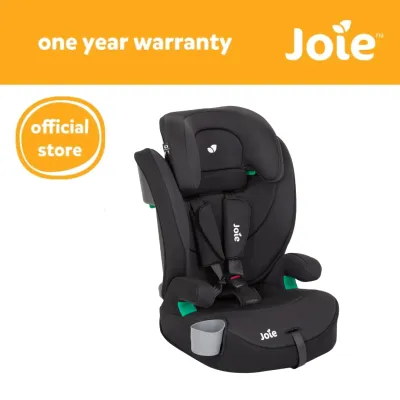
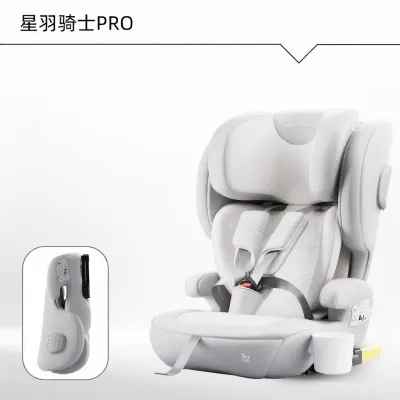
Prices are valid at publication and may change. Please refer to the product page for the latest price.
As your child grows, they will transition through different stages of restraints to remain compliant. Toddlers typically start in rear-facing or forward-facing car seats with integrated harnesses. Once they outgrow the height or weight limits specified by the seat manufacturer, they transition to a booster seat, which raises them so the vehicle’s lap-and-shoulder belt fits correctly. Only when they cross the 1.35-metre threshold can they legally travel using the vehicle’s standard seatbelt alone.
Because traffic laws and safety guidelines can be updated, parents must regularly verify the latest statutory requirements. Checking official updates from the Land Transport Authority or the Singapore Traffic Police portal ensures your family remains fully compliant with current local legislation.
Identifying Compliant Toddler Car Seat Standards
Not all car seats sold globally or online are legally recognized for use in Singapore. Local regulations require that child restraints meet specific recognized international safety standards. When shopping for a toddler car seat, you must physically inspect the product for certification labels indicating compliance with standards such as the United Nations Economic Commission for Europe regulations R44 or R129, or equivalent recognized national standards.

To ensure both legal compliance and physical safety, you must match the seat’s manufacturer-specified limits with your toddler’s current physical measurements. Manufacturers design seats to perform safely only within precise height and weight ranges. Regularly measuring your child and comparing these figures against the labels on the side of the car seat will tell you when it is time to adjust the harness height or transition to a larger model.
Acquiring a second-hand car seat carries significant risks that can compromise legal compliance and safety. Older seats may have expired materials, missing instruction manuals, or degraded plastic components that are invisible to the naked eye. Crucially, a seat that has been involved in even a minor collision may have suffered internal structural damage, rendering it unsafe and non-compliant. If a seat lacks its original safety certification labels or its history is unknown, it should not be used.
Before installing any toddler car seat, perform a thorough inspection of its structural integrity. Check that the plastic shell is free of cracks, stress marks, or warping, and ensure the harness straps are not frayed, twisted, or worn. The buckle mechanism must click securely into place without sticking, and all adjustment levers should operate smoothly according to the manufacturer’s instructions.
Installation Rules and Safe Usage Boundaries
A legally compliant car seat only provides protection if it is installed correctly within your vehicle. Parents must secure the seat using either the vehicle’s built-in ISOFIX anchor points or the standard three-point adult seatbelt system, strictly following the seat manufacturer’s installation manual. Both methods are legally acceptable, provided the seat is anchored tightly and does not move more than 2.5 centimetres in any direction when tested at the belt path.
Positioning rules within the vehicle are critical for compliance and safety. It is highly dangerous, and often restricted, to place a rear-facing toddler car seat in the front passenger seat if the vehicle is equipped with an active frontal airbag. In the event of a collision, the deploying airbag can strike the back of the car seat with extreme force, risking severe injury to the child. The rear passenger seats remain the safest and most legally sound location for installing child restraints.
Daily usage requires consistent, active checks before every journey. Ensure the harness straps are adjusted snugly over your toddler’s shoulders; you should not be able to pinch any excess webbing between your fingers. If the seat features a chest clip, position it at the level of the child’s armpits to keep the shoulder straps properly aligned. Double-check that the vehicle seatbelt or ISOFIX connectors are fully engaged and locked.
Knowing when to stop using a toddler car seat is just as important as knowing how to install it. You must immediately decommission and replace any car seat that has been involved in a moderate-to-severe vehicle collision, regardless of whether damage is visible. Additionally, stop using the seat immediately if you notice any cracked plastic, rusted metal parts, or if your child’s height or weight exceeds the maximum limits specified by the manufacturer.
Penalties for Non-Compliance and Associated Risks
Failing to secure a child under 1.35 metres in an approved restraint is a serious traffic offense in Singapore. Drivers caught violating this regulation face immediate penalties, which typically include a composition fine and demerit points on their driving license. If the case proceeds to court, the legal penalties can escalate significantly, resulting in much larger fines or potential jail terms for serious or repeated offenses.
The legal and financial consequences compound for repeat offenders or those operating commercial passenger vehicles under specific regulatory conditions. Beyond the immediate financial penalty, a driver’s insurance coverage may be affected or invalidated if an unrestrained child is injured in an accident. This underscores the strict responsibility placed on the driver to ensure all passengers are legally and safely secured before starting the engine.
The physical risks of bypassing these laws are severe. When a child who is too short uses an adult seatbelt, the lap belt tends to ride up over the soft abdomen rather than resting on the hip bones, while the shoulder belt can rub against the neck. In a sudden deceleration, this improper positioning can cause “seatbelt syndrome,” leading to critical internal organ damage, spinal injuries, or head trauma.
While the 1.35-metre height requirement is the legal baseline, safety experts recommend exceeding these minimum standards whenever possible. For example, keeping your toddler in a rear-facing car seat for as long as they remain within the manufacturer’s height and weight limits offers superior protection for their developing neck and spine. Viewing the law as a minimum starting point, rather than a maximum goal, helps ensure the highest level of protection for your child.
Frequently Asked Questions (FAQ)
Are Taxis and Private Hire Cars Exempt from Toddler Car Seat Laws?
In Singapore, public taxis are legally exempt from the child restraint requirement because they are considered public transport. This exemption exists to facilitate spontaneous travel, allowing children under 1.35 metres to travel in the rear seat of a taxi using a standard seatbelt. However, this exemption does not apply to private hire cars (such as ride-hailing services booked via mobile apps), which are legally classified differently.
When traveling in a private hire car, any passenger under 1.35 metres must be secured in an appropriate child restraint. The legal responsibility for compliance falls on both the driver and the parent or guardian. To avoid being refused a ride or facing fines, parents should bring a portable, legally approved travel car seat or booster, or specifically book family-friendly ride-hailing options that come equipped with child safety seats.
What if My Toddler Is Tall for Their Age but Under the Legal Height Limit?
If your toddler is exceptionally tall for their age but remains under the 1.35-metre threshold, they must still legally use an approved child restraint. The law does not make exceptions for age, weight, or physical maturity; height is the absolute legal metric. Transitioning them to an adult seatbelt prematurely is both illegal and highly dangerous.
To accommodate a taller child while remaining compliant, look for high-capacity toddler car seats designed with extended height limits, or transition them to an approved high-back booster seat if they meet the manufacturer’s minimum weight and developmental requirements. These specialized seats ensure the vehicle’s seatbelt is routed correctly across their body, keeping them safe and fully compliant with local traffic laws.

Community discussion
Share your experience or ask a question. Comments are reviewed before publication.