
In Singapore, securing young passengers is not just a matter of parental discretion; it is a strictly enforced legal requirement. Under the Road Traffic Act, anyone below the height of 1.35 metres must be secured with an approved child restraint appropriate for their height and weight when travelling in a motor vehicle. For toddlers, this means they cannot simply sit on an adult’s lap or use a standard seat belt, which is designed for adult bodies and can cause severe injury during a sudden stop. Failing to comply with these regulations violates traffic laws and carries immediate penalties, including composition fines and demerit points for the driver. Navigating these rules requires a clear understanding of legal thresholds, transport exemptions, and how to verify that your chosen car seat meets local safety standards.
Understanding the Legal Height and Age Thresholds
The primary legal metric governing child passenger safety in Singapore is height, rather than age or weight. The Land Transport Authority (LTA) mandates that any passenger under 1.35 metres must use an approved child restraint. This specific height threshold is chosen because standard vehicle seat belts are engineered to secure adults whose skeletal structures can withstand the forces of an impact. For a child shorter than 1.35 metres, a standard seat belt often rests dangerously across the neck and abdomen instead of the collarbone and pelvis, posing a high risk of internal injuries during a collision.
While height is the absolute legal boundary, age and weight serve as essential supplementary indicators when selecting the correct category of car seat. Toddlers typically transition through different stages of restraints as they grow. For instance, infants usually start in rear-facing infant carriers, while toddlers who have outgrown those carriers must transition to larger rear-facing or forward-facing convertible seats. Caregivers must verify the specific weight and height limits printed on the manufacturer’s product documentation to ensure the seat is appropriate for their child’s current developmental stage.
Products mentioned in this guide
![Easyhome.sg [Child SAFETY] Baby Booster Car Seat Chair – Toddler Safety Travel Carrier for Children](https://img.lazcdn.com/g/p/9a1e79f7193f323d784f040bd84fc2a9.png_400x400q80.png_.webp)
![[SG] Foldable Child Safety Car Booster Seat Compact Travel Portable Baby Seat Blue Pink For 3-13 yrs](https://img.lazcdn.com/g/p/64b57362b4b2ceb65045c329016802cd.jpg_400x400q80.jpg_.webp)
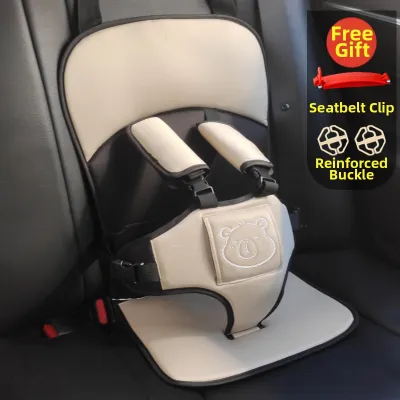
Prices are valid at publication and may change. Please refer to the product page for the latest price.
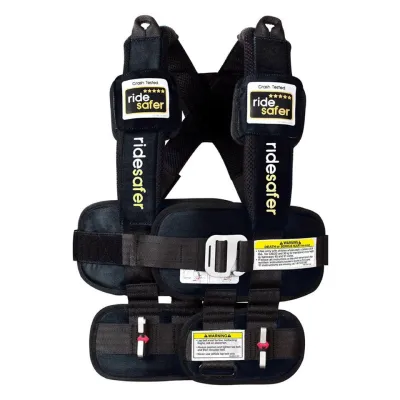
It is also vital to understand how these laws apply across different modes of transport in Singapore. Private cars, company vehicles, and private hire cars (such as ride-hailing services booked via mobile applications) are strictly required to comply with the child restraint law. If you are travelling in a private hire vehicle, your toddler must be secured in an appropriate car seat or booster seat. Public taxis, however, are legally exempt from this requirement due to their classification as public service vehicles. While taxi drivers will not be penalized for carrying an unrestrained child, safety experts strongly recommend using a portable harness or travel-friendly restraint even during taxi journeys to protect your child.
Choosing a Compliant Toddler Car Seat
To ensure legal compliance and actual physical protection, caregivers must select a car seat that meets recognized international safety standards. The Singapore Traffic Police recognize several specific certification marks, which must be permanently affixed to the seat. These include the European standards (such as ECE R44/04 or the newer UN R129, also known as i-Size), the American Federal Motor Vehicle Safety Standard (FMVSS 213), or equivalent recognized national standards from countries like Japan, Australia, or Great Britain. Before purchasing any seat, locate the orange or white compliance sticker on the shell to verify it carries one of these approved marks.

When matching your toddler to a compliant seat, rely strictly on their current physical measurements rather than their chronological age. Children grow at highly variable rates, and a seat that is safe for one two-year-old may be entirely unsuitable for another of the same age. Consult the manufacturer’s instruction manual to check the minimum and maximum height and weight limits for both rear-facing and forward-facing configurations. Using a seat outside its specified limits can prevent the harness from functioning correctly, rendering the restraint ineffective in an accident.
If you are considering a second-hand car seat, extreme caution is required to ensure it remains legally compliant and structurally sound. You must verify that all original safety labels and compliance stickers are fully intact and legible. Additionally, check the seat’s expiration date, which is typically stamped into the plastic shell or detailed in the user manual; most manufacturers recommend replacing seats six to ten years after their production date due to plastic degradation. Never use a second-hand seat if you cannot verify its complete history, as a seat that has been involved in even a minor collision may have invisible structural micro-fractures that compromise its safety.
Furthermore, be cautious when purchasing child restraints from online marketplaces or unauthorized third-party sellers. Some unbranded or counterfeit seats sold online may lack the necessary testing and certification, failing to meet Singapore’s legal standards. Always purchase from reputable retailers or official brand stores, and cross-reference the product’s certification claims with official safety databases if you suspect a label might be fraudulent.
Proper Installation and Usage Boundaries
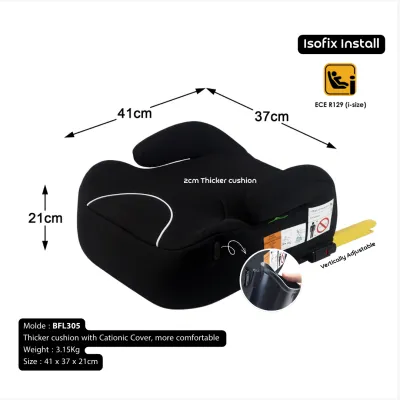
A compliant car seat can only provide its intended protection if it is installed correctly within your vehicle. Caregivers must cross-reference both the vehicle’s owner manual and the car seat’s instruction booklet before installation. Vehicles feature different anchoring systems, such as ISOFIX anchor points or specific seat belt locking mechanisms. Ensuring that the car seat is compatible with your vehicle’s specific seating positions—and installing it exactly as directed—is critical for maintaining legal compliance and passenger safety.
Common installation errors can easily compromise the effectiveness of an otherwise excellent car seat. One of the most frequent mistakes is a loose installation; once secured, the car seat should not move more than 2.5 centimetres in any direction when pulled at the belt path. Another common issue is incorrect harness height. For rear-facing toddlers, the harness straps should emerge from the seat slots at or slightly below the child’s shoulders, whereas for forward-facing toddlers, they should be at or slightly above the shoulders. Caregivers should also regularly check that the harness straps are completely flat and free of twists.
There are strict conditions under which you must immediately stop using a toddler car seat. If the vehicle is involved in a moderate-to-severe collision, the car seat must be replaced immediately, regardless of whether there is visible damage. The intense forces of a crash can stretch the harness webbing and weaken the plastic shell, making it unsafe for future use. Additionally, you must stop using the seat as soon as your toddler outgrows any of the manufacturer’s specified limits, such as when the top of their ears reach the top of the headrest or when they exceed the maximum weight capacity.
Regular supervision and routine checks are essential to ensure the seat remains safe over time. Over months of use, harness straps can become loose, or the seat’s installation can shift. Make it a habit to perform a quick physical check of the seat’s stability and the harness tension before every journey. If you are ever unsure about the correct installation or fit of your child’s seat, consult a certified child passenger safety technician or a qualified professional for guidance.
Penalties for Non-Compliance and How to Avoid Them
Violating Singapore’s child restraint laws carries serious legal consequences for drivers. If you are caught operating a vehicle with a passenger under 1.35 metres who is not properly secured in an approved restraint, you can face immediate composition fines and demerit points. To check the current penalty rates, fine amounts, and demerit point structures, drivers should refer directly to the official portals of the Singapore Police Force or the Land Transport Authority (LTA), as these regulations are subject to periodic updates.
Establishing a consistent pre-trip compliance routine can help caregivers avoid penalties and ensure their toddler’s safety on every ride. Before starting the engine, perform a quick four-point check: verify the car seat is firmly anchored, ensure the harness straps are flat and untwisted, confirm the harness is snug enough that you cannot pinch any excess webbing at the collarbone, and check that the chest clip (if present) is positioned at armpit level. This brief routine takes only a few seconds but significantly reduces the risk of improper usage.
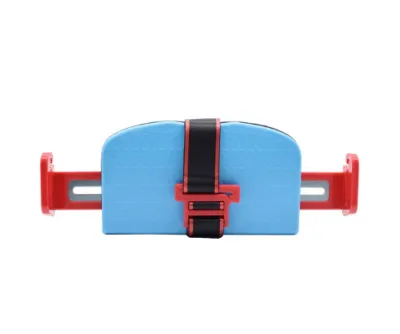
Maintaining compliance during ad-hoc travel, such as ride-hailing trips or outings with relatives, requires proactive planning. Since private hire cars are legally required to enforce the 1.35-metre rule, you cannot travel with an unrestrained toddler in these vehicles. To avoid being refused service by a driver, utilize specialized ride-hailing tiers that guarantee a vehicle equipped with an appropriate child seat. Alternatively, invest in a portable, travel-friendly harness or a compact, certified folding booster seat that you can easily carry and install in any vehicle for spontaneous journeys.
Frequently Asked Questions (FAQ)
Are taxis and private hire cars exempt from toddler car seat laws?
Under Singapore’s traffic regulations, public taxis are legally exempt from the child restraint requirement, meaning drivers will not be penalized if a child under 1.35 metres travels without a car seat. This exemption exists because taxis are classified as public service vehicles that are hailed on demand. However, private hire cars (such as those booked via ride-hailing apps) do not share this exemption and must strictly comply with the law. For maximum safety, caregivers are strongly encouraged to use portable child restraints or specialized travel harnesses even when travelling in exempt public taxis.
Can I use a second-hand toddler car seat in Singapore?
Yes, you can legally use a second-hand car seat in Singapore, provided it meets recognized international safety standards and bears an approved compliance label (such as ECE R44/04 or UN R129). However, you must thoroughly verify the seat’s history before use. Ensure the seat has never been involved in a vehicle collision, is within its manufacturer-specified lifespan (usually six to ten years from production), and includes the original instruction manual. If any safety labels are missing, or if you cannot verify the seat’s complete history, it is safer to purchase a new, certified seat.
When should I transition my toddler to a booster seat?
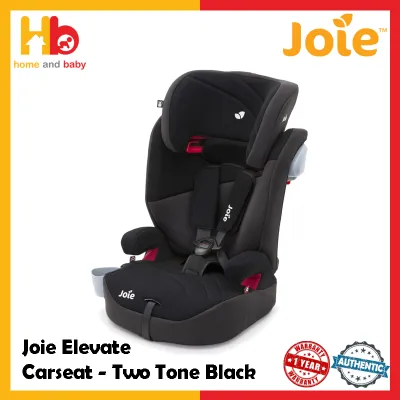
You should only transition your toddler to a booster seat once they have fully outgrown the maximum height or weight limits of their forward-facing harnessed car seat. Legally, children must continue using an appropriate restraint until they reach a height of 1.35 metres. When transitioning, a high-back booster seat is generally recommended over a backless booster for younger children, as it provides essential side-impact protection and helps position the vehicle’s shoulder belt correctly across the collarbone. Always consult the manufacturer’s documentation to verify that your child meets the minimum physical requirements for the booster seat.

Community discussion
Share your experience or ask a question. Comments are reviewed before publication.