
Year-round tropical weather in Singapore means pool time is a weekly or even daily occurrence for many families. Whether you are splashing in a private condominium pool, visiting an ActiveSG public swimming complex, or enrolling your infant in a specialized swim school, finding the right swimming diaper for your baby is essential. The ideal choice depends on your family’s swimming frequency, local pool regulations, and your baby’s skin sensitivity. Rather than searching for a single universal winner, parents should evaluate options based on three core performance metrics: containment design, physical fit, and long-term cost-per-use.
Understanding how these products function in the water will help you avoid embarrassing pool accidents and keep your baby comfortable. By comparing the design features of disposable and reusable options, you can select a solution that fits both your lifestyle and your budget.
What to Look for in a Baby Swim Diaper
To choose the right swim diaper, you must first understand its primary engineering purpose. Unlike standard everyday diapers, swim diapers are not designed to absorb liquids. Standard diapers contain superabsorbent polymers that swell rapidly when submerged in water, making the diaper heavy, saggy, and potentially dangerous as it pulls the baby downward. Swim diapers are engineered exclusively to contain solid waste while allowing water and urine to flow through freely.
Products mentioned in this guide
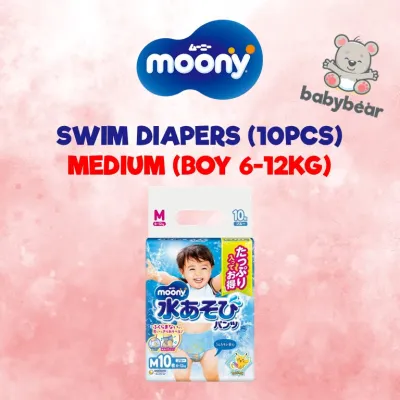
![[SG Seller] Disposable Baby Swimming Diapers Trunk / 5 Packets / Infant Swim Diaper Pants / Cloth Waterproof](https://img.lazcdn.com/g/p/f2015285678421d34766d9a4b41caaab.jpg_400x400q80.jpg_.webp)
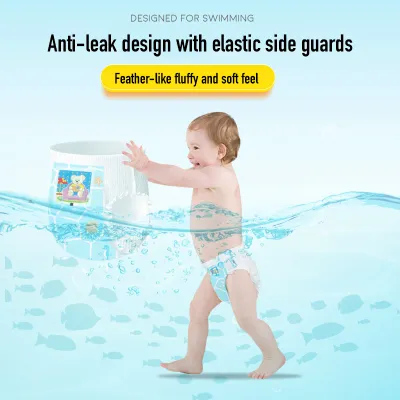
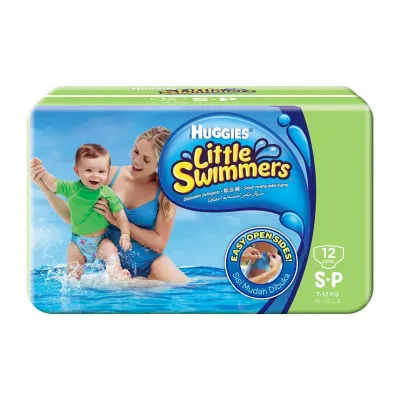
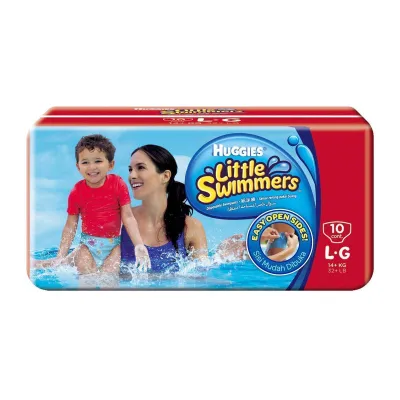
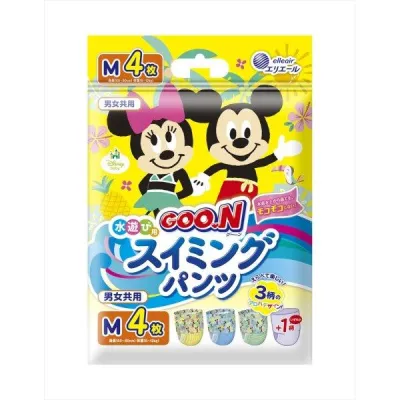
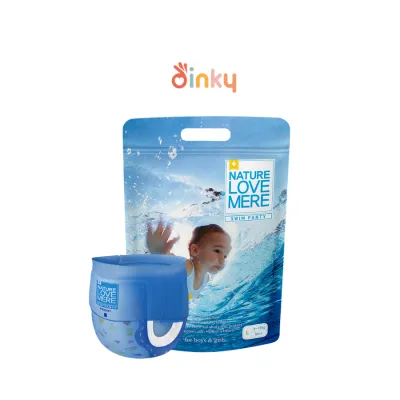
Prices are valid at publication and may change. Please refer to the product page for the latest price.
Because swim diapers do not absorb water, the containment of solid waste relies entirely on the physical barriers of the diaper. This makes the leg and waist elastics the most critical design elements. Look for diapers with wide, double-layered leg gussets that form a secure seal around your baby’s thighs. The elastic should be robust enough to maintain its tension when wet, yet soft enough to prevent chafing against delicate skin during active kicking.
Material breathability and drying speed are also vital factors, particularly in Singapore’s hot and humid climate. When babies transition from the pool to the lounge chair, a slow-drying diaper can trap moisture against the skin, increasing the risk of friction rashes or heat rash. Look for lightweight, quick-drying synthetic fabrics or high-quality disposable materials that do not retain excess water once your baby steps out of the pool.
Comparing Disposable and Reusable Swim Diapers
When shopping on e-commerce platforms or at local baby boutiques, you will generally choose between disposable and reusable swim diapers. Each type offers distinct advantages depending on your lifestyle, swim frequency, and convenience preferences.

Disposable swim diapers are highly favored for their convenience and hygiene. They are designed for single-use and typically feature tear-away side seams, allowing caregivers to remove a wet or soiled diaper quickly without pulling it down the baby’s legs. This design minimizes the risk of spreading a mess during changes. Disposables are also highly convenient for travel, staycations, or spontaneous pool days, as they require no post-swim washing or transport of wet garments.
Reusable swim diapers, on the other hand, offer significant environmental and long-term financial benefits. Typically constructed with a waterproof outer layer made of polyurethane laminate (PUL) and a soft polyester mesh interior, these diapers can be washed and reused dozens of times. Many reusable models feature adjustable snap button systems or hook-and-loop fasteners along the waist and hips. This adjustability allows the diaper to expand as your baby grows, often lasting through several growth spurts.
While reusable options require an upfront purchase and subsequent laundering, they eliminate the recurring waste of single-use plastics. However, adjusting the fit of a reusable diaper can require more precision than pulling on a stretchy disposable waistband. Caregivers must ensure that the snaps are fastened to the correct setting to prevent gaps without overtightening the waist.
How to Check Fit and Prevent Pool Leaks
Preventing pool leaks is entirely a matter of achieving a proper physical fit. A swim diaper that is too loose will fail to contain solid waste, while one that is too tight can cause discomfort, restrict circulation, or rub against your baby’s skin.
To verify the fit, perform a simple two-finger check once the diaper is on. You should be able to slide two fingers comfortably under the waistband and the leg elastics. If you can fit more than two fingers, or if you see visible gaps when your baby bends their knees or sits down, the diaper is too large and will likely leak in the water. Conversely, if the elastic leaves deep, red indentations on your baby’s skin after a few minutes of wear, you need to size up.
Always consult the manufacturer’s specific weight and size charts rather than relying on age guidelines. Babies grow at highly individual rates, and thigh circumference is often a much better indicator of a good swim diaper fit than age or overall weight. If your baby is in between sizes, it is generally safer to choose the smaller size for a swim diaper to ensure the leg seals remain snug, provided it does not cause physical discomfort.
During your swim session, monitor the diaper regularly for signs of overloading. Because swim diapers do not absorb liquids, a heavy, sagging appearance usually indicates that solid waste is present or that the diaper has trapped sand or pool debris. If you notice sagging, smell an odor, or see your baby showing signs of fussiness, exit the pool immediately to check and change the diaper in a designated restroom.
Calculating Cost and Value for Your Swim Routine
To determine which option is most economical for your family, evaluate your swimming frequency and calculate the true cost-per-use. A clear financial comparison can help you decide whether to invest in reusables or stick with disposables.
For disposable swim diapers, calculate the cost-per-use by dividing the retail price of a pack by the number of diapers inside. For example, if a pack of disposable swim diapers costs S$18 and contains 12 diapers, your cost-per-use is S$1.50. If your baby swims once a month, a single pack can last nearly a year, making disposables a highly economical and low-effort choice.
For reusable swim diapers, the calculation involves comparing the higher upfront cost against the expected number of uses. If a high-quality reusable swim diaper costs S$25 and your baby attends weekly swim classes (approximately 50 sessions a year), the cost-per-use drops to just S$0.50 within the first year. If the diaper is adjustable and fits your baby for two years, or is saved for a younger sibling, the savings multiply significantly.
When evaluating reusables, also consider minor hidden costs such as laundry water usage, electricity, and the time spent washing and drying the diaper. For most families, however, the environmental benefits and long-term savings of reusable diapers easily outweigh these minor operational costs if swimming is a regular part of their weekly routine.
Which Swim Diaper Should You Choose?
Your final decision should align with your lifestyle, budget, and the specific rules of the facilities you plan to visit.
Choose disposable swim diapers if:
- You swim infrequently, such as during occasional holidays, staycations, or spontaneous weekend visits to public water play parks.
- You prioritize maximum convenience, quick cleanup, and do not want to carry wet, soiled swim gear home in your bag.
- Your baby is in a rapid growth phase where purchasing a reusable diaper might result in them outgrowing it after only one or two uses.
Choose reusable swim diapers if:
- Your baby is enrolled in regular, weekly infant swimming lessons or you live in a condominium with easy daily pool access.
- You want to minimize your household's environmental footprint and reduce single-use plastic waste.
- You prefer a highly adjustable fit that can be customized to your baby's unique body shape using snaps or fasteners.
Before heading to the pool, always verify the specific rules of your swim facility. Many private swim schools and public pools in Singapore enforce strict hygiene policies. Some facilities require a “double-diapering” system for infants. This policy typically means your baby must wear a disposable swim diaper underneath a snug-fitting, reusable swim diaper cover to provide a secondary layer of defense against leaks. Checking these requirements beforehand ensures a smooth, stress-free day of splashing with your little one.
Frequently Asked Questions (FAQ)
Do Swim Diapers Absorb Urine?
No, swim diapers do not absorb urine. They are designed with porous materials that allow liquids to pass through while trapping solid waste. If swim diapers were absorbent, they would quickly fill with pool water, become extremely heavy, and lose their ability to hold solids. Because of this design, you should put the swim diaper on your baby right before they enter the water, rather than during the commute to the pool, to avoid accidents in the car or stroller.
Should You Put a Regular Diaper Under a Swim Diaper?
No, you should never put a regular diaper under a swim diaper. A regular diaper will immediately absorb pool water, swell to a bulky size, and weigh your baby down, creating a serious safety hazard in the water. Furthermore, once a regular diaper is completely saturated with pool water, it loses its structural integrity and its ability to contain solid waste, rendering both diapers ineffective.

Community discussion
Share your experience or ask a question. Comments are reviewed before publication.