
Choosing sustainable washable diapers in Singapore involves looking beyond the surface label of “eco-friendly” and evaluating the entire lifecycle of the product—from raw material harvesting to local washing routines. While the initial transition from single-use disposables requires an upfront investment, the long-term environmental and financial benefits are substantial. To find the most sustainable options, parents must learn to verify textile certifications, assess brand manufacturing ethics, and adapt their care routines to Singapore’s unique tropical climate.
By shifting away from single-use products, families can significantly reduce the volume of waste sent to Semakau Landfill, Singapore’s only landfill, which is projected to reach capacity in the coming decades. However, the environmental benefits of cloth diapering are not automatic; they depend heavily on how the diapers are manufactured, what materials they are made of, and how they are washed and dried. This guide provides a comprehensive framework to help you evaluate brands, verify environmental claims, and establish an eco-efficient diapering routine.
What Makes a Washable Diaper Truly Sustainable?
A truly sustainable washable diaper must be evaluated across its entire lifecycle. This begins with the extraction of raw materials, moves through the manufacturing and shipping phases, and extends to daily usage and eventual disposal. While disposable diapers generate immediate, non-biodegradable waste that sits in landfills for centuries, washable diapers shift the environmental impact to the usage phase, primarily through water and energy consumption.
Products mentioned in this guide
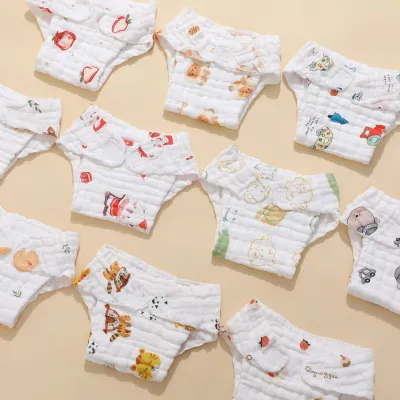
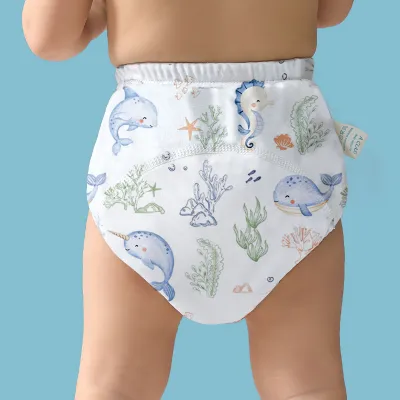
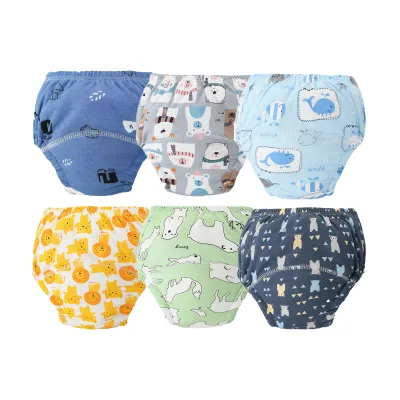
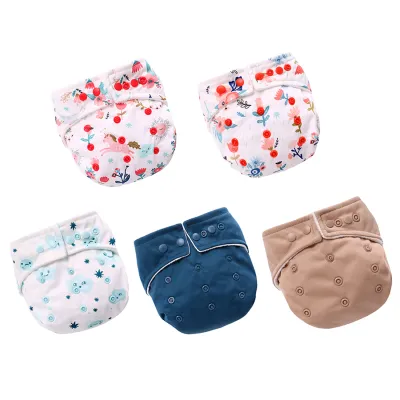
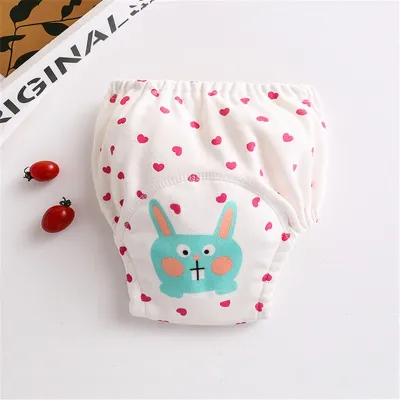
![[SG Ready Stock] 6-Layer Toilet Training Pants / Reusable Diaper / Toilet Potty Training Pants](https://img.lazcdn.com/g/ff/kf/Sea051da743f44d559f6bb9767a2d02f39.jpg_400x400q80.jpg_.webp)
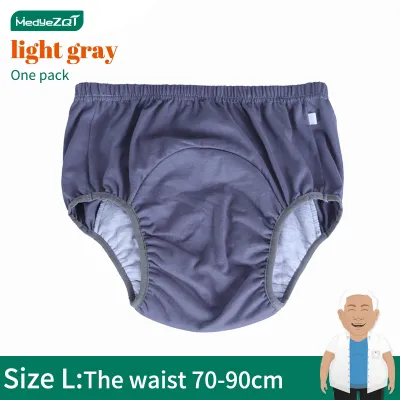
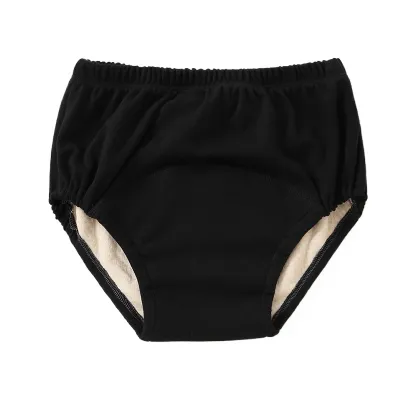
Prices are valid at publication and may change. Please refer to the product page for the latest price.
In Singapore, where water conservation is highly prioritized, the environmental footprint of washing cloth diapers is a common consideration. Washing a load of diapers consumes water and electricity, but when managed efficiently, this impact remains significantly lower than the cumulative resources required to manufacture, package, and transport thousands of single-use disposables. Using water-efficient washing machines and optimizing load sizes helps minimize this footprint.
The ultimate sustainability of a washable diaper relies heavily on its durability. A high-quality diaper that lasts through hundreds of wash cycles—and can ideally be reused for subsequent children or resold in the pre-loved market—drastically reduces its overall environmental footprint. Conversely, cheap, poorly constructed cloth diapers that degrade quickly and require premature replacement defeat the ecological purpose of choosing reusable alternatives.
Furthermore, the design of the diaper affects its long-term viability. Diapers with adjustable snap systems (often called “one-size-fits-most”) grow with the baby from infancy through toddlerhood, eliminating the need to purchase multiple sizes as the child develops. This adaptability maximizes the utility of each individual diaper, ensuring that fewer resources are consumed over the diapering years.
Key Materials and Certifications to Look For
The choice of fabric is a primary determinant of a diaper’s environmental impact. Natural fibers such as organic cotton, hemp, and bamboo are highly absorbent and biodegradable at the end of their lifecycle. Synthetic materials like polyester, polyurethane laminate (PUL), and microfleece provide essential waterproofing and stay-dry properties but are derived from petroleum and shed microplastics during washing. Balancing these materials—such as using natural fibers for the absorbent core and durable, recyclable synthetics for the outer waterproof shell—is often necessary for performance and longevity.

Hemp is widely regarded as one of the most sustainable textile crops due to its low water requirements, high yield per acre, and natural resistance to pests, which eliminates the need for synthetic pesticides. Organic cotton is another excellent choice, as it is grown without synthetic fertilizers and processed without toxic chemicals, making it exceptionally gentle on sensitive baby skin. When evaluating these materials, look for blends that prioritize natural fibers next to the baby’s skin to minimize synthetic contact.
To ensure that the materials used are truly sustainable and safe for sensitive baby skin, look for recognized third-party textile certifications. The Global Organic Textile Standard (GOTS) guarantees that fibers are organic and processed under strict environmental and social criteria. The Oeko-Tex Standard 100 certification ensures that the finished product is free from harmful levels of toxic chemicals and heavy metals. Caregivers should verify these certifications by checking the brand’s official registration numbers on the certifying body’s public databases.
Greenwashing is prevalent in the baby product industry, with many brands using vague, unregulated terms like “natural,” “earth-friendly,” or “biodegradable” without any supporting evidence. To avoid these traps, look for explicit details regarding material composition and manufacturing processes. A transparent brand will clearly state the percentage of organic fibers used, detail their supply chain, and provide verifiable certification labels rather than relying on generic eco-themed marketing imagery.
Evaluating Brand Practices Beyond the Product
A brand’s commitment to sustainability should extend beyond the diaper itself to its packaging and shipping practices. Look for brands that utilize plastic-free, compostable, or recycled packaging materials and minimize unnecessary paper inserts. When ordering products to Singapore, international shipping can add a significant carbon footprint, so brands that optimize their shipping volumes and use carbon-offsetting logistics programs are preferable.
Sustainable production must encompass ethical labor practices. Responsible brands ensure fair wages, safe working conditions, and reasonable hours for the workers in their supply chains. Look for certifications such as Fair Trade, SA8000, or detailed transparency reports on the brand’s website that outline their manufacturing facilities and labor standards.
Consider what happens to the diaper when it is no longer usable. Some forward-thinking brands offer take-back programs, recycling initiatives, or repair services to replace worn-out elastics and snaps. Choosing brands that actively support circular economy principles ensures that the materials are kept out of landfills for as long as possible, even after the diaper has reached the end of its functional life.
Additionally, evaluate whether the brand supports environmental initiatives, such as donating a portion of profits to conservation organizations or participating in carbon-neutral manufacturing programs. While these initiatives do not replace the need for sustainable product design, they indicate a broader corporate alignment with ecological responsibility.
How to Find and Verify Eco-Friendly Brands in Singapore
Sourcing sustainable washable diapers in Singapore is best done through local specialty baby boutiques and authorized online retailers. These specialized businesses often curate high-quality, ethically made brands and can provide detailed information about the sourcing and manufacturing of their products. Visiting physical showrooms or contacting local distributors allows you to inspect the fabric quality, stitching, and overall durability firsthand before making a purchase.
While general online marketplaces offer convenience, they also host numerous unauthorized third-party sellers offering cheap, unbranded cloth diapers. These products often lack verifiable safety certifications, may contain harmful chemical residues, and typically degrade rapidly after a few washes. Avoid listings with vague material descriptions, missing brand names, or prices that seem too low to cover ethical manufacturing and quality materials.
When evaluating a brand or retailer, do not hesitate to ask direct questions to verify their sustainability claims. Inquire about the specific origin of their organic fibers, request proof of their GOTS or Oeko-Tex certifications, and ask about their local warranty and customer support policies. A reputable retailer committed to sustainability will welcome these questions and provide clear, documented answers rather than generic assurances.
Additionally, engaging with local cloth diapering communities in Singapore can provide invaluable peer reviews. These communities often share practical experiences regarding which brands hold up best under local washing conditions and which retailers offer the most reliable customer service and authentic products.
Caring for Cloth Diapers to Maximize Their Lifespan
The way you wash your diapers plays a massive role in their overall environmental impact. To optimize energy and water use in Singapore, wash full loads whenever possible and utilize modern, water-efficient washing machines. While a hot wash (around 60°C) is occasionally necessary for deep cleaning and sanitization, routine washing at lower temperatures (30°C to 40°C) reduces energy consumption and minimizes wear on the diaper fabrics.
Selecting the right detergent is crucial for both diaper performance and environmental protection. Choose biodegradable, plant-based detergents that are free from optical brighteners, synthetic fragrances, and fabric softeners, which can leave residues that reduce diaper absorbency and irritate baby skin. Ensure the detergent is strong enough to clean thoroughly, as insufficient cleaning can lead to ammonia buildup, diaper rash, and premature fabric degradation. If persistent diaper rash or skin irritation occurs, consult a pediatrician or a qualified healthcare professional to rule out medical issues.
Singapore’s tropical climate offers an excellent opportunity for line-drying, which is the most sustainable and fabric-friendly drying method. Hanging diapers in the sun naturally sanitizes them and helps bleach out stains without the use of harsh chemicals. However, prolonged exposure to intense, direct sunlight and high heat can damage the elastic bands and waterproof polyurethane laminate (PUL) layers. To prevent this, hang waterproof shells in a shaded, well-ventilated area, and reserve direct sunlight for the absorbent natural-fiber inserts.
Proper storage between washes also preserves diaper integrity. Store soiled diapers in a dry, well-ventilated pail or wet bag rather than soaking them in water, which can breed bacteria and degrade the waterproof laminate. Following these care guidelines ensures your diapers remain functional for years, maximizing your environmental investment.
Frequently Asked Questions (FAQ)
Are bamboo washable diapers actually eco-friendly?
Bamboo is a highly renewable resource that grows rapidly without pesticides, making it an attractive raw material. However, the process of turning stiff bamboo stalks into soft fabric usually involves intensive chemical processing. Most bamboo diapers on the market are made of bamboo viscose or rayon, which utilizes harsh chemicals like carbon disulfide. To ensure your bamboo diapers are truly eco-friendly, look for brands that use mechanically processed bamboo linen or those that utilize a closed-loop manufacturing process (such as lyocell), which recycles and contains the chemical solvents used during production.
How many washable diapers do I need for a full-time routine?
For a full-time cloth diapering routine, a stash of 20 to 24 diapers is generally recommended for newborns and infants, who require frequent changes. As the baby grows and diaper changes become less frequent, a stash of 15 to 18 diapers may suffice. In Singapore’s humid climate, drying times can be longer, especially during the monsoon season, so having a slightly larger stash prevents the temptation to use a clothes dryer, which consumes significant energy. Balancing your stash size is key: buying too few diapers leads to frequent washing and accelerated wear, while buying too many creates unnecessary upfront material waste.

Community discussion
Share your experience or ask a question. Comments are reviewed before publication.