
Choosing between popular eco-friendly cloth baby diapers involves evaluating how different brands manage the balance between daily performance, material sustainability, and long-term durability. Because absorbency, wash durability, and eco-certifications vary significantly across product lines, there is no single diaper system that suits every household. Making an informed purchase decision means looking beyond marketing labels to verify material compositions, washing requirements, and structural components. This guide provides a structured framework to evaluate cloth diaper options across these core dimensions, helping you select the system that best fits your family’s lifestyle, home environment, and environmental values.
Key Factors for Evaluating Cloth Diaper Performance
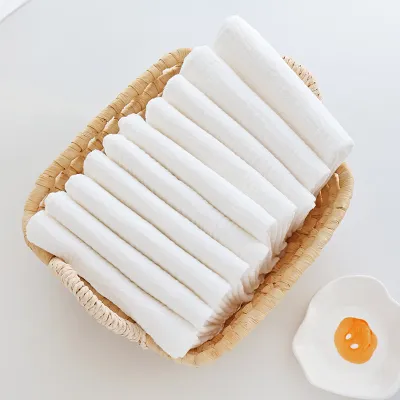
Evaluating the daily performance of cloth diapers requires a close look at how different materials and structures handle moisture. The core of any diaper’s performance is its absorbency structure, which typically consists of either natural fibers or synthetic materials. Natural fibers like cotton, bamboo, and hemp are highly regarded for their high fluid retention and resistance to compression leaks, which occur when a baby sits down on a saturated diaper. Cotton absorbs quickly and is highly durable, while bamboo offers a softer feel and excellent capacity. Hemp provides the highest absorbency capacity but absorbs moisture slowly, making it an ideal choice when paired with a faster-absorbing cotton or microfibre booster layer.
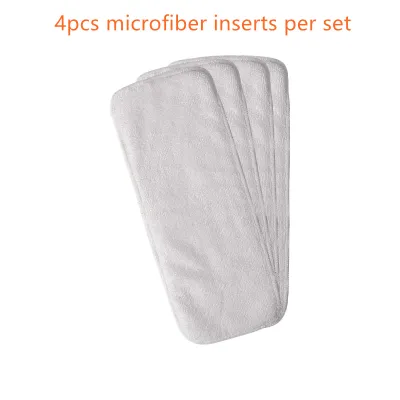
Synthetic inserts, primarily made of microfibre, absorb liquid incredibly quickly but are prone to compression leaks under pressure. Many popular brands utilize hybrid inserts that combine a quick-absorbing synthetic top layer with a high-capacity natural fiber bottom layer. When comparing brands, verify the exact material composition of the inserts rather than relying on generic names. Some inserts labeled as “bamboo” actually contain a high percentage of polyester microfibre in their inner layers, which alters their performance and drying characteristics.
Products mentioned in this guide
Prices are valid at publication and may change. Please refer to the product page for the latest price.
In humid tropical climates, washing and maintenance routines are critical factors in brand selection. Thick, multi-layered natural fiber inserts hold onto moisture tenaciously, resulting in significantly longer drying times. If you rely on line drying in an apartment or high-rise home with limited outdoor space, heavy hemp or bamboo inserts can take over a day to dry completely, which may necessitate a larger overall diaper stash. Synthetic pocket shells and microfibre inserts dry much faster, making them easier to manage in high-humidity environments.
Durability indicators determine whether a diaper stash will survive years of frequent washing or even a second child. Inspect the stitching quality along the leg elastics and waistbands, as these areas experience the most tension. Fastener types also play a major role in longevity; plastic snaps generally outlast hook-and-loop (velcro) fasteners, which tend to collect lint and lose their grip over time. Additionally, check the manufacturer’s instructions regarding the heat tolerance of the waterproof outer layer, typically made of Polyurethane Laminate (PUL) or Thermoplastic Polyurethane (TPU). High wash temperatures or frequent machine drying can cause these waterproof membranes to crack or delaminate, rendering the diaper unusable.
Assessing Sustainability and Environmental Impact
To verify the environmental claims of cloth diaper brands, look for recognized third-party certifications rather than generic “eco-friendly” or “green” marketing terms. The Global Organic Textile Standard (GOTS) ensures that the natural fibers used, such as cotton, are grown organically and processed under strict environmental and social criteria. Another key certification is OEKO-TEX Standard 100, which certifies that the finished fabric has been tested for harmful substances and is safe for sensitive infant skin. You can verify these certifications by checking the unique license numbers on the manufacturer’s website or directly through the certifying body’s public registry.

Understanding the end-of-life journey of different diaper components is essential for assessing their true environmental footprint. While natural fiber inserts like 100% organic cotton or hemp are biodegradable under the right conditions, the waterproof outer covers, elastic bands, and plastic snaps are made from synthetic polymers that do not decompose easily. Even brands that use TPU, which is often marketed as more biodegradable than PUL because of its manufacturing process, still rely on synthetic materials that will eventually end up in local waste streams. Recognizing this distinction helps caregivers manage expectations regarding the ultimate waste footprint of their diapering choices.
Resource consumption during the diaper’s active lifespan is another critical sustainability factor. Washing cloth diapers requires significant water and electricity, which can offset some of the environmental benefits of avoiding single-use disposables. To minimize this impact, consider the efficiency of your household appliances. Using a water-efficient washing machine and washing full loads helps conserve resources. Furthermore, opting to line-dry diapers whenever possible, rather than relying on a clothes dryer, dramatically reduces the overall carbon footprint of your cloth diapering routine.
Cost and Value: Calculating the True Cost Per Use
Calculating the financial commitment of cloth diapering requires looking past the initial upfront investment to understand the long-term cost per use. A complete stash of cloth diapers typically requires between 20 and 24 diapers to allow for a comfortable washing rotation every two days. Depending on the brand and system chosen, this initial investment can range from S$400 to over S$1,000. While this upfront cost is substantial, it replaces the thousands of single-use diapers a child will need before potty training, representing significant potential savings over several years.
To find the true cost, you must also factor in hidden operational expenses that accumulate over time. These include the increased water and electricity consumption reflected in your monthly utility bills, as well as the cost of specialized, cloth-safe detergents that do not contain fabric softeners or optical brighteners. Additional accessories, such as a diaper sprayer installed next to the toilet, wet bags for storage, and reusable or biodegradable flushable liners, also add to the initial setup cost. These tools, however, greatly improve the convenience of the washing routine and help protect the diapers from premature wear.
Replacement cycles can also impact your long-term budget. While high-quality inserts can last through multiple years of continuous use, the elastic bands and waterproof laminates on the outer covers are more vulnerable to degradation. Exposure to high wash temperatures, acidic waste, or improper detergents can cause elastics to slacken or the waterproof lining to peel. If you need to replace covers before your child is potty trained, your overall savings will decrease. Choosing brands that offer replaceable elastics or robust warranties on snaps and laminates can help safeguard your investment.
How to Choose the Right Cloth Diaper Brand for Your Family
Selecting the right cloth diaper brand involves matching your family’s daily routine, drying space, and budget with the appropriate diaper design. If your primary goals are high absorbency and minimizing skin irritation, prioritize brands that feature natural fiber inserts like organic cotton or hemp. These materials are excellent for heavy wetters and overnight use, though they require a higher upfront investment and longer drying times. If you prioritize fast drying times and a lower initial cost, synthetic blends or pocket diapers with microfibre inserts may be more suitable, provided you are diligent about changing them frequently to prevent compression leaks.
Your household’s lifestyle and available time should dictate the diaper style you choose. All-in-One (AIO) diapers, where the absorbent insert is sewn directly to the waterproof cover, are the most straightforward to use and are highly recommended for families utilizing external childcare or involving grandparents. However, they take the longest to dry and offer limited absorbency customization. Pocket diapers feature a pocket opening where you can stuff various inserts, allowing you to customize absorbency for naps or night-time while drying relatively quickly because the components separate. Fitted diapers paired with separate waterproof covers offer the most robust leak protection but require a multi-step assembly process that may not suit busy schedules.
Before purchasing a full stash of any single brand, consult a pre-purchase checklist to ensure compatibility. Verify the manufacturer’s sizing charts and weight ranges, as some “one-size” diapers may not fit newborns comfortably until they reach a certain weight, typically around 4kg to 5kg. Check the warranty terms regarding manufacturing defects, snaps, and laminates, and purchase from authorized local retailers to ensure the warranty remains valid. Starting with a small trial pack of two or three different brands or styles allows you to test the fit on your baby and evaluate the washing process before committing to a full financial investment.
Frequently Asked Questions (FAQ)
Are cloth diapers actually better for the environment than disposables?
The environmental advantage of cloth diapers depends heavily on how they are washed and maintained throughout their lifespan. While cloth diapers prevent thousands of single-use plastics from entering landfills or incineration facilities, they require substantial water and energy for laundering. To maximize their environmental benefits, wash full loads in energy-efficient machines, line-dry whenever possible, and reuse the diaper stash for subsequent children. Consulting independent lifecycle assessments can provide detailed insights into how different laundering habits affect the overall ecological footprint.
How many cloth baby diapers do I need to start?
For a family planning to wash diapers every two days, a starting stash of 20 to 24 diapers is generally recommended. Newborns typically require 10 to 12 diaper changes per day, meaning a larger stash or daily washing is necessary during the first few months. Older infants generally go through 6 to 8 changes per day, allowing for a more manageable rotation. Starting with a diverse stash of 24 diapers ensures you always have clean options available while dirty ones are being washed and dried.
Community discussion
Share your experience or ask a question. Comments are reviewed before publication.