
Quick Answer: Sudocrem or Bepanthen Nappy Cream for Your Baby?
Diaper rash is an incredibly common challenge for parents, particularly in Singapore’s hot and humid tropical climate, which naturally traps moisture and heat inside a baby’s diaper. When looking for the right nappy cream to protect your little one’s delicate skin, Sudocrem and Bepanthen are almost always the top two recommendations you will encounter in local pharmacies and parenting groups.
Neither of these products is universally “better” than the other because they are formulated to achieve different primary goals. The optimal choice for your baby depends entirely on whether you are trying to prevent diaper rash from occurring or treating an active, inflamed rash that has already developed.
Sudocrem is generally preferred when you need a thick, highly protective physical barrier to shield already irritated, red skin from further contact with moisture and waste. Bepanthen, on the other hand, is highly favored for daily prevention and supporting the skin’s natural healing process due to its hydrating, lightweight formula.
Products mentioned in this guide
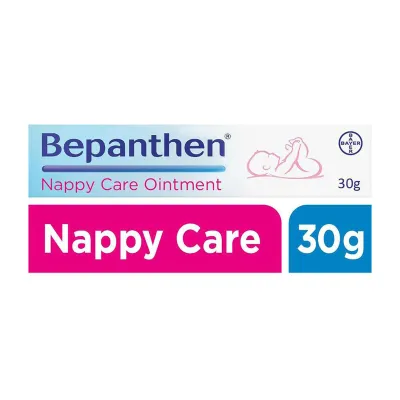
![[Bundle of 3] Desitin Daily Defense Diaper Rash Protection Cream Instantly Soothe Diaper Rash Discomfort 57g](https://img.lazcdn.com/g/p/b74ae21f7b47f8ec6b2c02dbfd829fc2.jpg_400x400q80.jpg_.webp)
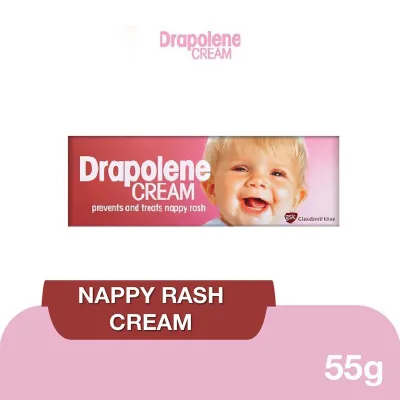
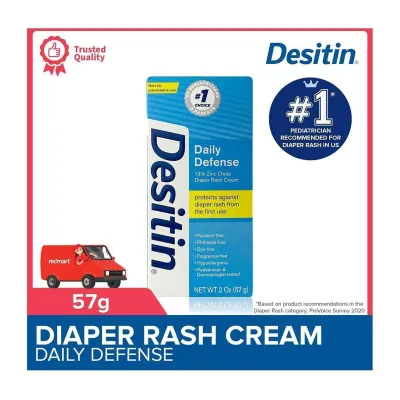
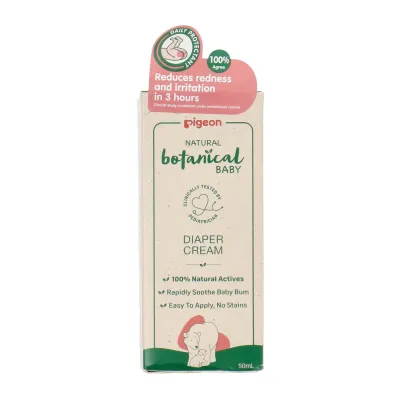
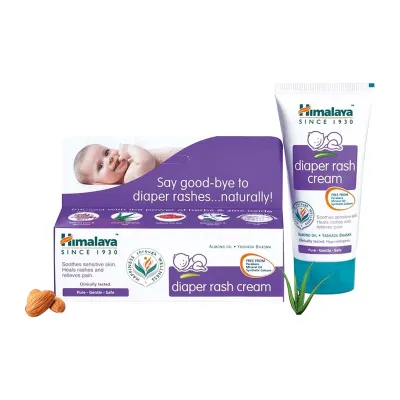
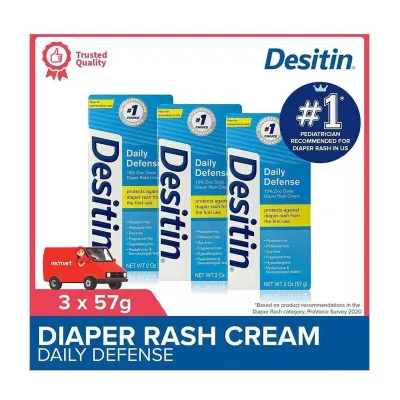
Prices are valid at publication and may change. Please refer to the product page for the latest price.
While both creams are excellent home care options, diaper rash can sometimes escalate. If your baby’s rash becomes severe, starts bleeding, develops blisters, oozes pus, or does not show signs of improvement after a few days of consistent home care, you should immediately stop using the creams and consult a pediatrician or medical professional.
Sudocrem vs Bepanthen: Key Differences at a Glance
Before exploring the science behind these two popular formulations, a quick side-by-side comparison can help you understand how they differ in daily use.

| Feature | Sudocrem (Antiseptic Healing Cream) | Bepanthen (Nappy Care Ointment) |
|---|---|---|
| Primary Active Ingredient | Zinc Oxide (typically 15.25%) | Dexpanthenol (Pro-vitamin B5, typically 5%) |
| Main Function | Creates a thick physical barrier; soothes active inflammation | Hydrates skin; supports natural barrier repair |
| Texture & Consistency | Thick, heavy, white chalky paste | Light, greasy, translucent ointment |
| Best Use Case | Treating active, red, and inflamed diaper rash | Daily prevention and maintaining healthy skin |
| Cleanup Ease | Harder to remove; requires gentle wiping or oil | Easier to wipe away during routine changes |
Please note that exact formulations, preservatives, and ingredient lists can vary by specific product variant and region. Parents in Singapore should always verify the label on the physical tube or tub purchased locally to ensure compatibility with their baby’s skin.
How They Work: Zinc Oxide vs. Dexpanthenol
To make an informed choice, it helps to understand the distinct active ingredients that power these two products. Each active ingredient interacts with your baby’s skin barrier in a fundamentally different way.
Sudocrem: The Zinc Oxide Barrier
Sudocrem relies heavily on zinc oxide as its primary active agent. Zinc oxide is a mineral compound that does not absorb into the skin; instead, it sits on the surface to form a physical, water-resistant shield. This shield repels external moisture, such as urine and feces, which are highly acidic and contain digestive enzymes that quickly break down delicate baby skin.
In addition to blocking moisture, zinc oxide has mild astringent properties, helping to dry out weeping skin and reduce localized inflammation. Sudocrem’s formulation also includes benzyl alcohol, which acts as a mild local anaesthetic to help soothe the discomfort and burning sensations associated with raw skin. It also contains lanolin, an emollient that helps soften the skin. However, because lanolin is derived from sheep’s wool, parents should check for any known wool or lanolin sensitivities before application.
Bepanthen: The Dexpanthenol Healer
Bepanthen operates on a different therapeutic principle by utilizing dexpanthenol, also known as pro-vitamin B5. Unlike zinc oxide, dexpanthenol is designed to penetrate the outer layers of the skin. Once absorbed, it converts into pantothenic acid, an essential component that actively supports the skin’s natural cellular regeneration and repair processes.
This mechanism focuses on strengthening the skin barrier from within rather than just placing a block on top of it. Dexpanthenol helps the skin retain its natural moisture, preventing the dryness and micro-cracks that make baby skin vulnerable to diaper rash in the first place. While Bepanthen’s ointment base does offer a light protective layer to repel moisture, its primary strength lies in hydration and cellular recovery, making it an excellent tool for keeping healthy skin intact.
Texture, Application, and Cleanup Experience
The practical, day-to-day experience of using these creams is where parents notice the most significant differences, especially when managing multiple diaper changes a day.
Sudocrem has a very thick, dense, and chalky paste-like consistency. Because of its heavy texture, it requires a bit of care to apply. Spreading it over raw, highly sensitive skin can cause friction discomfort for your baby, so the best method is to gently pat or dab the cream onto the affected areas rather than rubbing it in. This thickness also means it leaves a distinct white layer that does not easily wash off with water alone. During diaper changes, cleaning off residual Sudocrem can be challenging. Excessive rubbing to remove the old layer can further irritate the baby’s skin, so parents often need to use a gentle, oil-based wipe or a cotton pad dipped in baby oil to dissolve the barrier safely.
Bepanthen presents a very different tactile experience. It is a lighter, translucent, ointment-like cream that glides smoothly across the skin. It spreads incredibly easily with minimal pressure, which is highly beneficial when your baby is feeling fussy or sore. Because it is partially absorbed and leaves a much lighter, slightly greasy residue, cleaning it off during routine diaper changes is straightforward. A standard water-based wipe or a damp washcloth is usually sufficient to clean the area without dragging or pulling at the skin.
These textural differences often dictate how parents structure their diapering routine. For middle-of-the-night changes, when speed and minimal disruption are crucial, Bepanthen’s easy application and quick cleanup make it highly convenient. Conversely, if your baby is about to go down for a long night’s sleep and has a brewing rash, the effort of applying Sudocrem’s heavy, long-lasting barrier is often worth the extra protection it provides over several hours.
When to Use Which: Prevention vs. Active Rash
Understanding when to deploy each product can save your baby from unnecessary discomfort and help you manage your diapering budget effectively.
Daily Prevention
For everyday maintenance, Bepanthen is generally the more suitable option. In Singapore’s humid climate, trapping heavy moisture under a thick paste daily can sometimes backfire, leading to clogged pores or localized sweat rashes. Bepanthen’s breathable, hydrating formula supports the skin’s natural defense mechanisms without building up a heavy, stubborn layer over multiple consecutive diaper changes. Applying a thin layer of Bepanthen during your regular daytime diaper changes helps keep the skin supple, resilient, and ready to withstand the friction of movement.
Treating an Active Rash
When you notice the first signs of a true diaper rash—such as bright red patches, dry chafing, or small red bumps—it is time to switch to a dedicated barrier cream like Sudocrem. Once the skin barrier is compromised, daily hydrating creams are often insufficient to block out the highly irritating enzymes found in dirty diapers. Sudocrem’s dense zinc oxide barrier ensures that even if a diaper is wet or soiled for a brief period before you can change it, the underlying raw skin remains completely isolated from the acidic environment.
The “Sandwich” Method
Some parents attempt to combine the benefits of both products by applying Bepanthen first to heal the skin, followed by a layer of Sudocrem on top to act as a shield. While this “sandwich” method sounds logical, pediatricians and dermatologists generally caution against it. Layering products with different bases can cause them to pill, slide off, or worse, trap unwanted moisture and bacteria between the two layers. It is highly recommended to stick to one primary product per application based on the immediate state of your baby’s skin.
The Boundary of Home Care
It is vital to recognize that standard nappy creams have clear limitations. If your baby has developed a fungal infection, such as a yeast infection (Candida), or a secondary bacterial infection, neither Sudocrem nor Bepanthen will cure it. Fungal diaper rashes often present as a bright red, fiery rash with distinct outer borders and small “satellite” red spots spreading toward the thighs or abdomen. If you suspect a fungal or bacterial infection, standard barrier creams can actually trap the pathogens and worsen the condition. In these scenarios, stop using standard creams and consult a healthcare professional for an appropriate medicated treatment.
Safety, Allergies, and Skin Sensitivities
A baby’s skin is incredibly thin and highly permeable, meaning it can react quickly to potential allergens and irritants.
Before applying any new nappy cream to your baby’s diaper area, it is highly recommended to perform a patch test. Apply a tiny amount of the cream to a small, healthy patch of skin on your baby’s arm or leg and monitor the area for 24 hours. If any redness, swelling, or tiny bumps appear, do not use the product on the diaper area.
When evaluating potential allergens, Sudocrem contains several ingredients that parents of sensitive babies should keep in mind. It contains lanolin (specifically hypoallergenic lanolin, though it can still trigger reactions in babies with wool alcohol allergies), benzyl alcohol, and a mild lavender fragrance. While these ingredients contribute to its soothing and antiseptic properties, they can occasionally trigger contact dermatitis in highly sensitive infants or babies prone to severe eczema.
In contrast, Bepanthen Nappy Care Ointment is formulated with a minimal ingredient list designed to reduce the risk of allergic reactions. It is entirely free from added fragrances, colorants, and preservatives. This makes Bepanthen a very common starting choice for newborns and infants with highly reactive skin. However, parents must be careful to distinguish between Bepanthen Nappy Care Ointment and other Bepanthen variants, such as Bepanthen First Aid Cream or Bepanthen Moisturising Cream, as these other formulations contain different active ingredients, preservatives, and fragrances that are not suitable for the diaper area.
If you notice that your baby’s skin condition worsens, spreads, or if your baby cries and shows signs of immediate discomfort after you apply either cream, gently wash the product off with lukewarm water and a mild, soap-free cleanser. Discontinue use immediately and consult a pediatrician to identify the underlying cause.
Your Final Decision Framework
To help you decide which nappy cream to purchase and keep on your changing table, use this simple, practical decision framework based on your baby’s current needs.
- Choose Sudocrem if: Your baby is currently experiencing an active, red, inflamed, or raw diaper rash. You need a heavy-duty, long-lasting physical barrier to protect the skin during long stretches of sleep. Your baby does not have a known sensitivity to lanolin, benzyl alcohol, or mild fragrances. You do not mind spending a little extra time and effort gently cleaning off the thick residue during diaper changes.
- Choose Bepanthen if: You are looking for an everyday preventative cream to maintain skin hydration and health. Your baby's skin is currently healthy, or only showing very mild, occasional pinkness. You prefer a lightweight, translucent ointment that is easy to spread and quick to wipe off. Your baby has highly sensitive skin, eczema, or a suspected sensitivity to fragrances and preservatives.
- Verify first if: Your baby has any pre-existing skin conditions or allergies. Always check the exact ingredient list printed on the packaging available in Singapore pharmacies, as formulations can occasionally be updated by the manufacturer.
Ultimately, even the most effective nappy cream cannot replace good diaper hygiene. The foundation of preventing and treating diaper rash always relies on making frequent diaper changes, cleaning the area gently with alcohol-free and fragrance-free wipes or water, and allowing the skin to air-dry completely before applying any cream. In Singapore’s warm climate, giving your baby a few minutes of diaper-free time on a clean towel daily can do wonders for keeping their skin dry and healthy.
Frequently Asked Questions (FAQ)
Can I use Sudocrem and Bepanthen together?
Layering both creams is generally unnecessary and can be counterproductive. Mixing a thick zinc oxide barrier with a healing ointment may cause the products to pill, slide off, or fail to contact the skin properly. It can also trap excess moisture or bacteria between the layers, which worsens irritation. It is best to choose one cream that matches your baby’s current skin condition—Bepanthen for daily prevention or Sudocrem for treating an active rash.
How often should I apply nappy cream?
For daily prevention, apply a thin layer of a gentle cream like Bepanthen at every diaper change to maintain the skin’s moisture barrier. For treating an active rash, apply a thicker, visible layer of a barrier cream like Sudocrem after every diaper change to ensure continuous protection against moisture and waste. Always make sure the baby’s skin is clean and completely dry before applying any cream to avoid trapping moisture against the skin.

Community discussion
Share your experience or ask a question. Comments are reviewed before publication.