
Choosing the best stuffed toy storage for a nursery requires balancing immediate accessibility for your child with essential safety standards for an infant environment. The ideal solution depends on your nursery’s layout, the age of your child, and the size of your plush collection. While floor-level baskets encourage independence in toddlers, suspended nets or wall-mounted organizers keep items secure and out of reach for infants.
In compact nurseries, maximizing vertical space is often a priority, making wall-mounted or over-the-door options highly practical. However, every storage method introduces specific safety considerations, from tipping hazards to dust accumulation. By evaluating your space and your child’s developmental stage, you can select a system that keeps the nursery organized, hygienic, and safe.
Key Criteria for Choosing Nursery Toy Storage
When planning your nursery layout, the first step is to assess the physical footprint available for toy storage. Floor space is often limited, especially if the room must accommodate a crib, changing table, and nursing chair. If floor space is at a premium, look toward vertical surfaces, such as walls, corners, and the backs of doors, to keep floor areas clear for play.
Products mentioned in this guide
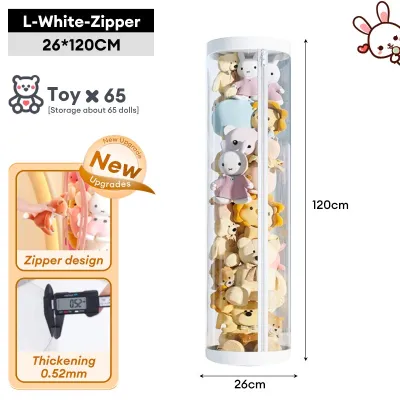
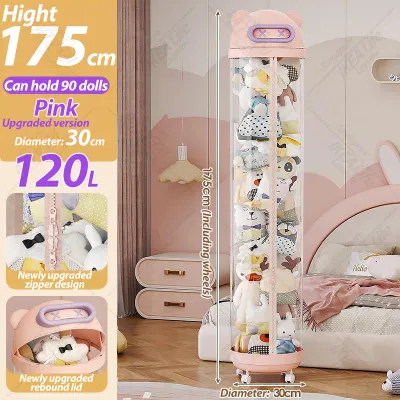
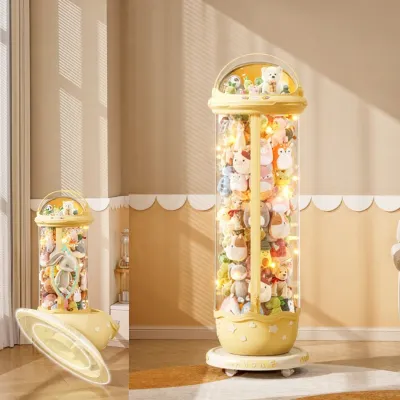
![Easyhome.sg [Clear & Large Capacity] Storage Bin with Wheels - Doll Plush Toy Organiser / Clothes Storage Basket](https://img.lazcdn.com/g/p/e9321ff70f9f4e5ae275e5f10b7f2657.png_400x400q80.png_.webp)
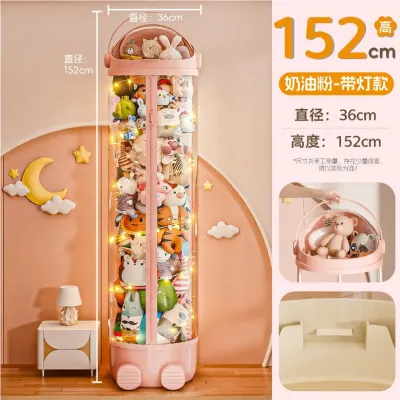
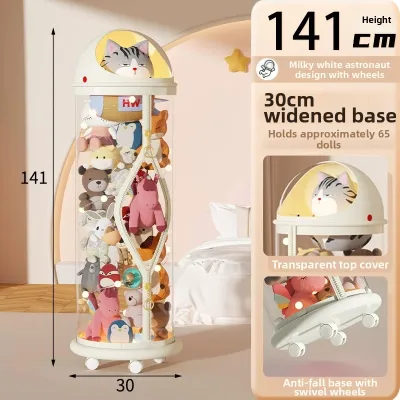
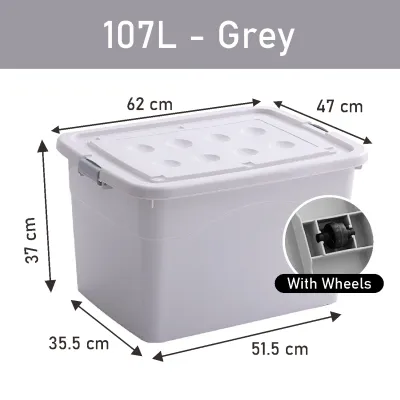
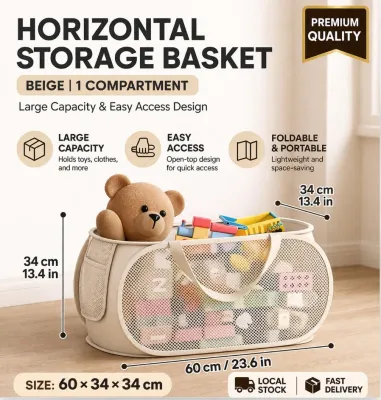
Prices are valid at publication and may change. Please refer to the product page for the latest price.
Accessibility is another critical factor that changes as your child grows. For infants, storage should keep toys completely out of reach to prevent accidental pulling or suffocation hazards. As your baby transitions into a toddler, however, low-level, open storage becomes beneficial, allowing them to choose toys independently and participate in cleanup routines.
Material safety must guide every storage purchase you make for a baby’s room. Opt for lightweight, breathable materials that do not pose a risk if a child pulls the container down. Avoid rough wicker that can splinter, heavy wooden lids that can trap fingers, or plastics that contain harmful chemical additives.
Ease of cleaning is highly important because plush toys are notorious for collecting dust, pet dander, and allergens. Storage solutions should be easy to wipe down, vacuum, or throw into the washing machine. Fabric bins with removable, washable liners or open wire baskets that do not trap dust are excellent options for maintaining a hygienic environment.
Finally, consider how the storage solution balances aesthetic appeal with long-term durability. While a delicate fabric basket might look beautiful in a newborn nursery, it must be sturdy enough to withstand being dragged, squished, and climbed on by an active toddler. Investing in durable, high-quality materials ensures the storage system grows with your child.
Types of Stuffed Toy Storage Solutions
Plush toy storage comes in several distinct formats, each designed to address different room layouts and collection sizes. Understanding these categories helps you match the right solution to your specific nursery needs. Whether you have a few sentimental teddy bears or a massive collection of stuffed animals, there is a format tailored to your space.

Matching the storage type to the size and quantity of your plush toys prevents overcrowding and maintains visual order. Large, bulky stuffed animals require deep, sturdy containers, while small plush keychains or pocket-sized toys are easily lost in deep bins and are better suited for pocket organizers.
Each storage category offers unique trade-offs regarding space efficiency and child interaction. Suspended options maximize floor space but limit independent play, while floor-level bins offer easy access but occupy valuable floor real estate. Evaluating these pros and cons helps you create a balanced storage plan.
Corner Hammocks and Nets
Suspended corner hammocks are a classic solution for utilizing unused vertical space in a nursery. By mounting a net high in a corner, you can display a large number of plush toys without taking up any floor space. This is particularly useful in small rooms where floor area must be reserved for active play.
Proper installation is vital to ensure the hammock remains secure under the weight of the toys. You must check your wall type—whether it is drywall, plaster, or concrete—and use the appropriate wall anchors and hooks. Never rely on adhesive hooks, as they can easily peel off the wall under tension, causing the net and toys to fall.
While hammocks are excellent for space-saving, they have clear limitations regarding weight capacity and child accessibility. They are designed strictly for lightweight plush items and should never be overloaded with heavy toys. Because they must be installed high out of reach, young children cannot retrieve or put away their toys independently, making this a parent-managed storage solution.
Open Bins and Soft Baskets
Open bins and soft fabric baskets are among the most popular choices for toddler-friendly nurseries. Their open-top design makes it incredibly easy for young children to toss toys inside during cleanup, fostering early habits of tidiness. Because they sit on the floor, they are fully accessible to children of all heights.
When selecting floor bins, prioritize soft materials such as cotton rope, felt, canvas, or woven fabrics. These materials are gentle on small hands and will not cause injury if a child bumps into them or attempts to climb inside. Fabric baskets are also lightweight, making them easy to move around the room as play areas shift.
Avoid rigid wooden chests or plastic bins with heavy, attached lids in an infant’s room. These designs pose significant safety risks, including finger pinching, head bumps, or even entrapment if a child climbs inside. If you choose a lidded bin, ensure the lid is completely removable, lightweight, and free of heavy hinges.
Stuffed Animal Cages and Pens
Stuffed animal cages, often constructed as tall wooden frames with elastic bungee cords, are specifically designed for high-volume plush collections. The elastic cords keep the toys securely contained while allowing children to easily pull a toy out from any level of the structure. This design keeps the entire collection visible, preventing toys from being forgotten at the bottom of a deep bin.
Because these structures are typically tall and narrow, they have a small floor footprint but a high center of gravity. It is absolutely essential to perform a stability check and secure the unit to the wall using furniture straps or anchors. This prevents the cage from tipping over if a child pulls on the cords or tries to climb the frame.
This storage type is highly suitable for moderate to large collections of medium-sized plush toys. However, it is less effective for very small toys, which can slip through the elastic cords, or exceptionally large, heavy plushies that may stretch the cords excessively. It works best as a dedicated display and storage unit for standard-sized stuffed animals.
Hanging Organizers and Over-the-Door Pockets
Hanging fabric organizers and over-the-door pocket systems are excellent space-saving solutions for compact nurseries. These organizers hang from a closet rod or over the back of a door, turning flat, unused surfaces into functional storage zones. They are particularly well-suited for organizing small to medium-sized plush toys.
Before installing an over-the-door organizer, check the clearance around your door frame to ensure the door can still close smoothly. It is also important to verify the weight capacity of both the hanging hooks and the door hinges. Overloading a door organizer with heavy items can strain the hinges and cause the door to sag or misalign over time.
The primary advantage of pocket organizers is visibility and organization. Clear mesh or plastic pockets allow your child to see every toy at a glance, making it easy to locate a specific companion without creating a mess. This setup also encourages children to return toys to their designated pockets, turning organization into a simple matching activity.
Safety and Maintenance Checks for Nursery Storage
Ensuring the safety of your nursery storage solutions requires regular inspection and proactive maintenance. Before introducing any storage unit to the room, check it thoroughly for potential hazards. Look for small, loose parts that could become choking hazards, sharp metal edges, exposed staples, or rough surfaces that could scratch delicate skin.
For any tall, heavy, or vertical storage units, wall anchoring is a non-negotiable safety step. Children often use furniture and storage bins as climbing aids, which can lead to dangerous tip-over accidents. Use high-quality furniture straps or L-brackets to secure these units firmly to the wall studs, and check the hardware periodically to ensure it remains tight.
Maintaining a clean storage environment is essential for your baby’s health. Dust and allergens accumulate quickly on plush toys and fabric containers, which can irritate sensitive respiratory systems. Always review the manufacturer’s cleaning instructions for both the storage units and the toys. Vacuum fabric bins regularly, wash removable liners, and ensure the storage area remains completely dry to prevent mold and mildew growth.
As your child grows and the storage units experience daily wear and tear, you must monitor them for structural integrity. Inspect hanging straps, bungee cords, and mounting hooks for signs of fraying, cracking, or loosening. If you notice any structural compromise, such as a sagging net, a cracked frame, or torn fabric, stop using the storage solution immediately to prevent accidents.
Strategies for Organizing and Rotating Plush Toys
Managing a large collection of stuffed toys can quickly become overwhelming without a clear organizational strategy. Implementing a toy rotation system is one of the most effective ways to keep clutter under control while keeping your child engaged. By limiting the number of toys available at any given time, you make the nursery feel more spacious and less chaotic.
Begin by categorizing your child’s plush toys into distinct groups. You can organize them by size, frequency of use, or sentimental value. Keep a small selection of daily favorites in accessible floor bins, while placing sentimental or delicate items on higher shelves out of reach. The remaining toys can be packed away for future rotation.
For out-of-rotation toys, utilize secondary storage areas such as closets, under-bed storage boxes, or sealed plastic tubs. This keeps the toys clean, dust-free, and out of sight until it is time to swap them. Rotating the toys every few weeks makes “old” toys feel brand new again, sparking renewed interest and creative play.
Involving your toddler in the organization process is a wonderful way to build positive habits and life skills. Make cleanup time an interactive game by asking them to help “tuck” their stuffed animals into their designated baskets or pockets. Using simple, visual cues or color-coded bins helps young children understand where each toy belongs, fostering a sense of ownership and responsibility for their space.
Frequently Asked Questions (FAQ)
How many stuffed toys should be kept in the nursery at one time?
It is generally best to limit the number of active stuffed toys in the nursery to between three and five favorite items. Keeping a small selection prevents sensory overload, reduces clutter, and makes daily cleanup much easier for both parents and children. Observe your child’s play patterns to see which toys they naturally gravitate toward, and rotate the others out of circulation. You can adjust this quantity based on your available storage capacity, ensuring that every active toy has a designated, easily accessible home.
Are toy hammocks safe for a baby's room?
Toy hammocks can be a safe storage solution, but they require strict installation and placement precautions to prevent hazards. They must be mounted high on the wall, completely out of reach of infants and toddlers, and never directly above a crib, changing table, or play area. Ensure the mounting hardware is securely anchored into wall studs or solid masonry rather than just drywall. Regularly inspect the hammock for sagging, wear, or loose hooks to ensure toys do not fall and pose a risk to your child.
What is the best way to clean plush toys stored in bins?
To keep stored plush toys hygienic, always check the individual manufacturer care labels before cleaning, as some may require hand washing while others are machine washable. For toys kept in open bins, perform regular dusting or vacuuming using a clean upholstery brush attachment to remove accumulated dust and allergens. If a toy is machine washable, place it in a mesh laundry bag, use a gentle cycle with baby-safe, fragrance-free detergent, and ensure it is completely dry before returning it to the storage bin to prevent mold and mildew.

Community discussion
Share your experience or ask a question. Comments are reviewed before publication.