
The transition from breast or bottle to a cup is a significant milestone in your baby’s development, but it is rarely a one-size-fits-all journey. The ideal sipper cup depends entirely on your baby’s current oral motor skills, physical coordination, and weaning stage. While spout cups offer a familiar transition from the bottle, straw cups build advanced suction, and 360 cups simulate open-cup drinking.
Matching the cup type to your baby’s developmental milestones ensures a smooth, safe, and frustration-free transition. By understanding how each design interacts with your child’s developing mouth and jaw, you can make an informed choice that supports healthy oral development and independent drinking habits.
Understanding Your Baby's Oral Motor Milestones
Before purchasing a sipper cup, it is helpful to observe your baby’s physical readiness. Most babies show signs of being ready to transition from a bottle or breast around six months of age. Key physical indicators include the ability to sit upright unassisted, good head and neck control, and the coordination to grasp objects and bring them directly to their mouth. If your baby is showing active interest in what you are drinking during family meals, they are likely ready to start practicing.
Products mentioned in this guide
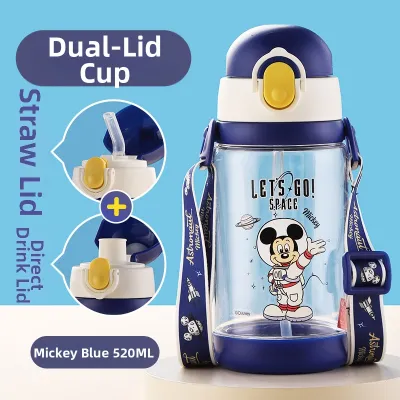
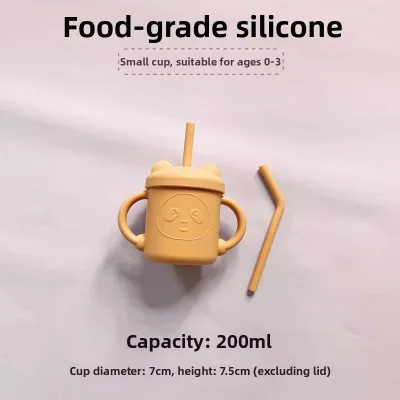
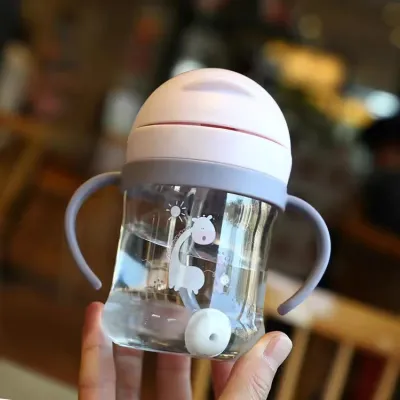
![[Made in USA] Re-Play Spill-proof Sippy Cup 10oz Kids-friendly](https://img.lazcdn.com/g/p/36bd77026948eeb41587c8e87ea4f5a4.jpg_400x400q80.jpg_.webp)
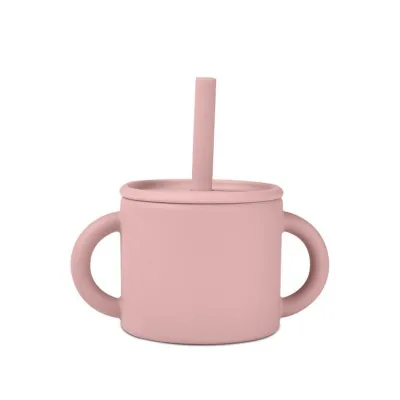

Prices are valid at publication and may change. Please refer to the product page for the latest price.
From a developmental perspective, drinking from a cup requires a completely different set of oral motor skills than drinking from a bottle or breast. Infants are born with a natural sucking reflex, which involves a forward-and-backward movement of the tongue, often referred to as suckling. Transitioning to a cup requires mature swallowing and sipping motions. This involves an up-and-down tongue movement, active lip sealing to prevent spills, and jaw stabilization to control the flow of liquid.
Every baby develops at their own pace, and some may take longer to adapt to these new oral movements. If your baby struggles significantly with liquid intake, coughs or gags frequently during attempts, or shows persistent distress when presented with a cup, it is best to pause the transition. In such cases, consult your pediatrician, a lactation consultant, or a pediatric feeding therapist to ensure there are no underlying oral motor challenges.
Spout Cups: The Early Weaning Transition
Spout cups are often the first step parents take when moving away from bottles. The design typically features a wide, flat, or rounded spout that fits easily into a baby’s mouth, mimicking the familiar shape of a bottle nipple. This familiarity can ease the initial transition, helping babies understand how to tilt their heads back to receive liquid. Many spout cups also come with dual handles, which are excellent for helping young infants build the hand-eye coordination needed to hold a cup independently.

While spout cups are highly convenient for early weaning, relying on them for too long can have drawbacks for oral and dental development. Because the spout rests on the tongue, continuous use past the early weaning stage can encourage a prolonged infant suckling reflex. This forward tongue position can potentially interfere with the natural alignment of emerging teeth and the development of mature swallowing patterns if the spout cup remains the primary drinking vessel for many months.
When shopping for a spout cup, always verify the product specifications and labels. Look for soft silicone spouts rather than hard plastic ones, as silicone is much gentler on sensitive, teething gums and offers better sensory feedback. Additionally, check the design of the spill-proof valve. Some valves require very strong suction to release liquid, which can frustrate a beginner; choosing a cup with a removable or adjustable valve allows you to control the flow rate as your baby’s skills progress.
Straw Cups: Advancing Suction and Coordination
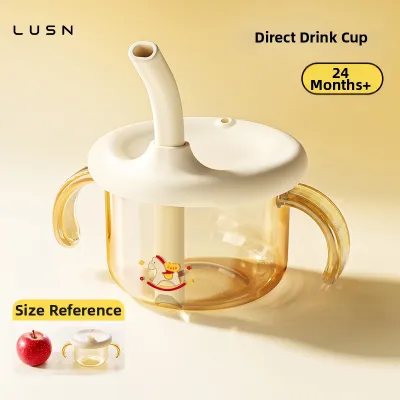
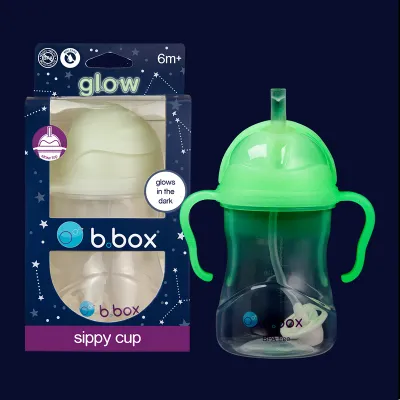
Straw cups are highly recommended by pediatric feeding specialists because of the beneficial oral motor habits they promote. Drinking through a straw requires a complex combination of lip, tongue, and jaw movements. Your baby must seal their lips tightly around the straw, retract their tongue slightly, and use their cheek muscles to create the negative pressure needed to draw liquid upward. This active muscle engagement builds excellent oral tone, which supports both healthy swallowing habits and future speech development.
Most babies develop the coordination required for straw drinking between six and nine months of age. You can look for signs of readiness, such as your baby attempting to sip from your own straw cups or showing advanced control over pureed foods. Because straw cups do not require the baby to tilt their head back to drink, they can be introduced alongside or even instead of spout cups during the early stages of weaning.
When selecting a straw cup, pay close attention to the straw design. Weighted straws are incredibly helpful for younger babies, as they feature a small weight at the bottom that keeps the straw submerged in liquid even when the cup is tilted or held upside down. You should also check for internal valve mechanisms within the straw. While these valves prevent leaks when the cup is dropped, ensure they do not restrict the flow so much that your baby has to strain excessively to get a drink.
360 Cups: Practicing the Open-Cup Drinking Motion
A 360-degree rim cup is designed to bridge the gap between sealed baby cups and standard open cups. These cups feature a circular rim that allows your child to drink from any side, exactly like an adult cup. The magic lies in a central silicone valve or membrane that seals the rim when not in use. When your child places their lips on the edge and applies gentle pressure, the seal opens slightly to let liquid flow, minimizing spills during the learning process.
Using a 360 cup requires a high level of lip and jaw coordination. Your child must learn to place their upper lip on the silicone top and their lower lip on the hard rim, tilting the cup while simultaneously applying suction to activate the valve. Because of this dual action, some younger babies may find the suction resistance frustrating. It is often best suited for older babies and toddlers who have already mastered basic sipping and have developed stronger lip muscles.
As your child practices with a 360 cup, you will observe clear signs of progress. Once they can tilt the cup independently, control the flow of liquid without spilling, and sip comfortably from any side of the rim, they are demonstrating the exact physical skills needed for an open cup. At this stage, you can begin introducing a true open cup during supervised mealtimes, reserving the 360 cup for active, on-the-go situations where spill control is still necessary.
Decision Framework: Which Sipper Cup Fits Your Baby Now?
To help you navigate the selection process, use this condition-based framework to match a cup type to your baby’s current developmental stage:
- Choose a Spout Cup if: Your baby is in the very early weaning stage (typically around six months), is transitioning directly from a bottle, and needs a familiar, easy-to-latch design to build confidence in holding a cup independently.
- Choose a Straw Cup if: Your baby is six months or older, has mastered basic swallowing, and you want to actively build their oral muscle tone, lip strength, and coordination without requiring them to tilt their head back.
- Choose a 360 Cup if: Your toddler is twelve months or older, has developed strong lip strength, is ready to practice the natural rim-drinking motion of an open cup, but still requires reliable spill protection for daily use.
Before making your final choice, always verify if your baby has any specific oral motor delays, a history of feeding difficulties, or unique physical needs. If your child has been diagnosed with conditions affecting their mouth or palate, or if you receive specific recommendations from a healthcare professional, prioritize those guidelines. In these situations, consulting a pediatric feeding specialist or speech-language pathologist is the best way to select a customized cup that supports their therapy goals.
When budgeting for your weaning supplies, keep in mind that high-quality sipper cups in Singapore typically range from S$10 to S$30 depending on the materials, valve technology, and included accessories. Investing in one or two versatile options that match your baby’s current stage is usually more effective than buying a large variety pack all at once.
Cleaning and Safety Checks for Sipper Cups
Maintaining strict hygiene is crucial when using any sipper cup, as the valves, straws, and silicone rims are notorious for trapping moisture and organic residue. To prevent mold and bacterial buildup, make it a daily habit to completely disassemble every single part of the cup after use. Remove the silicone valves, pull out the straws, and detach any removable handles or collar rings. Wash all components thoroughly with warm, soapy water, using specialized thin straw brushes to clean the hard-to-reach internal pathways, and allow everything to air dry completely before reassembling.
In addition to daily cleaning, perform regular visual and tactile checks on all cup components. Inspect silicone spouts and straws for signs of wear and tear, such as deep teeth marks, tears, or thinning material caused by constant chewing. Examine the plastic body of the cup for cracks, deep scratches where bacteria can hide, or degraded silicone edges that no longer form a tight seal.
If you notice any damage, stop using the cup or the affected component immediately. Torn silicone pieces can easily tear off completely during use, presenting a serious choking hazard for your baby. Deeply scratched plastic or mold-stained valves that cannot be thoroughly cleaned should be replaced right away to protect your child from bacterial exposure. Regularly replacing worn valves and straws will keep your sipper cups safe and functional for the long term.
Frequently Asked Questions (FAQ)
Can I put hot liquids or warm formula in a sipper cup?
Always check the manufacturer’s temperature limits on the product packaging before adding any warm liquids to a sipper cup. Sealed sipper cups, especially those equipped with straws or tight spill-proof valves, can build up internal pressure when filled with warm or hot liquids. This pressure can cause the liquid to spray out unexpectedly through the straw or spout, creating a mess or potentially causing burns. If you choose to serve warm formula or milk, ensure it is only lukewarm, and always vent the cup by opening and closing the lid to release any trapped air pressure before handing it to your baby.
How do I teach my baby to drink from a straw cup?
You can introduce your baby to a straw cup by using a standard open straw as a pipette. Dip the straw into breast milk, formula, or water, place your clean finger over the top opening to trap a small amount of liquid, and bring the bottom of the straw to your baby’s lips. Once they wrap their lips around it, release your finger so they get a taste of the liquid. This helps them connect the physical sensation of the straw with receiving a drink. Once they understand this concept, transition them to the straw cup and model the drinking behavior yourself. If your baby shows frustration or pushes the cup away, simply stop the session and try again a few weeks later.

Community discussion
Share your experience or ask a question. Comments are reviewed before publication.