
Choosing the right water bottle for your baby is a developmental milestone that supports their transition from breast or bottle feeding to independent drinking. Keeping your baby hydrated is especially important in warm, tropical climates like Singapore, making a reliable water bottle an essential daily accessory. Spout cups are typically introduced when a baby first learns to sip, offering a familiar shape that bridges the gap between a nipple and a hard rim. Straw cups suit babies who are developing coordinated swallowing and lip-seal strength, allowing them to drink without tilting their heads back. Meanwhile, 360-degree cups help transition to open cups by allowing liquid to flow from any edge when lip pressure is applied, mimicking the mechanics of a standard cup while minimizing messes.
The ideal choice for your household depends on your baby’s specific developmental milestones, your need for spill resistance during daily activities, and the manufacturer’s age and safety guidelines. Because every child develops at their own pace, observing your baby’s motor skills and oral coordination is far more reliable than relying solely on the age range printed on the packaging. By understanding how each cup design interacts with your baby’s oral development, you can make an informed decision that supports their growth and keeps them comfortably hydrated.
Comparing Spout, Straw, and 360-Degree Cup Designs
Selecting a baby water bottle requires looking closely at how different designs deliver liquid and the physical demands they place on your child. Each cup type utilizes a distinct mechanism to control flow, which directly influences how your baby uses their lips, tongue, and jaw. While manufacturers provide general age recommendations, these are guidelines rather than strict rules, making it essential to match the cup’s design to your baby’s current physical capabilities.
Products mentioned in this guide
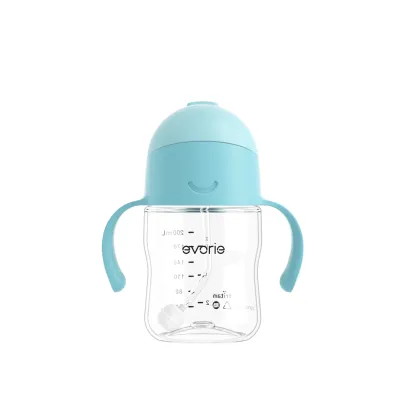
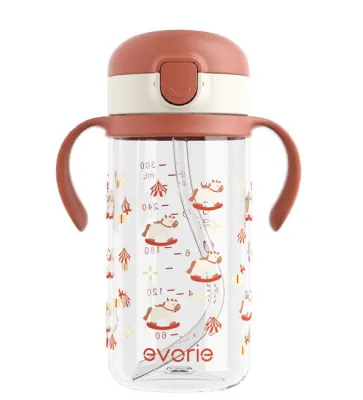
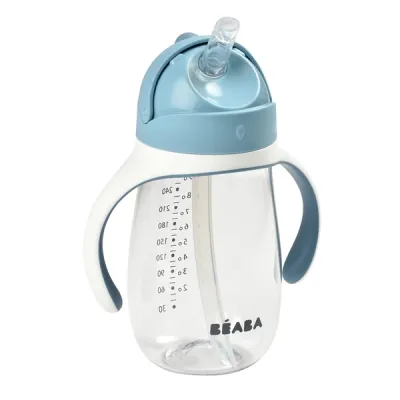
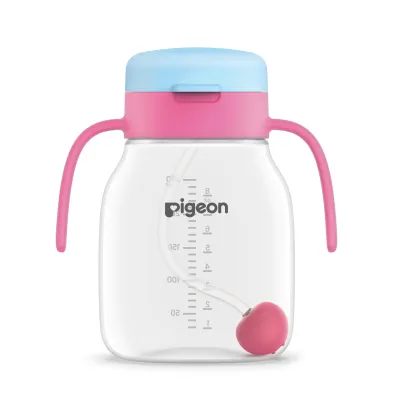
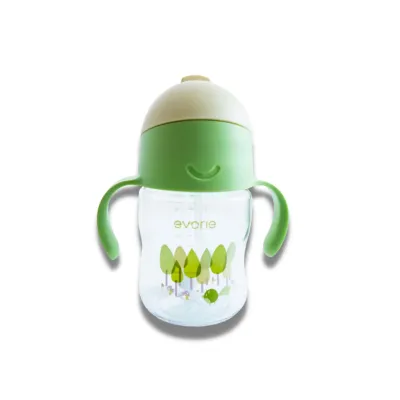
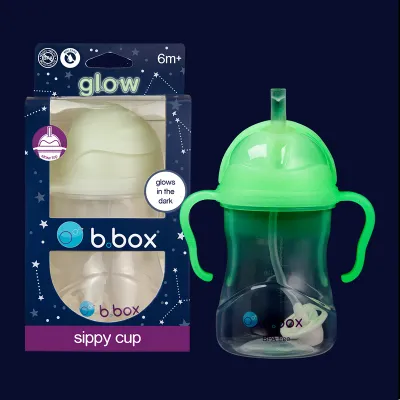
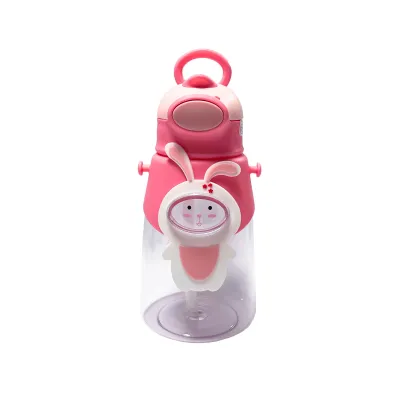
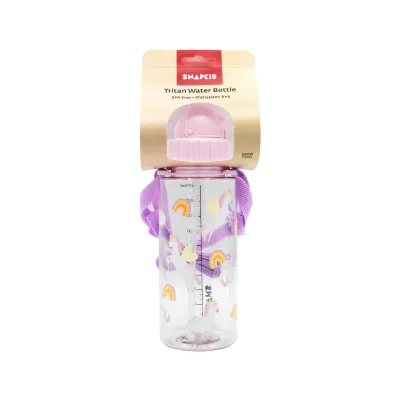
Prices are valid at publication and may change. Please refer to the product page for the latest price.
Spout Cups for Early Sipping
Spout cups feature a raised, protruding mouthpiece made of either soft silicone or rigid plastic, designed to fit easily into a baby’s mouth. The soft silicone spouts mimic the familiar texture of a bottle nipple, making them a common starting point for infants transitioning to solid foods and water. These cups typically require a basic grasping action, and the baby must learn to tilt the cup upward to get the liquid to flow toward the spout.
When evaluating spout cups, it is crucial to check the manufacturer’s product labels to ensure the materials are BPA-free and suitable for your baby’s specific age group. Hard plastic spouts are more durable against emerging teeth, but soft spouts are often gentler on sensitive gums. Caregivers should monitor how the baby interacts with the spout, ensuring they do not chew on it excessively, which can damage the material and create safety hazards.
Straw Cups for Coordinated Drinking
Straw cups utilize a built-in straw mechanism that requires a baby to draw liquid upward using active suction rather than tilting the cup. This design encourages excellent oral motor development, as it forces the baby to use their lips to seal around the straw and coordinates their breathing, sucking, and swallowing reflexes. Many modern straw cups feature weighted straws at the bottom, allowing the baby to drink from any angle, whether they are sitting upright or slightly reclined.
To prevent leaks, many straw cups incorporate internal spill-proof valves that only open when the baby applies suction. While these valves are highly effective at preventing messy spills in your living room or diaper bag, they also require more suction effort from the baby. Additionally, the narrow, hollow structure of straws means they require dedicated cleaning tools and extra attention during washing to prevent residue buildup.
360-Degree Cups for Open-Cup Transition
The 360-degree cup features a unique, circular valve system that seals the entire rim of the cup until the baby applies lip pressure. When the baby presses their lips against any part of the rim and sips, the silicone valve releases a controlled flow of liquid, mimicking the exact drinking motion used with a standard open cup. This design is highly praised by pediatric professionals because it supports natural tongue positioning and lip-seal development without the use of a protruding spout or straw.
While 360-degree cups offer excellent spill resistance when dropped or tipped over, they do require a specific learning curve. Your baby must understand that they need to suck or press their lips against the edge to release the water, which can initially cause frustration. Furthermore, because there is no physical barrier like a straw, very vigorous shaking can sometimes cause minor splattering from the valve.
Key Factors to Evaluate Before Buying
When choosing a baby water bottle, several practical, developmental, and maintenance factors must be weighed against each other to find the best fit for your family.

First, prioritize developmental readiness over chronological age. Observe your baby’s physical milestones: can they sit independently, hold objects with both hands, and bring a cup to their mouth accurately? If your baby has not yet mastered the hand-eye coordination to tilt a cup, a weighted straw cup might be easier for them than a spout cup, which requires a tipping motion to access the liquid.
Second, balance spill-proof performance with the ease of drinking. Highly effective leak-proof valves are incredibly convenient for travel and keeping your home clean, but they can make drinking physically exhausting for a young baby. If you notice your baby sucking hard but getting very little water, or if they quickly lose interest and push the cup away, the valve’s resistance may be too high. In such cases, look for cups with adjustable flow rates or removable valves that allow you to customize the flow as your baby’s suction strength develops.
Third, consider the cleaning and maintenance requirements of each design. Baby cups are prone to trapping moisture and organic matter, creating prime conditions for mold growth if they are not thoroughly cleaned and dried. Cups with multiple small parts, intricate valves, or long, narrow straws require complete disassembly and specialized cleaning brushes. Before purchasing, check the manufacturer’s instructions to see if the cup is dishwasher-safe and how easily the individual components can be separated for hand washing.
Finally, keep oral development in mind. Prolonged, continuous sucking on spouts or valves can potentially impact the alignment of emerging teeth and the development of oral muscles. It is highly recommended to plan a check-in with a pediatric dentist or pediatrician to discuss your baby’s cup usage, especially if you plan to use spout or straw cups for an extended period. They can provide personalized guidance on when to transition to a standard open cup based on your child’s unique oral structure.
How to Choose: A Conditional Decision Framework
To simplify your decision, you can use a conditional framework based on your baby’s current physical behaviors and your primary parenting priorities.
Choose a spout cup if your baby is just starting to transition from a bottle, prefers a familiar nipple-like texture, and is actively learning how to tilt objects to drink. This option is excellent for early weaning stages when you want to introduce water alongside solid foods without overwhelming your baby with entirely new drinking mechanics. Ensure you select a model with easy-grip handles that fit comfortably in your baby’s small hands.
Choose a straw cup if your baby can sit upright independently, has already mastered basic suction skills, and you require a highly spill-resistant option for stroller rides, car trips, or outdoor play. Weighted straw cups are particularly useful during this stage because they allow your baby to drink successfully even if they hold the cup upside down or at an awkward angle.
Choose a 360-degree cup if your baby has developed basic cup-holding skills and you want to prepare them for open-cup drinking without the constant mess of spills. This cup is ideal for meal times at the high chair, allowing your baby to practice natural lip movements and tongue placement while keeping your floors dry.
Verify first if your baby shows signs of frustration, gagging, or outright refusal when presented with a new cup. These behaviors often indicate that the flow rate is too fast, the suction required is too high, or the mouthpiece shape is uncomfortable for them. If this occurs, do not force the transition; instead, try removing the spill-proof valve to make drinking easier, switch to a softer spout material, or temporarily revert to a previous cup style before trying again a few weeks later.
When to Transition to the Next Cup Stage
Knowing when to move your baby to the next cup stage requires careful observation of their changing habits and physical abilities.
Look for observable cues that indicate your baby has outgrown their current cup. If your baby is constantly chewing on a soft silicone spout or straw rather than drinking from it, they may be seeking more oral stimulation or teething relief, suggesting it is time for a firmer mouthpiece or a different cup style. Similarly, if they have completely mastered their current cup and can drink from it effortlessly without any spills, they are likely ready for the developmental challenge of a 360-degree cup or a small open cup.
Always consult the manufacturer’s guidelines printed on the product packaging for age, weight, and developmental limits. These guidelines are designed to ensure the physical safety of the cup’s components, such as preventing older babies with teeth from biting off and swallowing pieces of soft silicone.
If you notice that your baby is struggling to transition away from a bottle, relies heavily on a specific valve to drink, or shows signs of delayed oral motor skills, seek professional advice. A pediatrician, speech therapist, or pediatric dentist can evaluate your baby’s swallowing mechanics and provide tailored strategies to help them transition safely and confidently to the next stage of independent drinking.
Frequently Asked Questions (FAQ)
When should a baby stop using a spout or straw cup entirely? (FAQ)
Most pediatric health professionals recommend transitioning babies away from spout and straw cups toward standard open cups by around 12 to 24 months of age. Introducing a small, open cup during supervised mealtimes is an excellent way to build this skill gradually. You can start by putting just a tiny splash of water in a small, durable plastic or silicone open cup and helping your baby guide it to their mouth. If your child is significantly delayed in making this transition, or if they refuse to drink from anything other than a specific spout cup past two years of age, consult a pediatric professional for personalized guidance.
How do I properly clean and maintain baby water bottles to prevent mold? (FAQ)
To prevent mold and bacteria buildup, completely disassemble all parts of the cup—including valves, straws, collars, and silicone seals—after every single use, as directed by the manufacturer’s instructions. Use specialized cleaning tools, such as thin pipe cleaners or small straw brushes, to scrub the inside of narrow straws and valve crevices with warm, soapy water. Allow all components to air dry completely in a well-ventilated area before reassembling the cup for storage. Regularly inspect all silicone and plastic parts for discoloration, wear, or damage, and replace them immediately if you detect any signs of deterioration.

Community discussion
Share your experience or ask a question. Comments are reviewed before publication.