
Choosing the right cup for your toddler is not just about preventing spills; it is a developmental milestone that supports their transition from bottle or breast to independent drinking. The three primary designs—spout cups, straw cups, and 360-degree cups—each serve distinct developmental purposes, targeting different oral motor skills and physical coordination levels. While manufacturer age labels offer a general guideline, your child’s individual readiness, physical milestones, swallowing mechanics, and grip strength are the most reliable indicators of which cup will work best. Observing how your toddler handles liquids and coordinates their hands will help you select a design that encourages natural oral development without causing frustration.
How to Match Sippy Cup Types to Your Toddler's Developmental Stage
To choose the most appropriate cup, it helps to understand how each design interacts with your toddler’s growing physical abilities. Every cup type demands a unique combination of lip, tongue, and jaw movements. Matching the cup to your child’s current stage ensures a smoother transition and supports healthy oral development.
Spout Cups: Early Transition and Basic Suction
Spout cups are often the first step in a child’s weaning journey because they closely mimic the familiar mechanics of bottle or breast feeding. These cups typically feature a raised, semi-rigid or soft silicone spout that fits easily into a young toddler’s mouth. To draw liquid, your child must employ basic suction while tilting the cup upward, which helps them practice the fundamental hand-eye coordination required for self-feeding.
Products mentioned in this guide
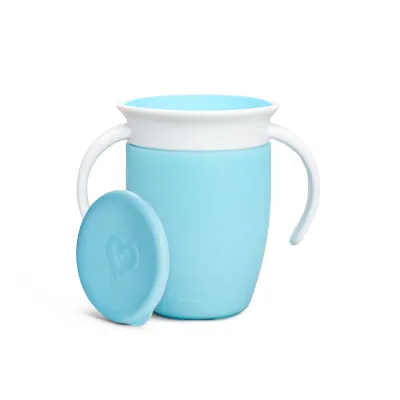
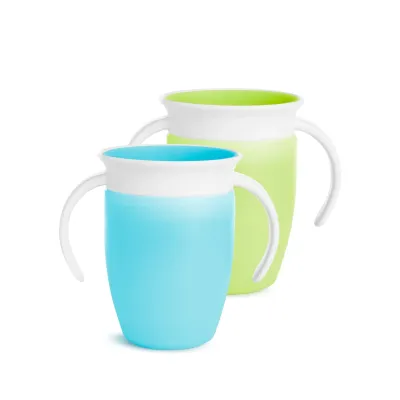
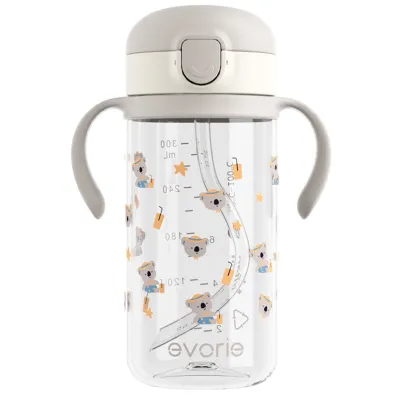
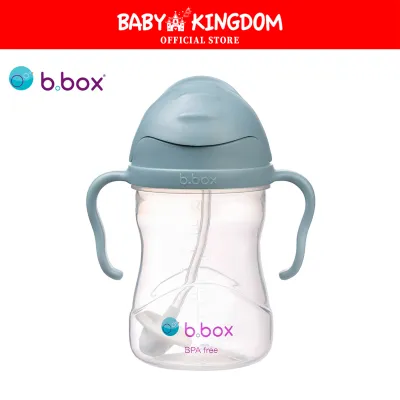
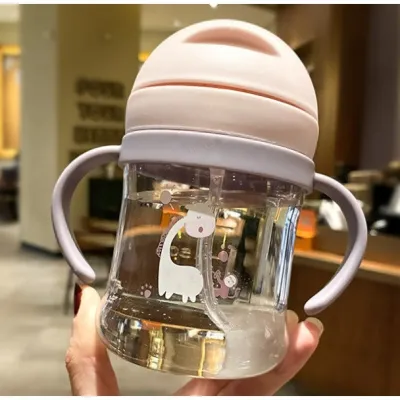
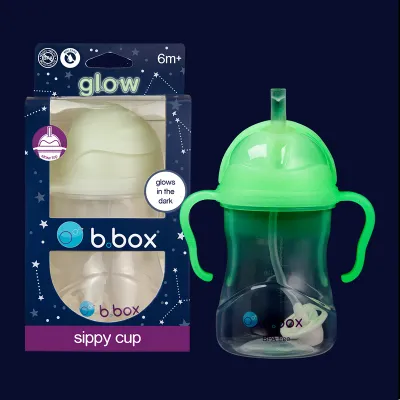
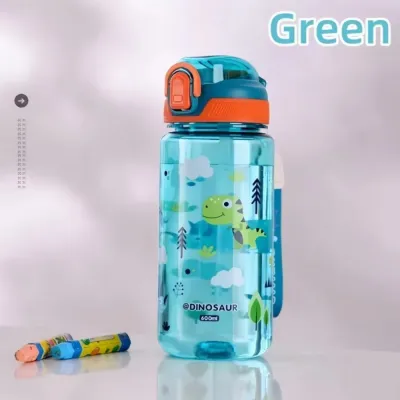
Prices are valid at publication and may change. Please refer to the product page for the latest price.
This design is highly suitable for early toddlers who are just learning to hold a cup with both hands. The physical act of lifting and tilting requires bilateral coordination, which is a key motor milestone in early childhood. When introducing a spout cup, look for models with sturdy, easy-to-grip handles that accommodate small hands.
Before committing to this style, it is essential to cross-reference manufacturer age recommendations with your child’s actual physical readiness. Observe your toddler during their first few attempts; they should be able to swallow the liquid smoothly without excessive drooling, coughing, or gagging. If you notice frequent sputtering, the flow rate may be too fast, or their swallowing coordination may still be developing, indicating they might need more time before transitioning.
Straw Cups: Advanced Oral Motor Skills
Straw cups represent a significant step forward in oral motor development, requiring a completely different set of muscle movements than a traditional spout. Instead of relying on a simple tilting motion, using a straw demands advanced lip sealing, cheek muscle coordination, and tongue retraction. Your toddler must learn to seal their lips tightly around the straw while pulling the tongue back to draw liquid upward against gravity.
This type of cup is generally appropriate once your toddler can sit independently and has developed the cognitive ability to understand that sucking on a tube draws liquid. Because straw drinking does not require tilting the head back, it allows your child to maintain a neutral, upright head position, which is often recommended by pediatric feeding specialists for safer swallowing.
When selecting a straw cup, pay close attention to the valve design. Many toddler cups feature spill-resistant valves inside the straw that require the child to bite down slightly while sucking. Verify that the straw’s flow rate and resistance match your child’s suction strength and swallowing pace. If the valve is too stiff, your toddler may become frustrated; if it is too free-flowing, they may swallow too quickly, leading to coughing.
360-Degree Cups: Spill Prevention and Rim Drinking
The 360-degree cup is designed to bridge the gap between transitional sippy cups and standard open cups. These cups feature a flat lid with a circular silicone valve that seals the entire rim. To drink, your toddler places their lips anywhere along the edge and applies gentle pressure or a light sucking motion, which breaks the seal and allows liquid to flow.
This design is highly beneficial because it encourages the exact oral motor patterns and jaw positioning used when drinking from a standard open cup. It helps toddlers learn how to rest their lower lip on the rim and control the tilt of the cup without the risk of a massive spill.
Before introducing a 360-degree cup, observe whether your child has the jaw strength and coordination to activate the silicone valve consistently. Some toddlers find the biting-and-sipping action counterintuitive at first and may become frustrated if liquid does not flow immediately. Watching how they interact with the rim will tell you if they are ready for this advanced stage of drinking coordination.
Comparing Spill Resistance, Cleaning, and Daily Usability
When evaluating sippy cups for daily use, spill resistance is often a primary concern for parents. Spout cups with built-in silicone valves generally offer excellent leak protection, even when dropped from a high chair or tossed onto the floor. However, if the spout is made of soft silicone, active chewers can eventually puncture the material, leading to slow leaks over time.

Straw cups vary widely in their spill-proof capabilities. Models with weighted straws and cross-cut valves are highly effective at preventing leaks when tipped upside down or dropped. However, temperature changes or carbonated liquids can sometimes cause pressure to build up inside the cup, forcing liquid up through the straw and creating a small puddle.
The 360-degree cup provides outstanding spill prevention during drops and tips, as the silicone valve instantly reseals when pressure is released. However, a hard impact—such as being thrown forcefully onto a hard tile floor—can momentarily break the seal, resulting in a brief splatter of liquid.
Hygiene is another critical factor, as milk and juice residues can quickly become breeding grounds for bacteria and mold. Spout cups are relatively straightforward to clean, especially if they feature a simple, removable one-piece valve. However, you must carefully inspect the underside of the spout where moisture can easily trap.
Straw cups are notoriously complex to clean due to their multiple narrow parts. They often require specialized, ultra-thin straw brushes to scrub the interior of the tube. The tiny crevices in weighted straw mechanisms and anti-colic valves are particularly prone to mold accumulation if not thoroughly flushed and dried after every use.
The 360-degree cup typically consists of three main parts: the cup, the collar, and the silicone valve insert. While there are no narrow straws to scrub, you must regularly separate the silicone valve from the plastic collar, as moisture and liquid residue can easily get trapped in the circular groove where the two pieces meet. Always check the manufacturer’s instructions regarding dishwasher safety and temperature limits to prevent warping.
For daily outings, portability and handling play a major role in how practical a cup is. Lightweight plastic or stainless steel models are easier for small hands to lift, but stainless steel may add extra weight when filled. Look for textured surfaces, contoured shapes, or removable handles that help your toddler maintain a secure grip.
When packing a diaper bag, consider whether the cup features a protective cap or a flip-top lid. Straw cups with sliding covers are highly convenient for travel, as they keep the straw clean and prevent accidental valve activation. Spout cups often come with snap-on caps, which can easily be misplaced, while 360-degree cups may require a separate travel lid to keep the drinking rim hygienic during transport.
Decision Framework: Which Sippy Cup Should You Choose?
To simplify your decision, you can use a clear, conditional framework based on your toddler’s current developmental stage and your household priorities.
- Choose a spout cup if your toddler is in the very early stages of transitioning away from a bottle (typically around six to nine months) and needs a familiar, low-effort sucking motion to build confidence. This is ideal for teaching the basic concept of holding and tilting a cup.
- Choose a straw cup if your child has mastered basic cup holding and you want to actively encourage advanced oral muscle coordination, lip sealing, and independent upright drinking. This option is excellent for active toddlers who prefer drinking while sitting upright or on the go.
- Choose a 360-degree cup if spill prevention is your absolute top priority and your toddler is showing readiness to practice the physical mechanics of open-cup rim drinking. This design is perfect for older toddlers who are preparing for the transition to standard glassware.
While these guidelines apply to typical developmental paths, every child is unique. If your toddler experiences specific oral motor delays, dental concerns, or swallowing difficulties, it is crucial to consult a pediatric professional, such as a speech-language pathologist or a pediatric dentist, before selecting a cup. They can provide personalized recommendations tailored to your child’s specific physiological needs.
Safe Cleaning Practices and Transitioning to an Open Cup
Maintaining strict hygiene is vital for your child’s health. You should completely disassemble all valves, straws, lids, and collars daily. Wash each component thoroughly in warm, soapy water, using specialized brushes for narrow passages. Strictly follow the manufacturer’s guidelines regarding sterilization, boiling, or top-rack dishwasher use, as excessive heat can degrade silicone seals and cause plastic parts to warp, compromising the cup’s leak-proof integrity.
It is also important to monitor how your child uses their sippy cup. Avoid letting your toddler walk or run around with a cup in their mouth, as this poses a safety hazard if they trip. Additionally, try to limit prolonged liquid pooling in the mouth—especially with milk or juice—by offering the cup primarily during designated meal or snack times rather than allowing them to carry it around as a constant comfort object.
Ultimately, sippy cups are temporary training tools rather than permanent fixtures. You should begin transitioning your toddler to a standard open cup when they can reliably control their hand movements, tilt a cup without excessive spilling, and show a reduced reliance on the sucking or biting mechanisms of training cups. Introducing small, open cups with weighted bases during supervised family meals is an excellent way to build this lifelong skill.
Frequently Asked Questions (FAQ)
Can my toddler sleep with a sippy cup?
It is highly recommended to avoid letting your toddler go to sleep with a sippy cup in their crib or bed. Allowing a child to fall asleep while sucking on a cup can lead to liquid pooling around their teeth for extended periods. If the cup contains milk, formula, or juice, the natural sugars can contribute to rapid tooth decay, often referred to as early childhood caries. If your child requires a cup at night for comfort, consult a pediatric dentist for guidance, and limit the cup’s contents strictly to plain water to protect their developing teeth.
How do I clean the inside of a toddler straw cup effectively?
To clean a toddler straw cup thoroughly, always disassemble the straw and valve components immediately after use to prevent liquid from drying inside. Flush warm, soapy water directly through the straw. Use a specialized, narrow straw brush to gently scrub the entire length of the tube, paying close attention to any built-in valves or joints. Before reassembling the cup, inspect all parts for visible mold, discoloration, or signs of wear and tear. Allow all components to air dry completely in a well-ventilated area to prevent mold from reforming.

Community discussion
Share your experience or ask a question. Comments are reviewed before publication.