
Choosing the right kids cup for weaning depends on your child’s developmental stage, your daily routine, and the specific skills you want to encourage. There is no single cup that fits every scenario, but a condition-based approach can help you make the right choice.
For supervised, seated meals at home, an open cup is excellent for encouraging mature swallowing patterns. When you are on the go or need a spill-resistant option, a straw cup offers a practical solution that still supports healthy oral motor development. Spout cups can serve as a brief transitional tool, but they are generally not recommended for long-term use. Before purchasing any training cup, always verify the manufacturer’s age, weight, and developmental guidelines printed on the product packaging to ensure it matches your child’s current stage.
The Weaning Transition: What to Look for in a Kids Cup
Transitioning away from the bottle is a major milestone that involves much more than simply changing how your child receives liquids. This process plays a vital role in oral motor skill development. While bottles require a simple sucking motion, using a cup encourages your child to develop mature swallowing patterns, which involve different tongue, lip, and jaw movements.
Products mentioned in this guide
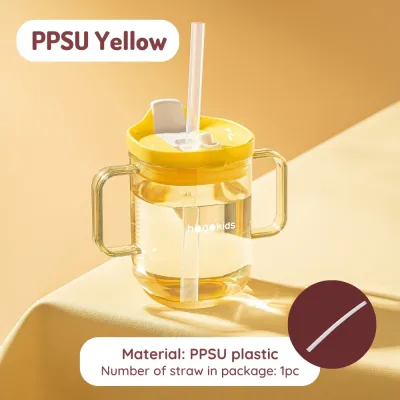
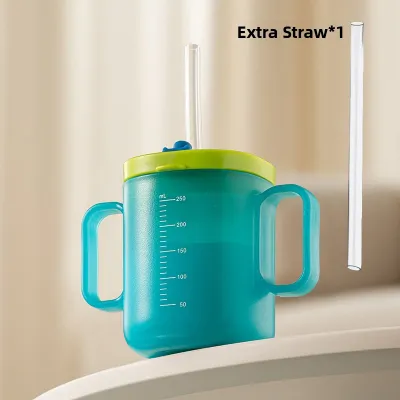


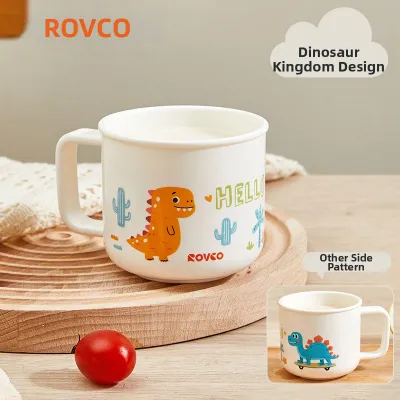
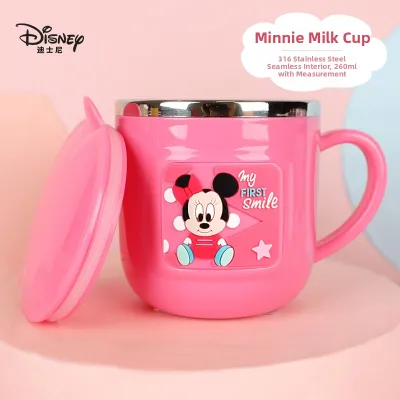
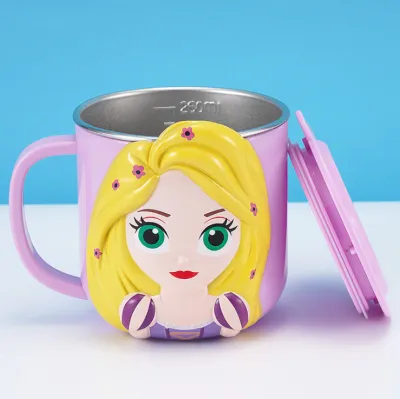
![Zebra Stainless Steel 250ml Kiddy Cup With Lid [Diameter: 7cm] / Heat Insulated Mug Safe for Children / Hot Cold Water Drink](https://img.lazcdn.com/g/p/bd759d12133d1b4f66d0fc24fabcee6e.png_400x400q80.png_.webp)
Prices are valid at publication and may change. Please refer to the product page for the latest price.
When evaluating different options, parents must balance convenience with skill-building. Spill-prevention features are incredibly helpful for keeping your home clean, but cups that require excessive suction can sometimes hinder the development of independent drinking skills. The ideal training cup should allow your child to control the flow of liquid gradually without relying on the same sucking habits used for bottles.
Hygiene is another critical factor to consider during the weaning phase. Look for cups with simple designs that allow for easy disassembly. Complex valve systems and narrow pathways can easily trap moisture, leading to mold buildup if not cleaned thoroughly.
Safety standards and material composition should always be verified on the product label. Look for food-safe materials, such as food-grade silicone, BPA-free plastics, or stainless steel. Checking these labels ensures that the materials are durable, easy to sterilize, and free from harmful chemicals before they ever come into contact with your child.
Straw Cups: Functionality and Weaning Suitability
Straw cups are highly favored by pediatric feeding specialists because of the specific oral mechanics they require. Unlike bottles, which encourage the tongue to thrust forward, drinking from a straw requires active lip sealing and forces the tongue to retract. This backward tongue movement is a key component of mature swallowing and helps build strength in the lips, cheeks, and jaw.

In terms of daily practicality, straw cups offer excellent spill resistance. Many modern designs feature weighted straws that move with the liquid, allowing your child to drink from various angles without leaking. This makes them highly versatile for use in strollers, car seats, or during active playtimes outside the home.
However, the convenience of a straw cup comes with a trade-off in cleaning effort. The narrow tubes of straws can easily harbor residue from milk or smoothies. To maintain proper hygiene, you will need to use specialized, ultra-thin straw brushes to clear out these tight spaces. It is also wise to inspect the straw regularly for any signs of wear or tearing, especially if your child tends to bite down on the material.
To determine if your child is ready for a straw cup, look for specific physical readiness cues. Your child should be able to sit upright unassisted in a high chair, show good head control, and demonstrate the ability to grasp and bring objects to their mouth. Many children can begin practicing with a straw cup around six months of age, though it may take some time and patience for them to master the coordination required for suction.
Spout Cups: Functionality and Weaning Suitability
Spout cups, often referred to as sippy cups, have long been a traditional choice for parents transitioning away from bottles. The drinking mechanics of a spout cup are quite similar to bottle feeding, as the child typically tilts their head back and uses their tongue to press against the spout to release liquid. While this makes the initial transition easy for the child, it does not actively encourage the development of new oral motor skills.
There is a significant difference between valve-controlled spouts and free-flow spouts. Valve-controlled cups are highly spill-proof, but they require the child to suck hard to release the liquid, which can reinforce prolonged baby-style sucking patterns. Free-flow spouts allow liquid to trickle out easily without a valve, which helps teach the child that tilting the cup results in liquid flow, though this design is much more prone to spills.
Many pediatric feeding specialists recommend limiting the use of spout cups or skipping them entirely. Prolonged use of hard, valved spouts can keep the tongue resting forward in the mouth, potentially delaying the transition to mature swallowing. If you do choose to use a spout cup, it is best treated as a temporary stepping stone rather than a long-term drinking solution.
Recognizing when to move away from a spout cup is important for your child’s progress. If you notice your child constantly biting the spout, struggling to control the flow of liquid, or showing interest in your own cups, it is likely time to transition them to a straw or an open cup. Keeping the spout cup phase brief helps prevent habits that might make the next transition more difficult.
Open Cups: Functionality and Weaning Suitability
Introducing an open cup early in the weaning process offers substantial developmental benefits. Drinking from an open rim forces your child to raise their tongue tip, seal their lips around the edge, and coordinate their breathing with swallowing. This practice builds the foundational muscle control needed for both clear speech development and efficient eating habits.
Of course, the primary challenge of an open cup is the high risk of spills. Because there are no valves or lids to restrict the liquid, a single tipped cup can result in a significant mess. For this reason, close caregiver supervision is absolutely necessary whenever an open cup is in use to help guide the cup to the child’s mouth and prevent sudden spills.
To minimize messes, it is best to introduce open cups during structured, seated meals at the dining table. Placing your child securely in their high chair provides a stable base, allowing them to focus entirely on holding and tilting the cup. Start by putting only a very small amount of water—just a sip or two—at the bottom of the cup to keep spills manageable.
When selecting an open cup, look for designs specifically tailored for tiny hands. Small, lightweight cups made of soft silicone are ideal because they are gentle on developing teeth and gums. A weighted base can help prevent the cup from tipping over easily on the table, while dual handles make it much easier for your child to practice their gripping and tilting techniques.
Side-by-Side Comparison: Straw vs Spout vs Open Cups
To help you decide which cup fits your current needs, it is helpful to compare their features side-by-side. Each design serves a different purpose in your child’s daily routine.
| Cup Type | Oral Motor Benefits | Spill Resistance | Cleaning Effort | Supervision Level |
|---|---|---|---|---|
| Straw Cup | High (promotes lip seal and tongue retraction) | High (often features leak-proof valves) | Moderate to High (requires specialized straw brushes) | Moderate (great for independent drinking on the go) |
| Spout Cup | Low (mimics bottle-feeding mechanics) | High (if valved) to Low (if free-flow) | Low to Moderate (fewer small parts than straw cups) | Low to Moderate (highly independent) |
| Open Cup | Excellent (promotes mature swallowing and lip control) | None (high spill risk) | Low (very easy to wash and dry) | High (requires constant caregiver assistance) |
Use this comparison table as a general guide to balance your child’s developmental needs with your family’s daily lifestyle. Always verify the specific flow rates, valve designs, and material safety standards printed on individual product packaging, as features can vary widely between brands.
Building Your Weaning Cup Strategy
A successful weaning cup strategy does not require you to choose just one cup. Instead, many parents find success by sequencing or combining different cup types based on the situation and their child’s readiness. A phased introduction allows your child to build different skills simultaneously without becoming overwhelmed.
For example, you might offer a small open cup with a tiny splash of water during supervised family meals at the dining table to practice oral motor control. For hydration during outings, trips to the park, or car rides, you can rely on a leak-proof straw cup. This combination ensures your child practices mature swallowing skills in a controlled environment while enjoying spill-free convenience when you are out and about.
As you navigate this transition, pay close attention to your child’s physical cues. If they show frustration, push the cup away, or struggle to swallow without coughing, it is perfectly fine to slow down the pace. Every child develops at their own rate, and forcing the transition can create unnecessary stress around meal times.
There are certain conditions under which you should pause the transition and seek professional guidance. If your child consistently coughs, sputters, or chokes while drinking, or if they completely refuse all liquids from cups over an extended period, consult your pediatrician or a pediatric feeding specialist. They can provide personalized advice to ensure your child’s transition remains safe and supportive of their unique developmental needs.
Frequently Asked Questions (FAQ)
When is the right age to introduce a training cup?
Most pediatric guidelines suggest introducing a training cup around six months of age, which typically coincides with the introduction of solid foods. However, age is only a general guideline, and you should always check the specific manufacturer age recommendations printed on the cup’s packaging.
Instead of focusing solely on the calendar, look for key physical milestones that indicate readiness. Your child should be able to sit upright in a high chair with minimal support, have good head and neck control, and show an active interest in what you are drinking. If they reach for your cup or mimic your drinking motions, they are likely ready to start practicing with a training cup.
Is it necessary to use a spout cup before moving to a straw or open cup?
No, it is not developmentally necessary to use a spout cup. Many children successfully transition directly from breast or bottle feeding to straw and open cups, skipping the spout cup entirely. Because spout cups utilize drinking mechanics very similar to bottles, skipping them can actually simplify the weaning process by avoiding a middle step.
Your transition path should be tailored to your child’s individual oral motor skills and comfort level. If your child struggles with a straw but shows great interest in an open cup, you can focus your efforts there. If you are ever unsure about the best approach for your child’s development, consulting a pediatric feeding specialist can provide valuable, tailored guidance.

Community discussion
Share your experience or ask a question. Comments are reviewed before publication.