
When setting up a nursery in Singapore, choosing a safe sleep space is one of the most critical decisions you will make for your baby. The Stokke bed, particularly the oval-shaped convertible model, is a popular premium choice among local parents due to its aesthetic appeal and modular design that grows with the child. However, because nursery furniture in Singapore is largely imported, understanding the safety certifications of these products is essential to ensure they meet rigorous international safety benchmarks.
While premium brands design their products to comply with global safety frameworks, parents must actively verify the specific certifications of their exact model, production year, and retail source. Different batches or regional variants of the same crib may carry different certifications depending on whether they were manufactured for the European, North American, or Asian markets. Ensuring your baby’s crib complies with recognized safety standards is not just a regulatory formality; it is a practical step to protect your child from physical hazards, chemical exposure, and structural failures.
Understanding Common Baby Crib Safety Standards
To evaluate the safety of any baby crib, including the Stokke bed, it is helpful to understand what major international safety frameworks actually test. These standards are established by regional regulatory bodies to address the most common risks associated with infant sleep environments, such as entrapment, suffocation, falls, and chemical toxicity.
Products mentioned in this guide
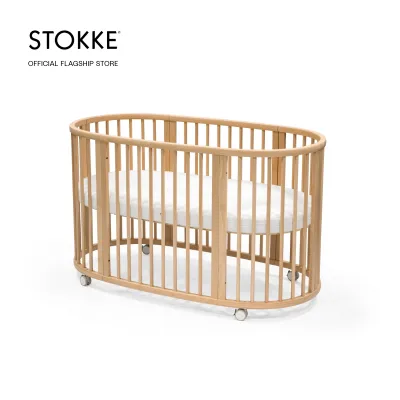
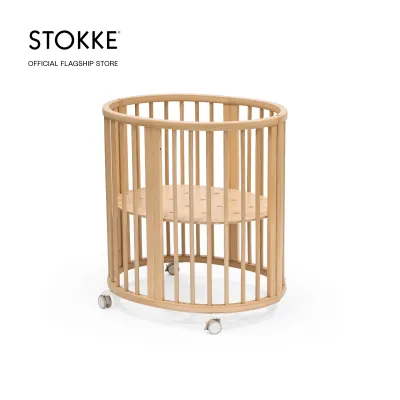
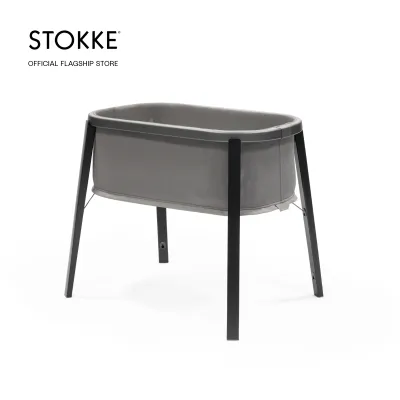



Prices are valid at publication and may change. Please refer to the product page for the latest price.
Physical dimensions form the foundation of crib safety testing. For instance, standards strictly regulate the spacing between crib slats to prevent a baby’s head or limbs from becoming trapped. The standard spacing must be narrow enough that a baby cannot slip through but wide enough to avoid pinching. Additionally, the height of the crib sides, the distance from the top of the mattress to the top of the rail, and the structural integrity of the frame under weight and impact are thoroughly evaluated to prevent falls and structural collapses.
Chemical and material safety is another critical pillar of international standards. Crib finishes, paints, and fabrics are tested for harmful substances such as lead, phthalates, formaldehyde, and heavy metals. Because infants frequently chew on crib rails during teething, these chemical limits are exceptionally strict. Compliance ensures that the materials used in the frame and mattress do not off-gas harmful volatile organic compounds or pose ingestion risks.
Regional standards differ slightly in their testing methodologies and focus areas. The European standard, EN 716, is widely respected globally and focuses heavily on structural stability, slat strength, and fire safety requirements suitable for European home environments. In contrast, North American standards, such as those from the American Society for Testing and Materials (ASTM F1169) and the Consumer Product Safety Improvement Act (CPSIA), place significant emphasis on dynamic load testing, latch mechanisms, and strict chemical restrictions. Understanding these regional differences helps you interpret the compliance labels on your imported nursery furniture.
How to Verify Certifications on Your Stokke Bed
Verifying the safety certifications of your Stokke bed requires a proactive approach rather than relying solely on marketing claims. Because products can be imported through various channels—including official distributors, parallel importers, or secondhand marketplaces—you must inspect the physical item and its documentation to confirm its safety status.

Start by locating the physical compliance labels and certification marks on the crib itself. Manufacturers typically place these permanent tracking labels on the inner surface of the crib frame, the bottom of the mattress support base, or the lower rails where they are out of the baby’s direct line of sight. These labels should display the manufacturer’s name, the model number, the date of manufacture, and the specific safety standards the product meets, such as EN 716 or ASTM F1169.
Once you locate the model number and manufacturing date, cross-reference this information with the official manufacturer website and the user manual. This step is particularly important if you have purchased a pre-loved crib or an older model, as safety standards and product designs evolve over time. Checking the official documentation ensures that your specific batch has not been subject to design modifications or safety updates since its release.
In Singapore, nursery furniture sold by official retailers must align with local consumer protection guidelines. The Consumer Product Safety Office, under Enterprise Singapore, monitors the safety of general consumer goods. While Singapore does not always require a unique local certification mark for cribs, it mandates that products sold locally must comply with recognized international standards like EN or ASTM. When purchasing, ask the retailer for import documentation or a declaration of conformity to ensure the product has been cleared through official, safe channels.
Essential Physical Safety Checks for Daily Use
Even the most highly certified crib requires regular maintenance and proper setup to remain safe for daily use. Factory certifications guarantee that the product left the assembly line in a safe condition, but the ongoing safety of your baby’s sleep environment depends on your daily vigilance and assembly practices.
Mattress firmness and fit are paramount to preventing suffocation risks. The mattress must be firm enough that it does not conform to the shape of your baby’s head or face. To check the fit, apply the two-finger gap rule: there should be no more than a two-finger gap between the edge of the mattress and the crib frame. If the gap is wider, your baby could slip into the space and become trapped. Always use a mattress specifically designed and sized for your exact Stokke bed model to ensure a snug, seamless fit.
Regularly inspect the hardware, joints, and moving parts of the crib frame. Over time, the vibrations from moving the crib or the natural shifting of the wood can cause screws and bolts to loosen. This is especially true for models like the Stokke Sleepi, which feature castors for mobility. Check that the wheels are securely attached, the locking mechanisms function perfectly, and all structural joints remain tight. Loose hardware can create gaps that trap clothing or limbs, or lead to a sudden structural failure.
Keep the sleep area completely free from unnecessary items to maintain a safe sleep environment. While decorative bedding, pillows, quilts, and bumper pads may look appealing, they pose severe suffocation and strangulation hazards. The crib should contain only a firm mattress covered by a tight-fitting sheet, and the baby. Additionally, ensure the crib is positioned far away from window cords, electrical cables, baby monitor wires, and low-hanging decorations that a reaching infant could pull into the sleep space.
When to Stop Using the Crib or Seek Professional Help
As your baby grows, their physical capabilities and developmental milestones will dictate when it is time to adjust the crib configuration or transition to a different sleep setup. Ignoring these milestones can expose your child to fall hazards and other preventable injuries.
Pay close attention to the manufacturer’s weight, height, and developmental limits. For example, once your baby can sit up independently, pull themselves up to a standing position, or reaches the height limit specified in the manual, you must lower the mattress base to its lowest setting. If your child attempts to climb out of the crib or their chest height exceeds the top rail when standing, it is time to transition them out of the crib entirely, either by converting the bed to a toddler configuration as permitted by the manufacturer or moving them to a toddler bed.
Inspect the crib regularly for structural red flags that indicate it is no longer safe for use. Cracked or splintered wood, stripped screw holes, missing hardware, or peeling paint are clear signs that the crib’s structural integrity has been compromised. In Singapore’s humid climate, wooden furniture can sometimes warp or experience finish degradation if exposed to high moisture levels or direct sunlight. If you notice any of these issues, discontinue use immediately and do not attempt temporary DIY repairs with non-standard parts.
If you encounter a safety concern, have questions about assembly, or suspect a component is faulty, contact the manufacturer’s official customer service or a qualified professional for guidance. Do not use the crib if you are unsure of its safety. Additionally, regularly check local consumer protection portals, such as the Enterprise Singapore safety alerts page, to stay informed about any product recalls or safety notices affecting nursery furniture in the local market.
Frequently Asked Questions (FAQ)
Are European (EN) crib standards recognized in Singapore?
Yes, European crib standards, such as EN 716, are widely recognized and accepted in Singapore. Because Singapore imports a significant portion of its nursery furniture, local consumer protection guidelines under Enterprise Singapore accept compliance with major international standards, including EN and ASTM, as evidence of product safety. Parents should ensure that any imported crib they purchase officially complies with at least one of these reputable international frameworks.
How can I check if my specific Stokke model has been recalled?
To check for recalls, locate your crib’s serial number, model number, and manufacture date on the tracking label attached to the frame. Visit the official Stokke website’s safety announcement page to cross-reference your details. Additionally, you can monitor local safety alerts on the Enterprise Singapore Consumer Product Safety Office portal or global recall databases to ensure your specific model remains safe for continued use.

Community discussion
Share your experience or ask a question. Comments are reviewed before publication.