
Selecting a baby cot bed in Singapore requires careful attention to safety standards, as an infant’s sleep environment must be highly secure to prevent accidents. While Singapore’s Consumer Product Safety Office monitors general consumer goods, there is no single local manufacturing standard for baby cots. Instead, the market relies heavily on internationally recognized safety standards. Parents must verify that any cot bed they purchase complies with established global benchmarks, such as European, British, American, or Australian standards, while performing hands-on physical checks before use.
Navigating Safety Certifications and Labels
When shopping for a baby cot bed, the first step is identifying recognized international safety certifications. Because Singapore imports a wide variety of nursery furniture, you will encounter different safety marks depending on the country of origin. The most common standards to look for include the European standard EN 716 (often written as BS EN 716 in the United Kingdom), the American ASTM F1169 standard, and the Australian/New Zealand standard AS/NZS 2172. These standards govern everything from structural strength to chemical safety, ensuring the materials used are non-toxic and flame-retardant.
To verify these certifications, inspect the product frame, packaging, and user manual. Reputable manufacturers typically print the safety standard compliance directly on a permanent label attached to the base or the inside of the cot frame. If you are purchasing from a local retailer or an online marketplace, do not rely solely on product descriptions. Request official compliance documentation, test reports, or safety conformity declarations from the seller. A trustworthy retailer should be able to provide documentation showing that the specific model has undergone independent laboratory testing.
Products mentioned in this guide

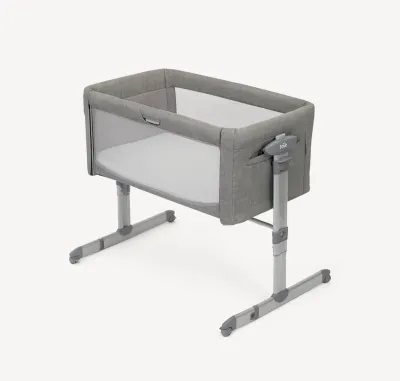
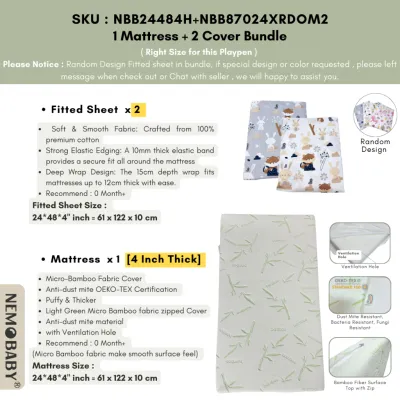

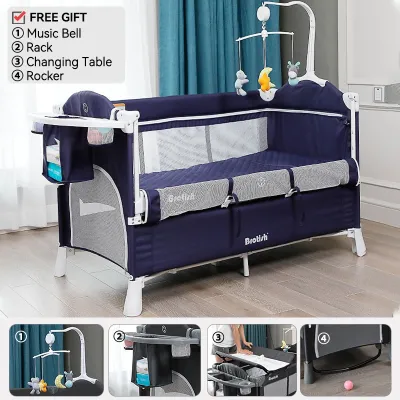


Prices are valid at publication and may change. Please refer to the product page for the latest price.
It is crucial to understand that a safety certification is highly specific. A certification mark applies strictly to the exact model, mattress combination, and configuration that was originally tested by the manufacturer. If you modify the cot, use unauthorized replacement parts, or pair it with a mattress of a different size or thickness than recommended, you may inadvertently compromise the safety features verified by the certification. Always check the manufacturer’s documentation to ensure your planned setup matches the tested specifications.
Critical Physical Safety Checks for the Cot Frame
Beyond looking at labels, parents must perform physical inspections of the cot frame to identify potential hazards. One of the most critical checks is the spacing between the cot bars or slats. If the gaps are too wide, a baby’s head, neck, or limbs can become trapped; if they are too narrow, fingers or toes can get pinched. While standard safety guidelines generally recommend that the gap between bars be between 50mm and 65mm, you should always verify the exact measurements and tolerances specified in the product’s safety manual.

Next, carefully examine the entire frame for physical imperfections. Run your hands along the wooden or metal surfaces to check for splinters, sharp edges, rough finishes, or peeling paint. Ensure there are no protruding screws, bolts, or brackets that could catch on your baby’s clothing, sleep sack, or pacifier ribbon, which poses a serious strangulation risk. Pay close attention to the headboard and footboard; avoid designs with decorative cut-outs or open corners, as these can easily trap a child’s limbs or head.
If the cot bed features a drop-side mechanism, inspect the hardware with extreme care. The drop-side must have a secure, double-action locking system that requires two distinct, deliberate movements to release. This design prevents the side from dropping accidentally if a child bumps against it or if an older sibling tries to operate it. Ensure the tracks are smooth and the locking pins engage fully and securely every single time.
Finally, test the overall stability of the frame. Assemble the cot fully and give it a firm shake. It should feel solid and rigid, without any wobbling, swaying, or squeaking, which could indicate loose joints or weak materials. Always verify the manufacturer’s stated maximum child weight and height limits for the specific model. Exceeding these limits can cause the mattress support or frame to fail, leading to structural collapse.
Mattress Fit and Bedding Safety Requirements
A safe cot bed requires a snugly fitting mattress to eliminate dangerous gaps. When a mattress is too small for the cot frame, it creates spaces where a baby can slide, become trapped, and suffocate. To prevent this, apply the standard gap check, commonly known as the two-finger rule. Once the mattress is placed inside the cot, try to slide your index and middle fingers between the edge of the mattress and the inner frame of the cot. If you can fit more than two fingers into the gap, the mattress is too small and is unsafe to use with that specific cot model.
The mattress itself must be firm, flat, and specifically sized for the exact cot bed model. Avoid soft mattresses, memory foam, or mattress toppers, as these can conform to a baby’s face and block their airway if they roll onto their stomach. When you press your hand firmly onto the mattress surface, it should spring back immediately without leaving a lasting indentation. Ensure the mattress cover fits tightly and does not bunch up or create loose folds.
Maintaining a minimalist sleep environment is essential for preventing suffocation and sudden infant death syndrome (SIDS). Keep the cot bed completely clear of soft items. This means avoiding soft bumpers, thick pillows, heavy quilts, loose blankets, and plush toys. While bumpers are often marketed as a way to protect babies from bumping their heads, they pose significant suffocation and entrapment risks and can also be used as a step by older babies trying to climb out. Instead of blankets, use a well-fitted sleep sack appropriate for Singapore’s warm, humid climate, and ensure the only item in the cot is a tight, fitted sheet over the mattress.
Safe Assembly, Placement, and Daily Maintenance
Correct assembly is fundamental to the safety of any baby cot bed. Always follow the manufacturer’s assembly instructions step-by-step, and do not attempt to rush the process. Use only the hardware, screws, and brackets provided in the packaging. Never use makeshift hardware, substitute missing parts with items from a local hardware store, or make unauthorized modifications to the frame. If you discover missing or damaged parts during assembly, contact the manufacturer or authorized distributor directly to obtain official replacement components.
Where you place the cot bed in the nursery is just as important as how you assemble it. Position the cot far away from windows, where blind cords, curtain ties, or window screens could pose strangulation or fall hazards. Ensure the cot is out of reach of electrical cords, baby monitor cables, wall hangings, framed pictures, and heavy furniture that a climbing child could pull down. Additionally, keep the cot away from direct air conditioning vents or heaters to maintain a comfortable and stable sleeping temperature for your baby.
Over time, the physical movement of your baby and the daily routine of placing them in and out of the cot can loosen hardware. Establish a regular maintenance routine to inspect the cot bed every few weeks. Check all screws, bolts, and brackets to ensure they remain tight and secure. Inspect the mattress support base to verify it is firmly locked into its designated height setting. If you notice any structural wear, cracked wood, bent metal, or failing locking mechanisms, discontinue use immediately until the issue is resolved with official parts.
Transitioning and Knowing When to Stop Use
As your baby grows, their physical capabilities will change, requiring you to adapt their sleep environment. Monitor your child’s developmental milestones closely. Once your baby can sit up, roll over, or push themselves up onto their hands and knees, you must lower the mattress base to its lowest setting. This increases the height of the side rails relative to the mattress, preventing your child from accidentally tumbling over the edge or attempting to climb out.
Knowing when to stop using the cot bed entirely is critical for preventing falls. You should transition your child out of the cot bed when they reach the manufacturer’s maximum height or weight limit, or when they show persistent climbing behavior. A general rule of thumb is to stop using the cot once the height of the side rail is less than three-quarters of your child’s height, or when their chest is level with the top rail when standing. At this stage, the risk of a fall outweighs the containment benefits of the cot.
Additionally, always be vigilant about structural wear and safety alerts. If you identify any irreparable structural damage, missing safety components, or if you learn that your specific cot bed model has been recalled, stop using it immediately. Plan a safe transition to a toddler bed, a single bed with safety rails, or a floor bed to ensure your child continues to sleep in a secure environment that matches their developmental stage.
Frequently Asked Questions (FAQ)
Are drop-side cot beds safe to use?
Drop-side cot beds have been subject to strict safety warnings and bans in several countries due to risks associated with malfunctioning hardware, which can cause the drop-side to detach and create a dangerous gap where an infant can become trapped. While they may still be available in some markets, safety experts advise extreme caution. If you choose to use a drop-side cot, you must verify that the locking mechanism is robust, fully functional, and cannot be accidentally released by a child. Regularly inspect the tracks, plastic parts, and metal brackets for any signs of wear, warping, or damage, and ensure the side locks securely in both the raised and lowered positions.
Can I safely use a second-hand baby cot bed?
Using a second-hand baby cot bed carries significant risks because you may not know its full history, including whether it has been involved in a recall, suffered structural damage, or been assembled incorrectly in the past. If you decide to use a pre-owned cot, ensure it includes the original assembly manual and all original hardware. Verify that the model complies with current international safety standards and has no missing, broken, or modified parts. Inspect the frame thoroughly for hairline cracks, structural weakness, or peeling paint that might contain lead. If the cot is more than a few years old or shows signs of heavy wear, it is safer to avoid using it.
How do I check if a specific cot bed model has been recalled?
To check if a specific cot bed model has been recalled, parents in Singapore can monitor safety alerts from Enterprise Singapore, the national agency responsible for consumer product safety. You can also search international recall databases, such as those maintained by the United States Consumer Product Safety Commission (CPSC) or the European Commission’s safety alert system, using the exact brand name, model number, and manufacturing date found on the cot’s safety label. If your model appears on any recall list, stop using it immediately and contact the manufacturer or retailer for guidance on repairs, replacement parts, or refunds.
Community discussion
Share your experience or ask a question. Comments are reviewed before publication.