
Quick Answer: Which Toilet Stool Should You Choose?
Choosing the right toilet stool is a pivotal decision that directly impacts how securely and comfortably a child transitions from diapers to using the adult toilet. There is no single, universally superior option; the optimal choice depends entirely on your child’s physical development, their emotional confidence, and the layout of your home.
Standalone step stools are highly versatile and ideal for older, well-balanced toddlers who simply need a height boost to climb up and reach the washbasin. Toilet seat reducers are essential for younger or smaller children who experience anxiety about slipping into the large adult bowl opening. Meanwhile, integrated 2-in-1 combo stools offer an all-in-one climbing station with built-in handrails, providing maximum physical reassurance for early learners, though they require a larger physical footprint in your bathroom.
Step Stools, Seat Reducers, and Combos Explained
To make an informed decision, it is essential to understand the design, physiological benefits, and primary target users of each product category. Each option addresses a distinct physical challenge that children face when attempting to navigate adult-sized bathroom fixtures.
Products mentioned in this guide
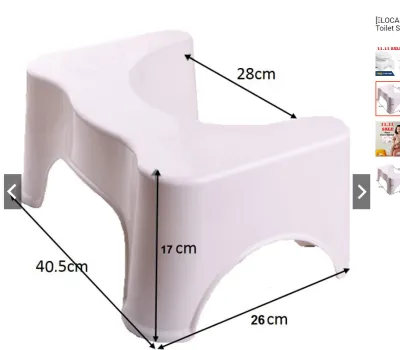
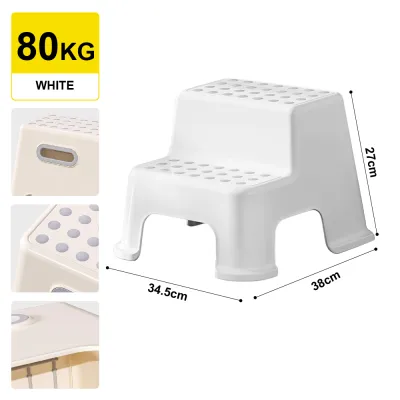
![OKLIFE.SG]Thickened non-slip Toilet stool/children /Elderly pregnant women toilet auxiliary feet step on small stools](https://img.lazcdn.com/g/p/0f0ae35cc55d1ec5936b20a2839a51bc.jpg_400x400q80.jpg_.webp)
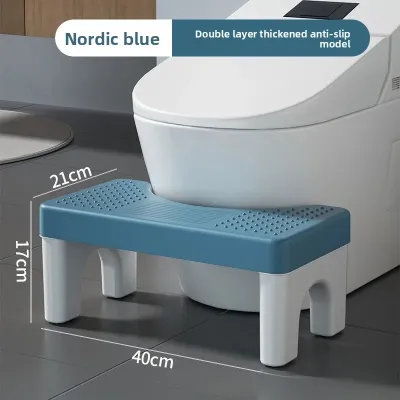
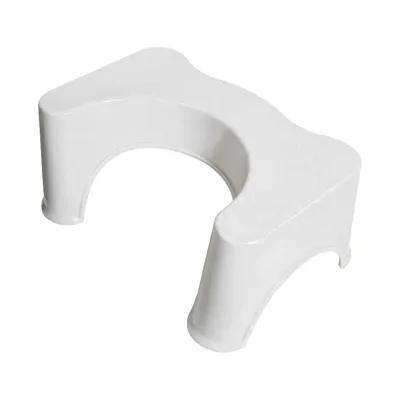
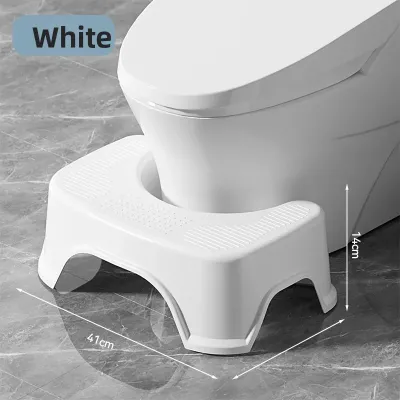

Prices are valid at publication and may change. Please refer to the product page for the latest price.

Standalone Step Stools
A standalone step stool is a simple, freestanding platform designed to elevate a child so they can access elevated fixtures. In the context of potty training, these stools serve two primary functions: helping the child climb onto the adult toilet seat and providing a stable platform for their feet once seated. Having a firm place to rest their feet is a critical physiological requirement for successful bowel movements.
When a child’s feet dangle, their pelvic floor muscles remain tense, making it difficult to eliminate completely. Elevating the feet on a toilet stool mimics a natural squatting posture, which aligns the colon and relaxes the puborectalis muscle for easier, strain-free bowel movements. Beyond toilet use, a standalone step stool is highly versatile, allowing toddlers to reach the bathroom sink independently to wash their hands and brush their teeth. This setup is best suited for older toddlers who have already developed excellent physical coordination and do not feel intimidated by the size of the adult toilet seat.
Toilet Seat Reducers (Inserts)
A toilet seat reducer, often referred to as a potty seat insert, is a contoured ring that fits securely inside or on top of the existing adult toilet seat. Its primary purpose is to narrow the large opening of the adult bowl, creating a smaller, child-sized opening that matches the toddler’s physical proportions. This simple modification addresses one of the most common psychological barriers in potty training: the intense fear of falling into the toilet water.
By providing a secure, snug seating surface, a reducer ring helps the child relax their body, which is essential for successful urination and bowel movements. However, a seat reducer is only one half of the equation; because it does not provide any elevation, it must almost always be paired with a separate step stool. Without a stool, the child’s feet will dangle in the air, compromising both their comfort and their physiological alignment. This combination is ideal for younger toddlers or those who are physically smaller and need immediate reassurance when sitting on the toilet.
2-in-1 Combo Stools
A 2-in-1 combo stool is an integrated, multi-step unit that combines a climbing ladder with an attached toilet seat reducer. These units are designed to rest securely against the front of the adult toilet, creating a dedicated, self-contained potty training station. They typically feature wide, flat steps, non-slip treads, and sturdy side handrails or grab bars that children can hold onto as they climb up, turn around, and sit down.
The primary advantage of a combo stool is the continuous physical support it provides during the transition from climbing to sitting. For many toddlers, the act of turning around on a narrow step stool without handrails is the most challenging and unstable part of using the adult toilet. The integrated handles on a combo unit offer a secure grip throughout this entire sequence, significantly reducing the risk of slips and boosting the child’s confidence. This setup acts as an excellent bridge for children who are transitioning directly from a small, floor-level potty chair to the adult toilet but still require substantial physical support to feel safe.
How to Compare Step Stools, Reducers, and Combo Toilet Stools
When deciding which system to integrate into your daily routine, evaluating how each option performs across practical, real-world dimensions is crucial. Parents must weigh factors like physical safety, space constraints, cleaning effort, and long-term utility to find the best fit.
Independence and Climbing Safety The level of physical support a child requires to access the toilet independently varies significantly by age and motor skill development. Integrated 2-in-1 combo stools offer the highest level of climbing safety for early learners, as the built-in handrails provide continuous stabilization. Children can grip the rails while ascending, turning their bodies, and lowering themselves onto the seat, which minimizes the need for direct physical assistance from a caregiver. In contrast, standalone step stools require the child to step up and execute a 180-degree turn on a relatively small platform without any lateral support. This maneuver demands advanced balance and core strength, making standalone stools better suited for older, highly coordinated toddlers. Seat reducers, while highly secure once the child is seated, do not assist with the climb itself and must be paired with a stable stepping aid to ensure safety.
Bathroom Space and Storage Spatial constraints are a major consideration, particularly in compact living environments such as HDB flats or apartments in Singapore, where bathrooms are often highly optimized. Toilet seat reducers excel in small spaces because they have a minimal footprint and can easily be hung on a wall hook or tucked beside the toilet tank when not in use. Standalone step stools also offer good spatial flexibility; they can be pushed flush against the toilet base or moved to the washbasin, keeping the main floor area clear for adult family members. Combo stools, however, are inherently bulky and occupy a significant amount of floor space in front of the toilet. While many combo models are designed to fold flat for storage, the daily process of folding, unfolding, and storing a large plastic ladder can become tedious for busy parents, often resulting in the unit remaining permanently stationed over the toilet and obstructing adult access.
Cleaning and Maintenance Maintaining impeccable hygiene is one of the most demanding aspects of potty training, as splashes, drips, and accidents are inevitable. Standalone step stools are typically molded from a single piece of durable plastic, featuring smooth surfaces and minimal joints where dirt or moisture can accumulate. This simple construction makes them exceptionally easy to spray down in the shower or wipe clean with a disinfectant. Seat reducers require frequent cleaning since they are in direct contact with the toilet bowl, but their compact size allows them to be easily washed in the bathroom sink. Combo stools are the most challenging to maintain due to their complex structural designs. The folding hinges, adjustable step mechanisms, and connection points between the ladder and the seat ring create numerous small crevices that can trap urine and moisture, requiring meticulous, detailed scrubbing to prevent odors and bacterial growth.
Transition and Longevity The lifespan and versatility of your potty training gear are important for determining its overall value. Standalone step stools offer unmatched longevity; long after your child has mastered potty training and no longer needs help reaching the toilet, the stool remains a highly useful household item. It can be used for years to help children reach bathroom sinks, kitchen countertops, bookshelves, or light switches. On the other hand, seat reducers and combo stools have a highly limited developmental window. Once your child grows large enough to sit comfortably on the standard adult toilet seat without slipping, these items lose their utility entirely and must be retired, stored, or passed on to another family.
| Feature | Standalone Step Stool | Toilet Seat Reducer (with separate stool) | 2-in-1 Combo Stool |
|---|---|---|---|
| Space Required | Low; easily tucked away | Very low; can hang on a wall hook | High; bulky footprint on the floor |
| Climbing Support | Minimal; requires good balance | Moderate; depends on the paired stool | Maximum; features built-in handrails |
| Cleaning Ease | High; simple molded design | Moderate; requires regular sanitizing | Low; multiple hinges and crevices |
| Long-Term Utility | Excellent; transitions to sink use | Low; retired after potty training | Low; retired after potty training |
| Target User | Older toddlers with good coordination | Children anxious about the bowl size | Early learners needing physical support |
| Weight & Age Specs | Check manufacturer label | Check manufacturer label | Check manufacturer label |
Which Toilet Stool Setup Fits Your Child and Home?
Selecting the perfect potty training accessory requires matching the specific physical capabilities of your child with the physical realities of your home environment. By analyzing your daily routine and bathroom layout, you can easily identify which setup will foster the smoothest transition.
Choose a Standalone Step Stool if…
- Your child is physically tall, possesses confident gross motor skills, and displays no hesitation or fear when approaching the adult toilet.
- You prioritize a multi-functional tool that can easily be moved around the home, allowing your child to wash their hands at the basin and brush their teeth independently.
- You want a highly durable, low-maintenance product that is exceptionally easy to clean and sanitize with a quick wipe.
Choose a Seat Reducer (with a basic step stool) if…
- Your child is physically small or expresses a clear, persistent fear of falling into the large opening of the adult toilet bowl.
- Your bathroom has limited floor space, and you need a compact setup that can be quickly stored out of sight when adult guests use the facilities.
- You prefer a highly hygienic, streamlined solution that can be easily sanitized and does not require complex assembly or folding.
Choose a 2-in-1 Combo Stool if…
- Your child is in the very early stages of potty training and requires maximum physical reassurance, such as sturdy handrails to grip while climbing and turning.
- You have a spacious or dedicated children's bathroom where a bulkier, semi-permanent training station can remain set up without obstructing daily foot traffic.
- You want an all-in-one, highly secure system that clearly defines the adult toilet as a safe, accessible space for your toddler.
Verify First if…
- Your home toilet features an unconventional shape, such as a square bowl, an elongated design, or an integrated electronic bidet seat. Standard seat reducers and combo ladders are typically designed for round or standard oval toilets, so you must measure your toilet dimensions and check the manufacturer's compatibility guidelines before purchasing.
- Your bathroom floors are highly polished, made of smooth marble, or frequently wet. You must verify that any stool or ladder base you select is equipped with high-friction, non-slip rubber padding to prevent dangerous sliding on slick tiles.
Essential Safety and Setup Rules for Bathroom Stools
The bathroom can be a hazardous environment for young children due to wet surfaces, hard fixtures, and tight spaces. Implementing strict safety protocols and proper setup procedures is essential to prevent slips, trips, and falls during potty training.
Stability and Non-Slip Features When selecting any toilet stool, stability must be your absolute highest priority. Ensure the stepping surface features a textured, high-traction pattern or rubberized grip to prevent your child’s feet from slipping, especially when they are wearing socks or have wet feet after a bath. Equally important is the base of the stool; it must have robust, continuous rubber feet or non-slip trim along the entire bottom edge. In humid climates where bathroom floors are frequently wet, a stool without proper rubberized traction can easily slide out from under a child as they apply lateral force to climb up. Always test the stool on your specific bathroom tiles to ensure it remains firmly anchored under pressure.
Supervision and Weight Limits No potty training product, regardless of how stable or highly rated it is, can replace active adult supervision. During the initial weeks of training, always stand within arm’s reach of your child to assist with climbing, turning, and balancing. Before purchasing or using any stool, carefully inspect the manufacturer’s product documentation for specific weight limits and age recommendations. Children’s physical development and weight vary widely, so never rely solely on age guidelines. If your child exceeds the maximum weight capacity, or if you notice any flexing, cracking, or instability in the plastic, stop using the product immediately and transition to a more robust setup.
Proper Placement and Environment Always place the toilet stool completely flush against the base of the toilet bowl. Leaving even a small gap between the stool and the toilet structure creates a dangerous trap where a child’s foot can slip down, leading to painful pinches or falls. Furthermore, remember that a toilet stool grants your child newfound height and reach. Once they can climb independently, they can easily access countertops, shelves, and cabinets that were previously out of reach. Take this opportunity to thoroughly childproof your bathroom by securing all household cleaning agents, medications, cosmetics, and sharp objects in locked cabinets well out of their physical reach.
Frequently Asked Questions (FAQ)
At what age should I introduce a toilet stool?
Introducing a toilet stool should be guided by your child’s individual developmental readiness rather than a strict chronological age. While many children begin showing interest in potty training between 18 months and 3 years, look for specific physical and cognitive signs of readiness. These include the ability to walk and climb steadily, showing interest in the adult toilet, expressing discomfort when their diaper is wet, and being able to follow simple instructions. If your child has the motor skills to step up securely and expresses curiosity about using the toilet like an adult, it is an appropriate time to introduce a supportive stool.
Can I use a regular household step stool for potty training?
It is highly recommended to avoid using standard household step stools, such as plastic utility stools or kitchen step ladders, for potty training. These generic household items are rarely designed to withstand the humid, wet conditions of a bathroom and often lack the specialized non-slip rubber bases required to prevent sliding on wet tiles. Furthermore, their height, step depth, and stability profiles are not optimized for a toddler’s physical proportions or the specific contours of a toilet bowl, significantly increasing the risk of tipping. Always choose a product specifically designed and certified for children’s bathroom safety, and strictly adhere to the manufacturer’s guidelines and safety warnings.

Community discussion
Share your experience or ask a question. Comments are reviewed before publication.