
Choosing between a steam-blend (all-in-one) and a steam-only baby cooker depends primarily on your baby’s current weaning stage, your daily preparation time, and your kitchen workflow. If you are just starting the weaning journey and need quick, smooth purees with minimal cleanup, a steam-blend model offers streamlined convenience. However, if your baby is transitioning to chunkier textures, or if you already own a reliable kitchen blender, a steam-only cooker provides greater versatility and longevity. Evaluating how each appliance fits into your daily routine and kitchen space will help you make the most practical choice for your household.
Introducing solid foods is an exciting milestone, but it also introduces new kitchen tasks and cleanup routines. For many parents, a dedicated baby cooker simplifies this transition by combining cooking and preparation steps into a single, compact footprint. By understanding the distinct advantages of both steam-blend and steam-only systems, you can select an appliance that matches your cooking style, budget, and long-term family needs.
Matching the Cooker Type to Your Baby's Weaning Stage
During the early stages of weaning, typically around six months of age, infants require incredibly smooth, single-ingredient purees to help them transition from milk to solids. A steam-blend baby cooker is highly efficient for this phase. It allows you to steam a small portion of fruit or vegetable and immediately blend it into a silky consistency within the same container. Because early meals are tiny—often just a few spoonfuls at a time—the compact blending jugs of all-in-one machines are perfectly sized to process these small volumes without food getting lost under the blades.
Products mentioned in this guide
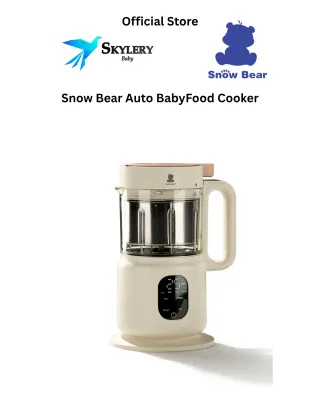
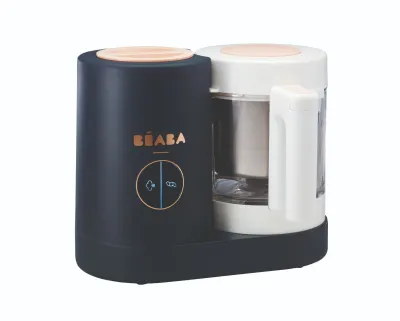
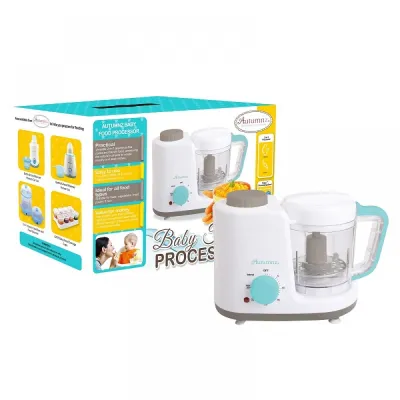
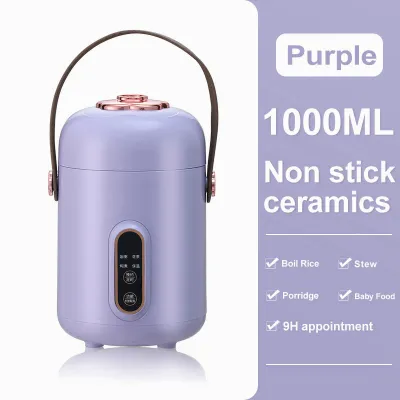
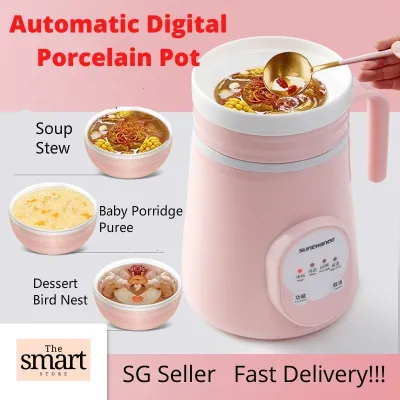
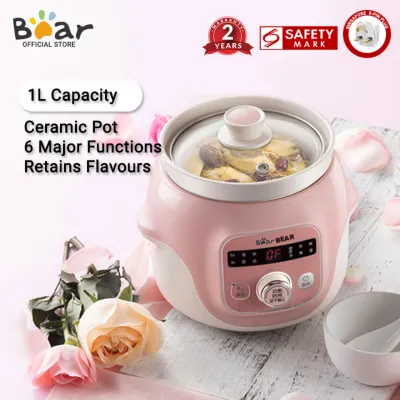
Prices are valid at publication and may change. Please refer to the product page for the latest price.
As your baby grows and enters the transitional weaning phase, usually between seven and nine months, their developmental needs shift. They begin to require chunkier textures, mashed foods, and eventually soft finger foods to develop their chewing and swallowing skills. At this stage, the blending function of an all-in-one machine becomes less critical. A steam-only baby cooker offers excellent flexibility during this transition, as it allows you to steam whole vegetables, fruits, or proteins to a perfectly soft texture. You can then easily mash them with a fork, chop them into safe finger-food sizes, or serve them as-is for baby-led weaning.
Before introducing any new food consistencies or changing your baby’s diet, it is essential to check the manufacturer’s age, weight, and texture guidelines on the product packaging or user manual. Every child develops at their own pace, and aligning your food preparation methods with these official recommendations ensures a safer weaning experience. Additionally, consulting your pediatrician can provide personalized guidance on when your baby is ready to transition from smooth purees to more textured solid foods.
Evaluating Steam-Blend (All-in-One) Baby Cookers
Steam-blend baby cookers are designed with workflow efficiency as the top priority. These all-in-one appliances allow you to steam ingredients and blend them in a single jug, eliminating the need to transfer hot, freshly steamed food to a separate blender or food processor. This seamless process not only saves precious preparation time during busy days but also significantly reduces the risk of accidental steam burns. By keeping the entire preparation process within one sealed container, you also minimize the number of dishes, cutting down on daily kitchen cleanup.

However, maintaining these combined units requires careful attention to cleaning and hygiene. Because the blending blade is integrated into the steaming jug, food residue can easily become trapped in the seals, under the blade assembly, or within the steam vents. When evaluating different models, always check the user manual to see if the blending blade, jug, and silicone seals are dishwasher safe or if they can be easily disassembled for thorough hand washing. In warm, humid climates, ensuring that every component can be completely dried is crucial to prevent the growth of mold and bacteria.
While steam-blend cookers offer unmatched convenience for purees, they do have practical limitations. Their blending jugs are typically small, which restricts your ability to prepare large batches of food for freezing. Additionally, achieving a consistent, coarse texture can sometimes be challenging, as the powerful blades may quickly turn a planned chunky mash into a smooth puree. It is also worth considering that if the blending motor or blade mechanism requires servicing, the entire appliance—including the steamer—will be unusable until it is repaired or replaced.
Evaluating Steam-Only Baby Cookers
Steam-only baby cookers focus entirely on the cooking process, offering a high level of versatility for caregivers who prefer a more hands-on approach to texture control. Without the mechanical complexity of integrated blending blades, these appliances function as dedicated, compact food steamers. They are highly effective for steaming a wide variety of ingredients, including vegetables, fruits, fish, poultry, and grains. Because there are no blades in the way, you can also use them to gently reheat pre-made meals, defrost frozen portions, or even sterilize small items like pacifiers, depending on the manufacturer’s instructions.
One of the greatest advantages of a steam-only cooker is how easily it pairs with your existing kitchen setup. If you already own a reliable standard kitchen blender, a high-powered food processor, an immersion hand blender, or simple manual mashers, you do not need another motorized blending appliance. You can use the steam-only unit to cook the food to the perfect tenderness, and then use your preferred household tool to customize the texture. This setup gives you complete control over the consistency, allowing you to transition smoothly from fine purees to coarse mashes and soft finger foods.
In terms of capacity and kitchen footprint, steam-only models often provide more flexible options than their all-in-one counterparts. Many steam-only cookers feature multi-tier steaming baskets, allowing you to cook different food groups simultaneously without mixing their flavors. For example, you can steam sweet potatoes in the bottom basket while gently cooking fish in the top basket. This multi-tier design often provides a larger overall cooking capacity, making it easier to prep bulk batches for freezing, while still maintaining a compact footprint that fits neatly on your kitchen counter.
Key Comparison Factors for Your Daily Routine
To help you decide which appliance best fits your household, it is helpful to compare their practical features side by side. The table below outlines the key decision factors you should consider based on your daily routine, kitchen space, and long-term cooking preferences.
| Decision Factor | Steam-Blend (All-in-One) Cooker | Steam-Only Cooker |
|---|---|---|
| Prep Time | Extremely fast; steams and blends in one container. | Moderate; requires transferring food to a blender or mashing manually. |
| Cleaning Effort | Moderate to high; requires disassembling blades and seals. | Low; simple baskets and water reservoir with no blade assembly. |
| Texture Control | Excellent for smooth purees; harder to control coarse textures. | Highly customizable when paired with external blenders or mashers. |
| Counter Footprint | Compact; replaces both a steamer and a blender. | Compact to moderate; may require space for an external blender. |
| Longevity | Shorter; utility decreases once baby stops eating purees. | Longer; can be repurposed for family side dishes and reheating. |
Safety and compliance should always be top priorities when selecting any kitchen appliance. Before making a purchase, verify that the baby cooker complies with local electrical standards and features the appropriate safety marks for your region. For instance, ensure the appliance is compatible with a 230V electrical supply and comes with a standard three-pin Type G plug. Additionally, read the product specifications to confirm that all components coming into contact with food are made from certified food-safe, BPA-free materials, and check for essential safety features like an automatic shutoff that activates when the water reservoir runs dry.
Budget and longevity are also critical components of the decision-making process. A high-quality baby cooker can represent a significant upfront investment, with prices often ranging from under S$100 to over S$300. If you plan to use the appliance only during the initial few months of the puree stage, a steam-blend model might feel like a short-term luxury. However, if you choose a steam-only model, its ability to steam family-sized portions of vegetables or reheat dim sum means it can remain a useful kitchen tool long after your baby has transitioned to regular family meals, offering better long-term value.
Final Decision Framework: Which Baby Cooker Should You Buy?
To finalize your decision, evaluate your cooking habits, existing kitchen tools, and weaning goals against these practical guidelines:
Choose a steam-blend cooker if:
- You are at the very beginning of your weaning journey and plan to feed your baby smooth purees for several months.
- You want a highly streamlined, single-appliance workflow that minimizes prep time and reduces the number of dirty dishes.
- You have limited kitchen counter space and do not want to store both a separate steamer and a standalone blender.
Choose a steam-only cooker if:
- Your baby is already transitioning to chunkier textures, finger foods, or you are practicing baby-led weaning.
- You already own a high-quality kitchen blender, immersion blender, or food processor that you enjoy using.
- You want a versatile appliance with a larger capacity that can be repurposed to steam side dishes or reheat meals for the entire family.
Before making your final purchase, always verify your specific kitchen space limits, check if the appliance requires any specialized dietary preparation features, and confirm the warranty terms by reviewing the manufacturer’s official documentation. Taking the time to check these details ensures that your chosen baby cooker will be a safe, reliable, and highly functional addition to your daily routine.
Frequently Asked Questions (FAQ)
Can I use a regular kitchen steamer instead of a dedicated baby cooker?
Yes, you can use a standard household kitchen steamer to cook food for your baby, but there are several important factors to verify first. Dedicated baby cookers are specifically designed to handle very small portions efficiently and often feature precise temperature controls to preserve essential nutrients in baby food. If you choose to use a regular kitchen steamer, always check the manufacturer’s specifications to ensure that all baskets and plastic components are certified food-safe and BPA-free. Additionally, verify that the appliance has a reliable automatic shutoff feature to prevent overheating if the water evaporates completely during the steaming process.
How do I clean the blending blade safely to prevent mold or residue?
Cleaning the blending blade of an all-in-one baby cooker requires a careful, step-by-step approach to ensure hygiene and safety. First, always unplug the appliance and allow it to cool completely before handling any parts. Carefully disassemble the blade assembly from the jug according to the instructions in your user manual, taking care to avoid the sharp edges. Wash the blade, silicone seals, and jug with warm, soapy water using a soft brush to remove any trapped food particles. Finally, inspect the rubber gaskets and seals closely for any remaining residue, and allow all components to air-dry completely in a well-ventilated area before reassembling the unit to prevent mold growth.

Community discussion
Share your experience or ask a question. Comments are reviewed before publication.