
Quick Answer: Which Baby Food Maker Type Should You Choose?
Choosing the right baby food maker depends on your kitchen space, daily cooking habits, and long-term appliance utility.
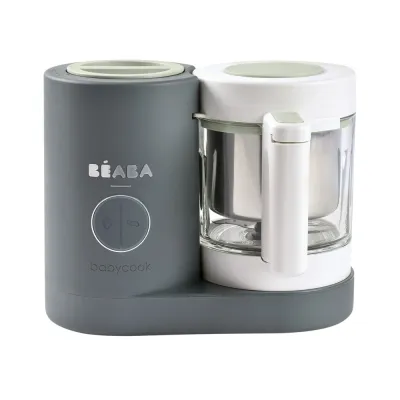
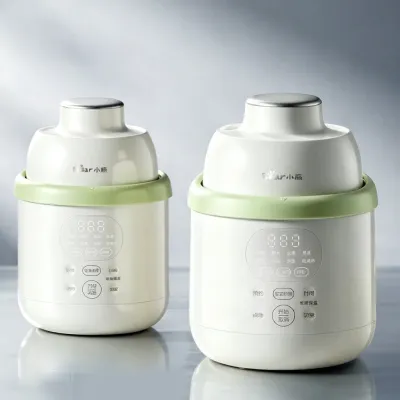
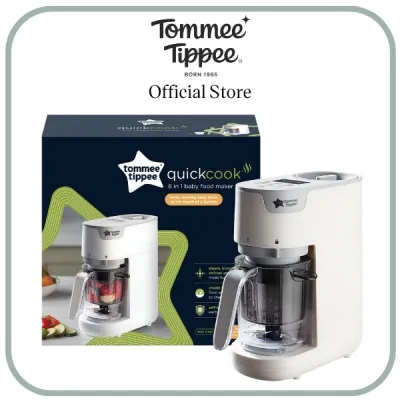
All-in-one steam-and-blend models are highly suited for compact kitchens, such as Singapore apartments, where countertop space is limited. These units offer a streamlined, single-button workflow that allows busy parents to prepare small, fresh daily batches of purees with minimal hands-on intervention.
In contrast, a separate setup—consisting of a standalone steamer paired with a dedicated blender—offers superior flexibility and larger capacities. This approach is ideal if you prefer batch-cooking and freezing baby food. It is also highly cost-effective if you already own a reliable blender or plan to use the appliances for general family meals once your baby transitions to solid foods.
Products mentioned in this guide
![[China Plug Without Adapter] Bear | Baby Food Automatic Small Electric Stew Pot](https://img.lazcdn.com/g/ff/kf/Sd6b7b07e090f49fab619e6f7a4bb744c3.png_400x400q80.png_.webp)
![SG🔥 [READY STOCK] Grinder Blender Portable blender Baby food blender Garlic chopper Food chopper](https://img.lazcdn.com/g/p/d3fc10e77169961cff6c979118330b42.jpg_400x400q80.jpg_.webp)
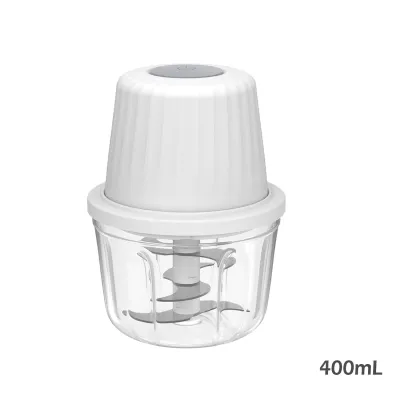
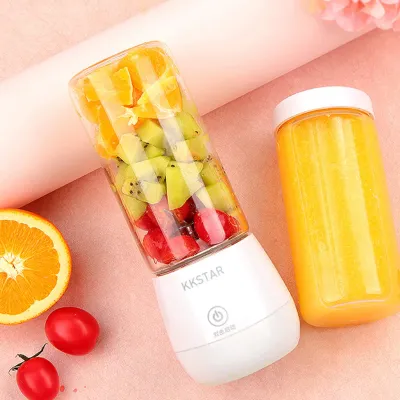
Prices are valid at publication and may change. Please refer to the product page for the latest price.
Core Differences: How All-in-One and Separate Setups Actually Work
Understanding the mechanical differences and physical workflows of these two setups helps clarify how they fit into your daily routine.

The workflow of an all-in-one baby food maker is designed to minimize handling. You place raw, chopped ingredients into a single specialized jug. The machine uses an integrated water reservoir to steam the ingredients. Once the steaming cycle finishes, the transition to blending occurs within the same unit. Depending on the model, you may flip the jug upside down to engage the blades, or the machine may automatically transition from steaming to blending. This system eliminates the need to transfer hot, freshly cooked ingredients between different containers, reducing the risk of spills.
A separate setup relies on two distinct appliances. First, you cook the raw ingredients using a standalone electric food steamer, a stovetop steamer basket, or a microwave-safe steaming container. Once the food is tender, you must manually transfer the hot ingredients into a separate countertop blender, food processor, or immersion blender. While this method involves more active steps and physical components, it separates the heating element from the motorized blending unit, allowing each appliance to operate independently.
Key Comparison Dimensions for Your Kitchen and Routine
To determine which setup aligns with your home, consider how each option performs across four key dimensions: space, workflow, cleaning, and budget.
Kitchen Space and Storage Constraints
Countertop real estate is a major consideration in modern Singapore households, where kitchen space is often at a premium.
All-in-one baby food makers are designed with a compact, unified footprint. Because they combine two primary functions into a single base unit, they require only one dedicated power outlet and take up minimal space on your kitchen counter. This makes them highly convenient to leave out for daily use. However, because they are highly specialized, they must remain accessible on your counter to justify their presence, as they cannot easily be repurposed for non-baby tasks.
Separate appliances demand a larger cumulative footprint if kept on the counter together. Operating a standalone steamer and a full-sized blender simultaneously requires multiple safe power outlets and sufficient space to prevent overheating. However, this setup offers excellent storage flexibility. If you already own a countertop blender, you only need to accommodate a small steamer basket. Individual components can easily be tucked away in deep cabinets or pantry shelves when not in use, keeping your countertops clear of clutter.
Cooking Workflow and Time Efficiency
Your daily schedule and how you prefer to manage household tasks will heavily influence which appliance setup feels more efficient.
All-in-one machines offer a convenient “set and forget” experience. Many models feature programmable timers that automatically stop the steaming process and sound an alert. This allows caregivers to attend to their baby or manage household chores without constantly monitoring the stove. However, this convenience comes with a trade-off in batch size. Most integrated baby food makers have a limited capacity, typically ranging from 600ml to one liter. They are ideal for preparing single meals or small portions, but they are not built for mass production.
Separate setups require more active supervision and manual intervention during the transfer of hot ingredients. However, they excel in time efficiency when preparing large batches of food for freezing. A multi-tier standalone steamer can cook large quantities of different ingredients simultaneously without mixing their flavors. While one batch is steaming, you can use your blender to puree a previously cooked batch. This simultaneous multitasking makes separate appliances the superior choice for parents who prefer dedicated weekly meal-prep sessions.
Cleaning, Maintenance, and Hygiene
Post-meal cleanup is a daily chore that can quickly become tedious if the appliance design is overly complex.
All-in-one units generally result in fewer dirty dishes because the entire process occurs within a single jug. However, the maintenance of these machines requires close attention. The specialized jugs often feature intricate blade assemblies, rubber gaskets, and silicone seals that must be carefully disassembled to prevent food residue, moisture, and mold from accumulating in hidden crevices. Additionally, the integrated water reservoir requires regular descaling to remove mineral buildup. Parents must follow manufacturer instructions, often using food-grade citric acid or distilled white vinegar, to keep the steam pathways hygienic.
Separate setups involve washing more individual components, such as a steamer basket, a lid, a blender jar, and the blending blades. While this sounds like more work, these components are usually simpler in design, wider, and easier to scrub thoroughly. There are no hidden water chambers to descale, and the parts are often dishwasher-safe. Always verify the manufacturer’s care labels on both your steamer and blender before placing them in a dishwasher, as high heat can degrade certain plastics over time.
Budget and Long-Term Versatility
Evaluating the financial investment requires looking beyond the immediate weaning phase to consider the long-term utility of the appliances.
All-in-one baby food makers represent a highly specialized investment. While they offer excellent convenience during the initial stages of weaning, their utility declines rapidly as your child transitions to table foods, typically around 12 to 18 months of age. Once your child is eating family meals, these machines are often relegated to storage or sold secondhand, as their small capacities make them impractical for standard adult meal preparation.
In contrast, investing in high-quality separate appliances offers outstanding long-term value. A robust countertop blender or a versatile immersion blender can be used for years to prepare family smoothies, soups, and sauces. Similarly, a standalone food steamer remains useful for preparing healthy, steamed family dishes like fish, vegetables, and dim sum. If you already own a reliable blender, purchasing a simple stovetop steamer basket is an incredibly budget-friendly route.
Decision Framework: Match the Setup to Your Family's Needs
To help finalize your decision, assess how your household’s daily habits align with the following profiles.
Choose an All-in-One Steam-and-Blend Maker if:
- Space is limited: Your kitchen has minimal counter space and you want to avoid cluttering your work areas with multiple appliances.
- You prefer fresh, daily meals: You plan to prepare small, fresh portions of baby food every day or two rather than freezing large quantities.
- You value convenience: You want a simplified, hands-off cooking process that handles both cooking and pureeing in a single vessel with minimal supervision.
- You want fewer dishes: You prefer washing one integrated jug rather than dealing with multiple pots, baskets, and blender components.
Choose a Separate Steamer and Blender Setup if:
- You prefer batch cooking: You want to prepare large quantities of baby food at once and freeze them in portion-sized containers for the weeks ahead.
- You already own quality gear: You already have a high-performing blender, food processor, or hand blender in your kitchen.
- You want long-term utility: You prefer investing in versatile appliances that your family will continue to use for daily cooking long after your baby has transitioned to solid foods.
- You want to cook diverse ingredients: You want the ability to steam different food groups separately and simultaneously without blending them together.
Important Verifications Before Deciding:
- Second-hand purchases: If you are considering buying a pre-owned baby food maker, thoroughly inspect the unit first. Check the silicone seals for wear, ensure the plastic jug is free of cracks or cloudiness, and verify that the blades are sharp and spin smoothly.
- Electrical safety and outlets: Ensure your kitchen has safely positioned, accessible power outlets. Running high-wattage heating appliances like steamers alongside powerful blenders requires stable electrical connections to prevent overloaded circuits.
Essential Specifications and Safety Checks Before Buying
When purchasing any baby food preparation appliance, safety and material quality must be your primary considerations. Always consult the manufacturer’s user manual for specific operating guidelines and safety warnings.
Material Safety and Certifications Always check product labels to ensure all food-contact components are made from BPA-free, food-grade plastics, high-borosilicate glass, or food-grade stainless steel. Because these appliances subject plastic to high temperatures during the steaming cycle, verifying material safety is essential. Additionally, look for recognized electrical safety certifications applicable to your region, such as local safety marks, to ensure the appliance’s heating and motorized components meet rigorous standards.
Capacity and Fill Limits Carefully review the manufacturer’s specifications regarding minimum and maximum capacity limits. Overfilling the steaming chamber or the blending jug can lead to hot liquid overflowing, causing potential burns or damaging the appliance’s motor. Conversely, operating a blender with too little food can cause the blades to spin dry, leading to motor strain and unevenly pureed food that may pose a choking hazard.
Auto-Shutoff and Boil-Dry Protection For busy caregivers, safety features that prevent accidents are invaluable. Prioritize appliances equipped with automatic shut-off timers and boil-dry protection. These safety mechanisms automatically cut power to the heating element if the water reservoir runs dry, preventing overheating, fire hazards, and damage to the appliance if you are temporarily distracted.
Blade and Seal Maintenance Before buying, inspect how easily the blade assembly and silicone seals can be removed from the jug. If these parts are permanently fixed or difficult to disassemble, thorough cleaning becomes nearly impossible. Over time, trapped moisture and food particles in these tight spaces can lead to bacterial growth or mold, compromising the hygiene of your baby’s food.
Caregiver Supervision and Safe Operation No matter how advanced an appliance’s safety features are, never leave an operating steam-and-blend machine or standalone steamer completely unattended. Keep all power cords tucked away safely out of reach of infants and toddlers, and ensure the appliance is operated on a flat, stable, heat-resistant surface away from the edges of countertops.
Frequently Asked Questions (FAQ)
Can I use a regular household blender instead of a dedicated baby food blender?
Yes, you can absolutely use a standard household blender to prepare baby food, but there are practical limitations to keep in mind. Standard countertop blenders feature large jars designed for family-sized portions. When you attempt to blend a very small portion of baby food, the ingredients often get trapped beneath or splattered against the sides of the jar, away from the blades, resulting in an uneven texture.
If you want to use existing kitchen tools, an immersion (stick) blender is an exceptionally practical and cost-effective alternative. It allows you to puree very small quantities of food directly in the cooking pot or a small, narrow beaker, ensuring a smooth consistency without requiring a large volume of ingredients.
Do all-in-one baby food makers retain more nutrients than separate steamers?
Nutrient retention is determined by the cooking method and duration, not by whether the appliance is an all-in-one unit or a separate setup. Steaming is widely recognized as one of the best cooking methods for preserving water-soluble vitamins, such as Vitamin C and B-complex vitamins, which easily leach out and are lost during boiling.
Both all-in-one baby food makers and separate food steamers utilize steam to cook food. To maximize nutrient retention, always follow the manufacturer’s recommended steaming times for different food groups. Cut vegetables and fruits into uniform, small pieces to ensure they cook quickly and evenly, preventing overcooking which can degrade heat-sensitive nutrients.
How long will my baby actually need a dedicated food maker?
The period during which your baby requires completely smooth, pureed food is relatively short. Typically, infants begin weaning around six months of age and transition from smooth purees to mashed, minced, and finely chopped foods by nine to twelve months.
Because this initial pureeing stage lasts only about three to six months, a highly specialized, single-purpose baby food maker has a limited operational window. As your baby develops oral motor skills and begins eating textured family meals, the need for a dedicated pureeing appliance decreases. This short timeline is why many parents choose separate, versatile appliances that can continue to serve the entire family for years, rather than a specialized baby-only device.
Community discussion
Share your experience or ask a question. Comments are reviewed before publication.