
Introducing solids to your infant is an exciting milestone, but it also introduces a major logistical question: how will you prepare their meals? Choosing the right baby puree maker setup is one of the first decisions you will face as you transition your child from a milk-only diet to soft foods. As your baby reaches the appropriate developmental stage—typically around six months of age, when they can sit upright with support and show active interest in food—having an efficient preparation routine becomes essential. Caregivers generally weigh two distinct paths: purchasing an all-in-one steam-blend machine or utilizing a separate steamer-and-blender configuration.
An all-in-one steam-blend machine is ideal if you prioritize a hands-off, one-pot workflow and have dedicated countertop space to spare. These specialized appliances handle both the cooking and pureeing phases in a single vessel, allowing you to walk away and attend to your baby while the machine does the work. They are highly optimized for preparing fresh, small-to-medium portions of baby food with minimal active supervision, making them a popular choice for busy parents who prefer a streamlined routine.
Conversely, a separate steamer and blender setup is better suited if you have limited kitchen space, already own reliable kitchen appliances, or need to prepare large batches of food to freeze. This approach utilizes standard pots, stovetop steaming baskets, or dedicated electric steamers alongside a standalone blender, food processor, or hand-held immersion blender. While it requires manual transfer of hot ingredients, it offers unmatched flexibility, higher batch capacities, and long-term utility for general family cooking.
Products mentioned in this guide
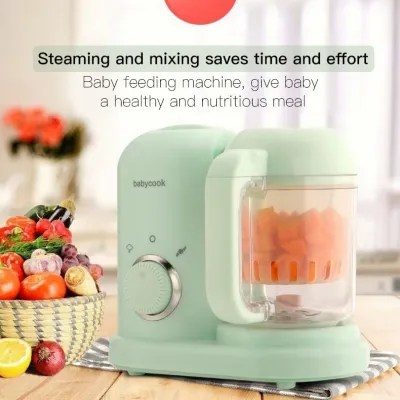
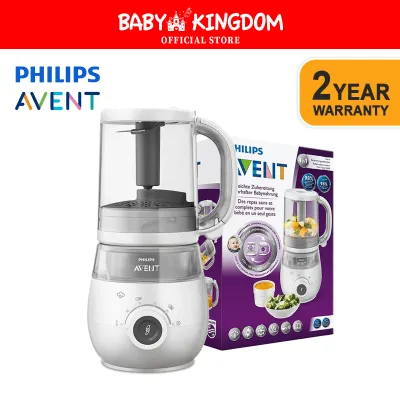
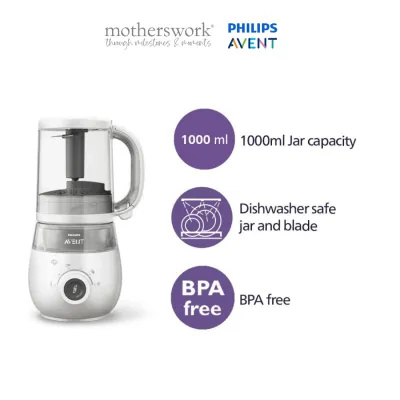
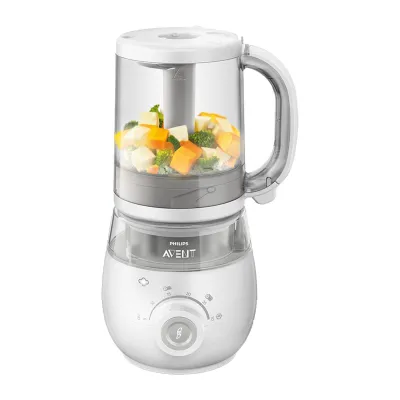
![[NEWLY UPGRADED] TOYOMI NourishMix All-In-One Baby Food Maker BBF 7003](https://img.lazcdn.com/g/p/71065d29f0e3e108344a7919d97f50dc.png_400x400q80.png_.webp)
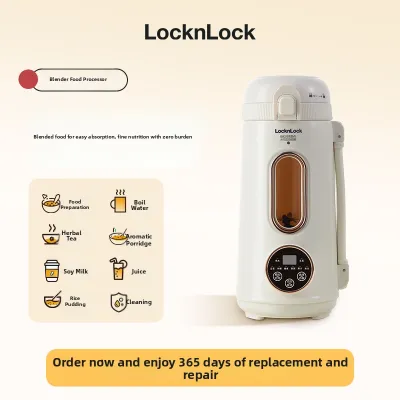
Prices are valid at publication and may change. Please refer to the product page for the latest price.
Neither option is universally superior; the right choice depends entirely on your daily routine, kitchen layout, budget, and long-term cooking plans. By evaluating how each setup impacts your preparation workflow, kitchen space, and post-meal cleanup, you can select the system that best supports your family’s weaning journey.
Core Differences in Daily Preparation Routines
The daily workflow of an all-in-one steam-blend machine is designed around maximum convenience and minimal active monitoring. To prepare a meal, you simply chop the fresh ingredients, place them into the integrated steaming basket, fill the water reservoir, and set the timer. In fully automated models, the appliance will steam the ingredients and then automatically transition to the blending cycle. In manual-transition models, you simply flip the jug upside down or press a single button to puree the steamed food. This self-contained process eliminates the need to watch over a hot stove, freeing up valuable time to care for your baby.
However, this streamlined workflow comes with inherent limitations regarding batch size. The integrated blending jugs on these specialized machines are relatively compact, typically holding between 600ml and 1000ml of food. This capacity is perfect for preparing fresh meals for the day or a few small portions to store in the fridge, but it is not built for high-volume meal prep. If you plan to spend a weekend afternoon preparing and freezing a month’s worth of diverse purees, an all-in-one unit will require you to run multiple consecutive cycles, which can be time-consuming and may cause the motor to overheat.
Using a separate steamer and blender setup involves a more traditional, multi-step process. You must first steam the vegetables, fruits, or meats using a stovetop steaming basket, a microwave-safe steamer, or a standalone multi-tier electric steamer. Once the food is cooked to a tender consistency, you must manually transfer the hot ingredients into your blending vessel—whether that is a full-sized countertop blender, a compact food processor, or a container used with an immersion blender. This process requires your active presence and careful handling of hot tools.
Despite requiring more steps, the separate setup excels when it comes to batch-cooking efficiency. Standard kitchen steamers can hold large volumes of ingredients across multiple tiers, allowing you to steam sweet potatoes, carrots, and apples simultaneously in distinct compartments. You can then blend these massive quantities in a high-capacity household blender in a single run. This is highly efficient for caregivers who prefer to prepare bulk quantities of baby food, portion them into silicone trays, and freeze them for the weeks ahead.
Safety is a paramount consideration during this daily routine, particularly when handling hot ingredients. Transferring steamed food from a hot pot to a blender carries a risk of spills and steam burns. Caregivers must always follow the manufacturer’s instructions for both appliances. When using a blender to puree hot ingredients, never exceed the maximum fill line, and ensure the blender lid is vented properly or allow the food to cool slightly before blending. Blending boiling-hot liquids in a completely sealed container can cause rapid pressure buildup, potentially forcing the lid off and spraying hot puree, which can cause severe burns.
Kitchen Space and Storage Considerations
Physical footprint and storage requirements are critical factors, especially in urban living environments. In Singapore, where many families reside in highly optimized HDB flats or condominiums, kitchen counter space is a premium resource. An all-in-one baby food maker operates as a single, self-contained unit, but it is often bulky and requires a permanent home on your countertop if you intend to use it daily. Because of its specialized shape and integrated water tank, it cannot be easily disassembled or nested to fit into shallow drawers or tight cabinet spaces.

If you choose an all-in-one unit, you must be comfortable dedicating a specific zone of your kitchen to it. Furthermore, because these machines generate steam during the cooking cycle, you must place them in an open area with good ventilation. Operating a steaming appliance directly underneath low-hanging wooden kitchen cabinets can lead to moisture accumulation, which may damage the cabinetry finish over time. You will need to pull the machine forward during use, temporarily consuming more workspace.
Evaluating a separate setup requires a different spatial analysis. While it involves two distinct functions—steaming and blending—it does not necessarily mean adding more clutter to your kitchen. If your household already owns a standard countertop blender, a food processor, or a compact immersion blender, you do not need to purchase another motorized base. Your only addition would be a simple steaming tool, such as a collapsible stainless steel or silicone steaming basket that nests perfectly inside your existing pots and takes up virtually zero cabinet space.
If you do not own a blender and must purchase both a steamer and a blending tool, the separate setup will technically comprise more physical pieces. However, these pieces are often much easier to store flexibly. A hand-held immersion blender can be tucked away in a utensil drawer, while a steaming pot can sit on your stove or stack neatly with your other cookware. This modularity allows you to keep your countertops clear when the appliances are not in use, which is a major advantage for maintaining a minimalist kitchen.
Before making a final decision, take a few minutes to measure your available counter space and cabinet heights. Consider whether you prefer the convenience of a single, permanent appliance on display, or if you prefer a modular system that can be packed away out of sight. If your kitchen is already crowded with a rice cooker, kettle, and microwave, adding a bulky all-in-one machine might make your workspace feel cramped, making the modular separate setup a more practical choice.
Cleaning, Maintenance, and Long-Term Versatility
Post-meal cleanup is a daily chore that can quickly become frustrating if your equipment is difficult to maintain. All-in-one machines are often marketed as easy to clean because they only use a single jug for both steaming and blending. However, the reality of washing these units can be complex. The blending jug contains integrated blade assemblies that are not always removable, making it difficult to scrub food residue from underneath the blades safely. The lids, steam baskets, and splash guards also feature intricate rubber gaskets, valves, and narrow crevices where pureed food can hide, requiring meticulous hand-washing with small brushes.
In contrast, separate setups often feature standard kitchen tools designed for straightforward cleaning. High-quality household blenders frequently feature completely removable blade bases, allowing you to wash every component thoroughly. Many modern blender jars and glass containers are also fully dishwasher-safe, allowing you to outsource the cleanup entirely. Standard stainless steel steaming pots or silicone baskets have no delicate electronic components, meaning they can be scrubbed vigorously, soaked in soapy water, or tossed into the dishwasher without any risk of damage.
Maintenance requirements for all-in-one units extend beyond simple dishwashing. Because these machines rely on an internal boiler to generate steam, they are highly susceptible to mineral buildup, commonly known as limescale. This is especially true if you use tap water to fill the reservoir. Over time, limescale coats the heating element, reducing steaming efficiency and potentially causing the machine to malfunction. Caregivers must perform regular maintenance by descaling the water tank with a food-grade solution, such as equal parts white vinegar and water, running a steam cycle, and rinsing it thoroughly. You must consult your specific product manual to verify the approved descaling procedures and to check which parts are safe for dishwasher use.
Long-term versatility is where the two configurations diverge significantly. The active weaning phase, during which a baby consumes smooth, fully pureed foods, is relatively brief. Within a few months, your child will transition to mashed foods, soft finger foods, and eventually modified versions of regular family meals. Once your baby outgrows purees, a dedicated all-in-one baby food maker loses its primary utility. While some models can be used to steam small portions of side dishes, the appliance often ends up stored in a cabinet or sold secondhand, offering a limited operational lifespan.
A separate setup, however, represents a long-term investment in your kitchen’s overall culinary capability. A high-quality standard blender or immersion blender is a versatile workhorse that your family can use for years. Long after your child has transitioned to adult foods, you will continue to use the blender for morning smoothies, pureed soups, homemade sauces, pancake batters, and dressings. A quality steaming pot remains a staple for healthy family cooking, from steaming vegetables and fish to heating up local buns and dim sum, ensuring excellent value for money over time.
Feature Comparison at a Glance
To help you visualize the practical trade-offs between these two approaches, the table below summarizes the key functional differences and structural realities of each setup.
| Feature | All-in-One Steam-Blend Machine | Separate Steamer & Blender Setup |
|---|---|---|
| Workflow Steps | Single-jug automated or semi-automated process; minimal active monitoring. | Multi-step process; requires manual transfer of hot food from steamer to blender. |
| Counter Space Required | Dedicated, permanent footprint; requires open ventilation for steam. | Flexible; can utilize existing tools or be stored modularly in drawers/cabinets. |
| Typical Batch Capacity | Small to medium (typically 600ml – 1000ml); optimized for fresh, daily meals. | Medium to large; highly efficient for bulk batch cooking and freezing. |
| Cleanup Complexity | Intricate parts, small crevices, and regular water tank descaling required. | Standard kitchen tools; often dishwasher-safe and easy to rinse. |
| Long-Term Versatility | Limited; generally outgrown once the baby transitions to solid family meals. | High; tools remain highly useful for general family cooking, soups, and smoothies. |
How to Decide on a Baby Puree Maker: A Practical Checklist
Choosing the right baby puree maker setup is not about finding the most expensive or highly rated product, but rather selecting the system that aligns with your household’s physical constraints and daily habits. Use this practical, conditional checklist to guide your final decision.
Choose an all-in-one steam-blend machine if:
- You want a hands-off process: You prefer to chop ingredients, press a button, and walk away to care for your baby without monitoring a boiling pot.
- You have dedicated counter space: Your kitchen has a safe, open countertop area with adequate vertical clearance to accommodate steam emissions.
- You prefer fresh, small batches: You plan to prepare fresh meals daily or every other day, rather than spending hours bulk-cooking for the freezer.
- You do not own a blender: You currently do not own a functional blender, food processor, or immersion blender, making a single purchase highly convenient.
Choose a separate steamer and blender setup if:
- Your kitchen space is limited: You have crowded countertops and prefer modular appliances that can be nested and stored in cabinets or drawers.
- You already own quality blending tools: You possess a reliable countertop blender, food processor, or hand-held immersion blender that you trust.
- You want to cook in bulk: You intend to prepare large batches of purees at once, portioning them into silicone trays to freeze for maximum efficiency.
- You want long-term value: You prefer to invest in versatile, durable kitchen tools that your family will continue to use for years after the weaning phase ends.
Crucial verification steps before you buy:
- Verify material safety: Check the product specifications to ensure all food-contact components (such as the jug, baskets, and lids) are certified food-grade and completely BPA-free.
- Verify electrical compatibility: If purchasing from international online marketplaces, ensure the appliance is compatible with Singapore's standard 230V voltage and 50Hz frequency, and carries the local Safety Mark to prevent electrical hazards.
- Verify warranty and support: Confirm the manufacturer's warranty terms and check for any active product recalls to ensure you are bringing a safe, reliable appliance into your home.
- Assess developmental readiness: Ensure your chosen preparation method aligns with your baby's current developmental stage, and always supervise your infant closely during feeding times. If you have any concerns regarding your child's feeding progress, allergies, or physical readiness for solids, stop use and consult a qualified pediatrician.
Frequently Asked Questions (FAQ)
Can I use a regular kitchen blender instead of a dedicated baby food blender?
Yes, a standard household blender, food processor, or hand-held immersion blender is perfectly capable of processing fruits, vegetables, and meats into smooth purees for your baby. However, there are a few practical guidelines you must follow to ensure safety and quality. First, ensure the blender is thoroughly washed and sanitized before use to eliminate any residues of strong spices, garlic, chili, or raw meat from previous adult meals, which could upset a baby’s sensitive stomach. Second, check your blender’s instruction manual regarding minimum volume requirements. Many high-powered, large-capacity countertop blenders require a minimum amount of liquid and solid ingredients to engage the blades effectively. Trying to blend a single serving of carrots in a massive blender jar often results in the food getting stuck to the sides, making a compact immersion blender or a small food processor a much more effective choice for tiny portions.
Do all-in-one baby puree makers retain nutrients better than standard steamers?
No, there is no scientific evidence to support marketing claims that specialized all-in-one baby food appliances preserve nutrients better than standard kitchen steaming methods. Steaming is inherently one of the most effective cooking techniques for preserving water-soluble vitamins, such as Vitamin C and various B vitamins, because the food does not sit directly in boiling water where nutrients can leach out. This nutritional benefit is a result of the steaming process itself, not the specific appliance used. Nutrient retention depends on cooking time, temperature control, and the freshness of your ingredients. To maximize nutrient retention, steam your ingredients only until they are tender enough to be easily pierced with a fork, avoiding overcooking. If your appliance instructions permit doing so safely, you can also incorporate some of the leftover, nutrient-rich condensation water from the bottom of the steamer back into the puree to adjust its consistency.

Community discussion
Share your experience or ask a question. Comments are reviewed before publication.