
Direct Answer: Which Tool Fits Your Feeding Routine?
Choosing the right baby food preparation method is not a matter of finding a single, universally superior tool. Instead, the ideal choice depends on three practical variables: your daily time availability, your kitchen’s physical space, and your baby’s current developmental feeding stage. By evaluating these factors, you can select a tool that integrates smoothly into your household routine without introducing unnecessary stress.
To help you decide quickly, consider this straightforward matching framework:
- Choose a steam-blend machine if you prioritize hands-off, one-touch cooking, have limited kitchen space, and prefer preparing small batches of fresh food with minimal cleanup of multiple pots and pans.
- Choose a regular blender or food processor if you already own high-quality kitchen appliances, regularly cook large batches of food for the entire family, and do not mind washing separate cooking and blending components.
- Choose a manual masher or sturdy fork if your baby is in the early weaning phase, you prefer minimal equipment, or you want to intentionally control the food's texture to help your baby practice chewing.
While exploring these tools, keep in mind that solid foods are typically introduced to infants around six months of age. Because every child develops at their own pace, always consult a pediatrician or a qualified healthcare professional to establish a personalized feeding timeline and ensure your baby is developmentally ready for solids.
Products mentioned in this guide
![[SAFETY MARK] Einmilk Baby Food Maker 4-in-1 Multifunctional Baby Food Maker Blends Steam Warm Defrost Food](https://img.lazcdn.com/g/p/6394940590e82cbbbf2670f44b4f221c.jpg_400x400q80.jpg_.webp)
![[NEWLY UPGRADED] TOYOMI NourishMix All-In-One Baby Food Maker BBF 7003](https://img.lazcdn.com/g/p/71065d29f0e3e108344a7919d97f50dc.png_400x400q80.png_.webp)
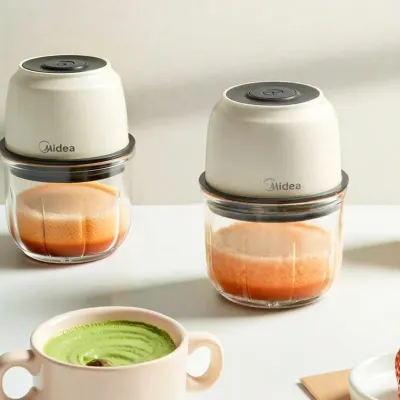
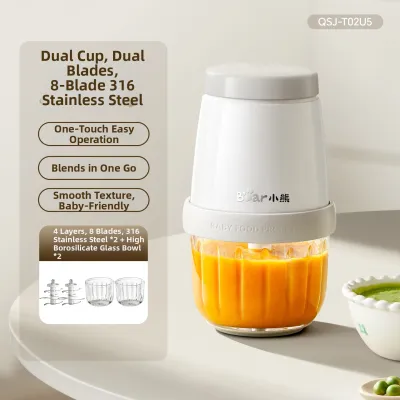
![SG🔥 [READY STOCK] Grinder Blender Portable blender Baby food blender Garlic chopper Food chopper](https://img.lazcdn.com/g/p/d3fc10e77169961cff6c979118330b42.jpg_400x400q80.jpg_.webp)
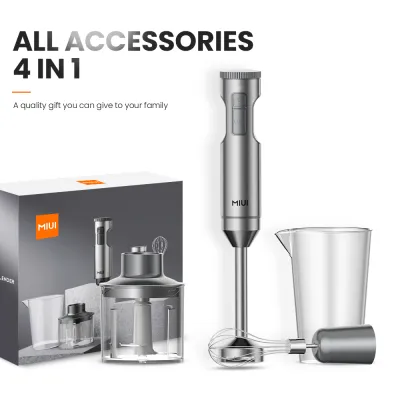
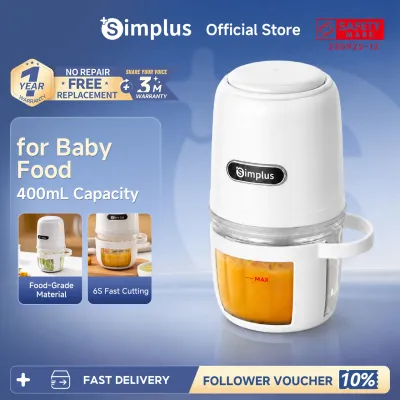
Prices are valid at publication and may change. Please refer to the product page for the latest price.
Comparing the Three Baby Food Preparation Methods
To make an informed decision, it is helpful to understand how these three preparation methods function, their operational limits, and where they perform best. Each tool offers distinct advantages depending on how you prefer to manage your kitchen workflow.

Steam-Blend Machines
Steam-blend machines are specialized, all-in-one appliances designed specifically for infant food preparation. These devices combine steam-cooking and blending functions within a single jar, allowing you to steam raw ingredients like diced vegetables, fruits, or meats, and then blend them into a puree without transferring the hot food between different containers.
This integrated cycle is highly convenient for busy parents who want to minimize active cooking time. Instead of monitoring a boiling pot on the stove, you can set the timer and attend to other tasks. These machines also feature a relatively compact footprint, making them easy to keep on your counter.
However, performance, capacity, and features vary significantly by model. When shopping for a steam-blend machine, verify the water tank capacity, the blade material, the operating noise level, and how easily the components disassemble for cleaning. Be aware that these machines are single-purpose appliances; once your child transitions fully to family table foods, the device may no longer serve a daily purpose in your kitchen.
Regular Blenders and Food Processors
Using a standard countertop blender, immersion blender, or food processor allows you to leverage appliances you likely already own. This approach is highly cost-effective because it eliminates the need to purchase a dedicated baby-only appliance. High-powered home blenders excel at processing large quantities of food quickly, making them ideal if you plan to batch-cook and freeze several weeks of purees at once.
Despite their power and versatility, regular blenders require you to cook the ingredients separately beforehand—either by boiling, steaming, or baking them in standard cookware. This adds steps to your preparation routine and increases the number of dishes to wash.
Hygiene is another critical consideration when sharing appliances between adult meals and infant food. You must thoroughly clean and sanitize the blender jar and blade assembly to avoid cross-contamination from strong spices, garlic, chili, or raw food residues. Additionally, because standard blenders are designed for high volume, they may struggle to process very small, single-serving batches of baby food. Always check your manufacturer’s guidelines to see if your blender can safely handle small quantities without straining the motor.
Manual Mashers and Forks
Manual tools, such as hand-held mashers, specialized baby food grinding bowls, or simple metal forks, represent the most traditional approach to food preparation. These tools are inexpensive, highly portable, and incredibly easy to clean, as they have no electrical components, motors, or complex gaskets.
Manual mashing is particularly valuable during the transitional stages of weaning. It gives you precise, tactile control over the food’s consistency, allowing you to easily leave small lumps that encourage your baby to develop chewing skills. This is often more difficult to achieve with electric blenders, which can quickly turn ingredients into a completely smooth liquid.
The primary limitation of manual tools is that they require ingredients to be thoroughly pre-cooked until they are exceptionally soft. Hard or highly fibrous foods, such as celery, green beans, or certain meats, can be very difficult to process manually and may still present choking hazards if not sufficiently softened. For this reason, manual mashers are often best used as a complementary tool alongside an electric appliance, rather than a total standalone preparation solution.
Quick Comparison Overview
| Feature | Steam-Blend Machines | Regular Blenders | Manual Mashers & Forks |
|---|---|---|---|
| Preparation Time | Low active time; automated steaming and blending | Moderate active time; requires separate cooking steps | High active time; requires thorough pre-cooking and manual effort |
| Cleaning Effort | Moderate; requires descaling water tanks and washing blades | Moderate to high; multiple pots, jars, and sharp blades to sanitize | Very low; simple hand-washing of basic, non-electric tools |
| Counter Footprint | Small to moderate; dedicated countertop space required | Moderate to large; uses existing kitchen appliance space | Extremely small; fits easily into standard cutlery drawers |
| Best Feeding Stage | Smooth purees to soft textures (6 to 10 months) | Smooth purees and large batch preparation (6+ months) | Textured mashes and transitional foods (8+ months) |
| Multi-Function Use | Limited; primarily designed for infant portions | High; used daily for family meals, soups, and smoothies | High; useful for everyday family cooking tasks |
| Cost Range | Moderate to high (S$100 to S$300+ typical) | None (if using existing tools) to high for premium models | Very low (typically under S$20) |
Key Factors to Match the Tool with Your Lifestyle
To choose the best preparation method, you must look beyond the technical specifications and evaluate how each tool aligns with your daily life, kitchen environment, and your baby’s growth.
Cooking Habits and Time
Your preferred cooking style plays a major role in this decision. If you prefer batch cooking—spending a few hours on the weekend preparing large quantities of purees to freeze in silicone trays—a high-capacity regular blender or food processor is highly efficient. It can process large volumes of ingredients in seconds.
If you prefer preparing fresh, small portions of food daily, a steam-blend unit is often more practical. It allows you to chop a small portion of vegetables, place them in the machine, and walk away while it cooks and purees. Manual mashers are also excellent for quick, single-serving meals, such as mashing a ripe banana or a slice of avocado directly in the serving bowl.
Kitchen Space and Storage
In Singapore’s urban housing context, where kitchen counter and cabinet space in HDB flats and condominiums is often limited, appliance clutter is a real concern. Introducing a single-purpose appliance like a steam-blend machine means dedicating permanent counter space or finding room in a crowded cabinet.
If your kitchen is already tight, utilizing your existing family blender or relying on compact manual tools helps keep your workspace organized. Additionally, consider cord management and the number of small accessories or spare parts that come with the device, as these require dedicated storage space to prevent them from getting lost.
Baby's Developmental Stage and Texture Needs
Infant feeding needs change rapidly over the course of a few months. At six months, babies typically start with completely smooth, runny purees to learn how to swallow solid food. Electric blenders and steam-blend machines are excellent at achieving this ultra-smooth consistency.
By eight to ten months, infants need to transition to thicker, lumpier textures to develop their jaw muscles and chewing coordination. Continuing to feed only perfectly smooth purees can delay this developmental progress. During this transitional phase, manual mashers or the pulse function on a regular blender become essential for creating the appropriate texture. Eventually, as your child moves to finger foods and family meals, the need for intensive blending decreases entirely.
Safety and Material Verification
Because these tools prepare food for a developing infant, safety is paramount. Always check product labels and manufacturer documentation to verify that all food-contact components are certified BPA-free and made from food-grade materials, such as high-quality stainless steel or heat-resistant glass.
When using appliances that heat food, remember that steam vents and metal parts can become extremely hot. Always position these devices on stable, flat surfaces well away from the edge of the counter, and keep power cords completely out of reach of children. Never leave a running appliance unattended, and ensure you follow all safety locks and lid mechanisms specified by the manufacturer.
Practical Usage, Cleaning, and Maintenance Tips
Proper care and maintenance not only extend the lifespan of your kitchen tools but also ensure that the food you prepare remains hygienic and safe for your baby.
Steam-Blend Machines
- Immediate Rinsing: Rinse the blending jar and blade assembly under warm running water immediately after each use. If food residues dry on the blades, they become significantly harder to clean and can harbor bacteria.
- Regular Descaling: Because steam-blend machines rely on heating water, mineral deposits (scale) can build up in the water reservoir over time, especially when using tap water. Descale the tank periodically according to the manufacturer's instruction manual, typically using a mixture of food-grade citric acid or white vinegar and water.
- Vent Maintenance: Ensure that the steam pathways and exhaust vents remain completely unobstructed to prevent pressure buildup.
- Thorough Drying: In Singapore’s humid tropical climate, mold can develop quickly in enclosed spaces. Allow all components, especially the water tank lid and rubber seals, to air-dry completely in a well-ventilated area before reassembling the unit for storage.
Regular Blenders
- Sanitization: If you use your household blender for adult meals, take extra care to sanitize the jar and blade assembly before preparing baby food. Wash all parts in hot, soapy water, or run them through a sanitation cycle if your dishwasher supports it.
- Gasket Inspection: Periodically remove and inspect the rubber seals, gaskets, and O-rings. Food particles and moisture can trap themselves beneath these seals, leading to mold growth. Replace worn or stretched gaskets immediately with manufacturer-approved spare parts.
- Avoid Overloading: Do not overfill the blender, and avoid running the motor continuously for long periods when processing thick mixtures. If the ingredients are not circulating, stop the machine, scrape down the sides, or add a small amount of breast milk, formula, or water to help the blades spin freely.
Manual Mashers
- Prompt Washing: Flush the mesh holes, slots, or grinding plates under running water immediately after mashing. Dried starches from potatoes, pumpkins, or apples can clog the small openings.
- Avoid Harsh Abrasives: Use a soft sponge or a dedicated bottle brush to clean manual tools. Avoid using steel wool or highly abrasive scrubbing pads, which can scratch plastic grinding bowls or strip protective coatings from metal mashers.
General Safety Boundaries
Always ensure that every food-contact part is entirely dry before storing it in a closed cupboard. Never submerge the motor base, power cord, or electrical heating elements of any appliance in water; instead, wipe the exterior clean with a damp cloth. If you notice cracked plastic housing, a leaking jar, dull or nicked blades, or if the motor produces unusual noises or a burning smell, discontinue use immediately. Do not attempt to disassemble electrical components yourself; consult the manufacturer’s customer service or a qualified technician for repairs or replacements.
When to Upgrade, Replace, or Combine Tools
Your equipment strategy does not have to remain static. Many families find that a phased or combined approach is the most practical and cost-effective way to navigate the weaning journey.
For example, you might start with simple manual tools or your existing kitchen blender during the first few weeks of introducing solids, when your baby is only consuming tiny portions. If you find that the daily routine of boiling and blending becomes too time-consuming, you might then choose to invest in a dedicated steam-blend machine to streamline the process during the peak pureeing months.
As your baby grows and begins eating more textured foods, you can gradually phase out the intensive blending and rely more heavily on manual mashers and forks to prepare soft family foods. Eventually, your child will transition to standard family meals, at which point you can retire the baby-specific gear and return to using your standard kitchen blenders for family cooking.
Keep an eye out for clear signs that a tool needs replacement. Safety and hygiene should always take priority over trying to extend the life of a damaged appliance. Consider replacing your tools if you experience any of the following:
- Persistent food odors or deep stains that do not disappear after thorough cleaning.
- Cracks, deep scratches, or cloudiness in plastic jars and bowls, which can trap bacteria.
- Dull, rusted, or damaged blades that tear food rather than cutting or pureeing it smoothly.
- Intermittent motor function, overheating, or electrical cord wear.
Ultimately, combining tools is often the most efficient path. Using a steam-blend machine or family blender to prepare bulk bases of root vegetables, while keeping a manual masher on hand for quick texture adjustments or fresh fruits, allows you to enjoy the best of both worlds.
Frequently Asked Questions (FAQ)
Can I use a regular blender for newborn baby food?
Infants do not require solid foods or blended meals during the newborn stage. For approximately the first six months of life, babies receive all their necessary nutrition from breast milk or infant formula. Solid foods should only be introduced when the baby is developmentally ready, typically around six months of age. Once your baby reaches this stage and is ready to start weaning, a regular household blender is perfectly suitable for preparing smooth purees. However, you must ensure the blender jar, blades, and seals are thoroughly cleaned, sanitized, and completely free of any adult food residues, spices, or potential allergens before processing your baby’s meals. Always consult a pediatrician or a qualified healthcare professional before introducing solid foods to your child.
Are steam-blend machines safe for storing baby food?
No, steam-blend machine jars are not designed or intended for storing baby food. Leaving freshly cooked, warm food inside the blending jar creates a highly favorable environment for rapid bacterial growth, especially as the food slowly cools down to room temperature. Additionally, storing acidic or strongly colored foods directly in the blending jar can degrade the plastic components and cause permanent staining or odors over time. Once you finish steaming and blending the food, allow it to cool slightly, then transfer it immediately into clean, airtight, food-grade storage containers. You can store these containers in the refrigerator for short-term use or portion the food into silicone freezer trays for longer-term storage, always adhering to standard food safety guidelines for infant nutrition.

Community discussion
Share your experience or ask a question. Comments are reviewed before publication.