
Quick Answer: Which Baby Grinder Should You Choose?
Choosing between a steam-blend baby grinder and a blend-only baby grinder depends entirely on your existing kitchen setup, your daily schedule, and how you prefer to manage baby food preparation. There is no single option that suits every household, as each type of appliance is designed to support a different culinary workflow.
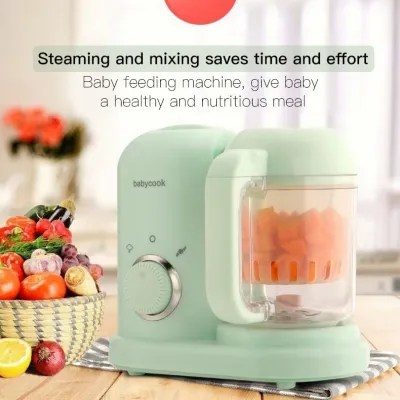
Steam-blend models provide an all-in-one, highly convenient solution. They steam and blend ingredients within the same machine, making them ideal for busy caregivers who want a hands-off, “set-and-forget” process and are starting their baby food journey from scratch. This setup minimizes the number of dirty dishes and simplifies the transition to solid foods.
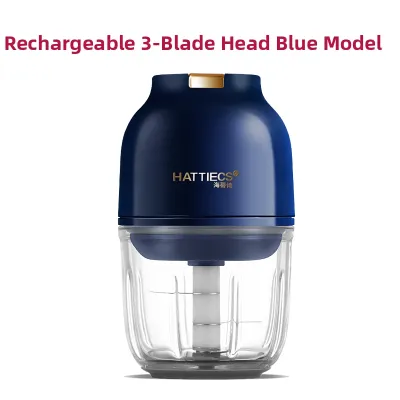
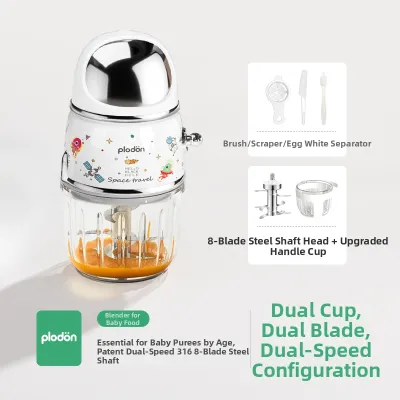
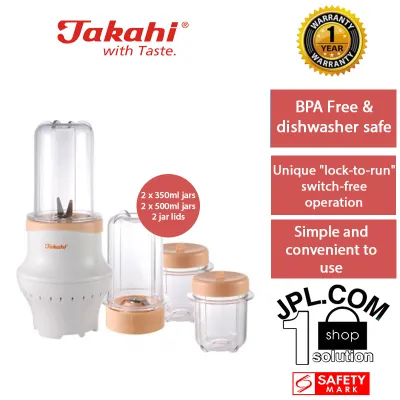
Blend-only models function strictly as compact food processors. They require you to cook ingredients beforehand using a separate stove, microwave, or steamer, but they offer greater flexibility for batch cooking, cost less upfront, and are much easier to clean and store. This option is highly practical if you already own reliable steaming equipment or prefer preparing large batches of food to freeze for the week.
Products mentioned in this guide
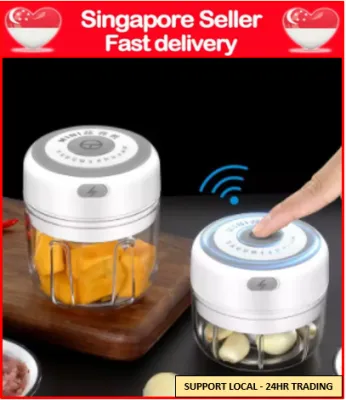
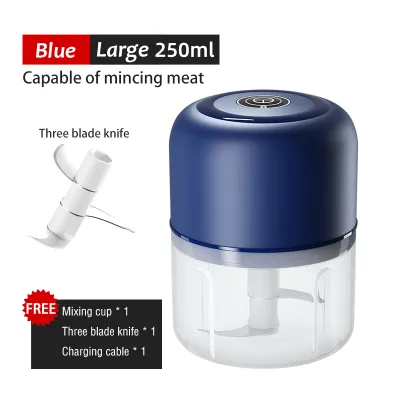
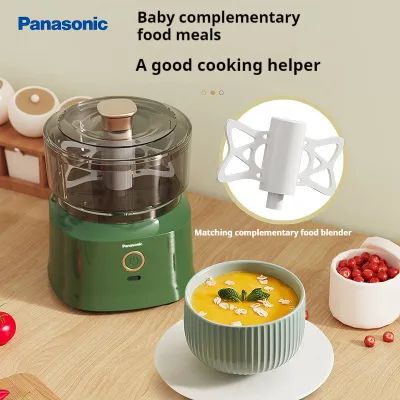
Prices are valid at publication and may change. Please refer to the product page for the latest price.
Ultimately, neither machine is universally superior. The right choice is the one that aligns with your family’s daily routine, your kitchen’s storage capacity, and the appliances you already own. By evaluating how you plan to prepare, store, and serve your baby’s meals, you can select the tool that makes weaning a smooth and stress-free experience.
Core Functional Differences Explained
To make an informed decision, it is essential to understand the mechanical and operational differences between these two appliance categories. A steam-blend baby grinder features a built-in water reservoir and an integrated heating element. When you add water and raw ingredients, the machine generates steam to cook the food inside a dedicated steaming basket. Once the cooking cycle finishes, you either flip the basket over or transfer the steamed ingredients directly into the blending jug to puree them. This entire process happens within a single, self-contained unit, which significantly reduces the steps required to prepare fresh food.

In contrast, a blend-only baby grinder functions strictly as a miniature food processor or blender without any heating or cooking capabilities. You must first steam, boil, bake, or microwave the raw ingredients using your existing kitchen appliances. Once the food is cooked and soft, you transfer it to the baby grinder to blend it to the desired consistency. Because these units lack water tanks, heating elements, and complex steam pathways, they feature a much simpler design consisting primarily of a motor base, a blade assembly, and a compact blending cup.
These mechanical differences directly impact the physical footprint of the appliances on your kitchen counter. Steam-blend models are inherently bulkier and heavier because they must house both a heating element and a water reservoir. They also require access to a power outlet near an open space where steam can safely vent. Blend-only models are lightweight, highly portable, and can easily be tucked away in a drawer or cabinet when not in use, making them highly suitable for smaller living spaces.
Key Comparison Dimensions for Baby Food Preparation
Cooking Time and Daily Convenience
When evaluating daily preparation, the workflow of each machine determines how much active attention you must dedicate to cooking. Steam-blend models excel in hands-off convenience. You chop the raw vegetables, fruit, or meat, place them in the basket, fill the water reservoir, and start the timer. While the machine steams, you can attend to your baby or manage other household tasks without worrying about pots boiling over on the stove. However, the steaming process itself is bound by physical laws; dense root vegetables like carrots or sweet potatoes will always require a fixed steaming time of 15 to 20 minutes before they are ready to blend.
The blend-only workflow requires more active, multi-step management but offers greater speed during the final stage. You must monitor the cooking process on your stove or in a separate steamer. Once the food is cooked, you manually transfer it to the blender. While this requires more hands-on steps and creates more dishes to wash, the actual blending process is incredibly fast, taking only a few seconds to a minute to reach a smooth consistency.
Your choice here often depends on your meal prep philosophy. If you prefer preparing fresh, single-serving meals for your baby every day, the “set-and-forget” nature of a steam-blend machine is highly advantageous. If you prefer batch-cooking large portions over the weekend, freezing them in silicone trays, and thawing them as needed, a blend-only grinder is often more practical. Batch cooking in a large stove-top steamer allows you to process much larger quantities of food at once than the limited basket capacity of a typical steam-blend machine.
Nutrient Retention and Food Texture
Caregivers naturally prioritize the nutritional quality and texture of the food they serve. Steaming is widely recognized as an excellent method for preserving water-soluble vitamins (such as vitamin C and various B vitamins) compared to boiling, where nutrients often leach into the cooking water. Steam-blend models naturally keep these nutrients within the cooking chamber, and any nutrient-rich condensation that pools at the bottom of the jug can be blended directly back into the puree. When using a blend-only model, you can achieve the same nutritional retention by steaming your ingredients in a traditional stove-top basket rather than boiling them, and manually adding the leftover steaming liquid into the blender cup. Always consult specific manufacturer guidelines for optimal water levels and steaming times to ensure food safety and maximize nutrient retention.
Achieving the correct texture is critical for your baby’s developmental stage. Both steam-blend and blend-only grinders can produce ultra-smooth, silky purees suitable for babies just starting solids. However, the ability to control texture depends heavily on the motor power, blade design, and pulsing features of the specific model rather than the general category of the machine. Some premium steam-blend models feature automatic multi-stage programs, while many blend-only models rely on a simple press-to-blend mechanism that gives you precise, manual control over the pulse length. Before purchasing, verify the manufacturer’s specifications regarding the minimum blending volume; some models require a minimum amount of liquid or food to engage the blades properly, which can lead to frustration if you are trying to prepare tiny, single-serving portions.
Cleaning, Maintenance, and Counter Space
Post-meal cleanup is a major factor in long-term satisfaction. Steam-blend grinders have a more complex anatomy, which translates to a more involved cleaning routine. You must wash the blending jug, the steaming basket, the blade assembly, and the rubber seals. More importantly, the water reservoir requires regular maintenance. Because tap water contains minerals, heating elements will eventually develop scale buildup. This requires periodic descaling with white vinegar or a manufacturer-approved descaling solution to prevent heating failures and ensure hygienic steam production. In humid climates like Singapore, it is also crucial to let the water reservoir dry completely to prevent mold growth.
Blend-only grinders are significantly easier to maintain. Because they do not process water or generate heat, there is no water tank to descale or dry out. The cleanup is limited to washing the blending cup and the blade assembly. Many caregivers find this simpler routine much easier to sustain during busy weekdays when time is limited.
Kitchen layout and storage are also key constraints, particularly in typical Singapore apartments where countertop real estate is highly valued. A steam-blend machine demands a permanent or semi-permanent spot on your kitchen counter due to its size and weight. If you have a compact kitchen, a blend-only grinder is highly advantageous; its small footprint means it can easily be stored in a pantry or drawer when not in use. Whichever model you consider, always check the manufacturer’s instruction manual to verify which components are dishwasher-safe, as high dishwasher temperatures can warp certain plastics or degrade rubber seals over time.
Matching the Grinder to Your Baby's Weaning Stages
As your baby grows, their nutritional and developmental needs change rapidly, and the ideal food texture evolves alongside them. Around six months of age, during the initial stage of weaning, babies require completely smooth, lump-free purees. Both steam-blend and blend-only grinders handle this stage exceptionally well. The primary consideration here is portion size. Because young babies consume very small amounts of food, you must ensure the grinder you choose can efficiently process small volumes without throwing the ingredients to the sides of the jar, out of reach of the blades. Always verify the age and development stage suitability of any food preparation method from the specific product documentation before feeding your baby.
Between seven and nine months, babies transition to thicker, textured purees and mashed foods with soft lumps. During this transitional phase, precise control over the blending process becomes vital. Blend-only models, with their simple manual pulse controls, allow you to easily monitor the texture and stop blending the moment you achieve a finely minced or textured consistency. Some steam-blend models can make this transition slightly more challenging; if the automated cycle blends for too long, or if the blade speed is too high, you may accidentally over-process the food into a liquid puree when you intended to create a textured mash.
By ten to twelve months and beyond, your child will begin eating soft finger foods and gradually transition to modified versions of family meals. At this stage, the long-term utility of a dedicated baby food maker comes into play. A blend-only grinder may become redundant if you already own a standard, full-sized kitchen blender or food processor that can handle family-sized portions. However, a steam-blend unit can still find utility as a quick, energy-efficient way to steam small, individual portions of vegetables, fish, or poultry specifically for your toddler, even after they have outgrown pureed foods. When choosing a machine, verify the maximum capacity and the motor’s rated durability to ensure it can support your family’s needs through these changing developmental stages.
Decision Framework: Choose Steam-Blend or Blend-Only?
To finalize your decision, evaluate your household’s specific circumstances against these clear guidelines.
Choose a Steam-Blend Grinder if:
- You want a highly convenient, all-in-one appliance that handles both cooking and pureeing in a single container.
- You have a busy daily schedule and prefer a "set-and-forget" cooking process that does not require you to monitor a stove.
- You are starting your baby food journey without any existing steamers or small blenders in your kitchen.
- You have dedicated counter space in your kitchen to accommodate a slightly larger, permanent appliance.
- Your budget allows for a higher upfront investment, typically ranging from S$100 to S$300+ depending on the brand and features.
Choose a Blend-Only Grinder if:
- You already own a reliable stove-top steamer, multi-cooker, or microwave steaming basket that you are comfortable using.
- You prefer batch-cooking large quantities of baby food over the weekend to freeze, rather than making small, fresh meals daily.
- You have limited kitchen counter space and need a compact appliance that can be easily stored in a cabinet or drawer.
- You are looking for a highly budget-friendly entry point into baby food preparation, with models typically ranging from S$30 to S$100.
- You want a simple cleaning routine with fewer parts to wash and no water reservoir to descale.
Verify first if: Before purchasing any new appliance, audit your current kitchen inventory. If you already own a high-quality standard blender, a hand immersion blender, or a food processor, you may not need a dedicated baby grinder at all. Many standard blenders can easily replicate the function of a blend-only baby grinder. However, you must check the minimum blending volume of your current equipment. Full-sized blenders often require a large volume of food to blend effectively, which can lead to significant food waste if you are only preparing a single serving of baby food. If your existing blender cannot process small quantities, a dedicated baby grinder remains a highly practical investment.
Frequently Asked Questions (FAQ)
Can I use a regular kitchen blender instead of a dedicated baby grinder?
Yes, you can use a regular kitchen blender, but there are practical limitations to keep in mind. Standard household blenders are designed with large jars meant for family-sized portions or smoothies. When you attempt to blend a very small portion of baby food—such as a single floret of broccoli or half a sweet potato—the ingredients often get trapped under or thrown above the blades, preventing a smooth puree. Dedicated baby grinders are specifically engineered with smaller blending cups and specialized blade configurations designed to process tiny, single-serving quantities efficiently without wasting food.
Do steam-blend grinders require special maintenance?
Yes, steam-blend models require more maintenance than blend-only models due to their heating elements and water reservoirs. Over time, minerals from tap water will deposit on the heating element, forming scale that can reduce heating efficiency or cause the machine to malfunction. To prevent this, you must regularly descale the water tank. Always refer to the manufacturer’s instruction manual for the recommended cleaning frequency and approved descaling agents. Many manufacturers recommend using a simple solution of white vinegar and water, but you must follow their exact ratios and safety guidelines to avoid damaging the internal seals or voiding your warranty.

Community discussion
Share your experience or ask a question. Comments are reviewed before publication.