
Quick Answer: Which Baby Food Processor Type is Right for You?
Choosing the right baby food processor depends on your weaning strategy, kitchen space, and preferred meal prep workflow. Steam-and-blend models offer an all-in-one, hands-off solution that cooks and purees ingredients in a single jar, making them highly convenient for early weaning stages and fresh, daily meal preparation. In contrast, blend-only models are versatile, high-capacity kitchen blenders that require you to cook ingredients separately, making them ideal for preparing large batches of food to freeze and transitioning to textured family meals.
To guide your decision, consider these quick scenarios:
- Choose a steam-and-blend model if you are starting early weaning, want to minimize washing up, have limited kitchen counter space, and prefer preparing single or double servings of fresh purees with minimal hands-on effort.
- Choose a blend-only model if you prefer preparing large batches of food to freeze, want an appliance that can also make family smoothies or soups, already have a reliable steaming method, or are transitioning your baby to chunkier, textured meals.
Core Functional Differences Explained
The fundamental difference between these two appliance categories lies in their mechanical design and cooking capabilities. This design divergence completely alters your kitchen workflow, determining whether you can complete the entire cooking process within a single machine or if you need to coordinate multiple kitchen tools.
Products mentioned in this guide
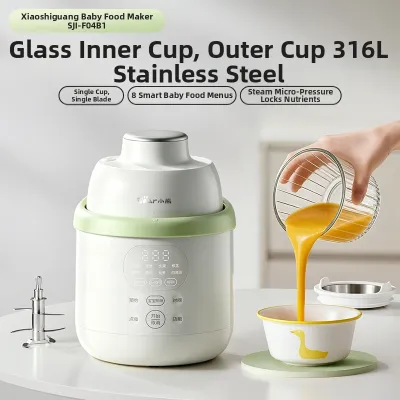
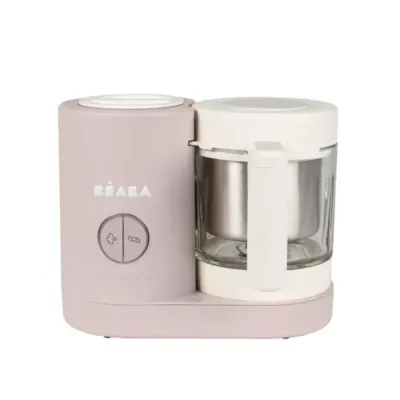
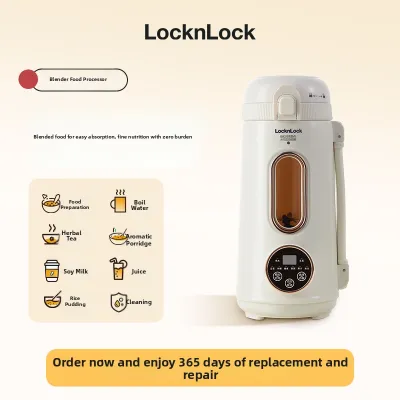
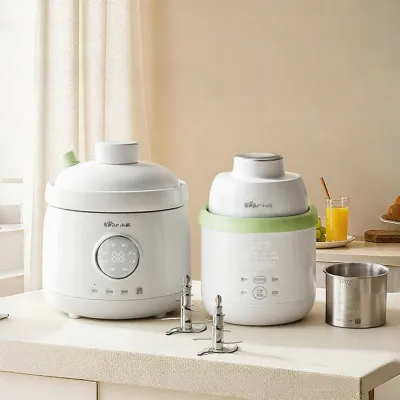
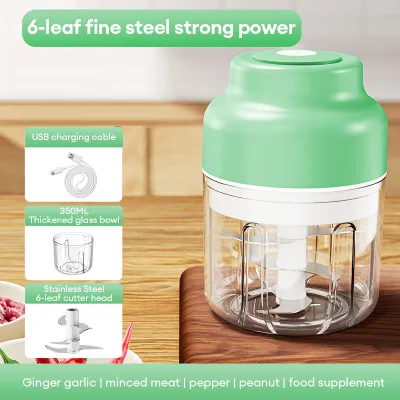
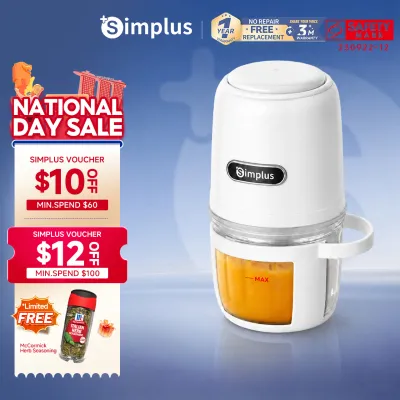
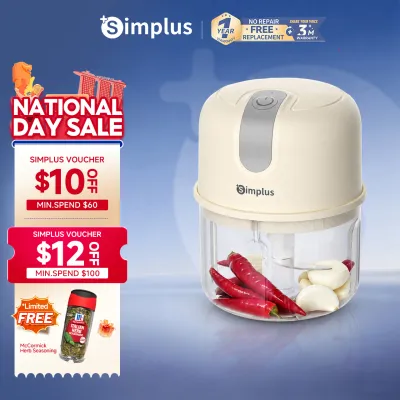
Prices are valid at publication and may change. Please refer to the product page for the latest price.

Steam-and-Blend Models (All-in-One)
Steam-and-blend models integrate a water heating reservoir and a blending mechanism into a single unit. The workflow is designed to minimize food handling and transfer. You begin by adding water to the integrated tank, placing chopped raw ingredients into the steaming basket or jar, and setting the steam timer. As the water heats, steam is channeled through the ingredients to cook them gently.
Once the steaming cycle concludes, the design of the unit determines the next step. Some models require you to physically flip the jar upside down to position the blades for blending, while other designs use a removable basket or an automated transition system. Because these appliances rely on precise steam circulation to cook food evenly, their jar capacities are typically compact, usually ranging from 600ml to 1,000ml. This limited capacity ensures that heat is distributed uniformly and that the blades can easily reach all ingredients to create an ultra-smooth consistency.
Blend-Only Models (Multi-Function Blenders)
Blend-only baby food processors operate without a heating element or water reservoir. These units function purely as high-powered blending and chopping systems, meaning they cannot cook raw ingredients. To prepare baby food with a blend-only model, you must first steam, boil, or roast your ingredients separately using standard stovetop pots, microwave steamers, or ovens before transferring the softened food into the blender jar.
Because they lack heating components, blend-only models do not require complex steam pathways, allowing manufacturers to focus on motor power and blade design. These appliances typically feature larger jar capacities, often ranging from 1.2 liters to over 2 liters, and significantly stronger motors. This extra power allows them to handle tougher ingredients, dry grains, and larger volumes of food. This makes them highly versatile tools that can transition from making baby purees to preparing family meals, smoothies, and baking ingredients.
Matching the Processor to Your Baby's Weaning Stage
Your baby’s developmental milestones and nutritional needs evolve rapidly during the first year of life. The texture of the food, the batch sizes you prepare, and the complexity of the ingredients will change, directly influencing which type of processor is most useful at each stage.
Early Weaning: Smooth Purees and First Tastes
Around the age of six months, infants begin their transition to solid foods, starting with single-ingredient purees. During this initial stage, the primary goal is to introduce gentle flavors and ensure the food is completely smooth to prevent choking. Steam-and-blend models excel during this phase because they are optimized for processing small quantities of food, such as a single apple, a small sweet potato, or a handful of spinach.
Steaming is an excellent method for softening hard root vegetables and fruits while preserving their natural moisture. In an all-in-one unit, the steam condenses inside the sealed jar, retaining the nutrient-rich cooking liquid. When the machine switches to the blending phase, this liquid is mixed back into the puree, helping you achieve a perfectly smooth, runny consistency without needing to add extra water. The simplified, often one-handed operation of these machines is highly beneficial for parents managing a busy schedule with a young infant. Always consult your pediatrician or a qualified healthcare professional for guidance on introducing specific solid foods and identifying potential allergens.
Late Weaning and Toddler Meals: Chunky Textures and Family Food
As infants reach 8 to 12 months, they develop better chewing and swallowing coordination, requiring a transition from smooth purees to thicker, textured mashes, minced foods, and soft finger foods. During this stage, the daily volume of food your baby consumes increases, and meals begin to include more complex ingredients like steamed meats, fish, and fibrous green vegetables.
Blend-only models become highly practical during this transitional phase. Their powerful motors and robust blade assemblies can easily mince cooked chicken, pork, or fish, and process fibrous vegetables without clogging. Because these models offer precise speed controls and pulse settings, you can easily control the final texture, creating a coarse chop or a chunky mash rather than a uniform puree. Furthermore, the larger capacity of blend-only jars allows you to prepare large batches of food, which can be portioned into silicone trays and frozen for the week. This batch-cooking approach saves significant time as your toddler begins eating multiple meals a day.
Practical Comparison: Convenience, Cleaning, and Safety
Beyond developmental stages, the daily usability of the appliance in your home is a major factor in long-term satisfaction. Evaluating how each machine fits into your kitchen space, daily routine, and maintenance habits will help you avoid post-purchase regret.
Kitchen Footprint and Daily Workflow
In many Singapore households, particularly in HDB flats where kitchen counter space is highly valued, appliance size is a key consideration. Steam-and-blend models feature a compact, vertical footprint that consolidates several cooking steps. By using a single appliance to steam and blend, you eliminate the need for separate pots, stovetop steamers, and colanders, keeping your countertop organized and reducing the pile of dishes in the sink.
However, this compact design limits your workflow to one batch at a time. If you want to prepare multiple distinct purees—such as apple, broccoli, and chicken—you must run separate cycles and wash the jar between each run. Blend-only models require you to use separate pots or a multi-tier stovetop steamer to cook your ingredients. While this increases the number of items to wash, it allows you to steam multiple ingredients simultaneously on the stove. Once everything is cooked, you can quickly blend them in sequence or process one large, combined batch in the high-capacity blender jar.
Cleaning and Maintenance Requirements
Keeping your baby food processor hygienic is crucial for your child’s health. Steam-and-blend models require diligent, regular maintenance due to their dual-function design. The water reservoir is prone to accumulating mineral scale from tap water over time. Regular descaling using food-grade citric acid or white vinegar is necessary to keep the heating element working efficiently and to ensure the steam remains clean. Additionally, you must thoroughly clean and dry the steam vents, silicone gaskets, and lid pathways to prevent mold or bacteria from growing in hidden, damp areas.
Blend-only models are generally much simpler to clean and maintain. Because they do not have water reservoirs or internal steam pathways, there are no hidden areas where moisture can collect. Most blend-only jars, lids, and removable blade assemblies are straightforward to wash by hand, and many are rated as dishwasher-safe by the manufacturer. Regardless of the type of processor you choose, always consult the manufacturer’s instruction manual for specific descaling guidelines, blade care, and dishwasher compatibility to protect the longevity of the appliance.
Food Safety and Nutrient Retention
Nutrient preservation is a top priority when preparing homemade baby food. Steaming is highly effective at retaining water-soluble vitamins, such as Vitamin C and B-complex vitamins, which can easily leach out and be lost during boiling. Because steam-and-blend models cook food in a closed environment and allow you to blend the ingredients directly in their own cooking juices, they make it easy to retain these valuable nutrients.
When evaluating any baby food processor, food safety must be verified through the product’s official specifications. Look for models that explicitly state they use BPA-free, food-grade materials, such as Tritan plastic or borosilicate glass, for all parts that come into contact with food. Essential safety features to look for on the product label include automatic shutoff, boil-dry protection (for steaming units), and secure safety locks that prevent the blades from spinning unless the jar and lid are fully locked in place. Specific safety certifications, temperature thresholds, and material standards are dynamic and model-specific, so they must be verified directly on the manufacturer’s packaging or official website.
Decision Framework: Choose Your Ideal Food Processor
To finalize your decision, review the following structured comparison to identify which profile aligns best with your household’s needs and meal preparation style.
- Choose a Steam-and-Blend model if:
- You want a hands-off, single-appliance solution that handles both cooking and pureeing without transferring hot food.
- You prefer preparing fresh, small-portion meals for your baby every day rather than freezing large batches.
- Your kitchen counter space is limited, and you want to avoid using multiple pots and pans for a single meal.
- You want to minimize the number of dishes and kitchen tools you need to wash after prep.
- Choose a Blend-Only model if:
- You plan to cook large batches of baby food over the weekend and freeze them in portion trays for the upcoming week.
- You want a versatile kitchen appliance that can be used for family meal prep, smoothies, soups, and baking long after the weaning stage is over.
- You already own a reliable stovetop steamer, multi-cooker, or microwave steaming basket that you enjoy using.
- You need a powerful motor capable of processing tough, fibrous, or frozen ingredients into a variety of textures.
- Verify first if:
- You are undecided between traditional pureeing and Baby-Led Weaning (BLW), as BLW focuses on soft finger foods and may reduce the need for a dedicated pureeing appliance.
- You have specific dietary requirements or meal prep routines that require precise capacity limits or specialized cooking functions.
What to Verify Before You Buy
Before purchasing any baby food processor, take the time to verify key specifications on the product packaging, user manuals, or official brand websites to ensure the appliance meets your expectations and safety standards.
First, check the exact jug capacity in milliliters (ml) to ensure it matches your intended meal prep volume. Next, look at the motor wattage; a higher wattage (typically 400W or above for blend-only models) is important if you plan to blend tough meats or fibrous vegetables smoothly.
Ensure that the appliance carries the appropriate local safety certifications, such as the Singapore Safety Mark, which indicates the product has been tested to meet local electrical safety standards. Finally, confirm the warranty terms and check if the distributor has a local service center. Having easy access to replacement parts, such as replacement blades, sealing rings, or water tank caps, is essential for maintaining your appliance over years of daily use.
Frequently Asked Questions (FAQ)
Can I use a blend-only processor to make baby food from raw ingredients?
No, blend-only processors do not have a heating element and cannot cook food. Raw ingredients such as root vegetables, meats, fish, and hard fruits must be completely cooked—by steaming, boiling, or baking—using separate kitchen equipment before you place them in the blender. Cooking ensures the food is soft enough for the blades to process safely and is thoroughly cooked, hygienic, and easy for your baby to digest.
Is it safe to leave a steam-and-blend processor unattended while cooking?
While many modern steam-and-blend processors are equipped with safety features like automatic shutoff and boil-dry protection, you should always consult the specific manufacturer’s safety manual. It is highly recommended that you do not leave any active heating appliance completely unattended for long periods. Always place the unit on a flat, stable, heat-resistant surface, well out of reach of children, and away from the edge of the counter to prevent accidental tipping or steam burns.

Community discussion
Share your experience or ask a question. Comments are reviewed before publication.