
Deciding how to set up your baby’s diaper changing station is one of the most practical decisions you will make when preparing a nursery. The choice between a standalone changing table and a dresser-top changer depends on your nursery space, budget, and long-term furniture plans. Dresser-top setups are ideal for compact rooms and families wanting lasting storage, while standalone tables suit larger spaces and caregivers prioritizing dedicated ergonomic designs.
Every family has unique spatial constraints and daily routines. A well-planned changing area does more than hold diapers; it serves as a highly active workspace where you will spend significant time during your child’s first years. By evaluating how each option fits into your home’s layout, you can select a setup that remains safe, comfortable, and functional.
Understanding the Core Differences
To make an informed decision, it is essential to understand the structural and functional distinctions between these two popular nursery setups. A standalone diaper changing table is a dedicated piece of furniture designed solely for diaper changes. These units typically feature a lightweight frame made of wood, metal, or composite materials, with open shelving underneath to store diapers, wipes, and clothing. Because they are built for a single purpose, they are often compact and highly specialized.
Products mentioned in this guide
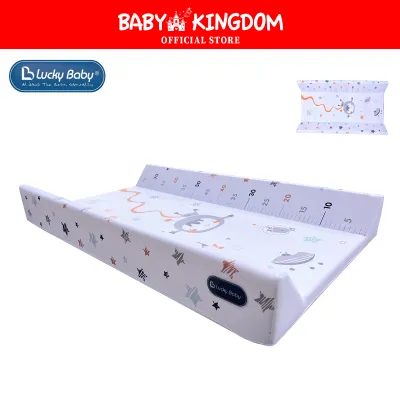
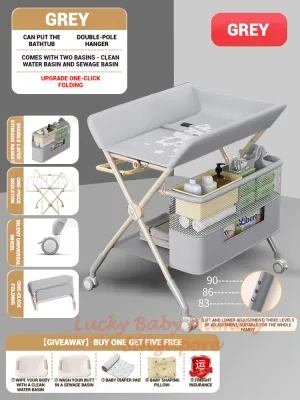
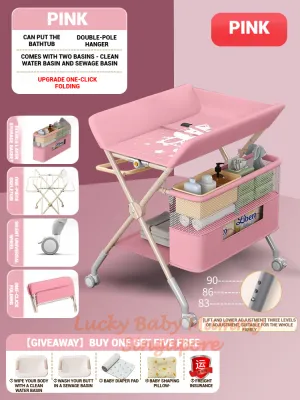
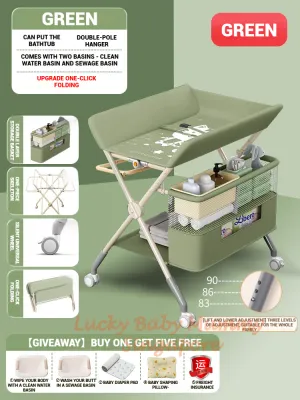
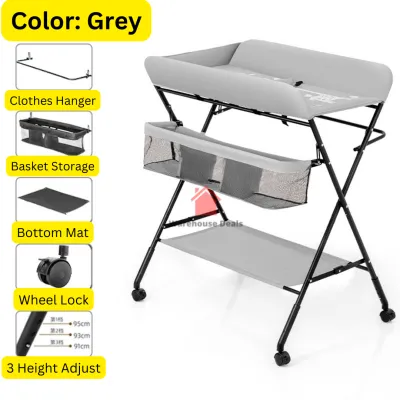
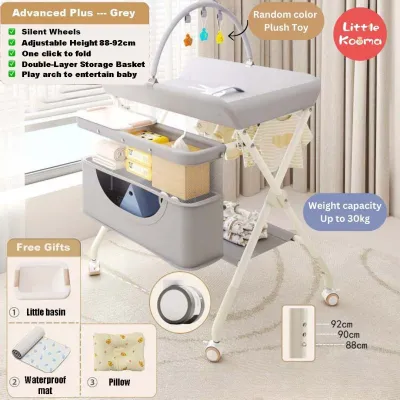
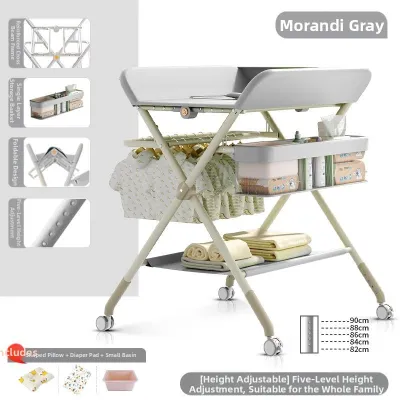
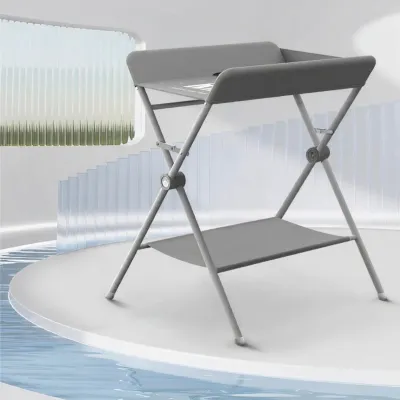
Prices are valid at publication and may change. Please refer to the product page for the latest price.
In contrast, a dresser-top changer utilizes a standard chest of drawers as the structural base. Caregivers place a contoured changing pad or a removable changing topper directly onto the flat top surface of the dresser. This configuration serves a dual purpose: it provides deep, enclosed drawer storage for your baby’s entire wardrobe while utilizing the top surface as a secure diapering station.
The primary functional trade-off lies between dedicated accessibility and integrated storage. A standalone table offers quick, open access to supplies, which can be incredibly convenient during a messy diaper change. However, it occupies its own distinct footprint in the room. A dresser-top setup consolidates your storage and changing needs into a single piece of furniture, saving floor space but requiring you to open drawers or reach into cabinets to access clean clothes and backup supplies.
Assessing Nursery Space and Layout Constraints
Nursery dimensions and floor plans play a critical role in determining which changing table style is most practical. In smaller bedrooms where floor space is at a premium, minimizing individual furniture pieces is the top priority. A dresser-top changer excels here because it eliminates the need for a separate piece of furniture, leaving more open floor area for play mats, cribs, or glider chairs.

Standalone changing tables, while requiring their own floor space, often have a smaller physical footprint than a full-sized dresser. They also tend to have a lighter visual weight due to their open-shelf design, making a small room feel less crowded. However, because they cannot be easily repurposed for general storage later, they represent an extra item that must fit into your layout.
Placement flexibility is another key differentiator. Standalone tables are generally lightweight and easy to move, allowing you to rearrange the nursery layout as your baby grows. Dressers, on the other hand, are heavy, substantial pieces of furniture. Once assembled and filled with clothing, they act as permanent anchors along a wall and are rarely moved.
Before purchasing, measure your nursery carefully. Use this checklist to evaluate your space:
- Measure the total wall length, ensuring there is enough clearance for nearby doors to open fully.
- Account for the depth of the furniture, making sure you have at least 60 to 90 centimeters of clear floor space in front of the table to stand and bend comfortably.
- Verify that drawers can extend fully without hitting other furniture.
- Ensure cords and window blind pulls remain completely out of reach from the changing surface.
Comparing Budget and Long-Term Furniture Value
Evaluating the financial investment of each option requires looking beyond the initial purchase price to consider long-term utility. A standalone diaper changing table often has a lower upfront cost than a high-quality dresser. If you are on a tight budget or setting up a temporary nursery, a simple standalone table can be an affordable way to establish a safe, dedicated changing space. However, this initial savings must be weighed against the product’s limited lifespan.
A dresser-top setup typically requires a larger initial investment, especially if you are purchasing a new, sturdy dresser along with a separate changing pad or wooden topper. However, the long-term value of a dresser is significantly higher. Once your child outgrows diapers, you can simply remove the changing pad or topper, leaving you with a standard chest of drawers that can transition into toddlerhood and beyond.
When the diapering phase ends, standalone tables must be repurposed, sold, or discarded. While some families convert old changing tables into toy storage shelves or bathroom organizers, many find that these specialized units eventually become clutter. If you do not have a clear plan for repurposing the open shelves, the long-term value of a standalone table drops quickly compared to a standard dresser.
There are specific scenarios where a standalone table still offers excellent value. For instance, if you are utilizing a safe hand-me-down from a relative, the upfront cost is virtually zero. Standalone tables are also highly practical as secondary changing stations in multi-story homes, allowing you to set up a convenient diapering spot on another floor without purchasing another heavy piece of furniture.
Evaluating Ergonomics and Safety Verification Steps
Caregiver comfort and child safety are paramount when selecting nursery furniture. Because you will be changing diapers multiple times a day, the height of the changing surface is a critical ergonomic factor. Standalone changing tables are engineered specifically for this task, usually standing at a standard height designed to minimize back strain for average-height caregivers.
Dressers, however, vary widely in height. A low dresser may force taller caregivers to bend forward repeatedly, leading to lower back discomfort over time. Conversely, a tall dresser might make it difficult for shorter caregivers to lift the baby safely. When planning a dresser-top setup, it is vital to measure the height of the dresser top and add the thickness of the changing pad to ensure the final height aligns comfortably with your waist.
Safety is the most critical aspect of any changing station. Regardless of the style you choose, you must verify several safety features before use:
- Anti-Tip Kits: Heavy furniture, especially dressers with drawers that children might attempt to climb, poses a serious tip-over hazard. Always secure dressers and standalone tables to the wall using high-quality anti-tip brackets and straps.
- Weight and Age Limits: Always check the manufacturer's product label, manual, or packaging to verify the maximum weight and age limits. Never assume a table is suitable based on its appearance or brand name alone.
- Secure Attachment: If using a dresser-top changer, ensure the changing pad or wooden topper is securely fastened to the back of the dresser using the manufacturer-provided straps or brackets.
- Supervision: Changing tables are designed to assist you, but they do not replace active supervision. Never leave your baby unattended on a changing surface, even for a second.
Daily maintenance is also essential for keeping the changing area safe and hygienic. Regularly inspect the structural stability of the furniture, tightening any loose screws or joints immediately. Evaluate the changing pad’s wipe-clean surface for cracks, tears, or worn seams where moisture and bacteria could accumulate. Ensure that safety straps and buckles are functioning correctly and free of debris.
Final Decision Framework: Which Type Should You Choose?
To finalize your decision, consider how your specific household needs align with the unique advantages of each setup. Your choice should balance immediate convenience with your long-term storage strategy.
Choose a dresser-top changer if:
- You have a compact nursery and need to maximize floor space by combining storage and diapering into one footprint.
- You want a piece of furniture that will grow with your child and remain useful long after the diapering years are over.
- You prefer a cleaner, more integrated aesthetic where baby supplies are tucked away neatly inside drawers rather than displayed on open shelves.
- Your budget allows for a higher upfront investment in exchange for multi-year utility.
Choose a standalone changing table if:
- You have a spacious nursery layout that easily accommodates multiple individual pieces of furniture.
- You prioritize dedicated ergonomics and want a station built specifically to a comfortable height for frequent daily changes.
- You are setting up a temporary nursery, living in a rental home, or need a lightweight, portable secondary changing station for another floor of your house.
- You want a highly budget-friendly upfront option or are utilizing a safe, pre-loved family hand-me-down.
Verify first if: Before committing to any purchase, measure the top surface of your chosen dresser to ensure it is wide and deep enough to accommodate a standard changing pad or topper securely. Check that the surface is completely flat, stable, and capable of supporting both the weight of the pad and your growing baby. Always consult the manufacturer’s guidelines for both the dresser and the changing pad to confirm they are compatible and safe to use together.
Frequently Asked Questions (FAQ)
Can I use a regular dresser as a changing table without a contoured pad?
Using a completely flat, bare dresser surface for diaper changes is not recommended due to safety risks. A flat surface lacks the raised sides and contoured design that help keep a baby centered and prevent rolling. Without a secure, contoured changing pad or a dedicated topper fastened to the furniture, a baby can easily slide or roll off the edge. Always check the manufacturer’s guidelines to select a compatible, secure changing pad designed specifically for flat furniture surfaces, and ensure it is anchored properly before use.
Are standalone changing tables safe for older, heavier babies?
Standalone changing tables can be safe for older babies, but their safety depends entirely on the specific product’s structural limits. Caregivers must check the manufacturer’s weight, height, and age limits printed on the product label or detailed in the user manual. As babies grow, they become more active, which can compromise the stability of lightweight tables. Stop using the table immediately if your baby exceeds the stated weight limit, attempts to climb out, or exhibits excessive movement that causes the table to wobble.

Community discussion
Share your experience or ask a question. Comments are reviewed before publication.