
Setting up a nursery is one of the most exciting milestones for first-time parents in Singapore, but selecting the right furniture can quickly feel overwhelming. Among the essential items, a baby changing table stands out as a high-frequency workstation where you will spend countless hours during your child’s first year. In Singapore’s unique housing landscape, where space optimization in HDB flats and condominiums is a priority, choosing a reliable brand involves balancing safety, size, and structural integrity. Rather than relying on trend lists, finding the best brand requires understanding how to evaluate manufacturing standards, material safety, and functional designs that fit your daily routine.
How to Evaluate the Reliability of Baby Changing Table Brands
To identify a trustworthy brand, start by examining the raw materials used in construction. Solid wood, such as sustainably sourced beech, birch, or pine, offers the highest level of structural stability and longevity, making it an excellent choice for furniture that might eventually transition to a second child. Engineered wood, including high-density fiberboard (HDF) or medium-density fiberboard (MDF), is common and can be highly durable, but parents must verify that the brand uses low-emission materials. Look for brands that explicitly state compliance with formaldehyde emission standards, such as the California Air Resources Board (CARB) Phase 2 or European E1 standards, to ensure indoor air quality remains safe for your newborn. Metal frames, often found in portable or folding models, should feature powder-coated finishes that resist rust, which is particularly important in Singapore’s humid climate.
Beyond the materials, a brand’s reliability is reflected in its after-sales support and warranty infrastructure. First-time parents should look for brands that maintain a dedicated local distributor or official presence in Singapore. A robust warranty—ideally covering structural defects for at least one to two years—provides peace of mind. Furthermore, check if the brand offers readily available replacement parts, such as extra hardware, replacement caster wheels, or matching changing pads. Brands that sell through authorized local channels are generally more capable of resolving assembly issues or shipping damages quickly compared to overseas sellers with no local representation.
Products mentioned in this guide
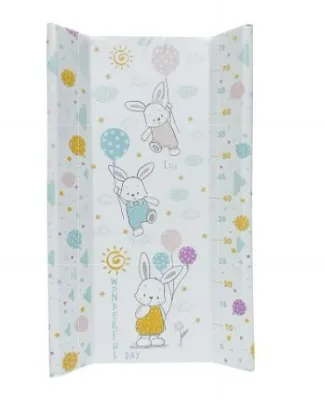
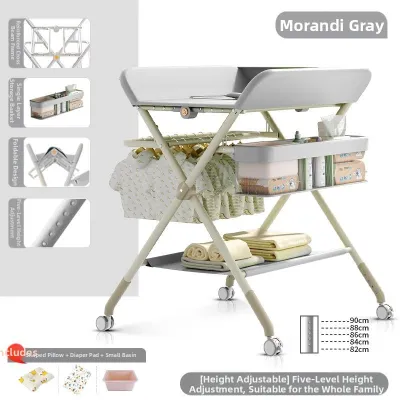
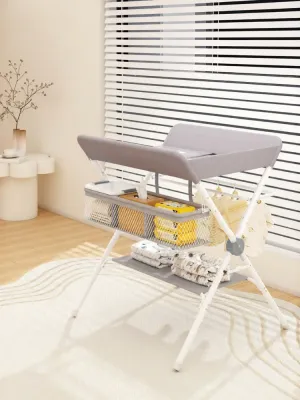
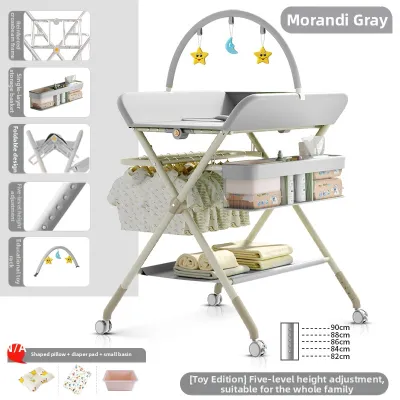
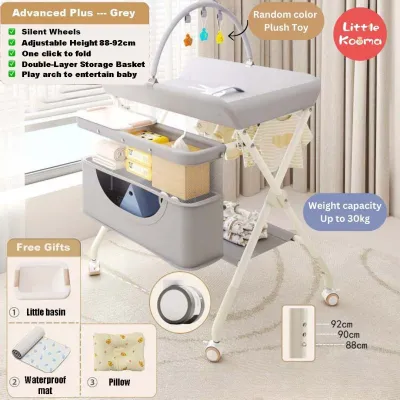
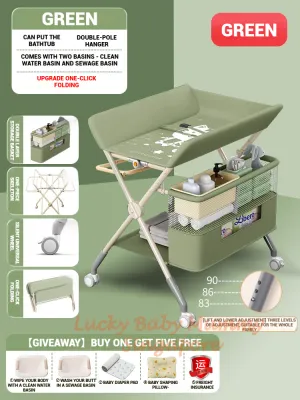
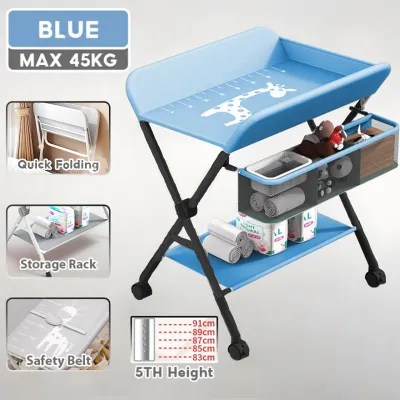
Prices are valid at publication and may change. Please refer to the product page for the latest price.
Finally, consider the brand’s specialization. Companies that focus exclusively on nursery furniture or children’s products often design with a deeper understanding of pediatric safety and ergonomic needs. Their designs typically feature rounded corners, smooth drawer glides with safety stops, and non-toxic, water-based finishes. While general home goods brands may offer stylish and budget-friendly options, they may lack the specialized safety testing and child-specific design details that dedicated nursery brands prioritize.
Verifying Safety Standards and Manufacturer Guidelines
Safety is the non-negotiable core of any nursery furniture purchase. When researching brands, look for explicit compliance with recognized international safety standards. The European standard EN 12221 (for changing tables for domestic use) and the American standard ASTM F2388 (for baby changing tables) are the benchmarks of structural safety. These certifications ensure the product has undergone rigorous testing for stability, structural strength, and the absence of entrapment hazards. Reliable brands will proudly display these certification codes on their official websites, product manuals, or packaging labels. If a brand only makes vague claims of being “safe” or “tested” without referencing specific standard codes, treat it as a warning sign.

A critical part of safety verification involves checking the manufacturer’s specified weight limits and age recommendations. Most standard changing tables are designed to support infants up to 11 kg or 15 kg, but these limits vary significantly by design and material. Portable or folding models often have lower weight thresholds than solid wood dressers. Additionally, inspect the physical fall-prevention features. A safe changing table must have raised barrier edges on at least three, and preferably all four, sides. These barriers should be sufficiently high—typically at least 5 cm—to prevent a rolling baby from slipping off. While safety straps are a helpful secondary feature, they do not replace active parental supervision.
Parents must also understand when to stop using the changing table. Regardless of the stated weight limit, you should transition away from using an elevated changing surface as soon as your baby shows signs of rolling over, crawling, or sitting up independently. These developmental milestones significantly increase the risk of falls. Always read the manufacturer’s instruction manual thoroughly before assembly, as it contains specific warnings regarding weight distribution, wall-anchoring requirements for taller units, and developmental limits unique to that model.
Matching Brand Designs to Your Space and Daily Routine
Singaporean homes require smart spatial planning, and baby changing tables come in several distinct configurations to match different layouts. For compact bedrooms or shared nursery spaces, space-saving designs are highly practical. Some brands specialize in foldable changing tables with lightweight metal frames that can be collapsed and tucked away behind a door or inside a wardrobe when not in use. Another space-saving option is a wall-mounted changing table, which folds flat against the wall and opens downward when needed. For parents looking for long-term utility, multi-functional dresser-changer combinations are highly popular. These units feature a removable changing topper on top of a standard chest of drawers; once your child outgrows diapers, you can remove the topper and continue using the dresser as regular bedroom furniture.
Mobility is another key factor to consider based on your daily caregiving routine. If you plan to move the changing station between the nursery, living room, or master bedroom, look for brands that offer models equipped with heavy-duty, 360-degree caster wheels. It is vital that at least two of these wheels feature robust, easy-to-operate locking mechanisms to keep the table completely stationary during use. If your home has carpeted areas or uneven flooring transitions, larger rubberized wheels will glide more smoothly than small plastic ones.
Storage configuration is equally essential for maintaining a safe changing environment. When changing a diaper, you must keep one hand on your baby at all times to prevent sudden falls. Therefore, all essential supplies—diapers, wipes, creams, and change clothes—must be within arm’s reach. Brands that design with open shelving allow for quick, one-handed access to storage baskets. If you prefer closed drawers to keep dust away, ensure the drawers feature smooth, silent-closing tracks that will not startle a sleeping baby or pinch your fingers during a hurried change.
Where to Research and Verify Brands in Singapore
While online shopping offers convenience, purchasing nursery furniture is best done after thorough physical and digital research. Whenever possible, visit physical baby furniture showrooms, boutique nursery stores, or major baby fairs in Singapore. Seeing the changing tables in person allows you to perform hands-on quality checks. Shake the display models gently to test their stability and check for any structural wobbling. Pull the drawers out fully to assess the smoothness of the glides and verify if they have safety stops to prevent them from falling out. Inspecting the wood or metal finish in person also helps you confirm that there are no rough edges, splinters, or strong chemical odors.
When you are ready to purchase, navigate official brand websites or authorized flagship stores on reputable online marketplaces. This ensures you receive an authentic product covered by a genuine manufacturer’s warranty. Be cautious when browsing third-party listings on general ecommerce platforms, as unauthorized resellers may offer parallel imports that lack local warranty coverage or, worse, counterfeit products that do not meet safety standards.
To verify a seller’s credentials, check if they are listed as an authorized retailer on the brand’s official global website. You can also contact the local distributor directly to confirm their authorized retail partners in Singapore. Purchasing from authorized sources also guarantees that you will receive the correct, localized assembly instructions and all necessary wall-anchoring hardware, which is crucial for preventing tip-over accidents.
Red Flags to Watch Out For When Comparing Brands
As you compare different brands, being able to spot warning signs can save you from a frustrating or unsafe purchase. One major red flag is vague or missing product specifications. If a brand’s product page fails to list the exact materials used, omits the maximum weight capacity, or does not mention compliance with any safety standards, it is best to avoid it. Reliable manufacturers are transparent about their sourcing, testing, and engineering standards.
Another critical area to investigate is user feedback and product reviews. Look beyond the star ratings and read the detailed comments left by other parents. Pay close attention to recurring complaints about structural instability, difficult assembly instructions, missing hardware, or misaligned screw holes. If multiple reviews mention that the table wobbles even after correct assembly, or that the customer service team was unresponsive when resolving defects, it indicates poor quality control and weak after-sales support.
Finally, be wary of unusually low pricing. While finding a bargain is appealing, high-quality solid wood, non-toxic finishes, and rigorous safety testing carry inherent manufacturing costs. Extremely cheap, unbranded changing tables sold on discount online marketplaces often cut corners by using low-grade engineered wood with high formaldehyde emissions, weak plastic joints, or unstable frames. Investing in a reputable, safety-certified brand ensures a secure environment for your baby and a durable piece of furniture for your home.
Frequently Asked Questions (FAQ)
Do I need a dedicated changing table, or can I use a regular dresser?
While a dedicated changing table is highly convenient, you can use a regular dresser if it meets specific safety criteria. The dresser must be at a comfortable working height (typically between 90 cm and 105 cm) to prevent back strain, and it must be deep and wide enough to securely accommodate a changing pad. Most importantly, you must use a secure changing topper or pad that can be firmly anchored to the back of the dresser to prevent it from sliding. The dresser itself must be anchored to the wall using anti-tip hardware to prevent it from tipping over when drawers are pulled out or when weight is applied to the top.
How do I clean and maintain a wooden changing table?
To maintain a wooden changing table, always refer to the manufacturer’s care label for specific cleaning instructions. For general maintenance, wipe the surface regularly with a soft, damp cloth and a mild, baby-safe soap. Avoid using harsh chemical cleaners, bleach, or abrasive scrubbing pads, as these can strip the protective non-toxic finish and damage the wood. Because Singapore’s high humidity can encourage mold growth and warp wood, always dry the surface thoroughly with a clean towel after wiping down, and ensure the nursery is well-ventilated.
Community discussion
Share your experience or ask a question. Comments are reviewed before publication.