
Selecting the right baby potty seat is a pivotal step in your toddler’s development. The ideal choice balances your child’s physical readiness with the practical realities of your home. With options ranging from low-profile standalone units to secure toilet-top inserts and adaptable multi-stage designs, the decision can feel overwhelming.
To make an informed choice, you must evaluate how each option fits your bathroom layout, your cleaning preferences, and your toddler’s personality. Some children require the physical security of having their feet flat on the floor, while others are eager to use the adult toilet immediately. Understanding these dynamics ensures a smoother, more positive training experience.
Quick Diagnostic: Matching Potty Types to Your Toddler's Readiness
Potty training is not a one-size-fits-all milestone, and matching the equipment to your child’s developmental stage is essential. The three primary designs serve distinct purposes. Standalone potties are miniature, floor-level toilets that operate independently of your main fixtures. Toilet-top inserts sit directly on your existing toilet seat to reduce the opening size, while 2-in-1 convertible models transition from a standalone unit into a removable insert as your child grows.
Products mentioned in this guide
Prices are valid at publication and may change. Please refer to the product page for the latest price.
Before purchasing, observe your toddler for key physical and behavioral readiness signals. Physical indicators include the ability to walk steadily, sit down and stand up independently, and remain dry for several hours. Behavioral signs are equally important, such as showing curiosity about adult bathroom habits, expressing discomfort with wet diapers, or communicating the need to use the toilet.
Your child’s comfort level with the family toilet should guide your selection. If your toddler exhibits fear of the loud flushing sound or the height of the adult toilet, a standalone potty offers a non-threatening introduction. Conversely, if your child insists on copying older family members, a toilet-top insert paired with a sturdy step stool can leverage that natural desire for independence.
Standalone Potty Seats: Evaluating Floor-Level Comfort for Beginners
For many toddlers, the transition from diapers to a toilet is intimidating due to the height of standard bathroom fixtures. Standalone potty seats address this anxiety by providing a secure, floor-level seating option. Because these units sit directly on the ground, your child can sit down with their feet flat, which is the anatomically optimal position for bowel movements. This physical stability builds confidence, allowing hesitant beginners to focus on learning their body’s signals without the fear of falling.

However, standalone potties introduce specific spatial and maintenance considerations. In compact living spaces, such as typical apartments in Singapore, a freestanding potty occupies valuable floor space. Unlike inserts, these units do not allow for direct flushing; instead, they require manual emptying and thorough cleaning after every use. This means you must wash, sanitize, and dry the bowl regularly, which requires a dedicated cleaning routine to maintain hygiene.
Recognizing when your child is ready to move past the standalone stage is crucial for continuous progress. As toddlers grow taller, their knees may bend at an uncomfortable angle when sitting on a floor-level seat, making it difficult to sit comfortably. Additionally, if your child begins to show interest in flushing the adult toilet or expresses a desire for more privacy, these are clear indicators that they are ready for a transition.
Toilet-Top Potty Seats: Assessing Space-Saving and Direct Transition
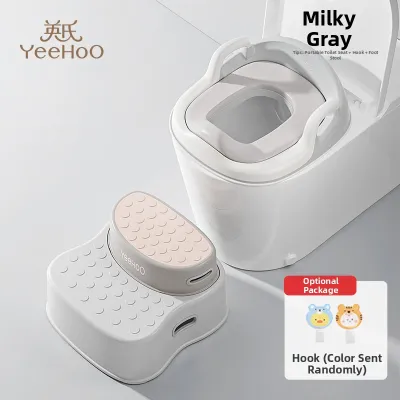
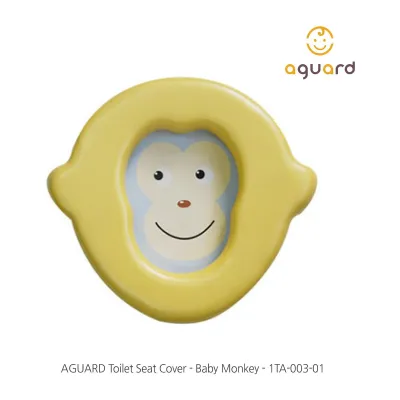
Toilet-top inserts are designed to fit securely over your existing toilet seat, scaling down the opening so your toddler can sit safely without slipping through. This design is highly favored by families with limited bathroom floor space, as it eliminates the need for a separate freestanding unit. The primary benefit of this setup is the direct transition to adult habits; waste is deposited directly into the toilet bowl, allowing for immediate flushing and eliminating the chore of manual bowl scrubbing.
To use a toilet-top seat successfully, your child must be physically capable of climbing up to the seat. This requires the addition of a stable step stool, which must be positioned securely in front of the toilet. Your toddler needs sufficient balance and coordination to climb the step, turn around, and sit down safely. Caregivers must supervise this process closely to prevent slips, especially in bathrooms where floors can become damp.
Before purchasing a toilet-top insert, you must verify its compatibility with your specific bathroom fixtures. Toilet bowls generally come in round or elongated shapes, and not all inserts fit both styles securely. Look for models with adjustable dials or robust non-slip rubber grips on the underside to prevent the seat from shifting during use. Additionally, always check the manufacturer’s specified weight limits and installation instructions to ensure the setup can safely support your child.
2-in-1 Potty Seats: Weighing Versatility for the Full Training Journey
Convertible 2-in-1 potty seats offer a hybrid solution designed to adapt to your child’s changing needs over the entire training timeline. In the early stages, these products function as a standalone, floor-level potty, providing the security and ease of access that beginners need. As your toddler gains confidence and physical coordination, the top portion of the unit detaches to serve as a secure insert for the adult toilet, while the base often flips over to become a step stool.
This multi-functional design offers excellent long-term value, as a single purchase covers multiple developmental phases. Parents do not need to buy a separate standalone potty, a toilet insert, and a step stool sequentially. This continuity can also ease the psychological transition for your child, as they continue to use the familiar seat shape and texture they have grown accustomed to, even when moving to the larger adult toilet.
Despite these benefits, 2-in-1 models require careful evaluation regarding storage and structural integrity. When used in standalone mode, they occupy the same floor space as a traditional freestanding potty. Furthermore, because these units are designed to be disassembled and reconfigured, you must verify the durability of the locking mechanisms. Ensure that the components click together securely and do not wobble when your child sits on them, and follow the manufacturer’s guidelines for converting the unit between modes.
Decision Matrix: Choosing the Right Baby Potty Seat for Your Bathroom
Making the final decision requires a careful balance of your home’s physical layout, your personal maintenance preferences, and your child’s developmental needs. Start by assessing your bathroom’s available space. If you have a small bathroom where floor space is limited, a toilet-top insert that can be hung on a wall hook when not in use is often the most practical choice. If you have multiple bathrooms, you might consider whether you need a portable option that can be easily moved from room to room.
Cleaning routines and hygiene management are also critical factors. Standalone potties and 2-in-1 units in standalone mode require immediate emptying and washing, which may not fit every parent’s routine. If you prefer a low-maintenance option, a toilet-top insert minimizes direct contact with waste. Additionally, look for designs with integrated splash guards, particularly for boys, to prevent spills and keep the surrounding area clean.
Your child’s physical coordination and temperament should ultimately guide your choice. A child who is highly independent and eager to mimic adults will likely thrive with a toilet-top insert and a sturdy step stool. On the other hand, a child who is easily startled by loud noises or feels insecure when elevated will benefit from the grounded stability of a standalone potty.
Finally, always prioritize safety by thoroughly checking product labels and specifications before purchasing. Verify that the materials are durable, easy to sanitize, and free from sharp edges. Look for clear manufacturer guidelines regarding age recommendations, weight limits, and care instructions. By aligning these practical details with your toddler’s readiness, you can select a baby potty seat that fosters confidence and success throughout the potty training process.
Frequently Asked Questions (FAQ)
When should I transition my toddler from a standalone potty to the main toilet?
The transition typically occurs when your child demonstrates both the physical ability and the interest to use the adult toilet. Look for physical signs such as the coordination to climb a step stool independently and the balance to sit unsupported at a height. Behavioral cues, such as curiosity about how adults use the toilet, asking to flush the main toilet, or showing boredom with their standalone potty, also indicate readiness. To support this transition safely, ensure you have a secure toilet-top insert and a non-slip step stool in place before making the switch.
How do I ensure a toilet-top potty seat is safe and secure?
To ensure maximum safety, always verify the fit of the insert on your specific toilet bowl before allowing your child to use it. Check that the non-slip rubber grips on the underside of the seat make firm contact with the porcelain and that the seat does not slide or wobble when pressure is applied. Always pair the insert with a wide, stable step stool that has non-slip feet to prevent tipping on tiled bathroom floors. Finally, consult the manufacturer’s manual to confirm that your child falls within the recommended age and weight limits for both the insert and the step stool.

Community discussion
Share your experience or ask a question. Comments are reviewed before publication.