
Choosing between a standalone toddler urinal and a potty seat reducer is a pivotal decision in your child’s potty training journey. Both tools serve distinct developmental purposes, and the right choice depends on your child’s physical milestones, your bathroom layout, and your daily household routine. While one family might prefer the direct transition of a seat reducer, another might find the accessible height of a standalone urinal more encouraging for a toddler learning to stand.
By evaluating your child’s current physical capabilities and comparing how each product fits into your home, you can select a tool that minimizes stress and supports independent habits. This guide breaks down the essential factors to help you make an informed decision for your bathroom setup.
Assess Your Child's Readiness and Physical Needs
Before purchasing any potty training equipment, observe your child’s physical development and coordination. A toddler urinal requires the child to stand steadily on both feet without support for several minutes. If your child still wobbles when standing or prefers to lean on furniture, a standing urinal may lead to accidental slips and frustration.
Products mentioned in this guide
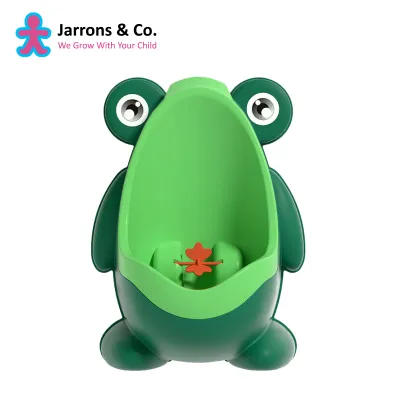
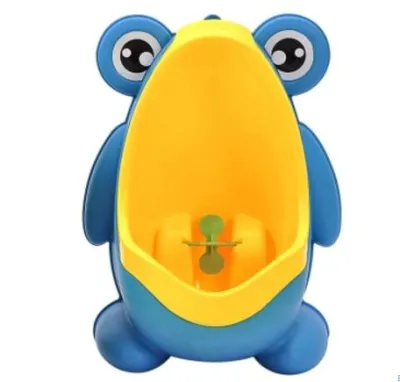
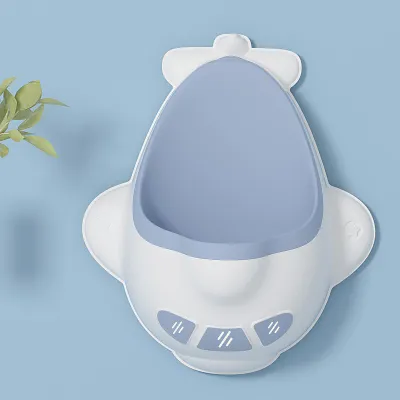

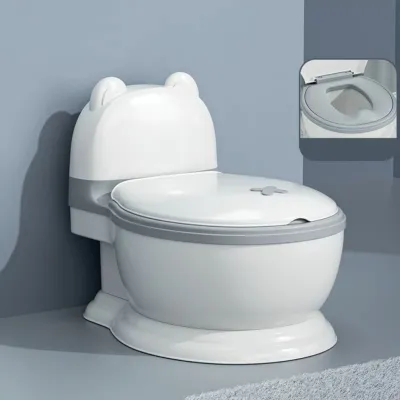
Prices are valid at publication and may change. Please refer to the product page for the latest price.
For a potty seat reducer, your child must possess the balance and strength to climb a step stool, turn around, and sit down securely. This multi-step process requires bilateral coordination and spatial awareness. If your child is hesitant about heights or struggles with climbing, a low-to-the-ground option might be more appropriate.
Your training goals and your child’s anatomy also play a significant role in this decision. If you are training a boy and want to focus on standing from the beginning, a toddler urinal provides a clear, low-height target that matches their physical stature. However, if you prefer to establish a consistent sitting routine for all bathroom needs first, a seat reducer is highly effective. Always consult your child’s pediatrician if you have concerns about their physical developmental milestones.
Evaluate Your Bathroom Layout and Space Constraints
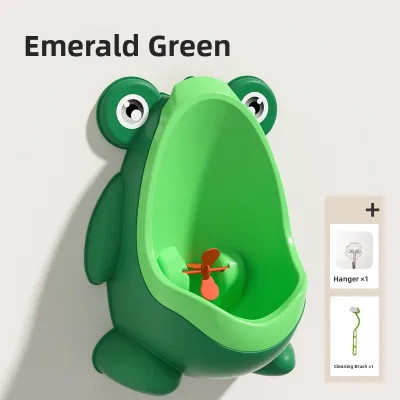
The physical layout of your bathroom is a practical boundary that dictates which equipment will function best. Standalone toddler urinals, whether freestanding or wall-mounted, require dedicated wall or floor space. In compact bathrooms, such as those found in many Singapore apartments, adding another floor unit can restrict movement and make the space feel cluttered.

If you are considering a potty seat reducer, you must verify the compatibility of your existing toilet. Measure the length and width of your toilet seat, and note whether your bowl is round or elongated. Some reducers are designed to fit standard round seats and may wobble or slide on modern, elongated designs. A loose fit can startle your child and set back their training progress.
Splash management is another environmental factor to consider. Wall-mounted urinals rely on suction cups or adhesive hooks, which must be applied to smooth, non-porous tiles. If your bathroom walls have textured tiles or frequent moisture buildup, the suction cups may lose grip, leading to spills. A seat reducer keeps all waste contained within the main toilet bowl, but it requires a step stool that must be moved aside whenever adults use the toilet.
Compare Daily Cleaning and Maintenance Routines
Potty training involves significant cleanup, so choosing a tool that aligns with your hygiene preferences is essential. A standalone toddler urinal typically features a small, removable collection cup. Caregivers must empty this cup into the adult toilet, rinse it, and sanitize it after every use. This manual handling of waste can add an extra step to your busy routine.
In contrast, a potty seat reducer allows your child to deposit waste directly into the main toilet bowl. Cleanup is often as simple as flushing the toilet and occasionally wiping down the reducer ring. This direct disposal method minimizes contact with waste and helps teach your child the complete bathroom routine, including flushing and handwashing.
Maintenance also extends to deep cleaning and odor control. Plastic urinal parts can retain odors if not washed regularly with mild soap and water. You will also need to wipe down the surrounding wall and floor area to manage any stray splashes. For seat reducers, you must regularly sanitize the splash guard and the underside of the ring where it rests on the adult seat to maintain a hygienic environment for the entire family.
Portability is another factor if your family travels or moves between rooms. A lightweight seat reducer can easily hang on a wall hook or fit into a travel bag for trips to grandparents’ homes. A standalone urinal is generally stationary and less convenient to transport, meaning your child may have to adapt to different setups when away from home.
Decision Guide: When to Choose a Urinal vs. a Reducer
To simplify your decision, consider the specific scenarios where each tool excels. A standalone toddler urinal is highly beneficial if your child shows a strong interest in standing up like older family members, or if your main toilet is frequently occupied by other household members. It is also an excellent choice if your child is physically ready to stand but feels intimidated by the height and sound of the adult toilet.
A potty seat reducer is the ideal choice if you want to save floor space and encourage a seamless transition to standard toilet use. It is highly suited for families who prefer a single, long-term training tool that eliminates the need to empty manual waste cups. If your child already possesses good climbing skills and enjoys the independence of using the “big toilet,” a reducer will support their confidence.
If your child is not yet showing signs of readiness, such as showing interest in the bathroom, staying dry for extended periods, or communicating their needs, it is best to wait. Forcing the transition too early can lead to resistance. In some cases, starting with a standard, low-profile floor potty is the safest and most comfortable intermediate step before introducing either a urinal or a seat reducer.
Safety Checks and Setup Requirements
Safety should always be your top priority when installing and using potty training equipment. If you choose a wall-mounted toddler urinal, verify that the mounting mechanism is secure before every use. Check that suction cups are firmly adhered to the tile and that the unit is set at a height where your child can stand comfortably with both feet flat on the floor.
When setting up a potty seat reducer, ensure the step stool has robust, non-slip rubber feet to prevent it from sliding on wet bathroom floors. The steps should have a textured, high-traction surface, and any handrails must lock securely into place. Always check the manufacturer’s packaging for specific weight, height, and age limits to ensure the equipment is rated for your child’s size.
Never leave your child unattended while they are using a seat reducer or climbing a step stool. Regularly inspect all plastic parts for cracks or sharp edges that could pinch skin, and replace any worn-out non-slip pads immediately to maintain a safe training environment.
Frequently Asked Questions (FAQ)
Can a toddler urinal be used for bowel movements?
No, standalone toddler urinals are designed exclusively for liquid waste. Their small collection cups and vertical orientation cannot accommodate bowel movements. To avoid confusion and maintain hygiene, teach your child to use a standard floor potty or a potty seat reducer on the adult toilet when they need to pass stool.
At what age should I transition from a potty seat reducer to the regular toilet?
There is no specific age for this transition, as children develop at different rates. Instead of relying on age, look for physical milestones. Your child is ready to transition when they are tall enough to sit on the adult toilet seat without slipping inward, can comfortably rest their feet on a step stool or the floor to stabilize themselves, and can manage wiping and clothing independently.

Community discussion
Share your experience or ask a question. Comments are reviewed before publication.