
Choosing the right children’s potty is a foundational step in your child’s developmental journey, requiring a careful balance between your home layout, daily routine, and your toddler’s physical readiness. The decision typically comes down to three primary options: a standalone potty chair, a toilet seat reducer, or a highly portable travel potty. Each option serves a distinct purpose in building your child’s confidence and motor skills. By evaluating how much space you have in your bathroom, how often your family is on the move, and how your child responds to standard bathroom fixtures, you can select a tool that minimizes stress and supports a smooth transition to independent toilet use.
Comparing the Three Main Children's Potty Types
Understanding the structural differences and intended uses of each potty type is essential before making a purchase. Each design addresses a specific stage of physical development and offers distinct trade-offs in terms of cleaning, storage, and portability.
Standalone Potties
Standalone potties are low-profile, self-contained units designed to sit directly on the bathroom floor. Because they are scaled to a toddler’s physical proportions, they allow young children to sit comfortably with both feet planted firmly on the ground. This grounded position is highly beneficial for pelvic floor alignment, making it easier for toddlers to relax and eliminate successfully. The low height also grants children complete autonomy, as they can sit down and stand up independently without requiring assistance from a caregiver to climb onto a high surface.
Products mentioned in this guide
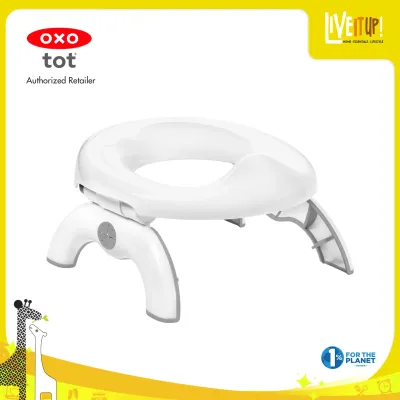
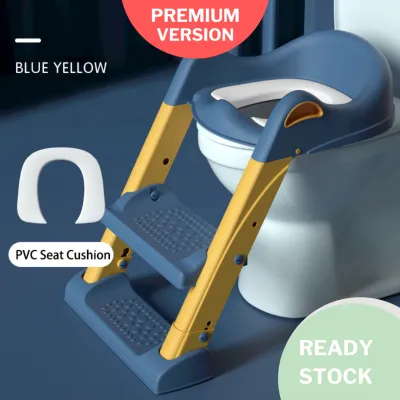
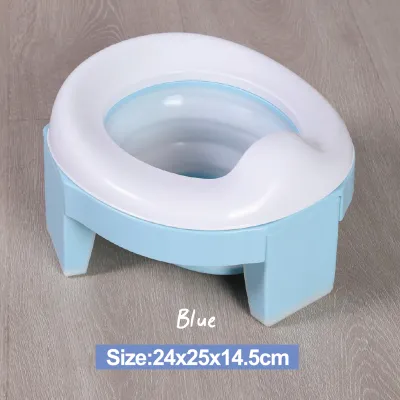
![[SG Stock] Baby Foldable Travel Potty Seat Kids Fodling Toilet Training Seat 12M+](https://img.lazcdn.com/g/p/54298d0cd77fc65e57e532664f2d523b.jpg_400x400q80.jpg_.webp)
![[SG STOCK] Potty Training Toilet Easy to Clean Cute Duck Baby Potty Training Seat with Splash Guard Toddler Toilet Seat](https://img.lazcdn.com/g/p/43b322c9eeaf92e9ebff6db15b96d8af.jpg_400x400q80.jpg_.webp)
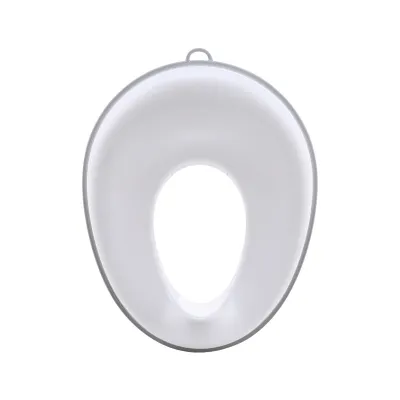
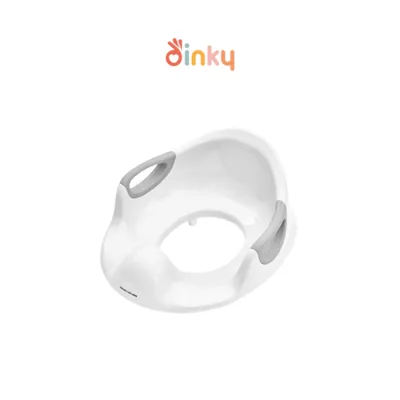
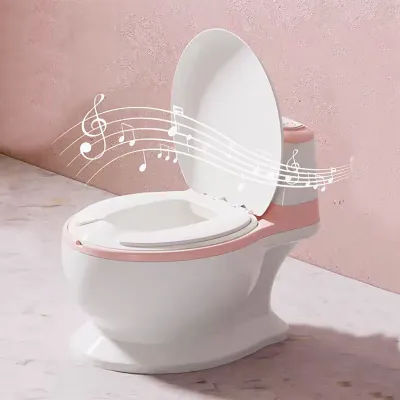
Prices are valid at publication and may change. Please refer to the product page for the latest price.
However, standalone units require dedicated floor space, which can be a consideration in compact bathroom layouts. They also introduce an extra step to your household cleaning routine, as the removable inner bowl must be emptied into the adult toilet, rinsed, and sanitized after every single use. Additionally, because the child becomes accustomed to a miniature, floor-level seat, you will eventually need to guide them through a secondary transition phase when they graduate to using a standard, adult-sized toilet.
Seat Reducers
Seat reducers, also known as toilet inserts, are specialized rings that secure directly onto your existing adult toilet seat. Their primary function is to shrink the large opening of the standard toilet bowl, preventing young children from feeling like they might slip or fall in. This design allows your child to use the actual family toilet from the very beginning of their training journey, which can significantly demystify the adult bathroom setup and eliminate the need for a later transition phase.
Because seat reducers utilize the existing plumbing, they eliminate the chore of emptying and washing a separate waste bowl, as everything is flushed away immediately. However, to use a seat reducer safely and comfortably, you must pair it with a sturdy step stool. Without a stool, children cannot climb onto the toilet independently, and their legs will dangle, which can cause physical discomfort and make it difficult to push effectively. You will also need to verify that the reducer fits securely onto your specific toilet seat shape, whether it is round, oval, or D-shaped.
Travel and Portable Potties
Travel and portable potties are lightweight, compact solutions designed specifically for families who spend significant time away from home or travel frequently. These units often feature folding legs, collapsible silicone bowls, or specialized attachments that allow them to function either as a standalone floor unit or as a folding seat reducer on public toilets. They are engineered to fit easily into diaper bags, stroller baskets, or car trunks, ensuring that your child has access to a familiar, hygienic toilet setup wherever you go.
Using a portable option helps maintain consistency in your child’s routine, reducing the anxiety that often accompanies unfamiliar public restrooms with loud automatic flushes. While they are invaluable for outdoor excursions, park visits, or road trips, travel potties are generally not designed to withstand the wear and tear of continuous, long-term daily use at home. Their smaller dimensions and lightweight construction mean they may lack the robust stability and ergonomic support required for a child’s primary training seat.
Matching the Potty to Your Home Setup and Lifestyle
Selecting the right potty requires looking beyond the product features to evaluate how the item will fit into your daily life and physical living space. In compact living environments, such as high-rise apartments or homes with smaller bathroom footprints, floor space is at a premium. A standalone potty sitting permanently on the floor can quickly become an obstacle or make a small bathroom feel cluttered. If your bathroom layout is tight, a seat reducer that can be hung on a wall hook or a highly compact, foldable travel potty might be the most practical choice to keep walkways clear.

Your personal cleaning preferences and tolerance for maintenance should also play a major role in your decision. Standalone potties require immediate, hands-on cleaning after every use, which involves carrying the waste bowl to the toilet, dumping the contents, and washing the bowl with soap or disinfectant. If you prefer a more streamlined routine with minimal direct contact with waste, a seat reducer allows you to flush the toilet immediately, requiring only a periodic wipe-down of the insert ring itself. Consider how these cleaning tasks fit into your daily schedule, especially if you are managing multiple children or working from home.
Your family’s daily routine and lifestyle outside the home are equally important factors to weigh. If your family frequently visits local parks, dines out, or spends long hours running errands, relying solely on a home-based standalone potty can disrupt your child’s progress. In these scenarios, having a dedicated travel potty ensures that your child does not have to hold their bladder or face the stress of using intimidating public toilets. A hybrid approach, where you use a seat reducer at home and keep a portable potty in your vehicle or stroller, can offer a practical balance of consistency and convenience.
Finally, you must carefully observe your child’s unique temperament and physical comfort levels. Some toddlers are highly intimidated by the height, noise, and deep water of an adult toilet, making a low-to-the-ground standalone potty the most reassuring option to build initial confidence. Other children are eager to mimic their parents or older siblings and may resist using a “baby” potty, making a seat reducer with a step stool the more motivating choice. Forcing a child onto a toilet setup that frightens them can lead to resistance and delay their progress, so it is vital to align your choice with their emotional readiness.
Essential Features to Verify Before Purchasing
Before finalizing your purchase on any online marketplace or at a local baby boutique, it is crucial to verify specific physical and safety features on the product packaging or manufacturer listings. Stability is the most critical factor for any potty training accessory. For standalone potties and step stools, look for wide bases equipped with robust, non-slip rubber grips or feet that prevent the unit from sliding on slick bathroom tiles. When evaluating seat reducers, check the manufacturer’s specifications to ensure the unit features an adjustable locking mechanism or a high-friction underside that prevents the ring from shifting when your child climbs on.
Splash guards are another essential design element to inspect, particularly for boys, though they are beneficial for all children to prevent messy spills. A well-designed splash guard should be high enough to deflect spray effectively but contoured in a way that does not interfere with your child’s ability to sit down or stand up comfortably. For standalone units, examine how the removable inner bowl fits into the main frame; it should lift out smoothly without sticking, yet sit securely enough that it cannot be easily tipped over by an active toddler.
Ergonomics and physical support should not be overlooked during your product research. Look for options that offer a supportive, slightly raised backrest to help your child maintain a comfortable, upright posture during longer sits. If you are purchasing a seat reducer, verify its compatibility with your existing toilet seat dimensions and check if the manufacturer recommends a specific style of step stool to ensure your child’s feet can rest flat. Materials should always be smooth, free of sharp plastic seams, and made from durable, easy-to-wipe plastics that can withstand frequent washing with standard household disinfectants without cracking or degrading over time.
Always review the manufacturer’s stated weight limits and age recommendations before making a decision. While many potties are designed to accommodate average toddler weights, structural limits can vary significantly between lightweight travel models and heavy-duty standalone chairs. Ensuring that your child falls well within the safe operating limits specified by the brand is essential for preventing structural failures or tipping accidents.
Transitioning Between Potty Types During Training
Potty training is rarely a static process, and many families find that transitioning between different potty types is the most effective way to support a child’s growing skills. A common progression begins with a standalone potty during the initial introduction phase, as its low height and approachability help the child learn the basic physical sensations of elimination without fear. As your child becomes more confident and develops better physical coordination, you can look for signs of readiness to transition to a seat reducer on the adult toilet. These signs include the child expressing curiosity about the big toilet, wanting to flush the toilet themselves, or demonstrating the physical balance needed to climb a step stool safely.
During this transition, a travel potty can serve as an invaluable bridge that maintains consistency across different environments. Using a portable potty that mimics the design of their home setup helps prevent setbacks when visiting relatives, attending preschool, or spending a day outdoors. By keeping the toilet experience familiar and predictable, you reduce the cognitive load on your child as they adapt to new surroundings.
Eventually, your child will show physical and behavioral cues indicating they are ready to graduate to using the standard adult toilet without any specialized aids. This milestone is typically reached when the child has grown tall enough for their feet to touch the floor or a step stool comfortably while sitting on the standard seat, and when they no longer express fear of the larger opening. If at any point during these transitions your child exhibits prolonged resistance, extreme anxiety, or physical difficulties such as chronic constipation, it is highly recommended to pause the process and consult pediatric guidelines or a qualified healthcare professional for personalized guidance.
Frequently Asked Questions (FAQ)
Can I use a seat reducer without a step stool?
It is highly discouraged to use a toilet seat reducer without a sturdy step stool. Proper physical alignment is essential for successful bowel movements, and this requires your child to sit with their knees slightly higher than their hips and their feet planted firmly on a flat surface. When a child’s legs dangle freely from an adult toilet, it strains their pelvic floor muscles, making it physically difficult to relax and push effectively. Additionally, dangling legs can make a child feel unstable and fearful of falling, which can lead to toilet resistance. Always check your child’s height against your toilet’s height and consult the seat reducer manufacturer’s guidelines to select a compatible, non-slip step stool.
How do I clean and sanitize a travel potty on the go?
Maintaining hygiene with a travel potty outside the home requires following the manufacturer’s specific care instructions and utilizing appropriate accessories. Many portable models are designed to be used with disposable, biodegradable liners or absorbent pads that collect waste for easy, sanitary disposal in a standard trash bin. If you are using the potty without a liner, carry a dedicated wet bag containing disinfectant wipes and hand sanitizer. After emptying the waste into a public toilet, thoroughly wipe down all surfaces of the travel potty with approved cleaning wipes. Always ensure the unit is completely dry before folding and storing it in its carrying bag to prevent the growth of mold, mildew, or unpleasant odors.
What is the typical weight limit for a standalone children's potty?
Weight limits for standalone children’s potties are not universal and vary significantly based on the product’s material, structural design, and brand specifications. While many standard plastic floor models are rated to support children up to a certain weight, lighter travel hybrids or collapsible models may have much lower thresholds. To ensure your child’s safety, you must check the product packaging, instruction manual, or the manufacturer’s official website for the exact weight limit before use. Regularly monitor your child’s growth, and discontinue using the standalone potty if they approach or exceed the manufacturer’s stated limit, transitioning them to a seat reducer instead.

Community discussion
Share your experience or ask a question. Comments are reviewed before publication.