
Deciding how to introduce your toddler to potty training is a significant early milestone. The market offers two primary paths: a standalone potty seat that sits directly on the floor, or a toilet trainer ring that adapts your existing adult toilet for smaller bodies. Both options have distinct advantages, and the right choice depends on your child’s physical development, emotional readiness, and your home’s layout.
A standalone potty provides a low-to-the-ground, highly accessible option that builds immediate confidence for a child who might be intimidated by the height of an adult toilet. Conversely, a toilet trainer ring streamlines the transition to the family toilet, saves valuable floor space, and eliminates the need to empty a separate waste basin.
By evaluating your toddler’s current comfort level alongside your own tolerance for cleaning logistics, you can select a setup that minimizes stress for everyone involved.
Products mentioned in this guide
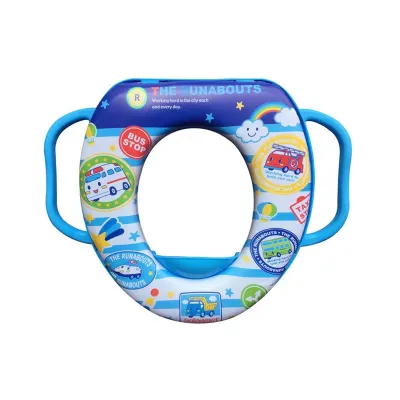
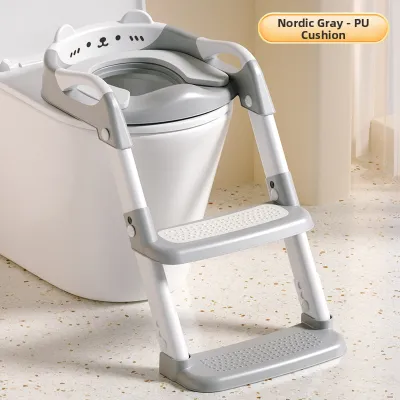

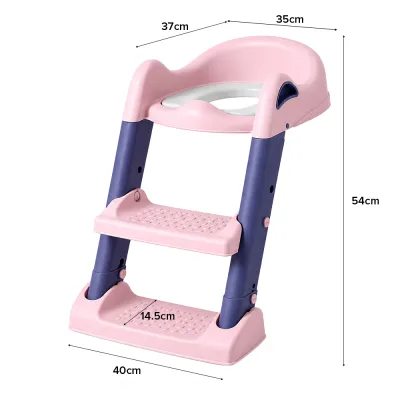
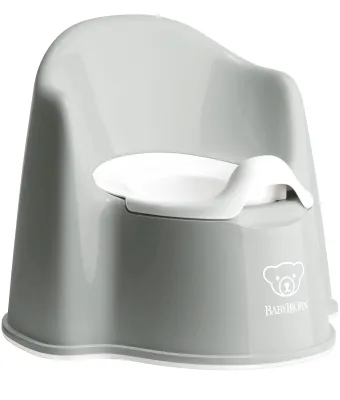
Prices are valid at publication and may change. Please refer to the product page for the latest price.
Understanding the Core Differences
To make an informed choice, it is essential to understand how each product functions within your home. A standalone potty is a miniature, self-contained toilet designed to sit directly on the floor. It consists of a plastic frame and a removable inner basin that collects waste. Because it does not connect to your plumbing, a caregiver must manually empty the basin into the adult toilet, rinse it, and sanitize it after every use. Its primary benefit is its low height, which allows toddlers to sit down and stand up completely independently.
In contrast, a toilet trainer ring is an insert that rests directly on top of your existing adult toilet seat. It reduces the size of the toilet opening so that a small child can sit securely without the fear of slipping through. Because this setup is elevated, it requires a sturdy step stool so the child can climb up and rest their feet comfortably while seated. Waste goes directly into the home’s plumbing, meaning there is no separate basin to empty.
While both products serve the same ultimate goal of helping your child transition out of diapers, they encourage different habits. The standalone potty focuses on ease of access and physical comfort at the child’s level. The toilet trainer ring focuses on integrating the child into the existing bathroom environment from the very beginning, mimicking adult habits more closely.
Key Factors to Evaluate for Your Toddler and Home
Choosing between these two options requires balancing your child’s unique physical and emotional needs with the practical realities of your living space. A product that works wonderfully for one family might cause frustration in another due to differences in bathroom size, daily schedules, or a child’s temperament.

Toddler Comfort, Size, and Independence
Physical comfort is a cornerstone of successful potty training, as a child who feels unstable or uncomfortable is likely to resist using the potty. Proper posture plays a vital role in a toddler’s ability to eliminate effectively. For the pelvic floor muscles to relax fully, a child should sit with their knees positioned slightly higher than their hips, and their feet must rest flat on a solid surface. A standalone potty naturally facilitates this optimal squatting posture because of its low-to-the-ground design, making it highly comfortable for younger or smaller toddlers.
Emotional comfort is equally important, as the adult bathroom can be an intimidating environment for a young child. The height of the standard toilet, the loud sound of flushing water, and the vast opening of the adult seat can trigger anxiety in cautious toddlers. A toilet trainer ring can help bridge this gap by making the seat feel secure, but without a proper step stool, the child’s legs will dangle. Dangling legs can cause muscle tension, making it physically harder to go, while also increasing their fear of falling.
Independence is another key developmental aspect to consider. A standalone potty allows a toddler to respond to their bodily cues immediately and sit down without waiting for an adult to assist them. Using a toilet trainer ring, even with a step stool, often requires a caregiver to supervise the climb, help adjust clothing at a height, and ensure the child is positioned safely. If your goal is to foster complete self-reliance early in the process, the floor-level option offers fewer physical barriers.
Bathroom Layout and Cleaning Logistics
The physical layout of your home and your daily cleaning routine are just as influential as your child’s readiness. In homes with compact bathrooms, floor space is highly limited. A standalone potty takes up dedicated floor area and can easily become a tripping hazard in a tight bathroom. When not in use, it must be stored somewhere visible, which some families find inconvenient. A toilet trainer ring, however, utilizes the existing toilet footprint and can often be hung on a wall hook or tucked neatly beside the toilet tank.
Cleaning logistics represent the most significant difference in caregiver workload between the two products. With a standalone potty, you must carry the waste-filled basin to the adult toilet, empty it, rinse it, and sanitize it after every single use. This process requires a dedicated cleaning routine to prevent odors and staining, which some caregivers find unappealing, especially during the frequent accidents of early training.
A toilet trainer ring simplifies waste disposal because everything goes directly into the toilet bowl, allowing you to simply flush the waste away. However, the ring itself still requires regular maintenance. Urine splashes can easily find their way underneath the trainer ring and onto the adult toilet seat, meaning you will need to wipe down both surfaces frequently. Additionally, the step stool used with the ring will need regular sanitizing, as it sits on the bathroom floor where splashes can occur.
Decision Framework: When to Choose Which
To help you make the final decision, consider this practical framework based on your specific household conditions and your child’s personality.
You should choose a standalone potty if:
- Your toddler is physically small, younger, or has shorter legs, making it difficult for them to climb a step stool comfortably.
- Your child shows clear signs of fear or anxiety regarding the adult toilet, the height of the seat, or the sound of the flush.
- Your home has multiple levels, or your child's primary play area is far from the main bathroom, making a portable floor-level option essential for avoiding accidents.
- You want to encourage your child to use the potty completely independently from start to finish without needing your physical assistance to climb.
You should choose a toilet trainer ring if:
- Your bathroom floor space is highly restricted, and you prefer a solution that does not clutter the floor.
- Your toddler is highly motivated by mimicking adults or older siblings and insists on using the "big" toilet just like the rest of the family.
- You already have or are willing to purchase a sturdy, non-slip step stool that allows your child's feet to rest completely flat while they are seated.
- You prefer to avoid the chore of emptying and washing a separate waste basin after every use.
Before making any purchase, it is crucial to perform a compatibility check. If you decide on a toilet trainer ring, measure the shape and dimensions of your adult toilet seat. Toilet seats generally come in round, oval, or D-shaped designs, and not all trainer rings are universal. A ring that does not fit snugly can wobble or slide when your child sits down, which can startle them and set back their training progress.
Safety Checks and Manufacturer Guidelines
Regardless of which option you choose, safety must remain your top priority throughout the potty training journey. When shopping for a standalone potty, look for models that feature a wide, heavy base and robust non-slip rubber grips on the bottom. These features prevent the potty from sliding across smooth bathroom tiles or tipping over when your toddler sits down quickly or stands up.
For toilet trainer rings, verify that the product has a reliable anti-slip underside, adjustable brackets, or a secure locking mechanism that holds it firmly in place against the adult seat. A loose ring is a safety hazard and can easily cause pinches or slips. Always check the manufacturer’s packaging or instruction manual to verify the specific weight and age limits for the product, as these limits vary significantly between brands.
Regularly inspect your potty training equipment for signs of wear and tear. Stop using any product immediately if you notice cracks in the plastic, worn-out rubber grips, or any structural instability. Cracks can pinch sensitive skin and harbor bacteria that are difficult to clean. Finally, remember that no equipment replaces active caregiver supervision; always stay close to your toddler during use to ensure they climb, sit, and stand safely.
Frequently Asked Questions (FAQ)
Can I use both a standalone potty and a toilet trainer ring?
Using both products simultaneously is a highly effective strategy that many families adopt. Placing a standalone potty in your child’s main play area or on a different floor of your home ensures they have quick, barrier-free access when they are still learning to recognize the sudden urge to go. At the same time, installing a toilet trainer ring in your main bathroom helps establish a structured routine for morning and bedtime visits, gradually familiarizing them with the adult toilet. This combined approach offers maximum convenience while easing the eventual transition to using standard toilets outside the home.
Do I need a step stool with a toilet trainer ring?
Yes, a step stool is an absolute necessity when using a toilet trainer ring. Without a stool, your toddler’s legs will dangle in the air, which prevents them from bracing themselves and causes the pelvic floor muscles to tighten, making bowel movements difficult and uncomfortable. A sturdy step stool serves two critical purposes: it allows your child to climb onto the toilet independently, and it provides a solid platform to support their feet flat, which facilitates the natural squatting posture required for easy elimination. When choosing a step stool, verify that it has a non-slip top surface and secure rubber feet to prevent it from sliding on slick bathroom floors.
How do I clean and maintain these products?
Maintaining strict hygiene is essential for keeping these products safe and odor-free. For a standalone potty, empty the inner basin into the adult toilet immediately after use, rinse it with warm water, and clean it using a mild, child-safe disinfectant or soap. Ensure it is completely dry before putting it back together. For a toilet trainer ring, wipe down the splash guard and seat surface daily with a sanitizing wipe. Periodically remove the entire ring to clean the underside and the adult toilet seat beneath it, as hidden moisture and urine splashes can collect in the hinges and crevices, leading to mold or bacteria growth if left unchecked.

Community discussion
Share your experience or ask a question. Comments are reviewed before publication.