
Quick Answer: Which Potty Training Seat Should You Choose?
Choosing the right potty training seat is one of the first major decisions you will make when your toddler is ready to transition away from diapers. There is no single “best” option that works for every family; the ideal choice depends heavily on your bathroom space, your daily routine, and your child’s unique temperament.
Standalone potties are generally ideal for younger or smaller toddlers who feel anxious about the height of an adult toilet. Their low-to-the-ground design allows children to sit independently with their feet flat on the floor, and they can easily be moved into play areas or bedrooms during the initial days of training. On the other hand, toilet-top reducer seats are highly space-efficient, keep waste directly in the toilet bowl to eliminate messy cleanup, and help your child skip the secondary transition phase of moving from a miniature potty to the adult toilet.
To make the right choice for your household, you must balance your child’s physical comfort and emotional readiness against the practical realities of your bathroom layout and cleaning preferences. The following sections break down these factors in detail to help you select the setup that will set your child up for potty training success.
Products mentioned in this guide
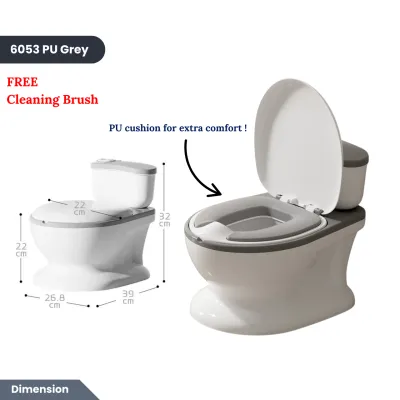
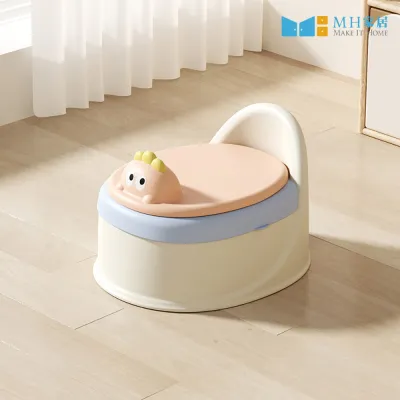
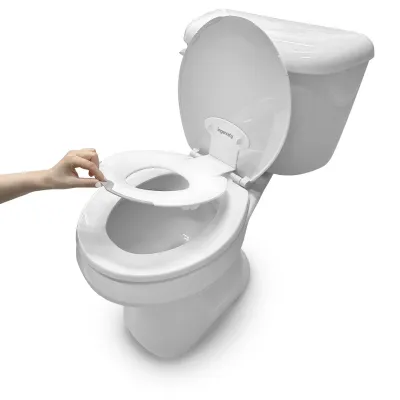
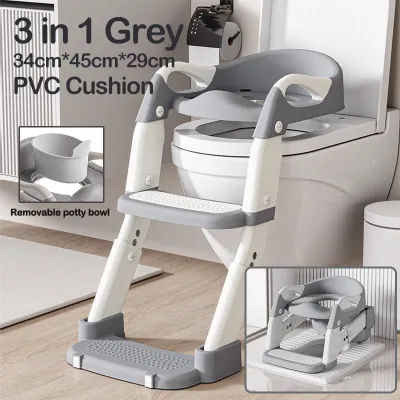
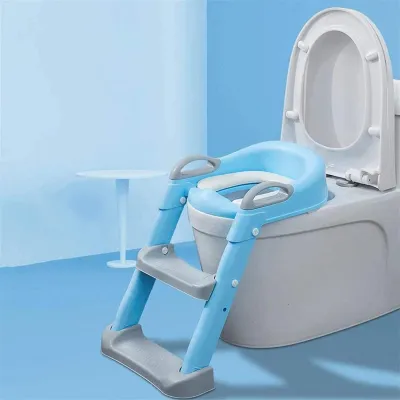
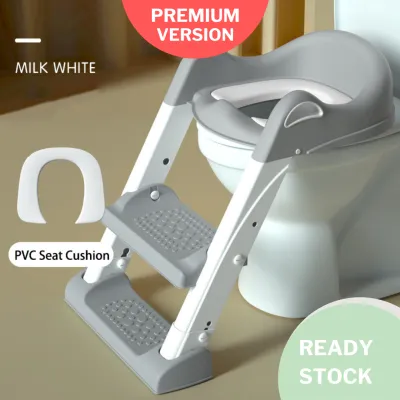
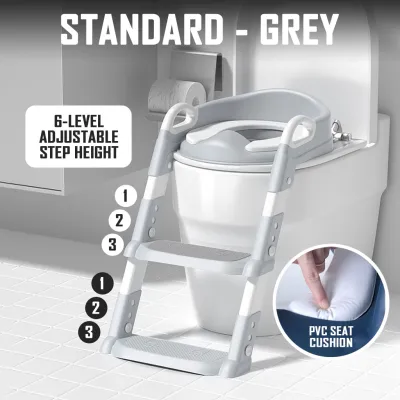
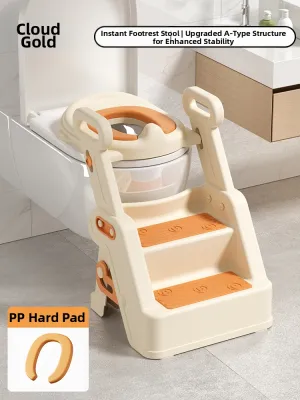
Prices are valid at publication and may change. Please refer to the product page for the latest price.
Understanding the Two Main Types of Potty Training Seats
Before comparing the two systems, it is essential to understand the basic mechanics and physical designs of each configuration. While both options serve the exact same developmental purpose—helping your child learn to control their bodily functions and transition away from diapers—they differ significantly in their daily logistics, physical footprint, and usage requirements.

Standalone Potties (Freestanding)
A standalone potty is a small, self-contained, floor-level toilet designed specifically for toddlers. Because these units are completely independent of your home’s plumbing, they can be placed in any room where your child spends time. Most standalone models consist of a sturdy plastic base, a low seat, and a removable inner bowl that catches waste.
The primary benefit of this design is psychological and physical security. Because the seat sits just a few inches off the floor, your child can sit down and stand up without any help from an adult. This independence builds confidence. Furthermore, sitting low to the ground allows your child’s feet to remain firmly planted on the floor. This grounded position naturally elevates their knees slightly above their hips, creating the optimal squatting posture for comfortable and efficient bowel movements.
Toilet-Top Seats (Reducer Seats)
A toilet-top seat, also known as a reducer ring, is a specialized seat that rests directly on top of your existing adult toilet seat. It reduces the size of the toilet opening, preventing your toddler from slipping or feeling like they are falling into the large water bowl. These seats are typically made of lightweight plastic, and many models feature padded cushions or built-in handles for extra security.
Because these seats elevate your child to the height of an adult toilet, they cannot be used in isolation. To use a toilet-top seat safely and independently, your child will require a sturdy toddler step stool. The step stool serves a dual purpose: it allows your child to climb up to the toilet seat on their own, and it provides a vital platform to rest their feet while seated, ensuring they do not dangle uncomfortably.
Key Comparison Dimensions for Your Bathroom and Child
To decide which potty training seat is right for your home, you must evaluate both options across several practical and emotional dimensions. By looking closely at your physical space, your child’s personality, your cleaning routine, and your long-term goals, you can narrow down the choice with confidence.
Space and Bathroom Layout
The physical layout of your home is a primary deciding factor when choosing potty training gear. If you live in a home with compact bathrooms, such as a typical HDB flat in Singapore, floor space is at a premium.
Standalone potties require dedicated floor space. If your bathroom is narrow, a freestanding potty can easily block walkways, create tripping hazards, or interfere with access to the shower or sink. Additionally, in wet-room style bathrooms where the shower area is not completely separated from the toilet, a standalone potty kept on the floor can constantly get wet, requiring frequent drying to prevent mold or mildew. However, the portability of a standalone potty is a major advantage during the early stages of training, as you can keep it in the living room or playroom where your child is most comfortable.
In contrast, toilet-top reducer seats are highly space-efficient. When not in use, many models can be hung on a simple adhesive hook on the side of the toilet tank or bathroom wall, keeping the floor completely clear. However, you must account for the physical footprint of the necessary step stool. While some step stools can slide neatly under the curve of the adult toilet bowl when not in use, they still add physical clutter to a small bathroom. Before buying, measure your bathroom floor area and consider how easily family members can navigate the space with a stool in place.
Child's Comfort and Fear of Falling
Your child’s emotional response to the bathroom environment will heavily influence how quickly they adapt to potty training. For many toddlers, the adult bathroom can be an intimidating place.
A standalone potty completely eliminates the fear of heights and falling. Because the child is positioned close to the floor, there is no anxiety about losing balance. This makes standalone potties an excellent entry point for children who are naturally cautious, sensitive to sensory inputs, or resistant to change.
Conversely, using a toilet-top seat can be frightening for some toddlers. The height of the adult toilet, the large expanse of water in the bowl, and the loud, sudden sound of the flush can trigger anxiety. If a child feels unstable or fears they might fall in, they may tense up their muscles, making it physically difficult to eliminate. To mitigate this fear, you must pair a toilet-top seat with a highly secure step stool that features non-slip surfaces and, if possible, built-in handrails. On the positive side, some toddlers are highly motivated by mimicry; they want to do exactly what their parents or older siblings do. For these children, using the “big toilet” with a reducer seat provides a massive boost of pride and motivation.
Cleaning and Maintenance
Daily hygiene and cleanup are major considerations for parents, as you will be managing waste multiple times a day for several months or even years.
Standalone potties require a hands-on cleaning routine. Every time your child uses the potty, you must carry the removable inner bowl to the adult toilet, empty the contents, rinse the bowl, and sanitize it. This process can be time-consuming and messy, especially if you are dealing with solid waste that adheres to the plastic. If you are away from a sink or traveling, cleaning a standalone potty becomes even more challenging.
Toilet-top seats offer a much simpler cleaning process. Because your child eliminates directly into the adult toilet bowl, cleanup is as simple as flushing. You do not have to carry or dump waste. However, you will still need to perform regular maintenance. Reducer seats must be wiped down frequently to remove urine splashes, and you must periodically clean the underside of the ring where it contacts the adult seat. When cleaning either type of seat, always consult the manufacturer’s care instructions before applying harsh chemical disinfectants or bleach, as some plastics can degrade or retain chemical residues that could irritate your child’s sensitive skin.
Transitioning to the Regular Toilet
Consider how each option affects your child’s long-term potty training journey and their eventual transition to using standard public and home toilets without any specialized gear.
Using a standalone potty introduces a two-step transition process. First, your child must learn to recognize their bodily urges and use the miniature potty. Once they have mastered this, you must eventually transition them a second time to using the adult toilet. Some children become deeply attached to their standalone potty and resist using the larger toilet, which can prolong the training process and make outings away from home difficult.
Using a toilet-top seat bypasses this secondary transition entirely. From day one, your child associates the adult toilet with elimination. They become accustomed to the sights, sounds, and height of the standard bathroom. As your child grows taller and more coordinated, you simply remove the reducer ring and the step stool, leaving them fully prepared to use any standard toilet at home, at preschool, or in public spaces.
Feature Checklist: What to Look for in Either Option
Regardless of which style you choose, certain safety and usability features are non-negotiable. Use this checklist to evaluate specific products before making a purchase:
- Non-Slip Bases and Grips: For standalone potties, look for wide bases with rubberized, non-slip feet to prevent the unit from sliding when your child sits down or stands up. For toilet-top seats, ensure the underside features non-slip silicone padding or adjustable brackets that lock the ring securely onto your specific adult toilet seat to prevent shifting.
- Effective Splash Guards: A built-in splash guard at the front of the seat is essential for containing urine, particularly for young boys. Look for a guard that is high enough to prevent leaks but contoured smoothly so it does not cause discomfort or interfere with your child climbing onto the seat.
- Seamless, Easy-Wipe Surfaces: For standalone models, look for a removable inner bowl with a completely seamless design. Avoid models with deep crevices, decorative grooves, or complex locking mechanisms where bacteria, moisture, and waste can hide and become difficult to clean.
- Step Stool Compatibility and Stability: If choosing a toilet-top seat, pair it with a step stool that has a wide, stable base, rubberized non-slip feet, and a textured top surface to prevent slipping when wet. The height of the stool should allow your child to sit on the toilet with their knees bent slightly higher than their hips, supporting proper anatomical alignment.
- Material Integrity and Safety Labels: Always inspect the product packaging or manufacturer documentation to verify age recommendations, structural weight capacities, and material safety certifications. Ensure the plastic is durable, sturdy, and free from sharp edges or flimsy joints that could pinch your child's skin.
Decision Framework: How to Make Your Final Choice
To finalize your decision, assess your household’s specific situation against this conditional framework:
Choose a Standalone Potty if:
- Your child is under two years old or is physically small, making the climb to an adult toilet difficult or intimidating.
- Your child exhibits clear signs of fear, anxiety, or physical tension when placed near the adult toilet.
- You want the flexibility to place the potty in different rooms (such as a bedroom for nighttime training or a living area during the day) to ensure quick access.
- Your bathroom layout lacks the physical space required to safely position a step stool in front of the toilet.
Choose a Toilet-Top Seat if:
- Your child is highly motivated by mimicking adult behaviors and expresses an explicit desire to use the "big toilet."
- You want to minimize daily cleanup and avoid the chore of manually emptying and washing a waste bowl.
- Your bathroom floor space is extremely limited, and you prefer a seat that can be hung up and stored out of the way.
- You want to streamline the potty training process by skipping the secondary transition phase from a miniature potty to the adult toilet.
Neither Option May Fit Yet if:
- Your child does not display key developmental readiness signs, such as staying dry for consecutive hours, showing interest in bathroom habits, or communicating their physical needs. If your child resists both setups, it is usually best to pause, remove the equipment from view, and try again in a few weeks rather than forcing the issue.
Verify Compatibility First if:
- You decide on a toilet-top seat. Adult toilet seats come in various shapes, primarily round or elongated. Measure your home's toilet seat and compare it against the manufacturer's compatibility guidelines to ensure the reducer ring will sit flat and lock securely without wobbling.
Frequently Asked Questions (FAQ)
When is the right time to introduce a potty training seat?
Introducing a potty training seat should be based on your child’s developmental milestones rather than their chronological age. Most children begin showing readiness signs between 18 months and three years of age. Key physical and cognitive signs include the ability to stay dry for at least two hours, the motor skills to pull their own pants up and down, and the ability to follow simple instructions and communicate the need to eliminate. If your child shows extreme resistance, distress, or physical hesitation after multiple gentle attempts, consult your pediatrician to rule out underlying issues like constipation or to discuss developmental readiness.
Do I need both a standalone potty and a toilet-top seat?
While some families choose to purchase both—using a standalone potty for quick access in the living room and a toilet-top seat in the main bathroom—it is not strictly necessary. In fact, introducing multiple different setups simultaneously can sometimes confuse a young toddler who thrives on routine. Consistency in location and equipment often helps children build toilet habits more quickly. It is generally recommended to start with the single type that best fits your bathroom layout and your child’s temperament, and only introduce a second option if your child struggles with the initial setup.
How do I clean and sanitize the potty seat safely?
For daily cleaning, empty any waste immediately and wash the seat or removable bowl with mild liquid soap and warm water. Avoid using abrasive scrubbing pads, steel wool, or harsh scouring powders, as these can create microscopic scratches in the plastic where bacteria and odors can easily collect over time. If you wish to sanitize the seat, always check the manufacturer’s care instructions on the product label first. Some plastics can degrade, discolor, or release fumes when exposed to harsh household disinfectants or bleach-based cleaners. Ensure the seat is completely rinsed and dried thoroughly before your child uses it again to prevent skin irritation.

Community discussion
Share your experience or ask a question. Comments are reviewed before publication.