
Quick Answer: Which Kids Toilet Fits Your Child?
Choosing the right kids toilet option is a pivotal step in your child’s potty training journey. The best choice ultimately depends on your child’s age, physical readiness, and your home’s bathroom layout.
Standalone potties are generally the most effective option for younger toddlers, typically between 18 and 24 months of age. At this developmental stage, children benefit from a low-profile, unintimidating seat that sits firmly on the floor, allowing them to sit down and stand up completely independently.
Conversely, toilet seat reducers are ideal for older toddlers, usually aged two and a half years and above. These children generally possess the height, physical coordination, and balance required to climb up to an adult toilet. They are also often driven by a strong desire to mimic adult habits.
Products mentioned in this guide
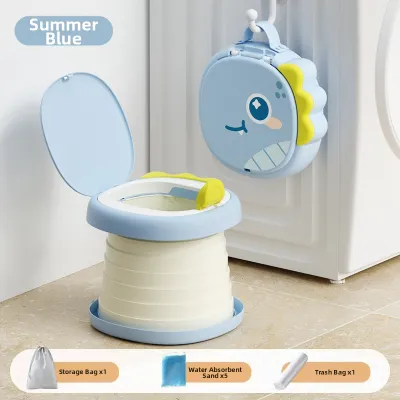
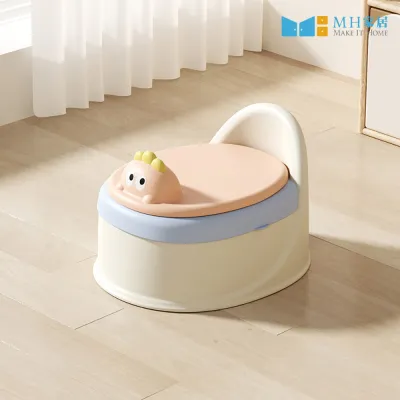

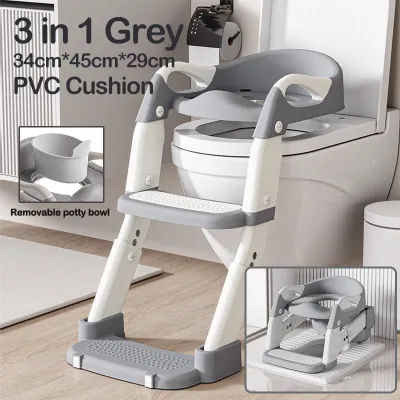
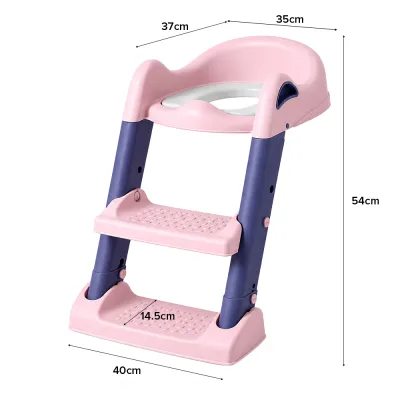

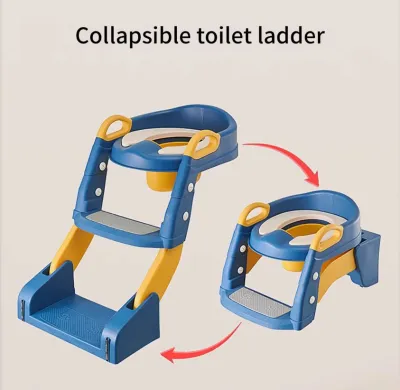
Prices are valid at publication and may change. Please refer to the product page for the latest price.
Many families in Singapore find success by adopting a hybrid approach. They introduce a standalone potty during the initial training phase to build confidence, and then transition to a toilet seat reducer as the child grows taller and more comfortable with the bathroom environment.
Standalone Potty vs Toilet Seat Reducer: The Basics
To make an informed decision, it is essential to understand the structural and functional differences between these two primary styles of kids toilet equipment. While both products serve the exact same developmental purpose, they demand different levels of parental involvement and physical space.

What Is a Standalone Potty?
A standalone potty is a small, self-contained, child-sized chair that sits directly on the floor. It features a molded seat and a removable inner bowl designed to collect waste. Because it does not connect to your home’s plumbing system, you can place it in any room of the house, from the living room to the bedroom. This portability is particularly useful during the early days of training when immediate access is crucial.
What Is a Toilet Seat Reducer?
A toilet seat reducer, sometimes called a potty training ring, is an insert that fits directly over your existing adult toilet seat. It reduces the diameter of the opening so your child can sit securely without the fear of falling in. Because this setup elevates the child to adult height, it almost always requires a companion step stool. This stool allows the child to climb up independently and provides a solid platform to rest their feet while sitting.
Both configurations have distinct operational workflows. The standalone potty requires manual disposal and cleaning after every use, whereas the reducer utilizes your existing home plumbing for immediate waste disposal.
4 Key Factors to Compare Before You Buy
Evaluating your unique household situation against specific developmental and environmental factors will help you select the most practical kids toilet setup. Consider these four critical dimensions before making your purchase.
Age, Size, and Physical Readiness
A child’s physical development dictates how safely and comfortably they can use potty training equipment. Climbing ability is a primary consideration. Younger toddlers often lack the core strength and lateral balance required to climb a step stool, turn around, and sit down on an elevated toilet seat. For these children, a floor-level standalone potty offers a safe, low-risk seating option that eliminates the hazard of falling from a height.
Foot support is another critical physiological factor. From an anatomical perspective, effective and comfortable bowel movements require the child to sit with their feet flat on a solid surface, which elevates the knees slightly above the hips. This squatting posture relaxes the puborectalis muscle, allowing waste to pass easily without straining. Standalone potties provide this natural alignment automatically because the child’s feet rest firmly on the bathroom floor. If you choose a toilet seat reducer, you must pair it with a step stool of the correct height to replicate this supportive posture.
Before purchasing any training seat, always consult the manufacturer’s documentation to verify the exact weight limits, age recommendations, and structural guidelines. Children grow at highly individual rates, and verifying these specifications ensures the equipment remains stable under your child’s current weight.
Bathroom Space and Home Setup
The architectural layout of your home plays a major role in determining which equipment is most practical. In Singapore, many residential properties, such as HDB flats and condominiums, feature compact bathroom layouts where floor space is at a premium.
A standalone potty occupies permanent floor space. During the initial weeks of training, parents often place the potty in high-traffic living areas or bedrooms to provide constant visual reminders. While this setup maximizes accessibility, it can create temporary clutter in smaller living areas.
In contrast, a toilet seat reducer has a much smaller permanent footprint. Many models can be hung from a adhesive hook on the side of the adult toilet tank or tucked away in a vanity cabinet when not in use. However, you must still account for the floor space required by the accompanying step stool.
Before choosing a reducer, measure the clearance area around your adult toilet. Ensure there is sufficient space for your child to position the step stool, climb up safely, and turn around without bumping into walls, glass shower screens, or bathroom sinks.
Cleaning and Daily Maintenance
The daily hygiene routine associated with each option is a major factor in parental convenience. A standalone potty requires a multi-step cleaning process after every single use. You must remove the inner collection bowl, empty the contents into the adult toilet, rinse the bowl, and sanitize it with a child-safe disinfectant. This manual handling of waste can be tedious, particularly during the high-frequency early stages of training.
With a toilet seat reducer, waste goes directly into the adult toilet bowl, allowing you to simply flush it away. This eliminates the need to carry and dump a separate bowl of waste. However, reducers present their own cleaning challenges. Urine splashes can collect on the underside of the reducer ring and on the adult toilet seat itself, requiring regular wiping.
Furthermore, the step stool and the reducer handles must be sanitized frequently to prevent the buildup of bacteria. In Singapore’s warm and humid climate, moisture can easily trap dust and bacteria in tight crevices. Parents should evaluate whether they prefer the quick, direct flushing of a reducer or the contained, floor-level cleaning of a standalone bowl.
Comfort, Fear, and Independence
The psychological comfort of your child is just as important as physical readiness. The adult bathroom can be an intimidating environment for a small child. The height of the standard toilet, the large expanse of open water in the bowl, and the sudden, loud noise of a high-efficiency flush can trigger anxiety in sensitive toddlers. A standalone potty sits safely on the floor, making it feel secure, manageable, and entirely under the child’s control.
On the other hand, many older toddlers experience a strong developmental drive toward autonomy and adult mimicry. They want to do exactly what their parents and older siblings do. Utilizing a toilet seat reducer allows them to use the “big toilet,” which can serve as a powerful psychological motivator.
To mitigate any fear of falling when using a reducer, look for models that feature integrated, easy-to-grip side handles. Pairing the ring with a highly stable step stool that includes raised handrails can also provide the physical reassurance your child needs to feel secure at an elevated height.
Standalone Potty vs Toilet Seat Reducer: Feature Breakdown
The table below summarizes the core differences between the two options across key functional categories to help you compare them at a glance.
| Feature | Standalone Potty | Toilet Seat Reducer |
|---|---|---|
| Best Age Group | 18 to 24 months | 2.5 years and older |
| Setup Location | Any flat floor surface (portable) | On top of the existing adult toilet |
| Foot Support | Natural (feet rest directly on the floor) | Requires a separate, height-adjustable step stool |
| Cleaning Routine | Emptying, rinsing, and sanitizing the bowl | Wiping the ring, flushing, and cleaning the stool |
| Space Required | Moderate floor space in living areas or bathroom | Minimal storage space; requires stool clearance |
| Primary Advantage | Highly accessible and non-intimidating for beginners | Encourages adult mimicry and eliminates manual emptying |
Neither of these options is universally superior to the other. Instead, they represent different stages of physical and emotional readiness. While the standalone potty is an excellent tool for introducing the basic concept of elimination control without the stress of heights, the toilet seat reducer serves as the ultimate bridge to fully independent adult toilet usage.
How to Decide: A Practical Framework for Parents
To determine the best path forward for your family, use this structured decision-making framework based on your child’s current development and your home environment.
When to Choose a Standalone Potty
A standalone potty is highly recommended if your situation aligns with the following indicators:
- Early Starter: Your child is under 24 months old and is just beginning to show interest in potty training.
- Physical Constraints: Your child cannot yet climb stairs or step stools confidently without adult assistance.
- Anxiety Signs: Your child expresses fear or distress when brought near the adult toilet or when hearing the flushing mechanism.
- Layout Needs: You live in a multi-story home or a layout where the bathroom is far from the main play area, making a portable floor option essential for avoiding accidents.
When to Choose a Toilet Seat Reducer
A toilet seat reducer is the more suitable choice if your household matches these criteria:
- Older Toddler: Your child is 2.5 years or older, has excellent gross motor skills, and can climb stairs easily.
- Mimicry Drive: Your child actively demands to use the adult toilet and wants to copy the bathroom habits of parents or older siblings.
- Compact Living: Your bathroom floor space is highly restricted, and you prefer a streamlined solution that hangs out of the way.
- Plumbing Preference: You prefer to avoid the manual chore of emptying and washing a waste collection bowl multiple times a day.
The Hybrid Transition Strategy
If you are uncertain how your child will react, starting with a simple standalone potty is a low-risk way to introduce the concept. Once your child successfully uses the standalone potty for several weeks and develops the physical height and coordination to climb safely, you can introduce the toilet seat reducer as an exciting “upgrade” to the big toilet.
Essential Verification Checks Before Buying
Before finalizing your purchase of any kids toilet equipment, perform these essential compatibility and safety checks:
- Bowl Shape Compatibility: If buying a reducer, verify whether your adult toilet bowl is round, elongated, D-shaped, or square. Not all reducers fit securely on every bowl shape, and a loose-fitting seat can slip, frightening or injuring your child.
- Step Stool Stability: Ensure any companion step stool features a wide, non-slip rubberized base that grips your bathroom floor tile securely, even when wet.
- Material Safety: Check the packaging to ensure the plastic components are sturdy, free of sharp edges, and easy to wipe clean.
Essential Safety and Transition Tips
Regardless of which equipment you choose, implementing consistent safety protocols and hygiene habits will ensure a smooth, injury-free transition.
Maintain Active Supervision
Never leave your child unattended in the bathroom, whether they are using a standalone potty or an elevated toilet seat reducer. Falls from adult toilets can cause serious injuries. Additionally, bathrooms contain numerous hazards, including standing water, cleaning chemicals, and hard surfaces. Continuous, close supervision is mandatory to ensure your child’s safety at all times.
Optimize Step Stool Ergonomics
If you are utilizing a toilet seat reducer, adjust the height of the step stool so that your child’s feet rest completely flat on the platform. Their knees should be bent slightly higher than their hips. This specific posture is not only safer but also physically relaxes the pelvic floor muscles, reducing the risk of stool withholding and constipation.
Practice Safe Hygiene Routines
Always follow the manufacturer’s specific cleaning and maintenance instructions for your training equipment. Use mild, child-safe soapy water or specialized gentle wipes to clean the seats. Avoid harsh, abrasive household bleach or highly fragranced chemical cleaners, as these can leave residues that irritate a toddler’s sensitive skin. Ensure all parts are fully dried to prevent mold growth in humid bathroom environments.
Know When to Pause
Potty training should never become a physical or emotional battle. If your child exhibits extreme distress, cries, or refuses to sit on either a standalone potty or a reducer, do not force the issue. Forcing a child to sit can lead to negative associations, anxiety, and physical issues like chronic constipation. Stop using the equipment, return to diapers temporarily, and consult your pediatrician or a child development specialist if you have ongoing concerns about physical readiness or developmental milestones.
Frequently Asked Questions (FAQ)
Can I use a toilet seat reducer without a step stool?
Using a toilet seat reducer without a step stool is highly discouraged. Without a stool, a child’s legs will dangle in the air, which is physically uncomfortable and can cause anxiety due to a lack of stability. More importantly, dangling legs prevent the child from pushing down with their feet, making it anatomically difficult to relax the pelvic muscles and pass bowel movements easily. A sturdy step stool is essential for safety, independence, and proper physical alignment.
When is the right time to transition from a standalone potty to the adult toilet?
The transition to the adult toilet should be guided by your child’s physical growth and developmental cues rather than a strict age timeline. Signs of readiness include your child expressing curiosity about the adult toilet, showing a desire to flush the big toilet, or physically outgrowing the standalone potty. If your child has been using a standalone potty consistently without accidents for several weeks and can easily climb a step stool, they are likely ready to try a reducer.
Are foldable toilet seat reducers safe for travel?
Foldable toilet seat reducers are convenient, highly portable tools designed to maintain training routines while traveling or using public restrooms. However, because they feature folding hinges, you must always double-check that the locking mechanism is fully engaged before letting your child sit to prevent pinching. Always supervise your child closely during use, as public toilet seats vary widely in size and shape, which can occasionally affect the stability of a travel reducer.

Community discussion
Share your experience or ask a question. Comments are reviewed before publication.