
Choosing the right toilet training seat is one of the most significant decisions you will make during your child’s transition out of diapers. The choice between a standalone potty and a toilet seat reducer comes down to your toddler’s developmental stage, physical confidence, and your home’s layout.
Select a standalone potty if your child is an early starter (typically under 18 to 24 months), is easily intimidated by the height or sound of a full-sized flush toilet, or if you need a highly portable option that can move from room to room. This low-to-the-ground setup provides immediate physical security, allowing your toddler to plant their feet firmly on the floor, which naturally aids bowel movements.
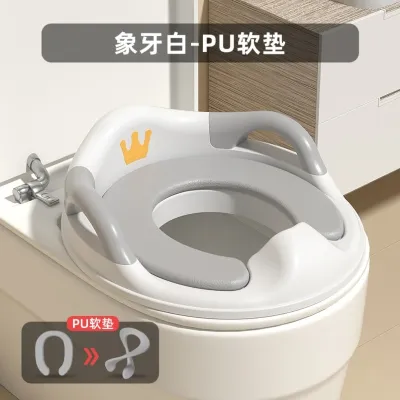
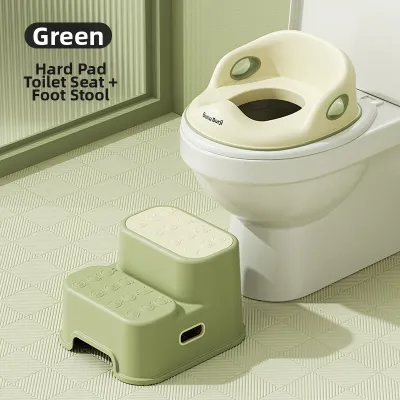
Choose a toilet seat reducer if your child is slightly older, possesses the physical coordination to climb a step stool, or if you want to streamline the cleaning process and bypass the secondary transition of moving from a miniature potty to the adult toilet. Reducers are also excellent for families with limited floor space who prefer to keep all toileting activities confined to the bathroom.
Products mentioned in this guide
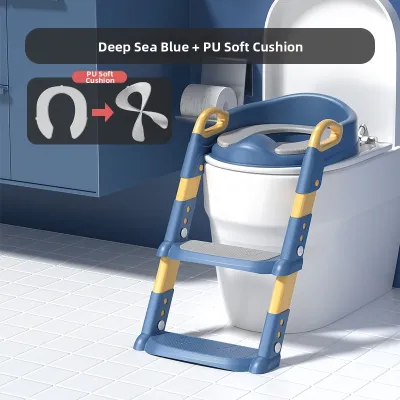
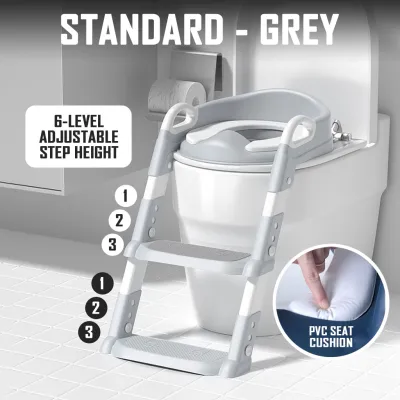
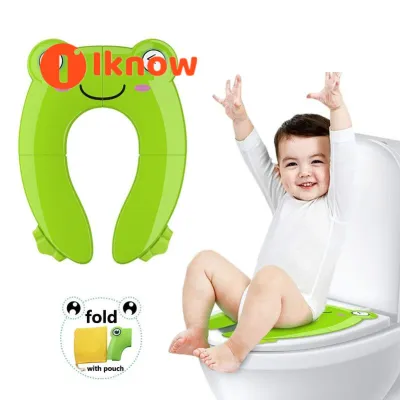
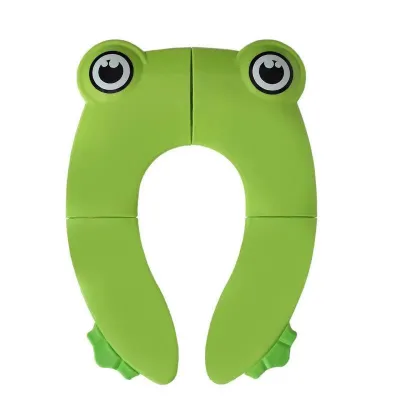
![[SG] Kids Travel Foldable Toilet Seat/ Baby Foldable Travel Potty Seat/ Kids Folding Toilet Training Seat Cover](https://img.lazcdn.com/g/p/d0f64ba2678c26156c57f25b7d66c912.jpg_400x400q80.jpg_.webp)
Prices are valid at publication and may change. Please refer to the product page for the latest price.
There is no single correct answer that applies to every family. The most successful approach respects your toddler’s unique temperament while matching the physical realities of your daily routine and bathroom space.
Understanding the Contenders: Standalone Potties vs Toilet Seat Reducers
A standalone potty is a self-contained, low-to-the-ground unit designed specifically for young children. It features a small, contoured seat and a removable catch bowl underneath to collect waste. Because it sits directly on the floor, it allows a toddler to sit with their feet planted firmly on the ground, providing an immediate sense of security and physical balance. Many models are lightweight and highly portable, making them easy to move around the house or pack in the car for outings.
In contrast, a toilet seat reducer is an accessory that modifies your existing adult toilet. It is an insert or a hinged seat that rests directly on top of the adult toilet bowl, reducing the size of the opening so your child does not slip through. To use a reducer safely, it must almost always be paired with a sturdy step stool so the child can climb up independently and rest their feet while sitting.
While both tools aim to transition your child away from diapers, they operate on different developmental philosophies. The standalone potty brings the toilet down to the child’s level, prioritizing comfort, accessibility, and physical security. The toilet seat reducer raises the child up to the adult’s level, prioritizing integration into the existing bathroom setup and mimicking adult habits from day one.
Key Comparison Dimensions for Toilet Training Seats
To make an informed choice, you must evaluate how each option fits into your daily life, your home’s physical layout, and your child’s developmental needs. Comparing these dimensions will help you identify which seat type aligns best with your parenting style and household routine.

Space, Setup, and Bathroom Logistics
In space-conscious living environments, such as typical apartments or HDB flats in Singapore, every square meter of floor space matters. A standalone potty is highly portable, meaning you can place it in the living room, playroom, or bedroom. This is incredibly helpful during the early days of training when the interval between a toddler realizing they need to go and the actual event is only a few seconds. However, this portability means you will have a small basin of waste sitting in your living spaces, and the unit itself occupies dedicated floor space where family members walk.
Conversely, a toilet seat reducer keeps all toileting activities confined to the bathroom. This establishes a clear boundary that the bathroom is where we go to use the toilet, which can reinforce healthy long-term habits. However, using a reducer means your bathroom must accommodate a step stool. In a compact bathroom, a step stool can block access to the toilet for adult family members, requiring you to constantly move, fold, or store the stool throughout the day.
Additionally, you must consider the physical environment of your bathroom. If your bathroom floor is frequently wet due to open shower layouts, a standalone potty or a step stool can slide easily if not properly secured. You will need to ensure that whatever option you choose sits on a completely dry, flat, and non-slip surface to prevent slips and falls.
Cleaning and Maintenance Effort
The daily maintenance routine of each seat type is a major factor in parental sanity. With a standalone potty, every successful use requires manual cleanup. You must remove the catch bowl, empty the contents into the adult toilet, rinse the bowl, sanitize it with a mild, child-safe cleaner, and dry it thoroughly. In warm and humid climates, skipping a thorough clean or leaving a damp bowl can quickly lead to unpleasant odors and mold growth.
A toilet seat reducer significantly reduces this workload because the waste goes directly into the main toilet plumbing. You simply flush the adult toilet, eliminating the need to carry and dump bowls of waste. However, reducers are not entirely maintenance-free. Urine splashes, particularly from young boys, can find their way underneath the reducer ring or onto the adult toilet seat.
To maintain proper hygiene, you must regularly remove the reducer to wipe down the adult toilet seat and hinges. Some reducers feature integrated splash guards, which help direct urine downward, but these must be designed carefully so they do not scrape or pinch the child when they sit down or stand up. Whichever option you choose, prioritize smooth plastic designs without deep crevices where bacteria can hide.
Toddler Psychology and the Transition Phase
A toddler’s emotional response to potty training is just as important as the physical equipment. Many young children experience genuine fear when confronted with a full-sized toilet. The height of the seat, the deep water bowl, and the loud, sudden sound of the flush can be highly intimidating. A standalone potty mitigates these fears by keeping the child low to the ground. When a toddler can sit with both feet flat on the floor, their pelvic floor muscles relax more easily, making bowel movements more comfortable and less stressful.
On the other hand, older toddlers are often driven by a strong desire for independence and an urge to copy their parents or older siblings. For these children, a toilet seat reducer is highly motivating. Sitting on the “big toilet” makes them feel grown-up and accomplished, which can accelerate their interest in training.
However, using a standalone potty introduces a secondary transition phase. Once your child masters the small potty, you must eventually transition them to the adult toilet. Some children become deeply attached to their personal potty and resist this second step. A toilet seat reducer skips this transition entirely, as the child is already accustomed to the adult toilet and simply needs to stop using the reducer ring once they grow large enough.
Side-by-Side Feature Comparison
This table summarizes the core structural and operational differences between the two training seat options to help you quickly evaluate which characteristics fit your household’s needs.
| Feature | Standalone Potty | Toilet Seat Reducer |
|---|---|---|
| Setup Location | Anywhere in the home (portable) | Confined to existing adult toilets |
| Cleanup Process | Manual emptying, rinsing, and sanitizing | Direct flushing; occasional wiping of the ring |
| Need for Step Stool | No step stool required | Essential for foot support and climbing |
| Transition to Adult Toilet | Requires a secondary transition phase | Direct transition; skips the middle step |
| Physical Stability | High; feet rest naturally on the floor | Moderate; dependent on step stool height |
| Best Age / Readiness | Early starters (18–24 months) or anxious toddlers | Older toddlers (2+ years) with good coordination |
| Typical Price Range | S$15 to S$50 (basic to multi-functional) | S$10 to S$40 (ring only; stools sold separately) |
How to Match the Seat to Your Child's Readiness and Bathroom Setup
Before purchasing any equipment, observe your child for signs of potty training readiness. These signs typically include staying dry for two or more hours at a time, showing physical awareness of when they are urinating or passing stool (such as walking to a quiet corner), expressing verbal or non-verbal interest in the bathroom, and being able to follow simple, two-step instructions. If your child is not yet showing these signs, forcing the issue with either seat type can lead to resistance.
Next, critically assess your bathroom layout. Measure the height of your adult toilet seat to ensure any step stool you buy will allow your child’s knees to rest slightly above their hips when seated, which is the optimal anatomical position for bowel movements. If your bathroom floor is frequently wet, ensure you choose a step stool with robust, rubberized, non-slip feet and verify its stability daily.
Many families successfully use a hybrid approach to get the best of both worlds. For example, you might place a standalone potty in the master bedroom for nighttime use or early morning wake-ups when coordination is low, while installing a toilet seat reducer in the main bathroom for daytime training. This helps build familiarity with both setups and ensures your child is adaptable when using toilets outside the home, such as at a preschool or a relative’s house.
Crucially, always check and adhere to the manufacturer’s stated weight limits, age recommendations, and safety warnings for any training seat or step stool you use. Never leave a toddler unsupervised on a toilet seat reducer or step stool, as falls can happen quickly. If your child experiences extreme anxiety, physical pain, chronic constipation, or resists potty training persistently over several weeks, stop training temporarily and consult a pediatrician or child development specialist.
Final Verdict: Making the Right Choice for Your Family
The ideal toilet training seat is the one that aligns with your child’s current physical confidence and your family’s daily routine. If your priority is stress-free physical stability and quick access in any room, a standalone potty is an excellent starting point. If you prefer to avoid handling waste and want to skip the secondary transition phase, investing in a high-quality toilet seat reducer and a sturdy step stool is the way to go.
To increase your chances of success, involve your toddler in the selection process. Let them choose the color of the standalone potty or pick out the step stool they will use to climb up to the reducer. This simple act of autonomy gives them a sense of ownership over the process, turning a potentially intimidating milestone into an exciting adventure.
Remember that potty training is a developmental journey that requires patience, consistency, and encouragement. Celebrate small successes, maintain a relaxed attitude toward accidents, and trust that your child will master this skill in their own time.
Frequently Asked Questions (FAQ)
Can I use both a standalone potty and a toilet seat reducer?
Yes, using both is a highly effective hybrid strategy. Many parents place a standalone potty in the bedroom or living area for immediate access during the initial learning phase or for nighttime emergencies, while installing a toilet seat reducer in the main bathroom to build familiarity with the adult toilet. This dual approach helps your child adapt to different toileting environments and can make the eventual transition to public restrooms much easier.
What features should I look for in a step stool for a toilet seat reducer?
When choosing a step stool to pair with a toilet seat reducer, safety and stability are your top priorities. Look for a stool with a wide, stable base that resists tipping, non-slip rubber grips on both the top surface and the bottom feet, and a weight capacity that comfortably exceeds your child’s current weight. The stool should be tall enough to allow your child to climb up easily and, once seated, rest their feet flat so their knees are slightly elevated above their hips. Always ensure the stool is placed on a completely dry, flat floor surface before your child climbs it.

Community discussion
Share your experience or ask a question. Comments are reviewed before publication.