
Transitioning your child to solid foods is a major milestone, but it often comes with a fair share of flying purees, tipped dishes, and mealtime chaos. While silicone and plastic bowls are common choices, stainless steel has emerged as a highly durable, hygienic, and long-lasting alternative for growing toddlers. Selecting the right stainless steel bowl requires looking beyond aesthetics to evaluate how its design, weight, and material composition align with your child’s developmental stage. By focusing on practical features like suction stability, ergonomic handles, and verified food-grade materials, you can invest in a feeding tool that supports independent eating while keeping cleanups manageable.
In Singapore’s warm climate and busy households, parents often prioritize tableware that is easy to clean and resistant to wear. Stainless steel fits this bill perfectly, as it does not retain odors, stain from bright orange carrot purees, or scratch easily under the scrape of metal spoons. However, because children have unique physical needs and developing motor skills, a standard metal bowl from your kitchen cabinet will not suffice. Understanding the specific features that make a bowl child-friendly will help you make an informed purchase that lasts through multiple weaning stages.
Essential Design Features for Mess-Free Meals
Many stainless steel bowls designed for children feature a removable silicone suction ring at the bottom. This hybrid design is crucial because metal itself cannot form a suction seal on a table. When evaluating these bowls, pay close attention to the suction mechanism’s design, looking for a wide, flexible silicone base with an easy-release tab for parents. Before purchasing, you must assess your dining setup, as suction bases rely on an airtight seal that requires a completely smooth, non-porous surface. If your child eats at a solid wood dining table with a textured grain, a matte-finished high chair tray, or a porous stone surface, even the strongest suction base may fail to stick.
Products mentioned in this guide
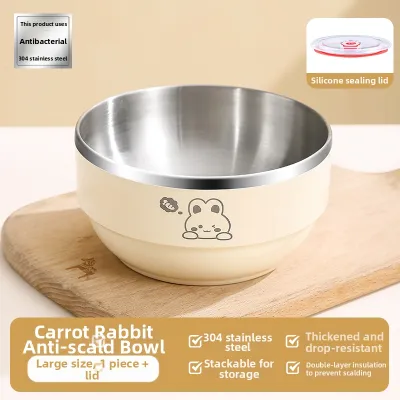
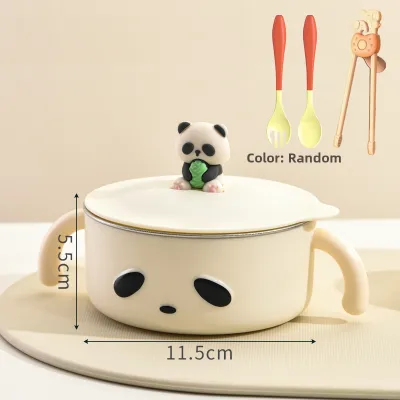
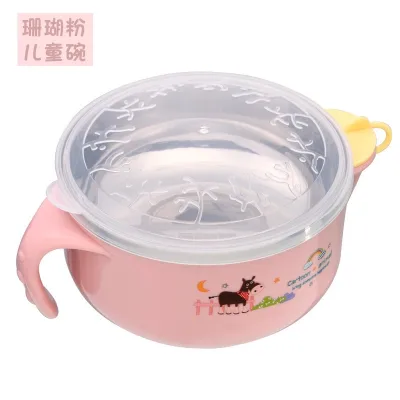
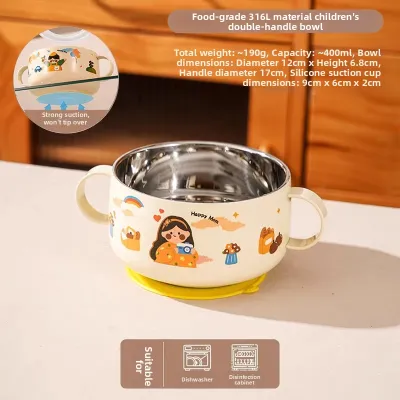
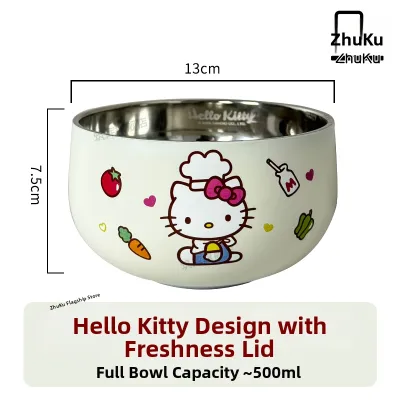
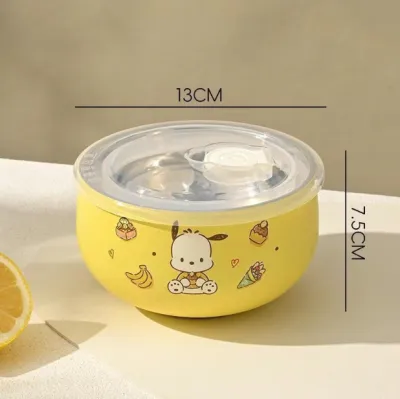
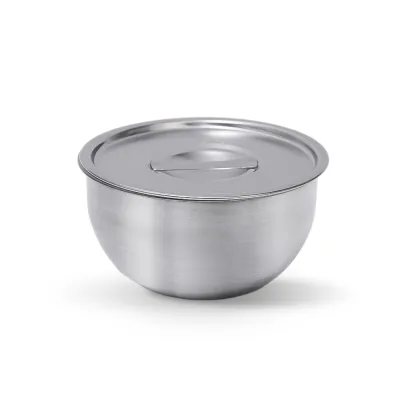
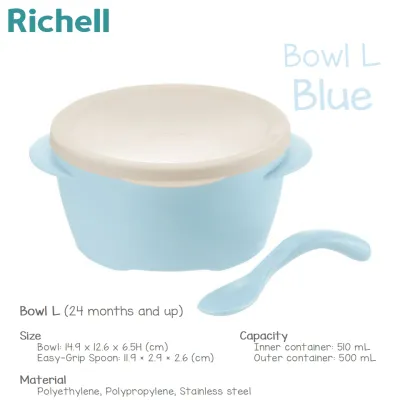
Prices are valid at publication and may change. Please refer to the product page for the latest price.
As toddlers transition to self-feeding, their fine motor skills are still developing, and handles provide essential leverage. Handles allow children to stabilize the bowl with one hand while learning to scoop with the other. Look for bowls with wide, looped handles that accommodate small fingers comfortably and feature non-slip textures. The material of the handle is equally important because stainless steel conducts heat efficiently. A single-walled metal bowl can become uncomfortably warm to the touch when filled with hot porridge or freshly steamed purees. To protect your child’s sensitive hands, prioritize bowls that feature heat-insulated handles, often achieved through double-walled construction or an outer plastic or silicone sleeve.
The physical proportions of the bowl play a significant role in preventing accidental spills during active mealtimes. A bowl with a narrow base and high walls has a high center of gravity, making it incredibly easy for an enthusiastic toddler to tip over. When browsing options, look for a low-profile design with a wide, heavy base that resists tipping. The added weight of high-quality, thick-gauge stainless steel naturally provides more stability than lightweight plastic alternatives. A wider footprint ensures that even if your child bumps the edge of the bowl with a spoon or a stray hand, the force is distributed downward rather than tipping the vessel sideways.
Sizing, Depth, and Capacity for Different Weaning Stages
The shape of the bowl’s interior walls directly influences how easily your child can navigate their food. For infants in the early stages of weaning, shallow bowls with gently sloping sides are highly practical. These shallow designs allow caregivers to easily access purees and help babies see the food clearly. As your child progresses to self-feeding with utensils, a bowl with deeper, more vertical walls becomes beneficial. Deep walls provide a flat surface against which your child can push their spoon to scoop up food, preventing them from chasing slippery pasta or round peas around the bowl.

Children’s portion sizes change rapidly during their first few years, and matching the bowl’s capacity to their developmental stage prevents both food waste and overfilling. For early weaning, snacks, and small portions of purees, a compact bowl with a capacity of 150ml to 250ml is perfectly adequate. These smaller bowls fit easily on compact high chair trays and are highly portable for outings. As your toddler transitions to full, multi-component meals, you will want to look for larger capacities ranging from 300ml to 500ml. Opting for a bowl that is slightly larger than your child’s typical portion size is a smart strategy, as it provides extra space to mix foods and prevents spills when they stir.
A subtle yet highly effective feature to look for is an inward-curving lip or an overhanging rim. Often referred to as scoop-friendly rims, these designs feature a top edge that curves slightly inward toward the center of the bowl. When your toddler slides their spoon up the side of the bowl, the curved lip guides the food back onto the spoon rather than letting it spill over the edge onto the table. This small design detail significantly boosts a child’s confidence during self-feeding practice and reduces the amount of food that ends up on their lap or the floor.
Material Safety and Label Verification
Stainless steel is highly favored for its hygienic properties, as it is non-porous and resistant to bacteria, but you must verify that the product is made from food-grade stainless steel. Look for explicit markings on the packaging or stamped directly onto the bottom of the bowl. The most common food-grade designations are 304 stainless steel or 18/8 stainless steel, which denote 18% chromium and 8% nickel. These alloys offer excellent resistance to corrosion, rust, and acidic foods. For even greater durability, some premium options utilize 316 stainless steel, which contains molybdenum for enhanced rust resistance. Avoid any children’s tableware that lacks clear material labeling.
While the main body of the bowl is stainless steel, many designs incorporate plastic outer shells, silicone suction bases, and plastic lids. It is vital to verify that these accompanying components are just as safe as the metal interior. Look for clear labels indicating that all plastic and silicone parts are BPA-free, phthalate-free, and lead-free. High-quality baby products will state compliance with international food-contact safety standards, such as those set by the US Food and Drug Administration (FDA) or European safety regulations (LFGB). Ensure that any silicone used is food-grade or platinum-cured, which ensures it will not leach chemicals when exposed to warm foods.
If you encounter a product online or in a local store that lacks clear labeling regarding its material composition or safety certifications, do not make assumptions. Reputable manufacturers will readily provide detailed specifications, safety test reports, or compliance certificates upon request. If a brand’s customer service cannot verify the exact grade of stainless steel or the safety standards of their plastic and silicone components, it is best to remove that option from your shortlist. Prioritizing brands that offer complete transparency regarding their materials is the safest approach for your child’s health.
Cleaning, Maintenance, and Longevity Checks
One of the primary appeals of stainless steel is its low-maintenance nature, but the addition of plastic and silicone components complicates the cleaning process. While pure stainless steel can withstand extreme temperatures, the outer plastic sleeves or silicone suction rings often have strict heat limits. Before tossing the entire assembly into the dishwasher, consult the manufacturer’s instructions. Some bowls require you to separate the stainless steel inner bowl from the outer plastic shell before washing. Placing certain plastics or silicone parts on the bottom rack of a dishwasher can expose them to intense heating elements, leading to warping or a degraded suction seal.
In warm, humid climates like Singapore’s, moisture management is a critical hygiene concern. If your child’s bowl features a removable outer plastic sleeve or a snap-on silicone base, water can easily become trapped in the tiny crevices between the materials during washing. If left unchecked, this trapped moisture creates a prime breeding ground for mold, mildew, and bacteria. To prevent this, establish a routine of completely disassembling the bowl after every wash. Allow all components to air-dry thoroughly in a well-ventilated area before reassembling them for the next meal.
Although stainless steel is incredibly durable, you should regularly inspect your child’s bowls for signs of wear and tear that compromise safety. Check the interior of the metal bowl for deep scratches or gouges; while minor surface scratches are normal, deep crevices can harbor bacteria and make thorough cleaning difficult. Inspect the outer plastic components for cracks, which can pinch small fingers or trap food particles. Additionally, if you notice that the silicone suction base has become warped, stiff, or sticky, or if the metal shows any signs of discoloration or rust spots, it is time to retire the bowl and replace it.
Building Your Shortlist: What to Prioritize
To narrow down your choices, consider where the bowl will be used most frequently. For home weaning, your top priorities should be maximum stability, strong suction, and ergonomic handles that fit your child’s high chair setup. If you frequently dine out or travel, portability becomes the key factor. For travel, look for a lightweight, double-walled stainless steel bowl that comes with a secure, leak-proof silicone or plastic lid. This allows you to pack snacks or pre-prepared meals safely in your diaper bag without worrying about messy spills while on the go.
If you are just starting the weaning journey, purchasing a single, high-quality bowl is an excellent way to test how your child responds to the material and design. However, if you have established a routine of batch-cooking and meal prepping, investing in a multi-piece set can offer better value and convenience. Sets often include bowls of varying sizes with matching lids, allowing you to transition seamlessly from storing purees in the fridge to serving them at mealtime. This approach also ensures you always have a clean bowl available while others are in the wash.
Before making your final purchase, take a moment to measure your child’s high chair tray. Some popular high chairs have surprisingly compact trays, and a large suction bowl may not fit flat on the surface, rendering the suction feature useless. Additionally, observe your child’s current motor skills. If they prefer to hold their bowl with both hands, a design with dual side handles will be far more supportive than a single-handle or handle-free option. Aligning these practical environmental and developmental factors ensures your chosen bowl will be a helpful tool rather than a source of mealtime frustration.
Frequently Asked Questions (FAQ)
Can I heat food directly in a stainless steel bowl in the microwave?
As a general rule, you should never place bare stainless steel or any other metal tableware into a microwave. Doing so can cause electrical arcing, which can damage your microwave and pose a fire hazard. While some specialized, modern tableware designs claim to feature microwave-safe metal coatings, you must strictly verify this in the manufacturer’s official manual before attempting it. To ensure absolute safety, the best practice is to heat your child’s food in a designated microwave-safe glass or ceramic container first, stir it thoroughly to eliminate hot spots, and then transfer the warm food into the stainless steel bowl for serving.
Why won't the suction base stick to my table?
If your bowl’s suction base is failing to stick, the issue is usually related to surface texture or cleanliness. Suction cups require a completely smooth, non-porous surface to maintain a vacuum seal. Textured wood grains, matte-finished laminates, porous stone, and uneven silicone placemats allow air to seep under the edges, breaking the suction. To troubleshoot, ensure both the table surface and the silicone suction base are clean, dry, and free of dust or grease. A tiny drop of water wiped onto the suction ring can sometimes help create a tighter seal. If the bowl still slides, inspect the silicone ring for warping, cracks, or dust accumulation, as degraded silicone will lose its elasticity and ability to hold a vacuum.

Community discussion
Share your experience or ask a question. Comments are reviewed before publication.