
Choosing the right children’s bowl for weaning is a pivotal decision for parents transitioning their babies to solid foods. The ideal material depends on your child’s developmental stage, your daily heating and cleaning routines, and your specific safety verification steps. While silicone offers excellent flexibility and suction capabilities, plastic provides lightweight portability, and stainless steel delivers unmatched long-term durability. No single material is universally superior; instead, the best choice is the one that matches your current weaning phase and household setup.
During this transition, caregiver supervision is essential to ensure safety, regardless of the bowl material you choose. Every child develops at their own pace, and feeding milestones can vary significantly. If you have concerns about your child’s feeding development, swallowing, or sensory responses to different textures, consult a pediatrician or a qualified pediatric feeding specialist for personalized guidance.
Understanding Material Safety and Certification Checks
When selecting a children’s bowl, verifying the baseline safety of the material is your first and most important task. Marketing labels can be confusing, so parents must learn to read packaging and product bases for recognized food-grade certification marks. Look for stamps indicating compliance with international food safety authorities, such as the US Food and Drug Administration (FDA) or the European Union’s LFGB standards. These marks indicate that the material has undergone testing to ensure it does not migrate harmful chemicals into food under normal usage conditions.
Products mentioned in this guide
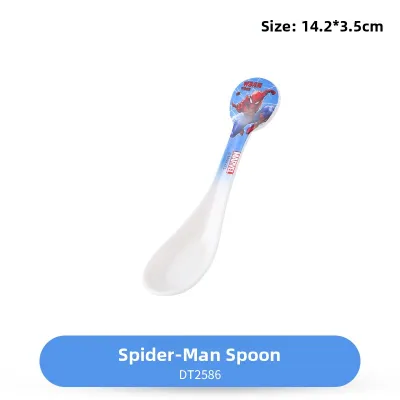
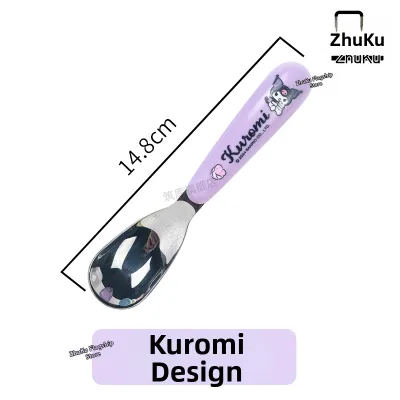
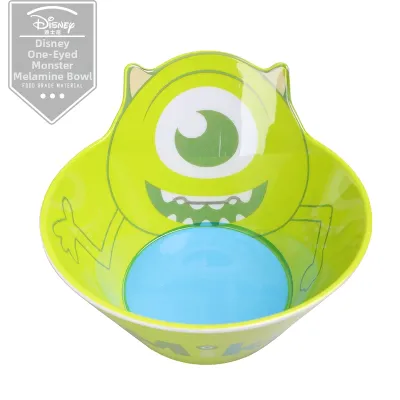
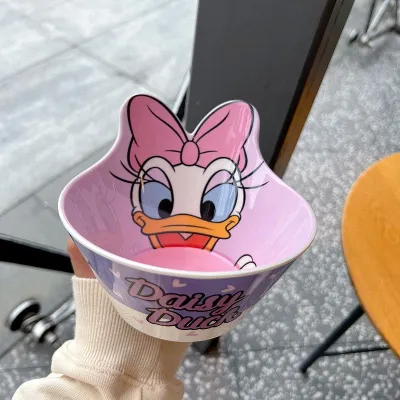
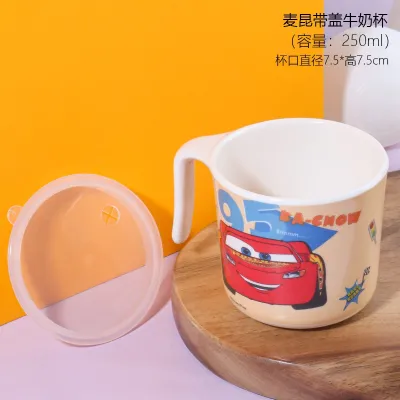
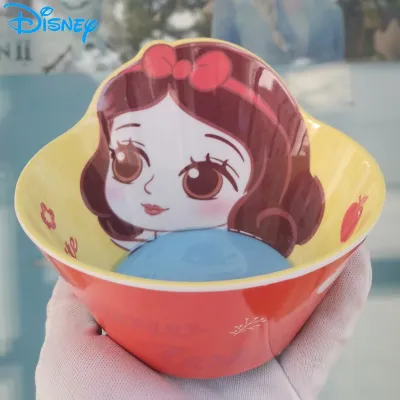

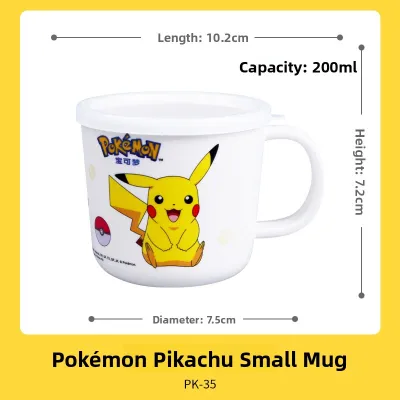
Prices are valid at publication and may change. Please refer to the product page for the latest price.
Chemical safety is another critical area of verification. Parents should actively look for explicit “free-from” claims on packaging. Ensure the product is labeled free from Bisphenol A (BPA), Bisphenol S (BPS), polyvinyl chloride (PVC), and phthalates. These chemical compounds are historically associated with plastics and some low-grade silicone fillers. Because manufacturers continuously update their formulations, verifying these claims on the specific product packaging is safer than relying on general brand reputation.
No material lasts forever, and physical degradation can compromise safety over time. Inspect your children’s bowls regularly before each use. Look for visual and tactile signs of wear, such as deep scratches, warping, stickiness, cracking, or persistent discoloration. If a bowl shows any of these signs, it is time to replace it immediately. Damaged surfaces can harbor bacteria or allow material particles to break off, posing a contamination or choking hazard.
Comparing Durability, Heat Resistance, and Daily Practicality
Silicone has become a highly popular choice for weaning due to its unique physical properties. It is highly flexible, virtually unbreakable, and can withstand extreme temperature ranges. This makes silicone bowls excellent for microwave heating and dishwasher cleaning. Additionally, the natural grip of silicone allows manufacturers to design highly effective suction bases that stick firmly to high chair trays, preventing messy spills. However, high-quality silicone can be relatively heavy and tends to absorb food oils and strong odors if not cleaned thoroughly.

Plastic bowls are exceptionally lightweight and highly portable, making them a convenient option for travel or dining out. They are also generally budget-friendly, allowing parents to purchase multiple pieces for convenience. Despite these benefits, plastic has distinct durability limits. It scratches easily under the pressure of metal cutlery, and these fine grooves can become breeding grounds for bacteria. Furthermore, plastic has strict heating restrictions; even those labeled microwave-safe can degrade or warp under high heat, so heating food in a separate glass or ceramic container before serving is often recommended.
Stainless steel is the gold standard for physical durability and hygiene. It is highly resistant to drops, scratches, and stains, and it does not retain food odors or harbor bacteria. However, stainless steel conducts heat very quickly, meaning a single-walled bowl can become too hot to touch. To prevent burns, look for double-walled insulated designs or bowls with a protective outer plastic or silicone sleeve. Additionally, stainless steel is strictly incompatible with microwave ovens, requiring you to heat food separately before transferring it to the bowl.
Matching the Bowl to Your Baby's Weaning Stage
During the early weaning stage, which typically begins around six months with purees and smooth mashes, the feeding process is largely caregiver-led. At this phase, your primary focus should be on bowls that assist the caregiver while keeping the food secure. Look for bowls with strong suction bases to prevent accidental tips when your baby reaches out to explore. Curved, easy-scoop inner walls are also highly beneficial, as they allow you to easily scrape up every spoonful of puree with minimal waste.
As your baby reaches the mid-stage of weaning, usually around eight to ten months, they will begin exploring finger foods and thicker textures. This is a highly active phase where babies love to test gravity by throwing objects. Prioritize bowls with wide, stable bases, high drop resistance, and built-in splash guards or inward-curving lips. These design features help keep food inside the bowl as your child practices scooping with their hands or early utensils, reducing the amount of food that ends up on the floor.
When your child transitions to independent eating, typically around twelve months and beyond, their motor skills and grip strength will have improved significantly. At this stage, look for lightweight profiles that are easy for small hands to lift and carry. Manageable sizes that fit neatly on standard high chair trays or family dining tables are ideal. Bowls with textured outer sleeves or easy-grip handles can help your toddler build confidence as they learn to stabilize the bowl with one hand while eating with the other.
Cleaning, Maintenance, and Odor Retention
Silicone bowls require specific maintenance to prevent the buildup of food oils and soapy odors. Because silicone is a porous material, it can absorb scents from heavily fragranced dish soaps. To remove stubborn food odors or oil stains, create a paste using equal parts baking soda and warm water, apply it to the bowl, let it sit for thirty minutes, and rinse thoroughly. Alternatively, you can soak the bowl in a mixture of warm water and white vinegar to neutralize lingering smells before washing it with an unscented, food-safe dish soap.
Plastic bowls demand careful inspection during daily cleaning. Avoid using abrasive scrubbers, steel wool, or harsh chemical cleaners, as these will create micro-scratches on the surface. Instead, use a soft sponge and mild dish soap. Establish a routine to inspect the bowl’s surface under bright light; if you detect deep scratches, cloudiness, or a sticky texture that does not wash away, discontinue use immediately. These physical changes indicate that the plastic is degrading and can no longer be kept thoroughly hygienic.
Stainless steel is highly resilient but requires proper drying to maintain its pristine finish. Wash stainless steel bowls with a soft sponge and standard dish soap. To prevent water spots and mineral buildup from hard water, dry the bowls immediately with a clean, soft cloth rather than letting them air dry. Avoid using bleach or chlorine-based sanitizers, as these chemicals can compromise the protective chromium oxide layer of the steel, leading to corrosion over time.
Decision Framework: Which Material Should You Choose?
To finalize your choice, consider your household’s primary daily needs and feeding routines. If your priority is convenience, quick microwave heating, and a reliable suction base to manage messy self-feeding sessions, silicone is likely your best option. If you need an ultra-lightweight, highly portable, and budget-friendly bowl for travel or short-term use, plastic fits the bill perfectly, provided you are diligent about hand-washing and replacing worn items regularly. If you want maximum physical durability, excellent hygiene, and a plastic-free option that will last for years, choose stainless steel, keeping in mind that you must heat food separately.
Before making your final purchase, observe your child’s unique reactions to different materials. Some children have sensory aversions to the flexible texture of silicone or the clinking sound of metal spoons against a stainless steel bowl. If your child shows signs of distress or refuses to eat from a specific type of bowl, try switching to a different material. Always prioritize your child’s comfort and safety during this exciting developmental milestone.
Frequently Asked Questions (FAQ)
Can I put stainless steel children's bowls in the microwave?
No, you must never put stainless steel children’s bowls in the microwave. Metal reflects microwaves, which can cause sparks, damage your appliance, and pose a serious fire hazard. Additionally, the metal will prevent the food from heating evenly. If you use a stainless steel bowl, always heat your child’s food in a microwave-safe glass or ceramic container first, stir it thoroughly to eliminate hot spots, check the temperature, and then transfer the warm food into the stainless steel bowl for serving.
How do I know if a silicone bowl is truly food-grade?
To verify if a silicone bowl is food-grade and free from cheap plastic fillers, you can perform a simple pinch-and-twist test. Pinch a flat section of the silicone and twist it slightly. If the twisted area turns white or shows white streaks through the material, it likely contains plastic fillers or low-grade additives. Pure, food-grade silicone will retain its consistent color throughout the twist. Additionally, always check the product packaging or base for official food-grade certifications, such as FDA or LFGB compliance marks.
When should I throw away a plastic children's bowl?
You should throw away a plastic children’s bowl immediately if you observe deep scratches, persistent cloudiness, warping, or a sticky surface texture. Deep scratches can harbor harmful bacteria that standard washing cannot reach, while warping and stickiness are clear indicators of chemical degradation. Furthermore, if the plastic retains a strong, permanent food odor or shows signs of cracking along the edges, it is no longer safe or hygienic for your child and must be replaced.
Community discussion
Share your experience or ask a question. Comments are reviewed before publication.