
Transitioning your child from a bottle or breast to a cup is a major developmental milestone, but there is no single “best” plastic cup for kids. The ideal choice depends entirely on your child’s current oral motor skills, physical development, and weaning stage. Rather than relying solely on age recommendations printed on packaging, parents should observe their child’s physical cues and readiness.
Generally, the cup progression follows a predictable developmental path. Spout cups serve as a familiar introductory tool during early weaning, typically around 6 months of age, as they require simple tipping and grasping actions. Straw cups are introduced around 9 to 12 months, helping infants develop advanced oral motor skills like lip sealing, tongue retraction, and controlled suction. Finally, 360-degree rim cups act as an excellent spill-proof bridge to open-cup drinking for active toddlers aged 12 months and older, allowing them to practice sipping from a rim without the mess.
Because every child develops at their own pace, some may skip certain cup types entirely. Observing how your child handles liquids and manages their swallowing reflexes will provide the best guide for when to transition to the next stage.
Products mentioned in this guide
![[SG Stock] Kids Cute square straw cup 470ml cartoon style High Quality plastic cup leak proof flat and portable water bottle with strap toddlerchildchildren](https://img.lazcdn.com/g/p/278a230e7c047d1127ff4c7ad2ea93dc.png_400x400q80.png_.webp)
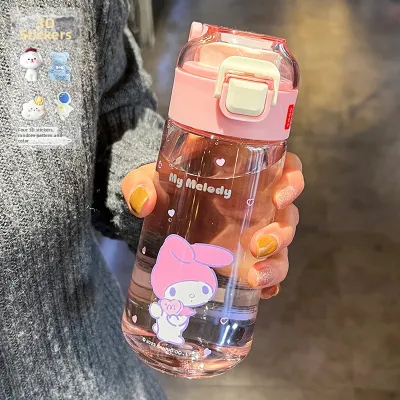
Prices are valid at publication and may change. Please refer to the product page for the latest price.
Why Cup Progression Matters for Oral and Motor Development
Introducing different cup types is not just about preventing spills on your living room rug; it plays a critical role in your child’s physical and oral motor development. Each style of cup engages different muscle groups in the mouth, tongue, and jaw. For instance, drinking from a bottle or a traditional spout cup relies on a forward-and-backward sucking motion. In contrast, straw cups and open cups require the tongue to retract and the lips to seal tightly, which are essential movements for mature swallowing patterns and speech development.
Many pediatricians and pediatric dentists recommend limiting the use of hard, rigid plastic spouts. Prolonged use of these spouts can keep the tongue resting forward in an infantile position, potentially impacting palate shape, tooth alignment, and the natural development of the jaw. The ultimate goal of cup progression is to build the coordination, strength, and confidence your child needs to eventually drink from a standard open cup independently.
While these milestones are common, physical development is highly individual. If you observe persistent coughing, sputtering, fluid leaking from the mouth, or if you have any concerns about your child’s oral motor skills or feeding progress, pause the transition. It is always best to consult a pediatrician, pediatric dentist, or a speech-language pathologist for personalized guidance.
Spout Cups: The Familiar First Step for Early Weaning
Spout cups are often the first training tool parents introduce when beginning the weaning process.

Ideal Stage: These cups are typically introduced during early weaning, around 6 months of age, when babies are first learning to sit with support and show interest in solid foods.
Motor Skills Required: To use a spout cup, your baby needs basic grasping abilities to hold the handles, hand-to-mouth coordination to guide the cup upward, and the physical understanding of tipping their head and the cup backward to get the liquid to flow.
Pros: The main advantage of a spout cup is its familiarity. The shape of the spout feels similar to a bottle nipple or breast, which can make the initial transition less intimidating for a young baby. Additionally, models featuring soft silicone spouts are gentle on sensitive, teething gums and emerging front teeth. They also give parents a simple way to introduce water alongside solid foods while keeping liquid flow highly controlled.
Cons: On the downside, prolonged reliance on hard plastic spouts can negatively impact tooth alignment and palate development. They do not teach the advanced tongue retraction or lip sealing mechanics required for open-cup drinking.
What to Verify: When shopping for a spout cup, always check the product packaging to verify that the materials are BPA-free and that the manufacturer’s age recommendations match your baby’s stage. Prioritize models with soft, flexible silicone spouts rather than rigid plastic, and look for sturdy, easy-grip handles that fit small hands. Always supervise your child during use to ensure they do not run or play while holding the cup, which poses a safety risk.
Straw Cups: Building Suction and Hand-Mouth Coordination
Straw cups are highly regarded by developmental specialists for their ability to promote healthy oral motor patterns.
Ideal Stage: This type of cup is generally appropriate when a baby can sit completely independently and has mastered basic swallowing mechanics, typically between 9 and 12 months of age.
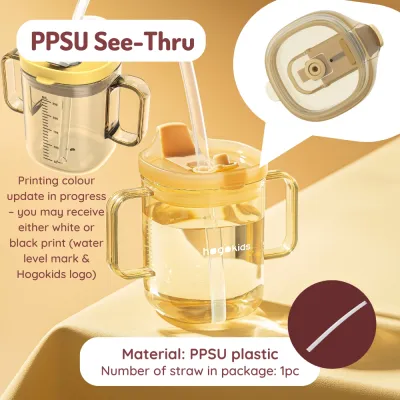
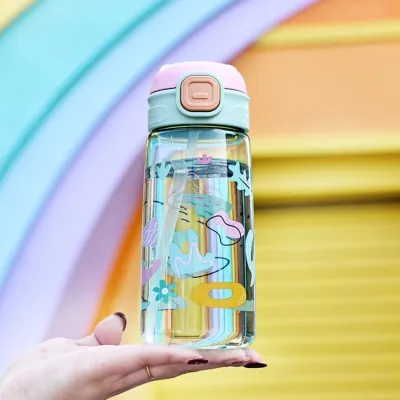
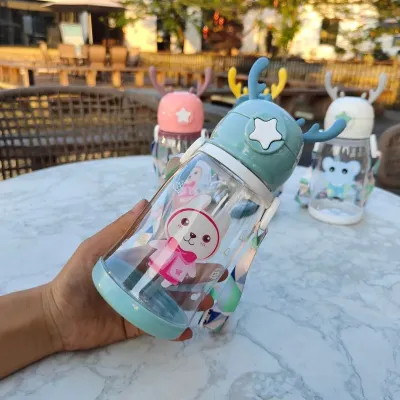
Motor Skills Required: Drinking from a straw requires a more sophisticated set of motor skills than a spout cup. Your child must form a tight lip seal around the straw, retract their tongue to the back of the mouth, create active suction, and coordinate breathing with swallowing—all while holding the cup upright.
Pros: Straw cups are excellent for physical development because they encourage an upright drinking posture, preventing the need to tilt the head back. They keep liquid pooled toward the back of the mouth, which reduces the contact time between sugary liquids (like milk or diluted juice) and the front teeth, helping to protect dental health.
Cons: The learning curve can be steep, and the initial phase is often messy as babies learn how to regulate the volume of liquid drawn up by suction. Furthermore, straw cups are notoriously difficult to clean; the narrow channels of the straw and the internal anti-spill valves can easily trap moisture, making them highly susceptible to mold growth.
What to Verify: Look for cups featuring weighted straws, which allow the straw to follow the liquid so your child can drink even if they tilt the cup. Verify that the cup includes a hygienic flip-top lid to protect the straw when not in use. Always check the manufacturer’s instructions for clear disassembly steps and verify if a specialized straw cleaning brush is included in the package.
360 Cups: The Spill-Proof Bridge to Open Drinking
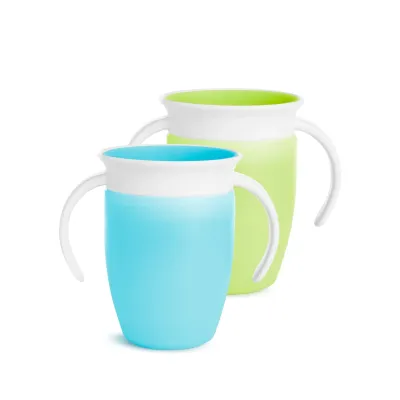
The 360-degree cup is an innovative design that allows children to drink from any side of the rim, just like an open cup, but with a built-in silicone valve that prevents spills when the cup is tipped or dropped.
Ideal Stage: This cup is best suited for toddlerhood, typically starting around 12 to 18 months, when children are highly active and transitioning toward family-style meals.
Motor Skills Required: To use a 360 cup, your toddler must place their lips on the rim and apply gentle suction while tilting the cup. This action mimics the exact physical mechanics of drinking from a regular cup, requiring lip pressure to release the liquid through the silicone valve.
Pros: The primary benefit of the 360 cup is its superior spill resistance, making it perfect for active toddlers on the move. Because it requires the child to rest their lower lip on the rim, it supports natural jaw and lip development. Many pediatric dentists favor 360 cups over spout cups because they do not interfere with tooth positioning or tongue placement.
Cons: Some toddlers find the suction required to open the silicone valve frustrating, especially if they are used to the free-flowing stream of a bottle or straw. Additionally, if the silicone valve is not completely disassembled and dried, bacteria and mold can easily accumulate underneath the seal.
What to Verify: Ensure the cup features a fully removable silicone valve that can be easily separated from the plastic collar for thorough cleaning. Check the manufacturer’s guidelines to verify if the plastic base and silicone components are top-rack dishwasher safe, and confirm that the plastic used is durable and impact-resistant.
Quick Comparison of Kids' Plastic Cup Types
To help you quickly compare the primary options, the table below outlines the key differences across the three main types of plastic cups for kids.
| Cup Type | General Starting Age | Key Motor Skills Developed | Spill Resistance | Cleaning Ease |
|---|---|---|---|---|
| Spout Cup | ~6 months | Grasping, hand-to-mouth coordination, tilting head back | Moderate to High (valve-dependent) | Easy to Moderate |
| Straw Cup | ~9–12 months | Lip seal, tongue retraction, active suction, upright posture | High (with anti-leak valves) | Difficult (requires straw brush) |
| 360 Cup | ~12–18+ months | Rim sipping, lip pressure coordination, tilting cup | Excellent (spill-proof valve) | Moderate (requires valve disassembly) |
Note: The ages and developmental stages listed above are general guidelines. Individual physical readiness and motor coordination vary from child to child. Always read the specific manufacturer instructions and supervise your child during feeding and drinking.
How to Choose: A Decision Framework for Parents
Selecting the right plastic cup for your child does not have to be a guessing game. By matching the cup’s features to your child’s current physical abilities, you can make a smooth, stress-free transition.
Choose a Spout Cup if: Your baby is around 6 months old, just starting their solid food journey, and transitioning away from a bottle or breast. This is the right choice if they are still mastering basic hand-to-mouth coordination and need a familiar, low-pressure way to practice holding and tipping a cup.
Choose a Straw Cup if: Your child is around 9 months or older, can sit upright without support, and is ready to develop advanced oral muscles. This option is ideal if you want to actively support tongue retraction and lip-sealing skills while keeping liquid away from their front teeth.
Choose a 360 Cup if: You have an active toddler who is ready to practice open-cup mechanics but still prone to dropping or tipping their drinks. It is an excellent choice for family meal times where you want to encourage independence without constantly cleaning up spills.
Verify First if: Your child has specific developmental delays, oral sensory aversions, speech concerns, or physical feeding difficulties. In these situations, pause any transitions and consult your pediatrician, a pediatric dentist, or a speech-language pathologist. They can provide a tailored feeding plan that supports your child’s unique developmental profile.
Neither May Fit if: Your child is around 2 years old and has developed the motor control to hold a cup steady without tipping it. At this stage, they are ready to graduate from plastic training cups entirely and transition to standard open cups.
Cleaning and Caring for Plastic Kids' Cups
Proper hygiene is critical when maintaining plastic cups for kids, as milk, juice, and water residue can quickly become breeding grounds for bacteria and mold.
Daily Cleaning: Never wash a training cup while it is fully assembled. After every use, completely disassemble all components, including silicone valves, straws, spouts, lids, and removable handles. Wash each part thoroughly in warm, soapy water.
Deep Cleaning: Use specialized, ultra-thin bottle and straw brushes to scrub the inside of straws and small valve openings. Inspect the underside of silicone seals where mold frequently hides. If you use a dishwasher, place all small parts in a secure basket on the top rack to prevent them from falling onto the heating element.
Plastic Care: Always consult the manufacturer’s care instructions before sterilizing. While some plastics can withstand boiling water or steam sterilization, others may warp, crack, or degrade under high heat. If the cup’s label does not explicitly state it is safe for high-heat sterilization, stick to warm hand washing.
When to Replace: Regularly inspect your child’s plastic cups under good lighting. Look for deep scratches, cracks, bite marks on spouts, or discolored, sticky silicone parts. Bacteria can easily colonize microscopic scratches in plastic, and damaged silicone can pose a choking hazard. Replace any compromised parts or the entire cup immediately to ensure your child’s safety.
Frequently Asked Questions (FAQ)
When should my child stop using a sippy cup entirely?
Most pediatric and dental guidelines suggest transitioning your child to a standard open cup by around 2 years of age. Prolonged reliance on transitional cups—especially spout cups—can interfere with the natural development of the jaw, teeth, and mature swallowing patterns. While the transition may involve temporary spills, moving to an open cup helps refine your child’s fine motor skills and supports proper speech development.
Are plastic cups safe for hot liquids?
Generally, plastic training cups for kids are designed exclusively for cool, cold, or room-temperature liquids. You must always check the manufacturer’s specifications on the product packaging before introducing warm liquids. Hot liquids can warp the plastic, damage silicone valves, and increase the risk of accidental burns if the cup tips or leaks.
What if my child refuses to drink from a straw or 360 cup?
Refusal is a very common part of the learning process. You can encourage your child by modeling the behavior—let them watch you drink from a straw or a 360 cup. Try putting a small amount of a familiar liquid, such as breast milk or formula, on the tip of the straw to help them understand its purpose. Be patient, avoid forcing the cup, and monitor their overall daily hydration. If refusal persists or you have concerns about their fluid intake, consult your pediatrician for guidance.

Community discussion
Share your experience or ask a question. Comments are reviewed before publication.