
Transitioning your baby from a bottle or breast to a cup is a major developmental milestone, but walking down the baby care aisle can feel overwhelming. With spout cups, straw cups, and 360-degree designs lining the shelves, there is no single best trainer cup for every child. The right choice depends heavily on your baby’s age, oral motor development, and individual drinking abilities. Keeping your baby hydrated is especially important in warm, humid climates, making the transition to an efficient cup a key part of your daily routine. By understanding how each design works, you can match the cup to your baby’s current stage and your family’s practical needs.
Assessing Your Baby's Readiness and Oral Motor Skills
Before selecting a specific cup design, it is essential to observe your baby’s physical readiness and oral motor skills. Choking risks increase if a baby is introduced to a cup before they can support themselves properly. Look for key physical signs, such as the ability to sit upright unassisted, a stable grip when holding small objects, and a curious interest in the cups or glasses you use during family meals.
Oral motor development progresses from early suckling to mature swallowing patterns. Infancy relies on a forward-and-backward tongue movement to draw milk from a bottle or breast. Cup drinking, however, requires the baby to elevate the tongue, seal their lips around a rim or straw, and stabilize their jaw. Introducing a trainer cup helps transition them toward these mature swallowing patterns.
Products mentioned in this guide
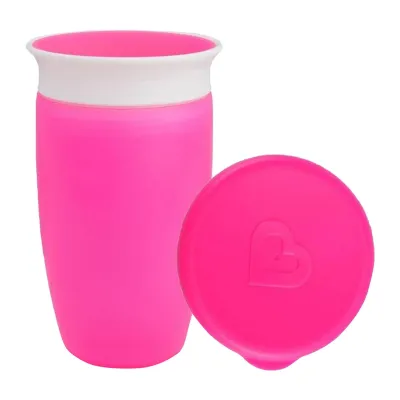
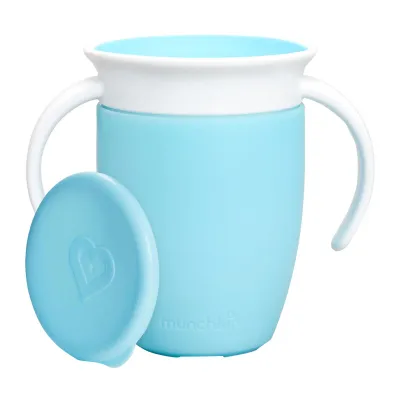
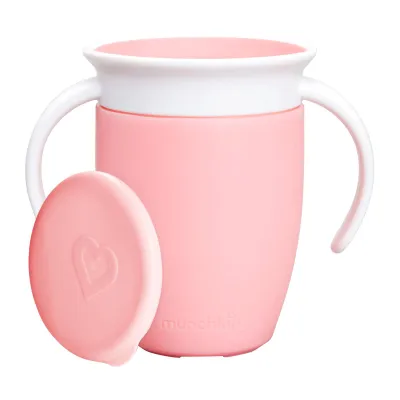
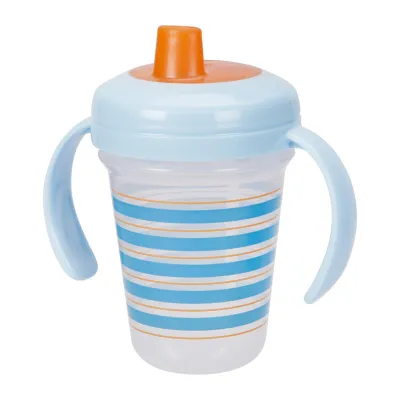
Prices are valid at publication and may change. Please refer to the product page for the latest price.
Because every child develops at their own pace, always check the manufacturer’s age and weight recommendations on product labels before purchase. If your baby has feeding delays, cleft palate, or other specific medical needs, consult your pediatrician or a pediatric speech-language pathologist. They can provide personalized guidance on the safest cup style for your child’s unique developmental timeline.
Spout Cups: Easing the Early Transition from Bottles
Spout cups are often the first step parents take when moving away from bottles. These cups typically feature a soft silicone or hard plastic spout. Soft spouts are designed to mimic the familiar texture and shape of a bottle nipple, which can ease the initial transition and reduce frustration for a baby who is hesitant to try new drinking methods.

When choosing a spout cup, pay close attention to the flow control features. Many designs include built-in silicone valves that prevent leaks and regulate how quickly liquid flows. Review the product label to ensure the flow rate matches your baby’s swallowing ability, as a flow that is too fast can cause choking, while a flow that is too slow may lead to frustration.
While spout cups are highly convenient, they have developmental limits. Prolonged use of hard spouts can interfere with proper tongue placement and oral development because they encourage the same suckling motion as a bottle. To support healthy speech and dental alignment, view spout cups as a temporary stepping stone rather than a long-term drinking solution.
Straw Cups: Building Suction and Oral Motor Control
Straw cups offer an excellent alternative that actively supports oral motor development. Drinking through a straw requires a baby to seal their lips tightly around the straw, retract their tongue, and use their jaw muscles for stability. These movements help build the muscle strength and coordination necessary for advanced feeding and speech development.
Teaching a baby to use a straw can involve a brief learning curve. A practical, low-risk method is the pipette technique: dip a clean silicone straw into water, place your finger over the top opening to trap a small amount of liquid, and let your baby sip the liquid from the bottom of the straw. Once they understand that liquid comes from the straw, you can transition them to a weighted straw cup, which allows them to drink from any angle without sucking in air.
Maintaining straw cups requires diligent cleaning to ensure hygiene. The narrow pathways, valves, and flexible silicone components can easily trap moisture and organic matter, creating an environment prone to mold buildup. Always check the manufacturer’s cleaning instructions, use specialized narrow straw brushes, and inspect all parts regularly for signs of wear or discoloration.
360° Cups: Practicing Open-Cup Sipping Without Spills
A 360-degree cup features a circular silicone valve secured over a plastic rim, allowing your baby to drink from any edge. When your baby places their lips on the rim and tilts the cup, their lip pressure releases the seal, letting a small amount of liquid flow. Once they stop pressing, the valve seals shut, making the cup virtually spill-proof during active play.
This design is highly regarded because it closely mimics the mechanics of drinking from a standard open cup. It encourages mature lip movement and tongue elevation, helping your baby learn how to tilt a cup and control liquid flow without the mess of a traditional glass. It serves as an effective bridge to standard tableware.
However, 360-degree cups do have potential drawbacks. Some babies find the physical suction and lip pressure required to open the valve frustrating, especially if they are accustomed to the easy flow of a bottle. Additionally, the multi-piece rim assembly requires complete disassembly for proper cleaning, as moisture and residue can easily hide under the silicone collar.
Decision Matrix: Matching the Cup to Your Baby's Stage
To help you quickly evaluate your options, the following matrix compares the primary trainer cup designs based on developmental stages and practical household priorities.
| Cup Type | Ideal Stage/Skills | Key Benefits | Main Limitations |
|---|---|---|---|
| Spout Cup | Early transition (around 6 months); basic grasping skills | Familiar nipple-like feel; reduces initial transition frustration | May delay mature tongue positioning if used long-term |
| Straw Cup | 6+ months; developing lip seal and suction skills | Promotes tongue retraction and jaw stability; works at various angles | Complex cleaning; narrow parts require specialized brushes |
| 360° Cup | 12+ months; practicing open-cup tilting and sipping | Mimics open-cup rim drinking; spill-proof design | Requires more suction effort; complex rim assembly to clean |
| Verify First | All stages; check labels for age grading and material safety | Ensures age-appropriate design and chemical safety | Must verify dishwasher compatibility and wear-and-tear limits |
When applying this matrix to your shopping decisions, consider these conditional prompts:
- Choose a spout cup if your baby needs a familiar, low-stress transition from bottle nipples.
- Choose a straw cup if they are ready to build advanced suction, lip sealing, and jaw strength.
- Choose a 360-degree cup if you want to practice the mechanics of open-cup sipping with minimal spills around the home.
Planning Your Purchase and Transition Strategy
Introducing a trainer cup does not require a rigid, one-size-fits-all timeline. A flexible transition plan often works best: you might start with a soft spout or a weighted straw cup around six months, introduce a 360-degree cup around twelve months, and gradually transition to a standard open cup during supervised mealtimes. This gradual progression allows your baby to build confidence at their own pace.
When shopping for a trainer cup, look for practical design features that make daily use easier. Ergonomic, removable handles help small hands grip the cup securely, while clear measurement markings on the side allow you to monitor daily liquid intake. Additionally, check if the brand offers replacement parts like valves, straws, or lids, which can save you from spending extra S$ on entirely new cups if a component is damaged or lost.
Safety should always remain your top priority. Regularly inspect all trainer cups for signs of wear and tear, and discard any cup with deep teeth marks, cracks, or peeling silicone, as these can harbor bacteria or become choking hazards. If your baby consistently struggles with coughing, choking, or refuses to drink from any trainer cup, pause the transition and seek advice from a pediatric speech-language pathologist or your doctor.
Frequently Asked Questions (FAQ)
When should I stop using a trainer cup and switch to an open cup?
The timeline for transitioning to a standard open cup varies significantly by child. Many pediatric experts suggest introducing small amounts of water in a standard open cup during supervised meals starting around six months to build familiarity. The complete transition away from trainer cups depends on your baby’s motor control, spill tolerance, and the manufacturer’s maximum age or weight limits specified on the product packaging.
Can I put milk or formula in a straw or 360° trainer cup?
While it is physically possible, putting milk or formula in complex valve systems carries risks. Thicker liquids can clog narrow straw valves or the tight seals of a 360-degree cup, making them difficult for your baby to use. Furthermore, milk residues spoil quickly, increasing the risk of bacterial growth in hard-to-reach crevices. Always check the manufacturer’s instructions for liquid compatibility, rinse all parts immediately after use, and follow thorough sterilization protocols.

Community discussion
Share your experience or ask a question. Comments are reviewed before publication.