
There is no single perfect bottle brush material; the best choice depends on your bottle type, cleaning habits, and how quickly the brush dries in your environment. Sponge brushes offer excellent lather and scrubbing power but retain moisture longer. Silicone brushes dry rapidly and resist microbial buildup but may require more effort to remove stubborn, dried milk fat. Foam brushes provide a middle ground with firm scrubbing and moderate drying times. This guide compares these materials across practical dimensions to help you select the safest and most effective option for your daily routine.
Selecting the right cleaning tool is a critical step in maintaining your infant’s feeding hygiene. Because milk contains fats and proteins that easily cling to surfaces, a brush must be able to reach every corner of a bottle without leaving behind residue. At the same time, the brush itself must not become a breeding ground for bacteria. Balancing these requirements involves understanding how different materials interact with water, soap, and bottle surfaces.
Core Differences in Sponge, Silicone, and Foam Structures
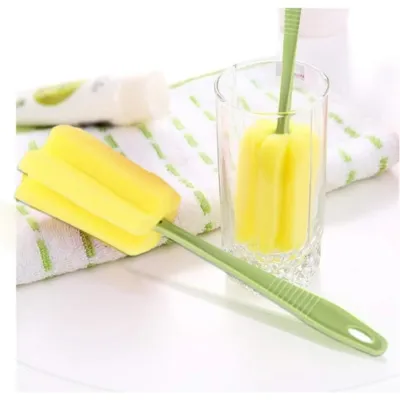
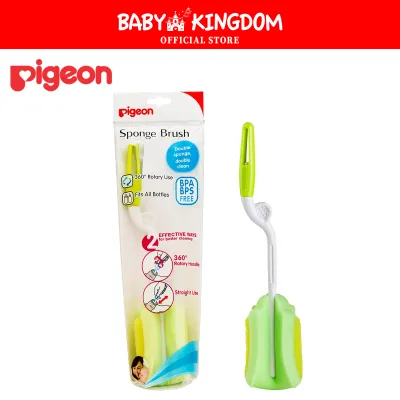
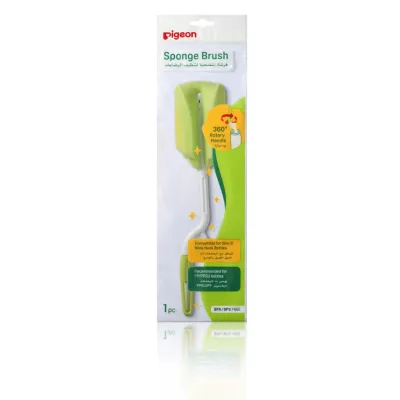
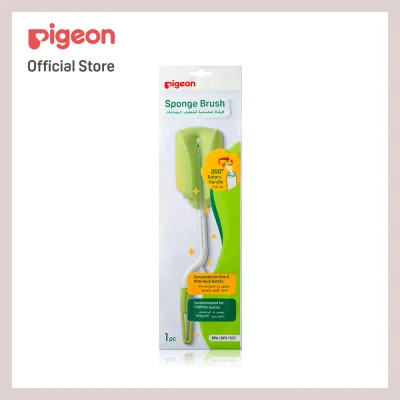
To make an informed decision, it is helpful to first examine the physical characteristics of each brush head material. Sponge brushes are constructed from highly porous, open-cell polyurethane or similar synthetic polymers. This cellular structure is designed to absorb large volumes of water and liquid soap, creating a rich lather with minimal effort. The soft, compressible nature of a sponge allows it to deform easily, conforming to the unique contours, shoulders, and bases of various bottle shapes. This makes them highly effective at reaching tight corners that more rigid brushes might miss, though it also means they retain a significant amount of liquid within their core.
Products mentioned in this guide
![[SG Stock] Sponge Brush Baby Bottle Cleaning Brush Cup Brush Sponge Bottle Brush Vacuum Cup Cleaning Brush Feeding Cup Cleaner Children Day Gifts](https://img.lazcdn.com/g/p/070b72f70e846808077589351b208d32.jpg_400x400q80.jpg_.webp)
Prices are valid at publication and may change. Please refer to the product page for the latest price.
Silicone brushes, by contrast, feature a non-porous surface made from food-grade silicone. Instead of a solid block of absorbent material, these brushes consist of numerous flexible bristles or nubs molded onto a central core. Because silicone is completely water-resistant, it does not absorb liquids, soap, or milk residue. The bristles bend under pressure to sweep across surfaces, but they do not compress in the same way a sponge does, meaning they rely on physical sweeping action rather than absorption to clean. This design prevents the material from trapping particles, but it also limits its ability to hold soapy water during the wash cycle.
Foam brushes represent a distinct middle ground, often utilizing high-density, closed-cell or semi-open-cell foam structures. This material is firmer and more structured than a standard kitchen sponge, allowing it to retain its shape even when saturated with water. While it still possesses a cellular network that can hold soap and water, the cells are tighter and less absorbent than those of a traditional sponge. This structural firmness provides a more rigid scrubbing surface while still offering some of the contour-conforming benefits of softer materials.
Cleaning Power and Milk Residue Removal
When evaluating cleaning power, the primary goal is the complete removal of milk fat and protein residues. Sponge brushes excel in this area due to their high friction and superior soap distribution. The porous texture of the sponge acts like a micro-scrubber, clinging to the inner walls of the bottle and wiping away film in a single pass. Because the sponge holds onto soapy water, it continuously releases fresh lather as you press and rotate the brush, which helps dissolve stubborn grease and dried milk deposits efficiently. This makes them highly effective for quick, thorough washes without requiring extensive pre-soaking.

Silicone brushes operate differently and may require a slight adjustment in cleaning technique. Because the non-porous bristles do not absorb water or soap, they cannot generate or hold a thick lather on their own. Instead, the soap often slides down the bristles, requiring you to apply dish soap directly inside the bottle or onto the brush repeatedly. While the flexible silicone nubs are excellent for sweeping away loose liquid, they provide less surface friction against dried-on milk fat, meaning you may need to apply more physical effort or pre-soak the bottles to achieve the same level of cleanliness.
Foam brushes offer a balanced approach to scrubbing power. The high-density foam provides a firm, consistent contact surface that exerts steady pressure against the bottle walls. This makes foam highly effective at scraping away dried residue without requiring excessive physical force. Additionally, because the foam structure holds a moderate amount of soap, it maintains a steady lather throughout the cleaning process, reducing the need to constantly reapply soap while ensuring that grease-cutting agents are evenly distributed.
Hygiene, Drying Speed, and Moisture Control
The humid climate of Singapore presents a unique challenge for drying kitchen tools, making moisture control a primary safety consideration. Sponge brushes, with their highly porous and absorbent structures, trap water deep within their core. Even after thorough squeezing, a sponge remains damp for an extended period. In warm, humid environments, this prolonged moisture retention creates an ideal breeding ground for bacteria, mold, and mildew, which can lead to sour odors and compromise the safety of your baby’s feeding equipment.
Silicone brushes offer a significant advantage in terms of hygiene and drying speed. Because silicone is hydrophobic and non-porous, water cannot penetrate the material. After rinsing, a simple shake is usually enough to remove almost all residual water from the bristles. This rapid drying capability prevents microbial growth and eliminates the risk of sour odors. For parents prioritizing a low-maintenance, highly hygienic tool that dries quickly on a countertop rack, silicone is often the most reliable option.
Foam brushes fall between sponge and silicone regarding drying times. The high-density, semi-open-cell structure of foam retains less water than a traditional sponge, allowing it to dry more quickly. However, it still holds some moisture within its cells and requires proper ventilation to dry completely. Caregivers using either sponge or foam brushes must perform regular visual and olfactory checks, inspecting the brush head for any signs of dark spots, discoloration, or unusual odors that indicate mold or bacterial colonization.
Durability and Bottle Surface Safety
The compatibility of your brush with your bottle material is essential for preventing surface damage. Plastic bottles, including those made from PPSU (polyphenylene sulfone), PES (polyethersulfone), or PP (polypropylene), are relatively soft and susceptible to micro-scratches. These tiny scratches can harbor bacteria and make the bottle cloudy over time, which can compromise hygiene even after sterilization. Silicone brushes are exceptionally gentle and virtually scratch-free, making them highly compatible with all types of plastic bottles, as well as glass and silicone bottles, ensuring the longevity of your feeding gear.
Sponge and foam brushes are also gentle on plastic surfaces, provided they are kept clean and free of trapped debris. However, if a sponge or foam brush is used to clean other kitchen items, it can trap abrasive particles like salt, grit, or dried food bits within its pores. When introduced into a baby bottle, these trapped particles can act like sandpaper, scratching the plastic interior. Therefore, if you choose a sponge or foam brush, it must be dedicated exclusively to baby bottles and nipples to maintain surface safety.
In terms of physical lifespan, silicone is highly durable and resistant to tearing, crumbling, or warping, even when exposed to warm water and frequent use. Sponge and foam brushes, however, degrade much faster. Over time, exposure to water, friction, and cleaning agents causes the cellular structure of sponges to tear and foam to crumble. These degrading materials can leave behind small particles inside the bottle, signaling that the brush has reached the end of its useful life and must be replaced immediately.
How to Choose the Right Brush for Your Routine
Selecting the right bottle brush involves matching the material’s characteristics to your specific household routine and bottle types. If your baby primarily uses glass bottles, a sponge brush is an excellent choice. Glass is highly resistant to scratching, allowing you to take full advantage of the sponge’s superior scrubbing power and rich lathering capability to remove milk fat quickly. This option is ideal for parents who prefer a fast, high-lather wash and do not mind replacing the brush frequently.
If you use plastic bottles (such as PPSU or PP) and prioritize hygiene and longevity, a silicone brush is highly recommended. The gentle, non-porous bristles protect soft plastic surfaces from micro-scratches while ensuring the brush dries rapidly in humid conditions. This choice is perfect for busy caregivers who want a low-maintenance tool that resists bacterial growth and lasts for several months without degrading. To compensate for the lower friction of silicone, simply pre-soak bottles in warm, soapy water before scrubbing.
For those seeking a middle ground, a foam brush offers a practical compromise. It provides the firm scrubbing action and lather retention of a sponge, but with a denser structure that dries faster and resists tearing slightly better. This is a versatile option for households using a mix of glass and plastic bottles. Regardless of your choice, always verify the bottle manufacturer’s care instructions first, as some brands specify brush material restrictions to prevent surface damage or maintain product warranties.
Daily Maintenance and Replacement Signals
To keep any bottle brush safe and effective, proper daily maintenance is essential. After each use, rinse the brush thoroughly under warm running water to remove all soap and milk residue. For sponge and foam brushes, squeeze out excess water completely, taking care not to twist or wring the material too harshly, which can cause tearing. Store the brush upright in a well-ventilated area, preferably on a drying rack that allows airflow around the brush head, rather than laying it flat on a damp sink surface.
Even with meticulous care, bottle brushes do not last indefinitely. Caregivers must inspect the brush before every use for visual and tactile signs of wear. For sponge and foam brushes, look for tearing, crumbling, thinning of the material, or persistent discoloration. For silicone brushes, check for missing bristles or structural splitting. Any sour or musty odor is a clear indication of bacterial growth, meaning the brush must be discarded immediately to protect your infant’s health.
As a general rule, sponge and foam brushes should be replaced every four to six weeks due to their tendency to retain moisture and degrade. Silicone brushes can typically be used for three to four months, or as recommended by the manufacturer, provided they show no signs of damage or wear. Adhering to these replacement timelines ensures that your cleaning routine remains truly hygienic and that your baby’s feeding equipment is always washed with a clean, intact tool.
Frequently Asked Questions (FAQ)
Can I sterilize my sponge or foam bottle brush in boiling water? (FAQ)
You should avoid sterilizing sponge or foam bottle brushes in boiling water unless the manufacturer explicitly states it is safe to do so. High temperatures can melt, warp, or rapidly degrade the synthetic polymers and adhesives used to construct these porous brush heads. To verify heat limits, check the product packaging or the manufacturer’s official website. If high-heat sterilization is not supported, rely on thorough washing with warm, soapy water and air-drying in a well-ventilated space.
Why does my silicone brush feel like it is not cleaning properly? (FAQ)
If your silicone brush feels like it is sliding over surfaces without cleaning, it is likely due to a lack of friction and lather. Because silicone bristles do not absorb water or soap, they require a different technique than sponges. To improve cleaning efficiency, add a small amount of water and dish soap directly into the bottle first, or pre-soak the bottle in warm, soapy water to loosen dried milk fat. Adjusting your scrubbing angle and applying steady, firm pressure will help the flexible bristles make optimal contact with the bottle walls.

Community discussion
Share your experience or ask a question. Comments are reviewed before publication.