
Finding the right bottle brush is one of the most critical yet overlooked decisions in your infant feeding routine. While it is easy to assume any scrub tool will suffice, matching the brush material to your baby bottles is essential for maintaining hygiene and protecting your investment. Using the wrong brush can degrade bottle surfaces, leading to wear that compromises safety and cleanliness.
No single brush is universally perfect for every type of baby bottle. Silicone brushes stand out as the safest all-rounders because their soft, flexible bristles prevent surface damage across all materials. However, sponge or foam brushes provide the maximum scrubbing power needed for glass bottles, while soft nylon brushes excel at cleaning sturdy glass or hard, high-grade plastics. The primary goal of your cleaning routine is the complete removal of milk residue without creating micro-scratches, which can easily harbor harmful bacteria and compromise your sanitization efforts.
Comparing Sponge, Silicone, and Nylon Bottle Brush Materials
To choose the best cleaning tool, it is important to understand the physical characteristics, advantages, and limitations of the three primary brush head materials. Each material interacts differently with milk fats, water, and bottle surfaces.
Products mentioned in this guide
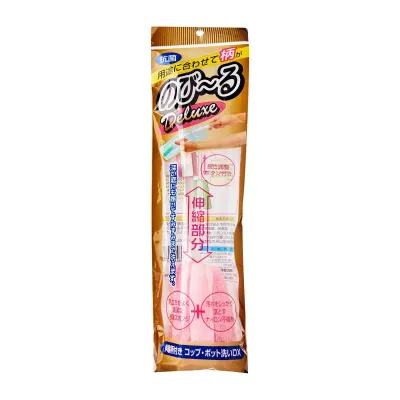
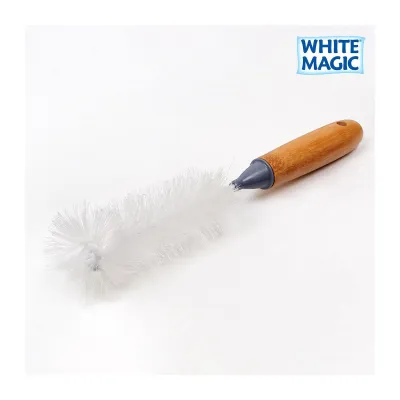
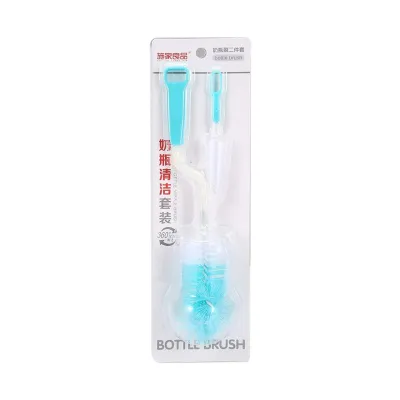
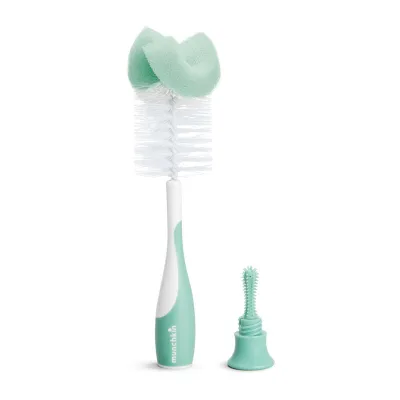
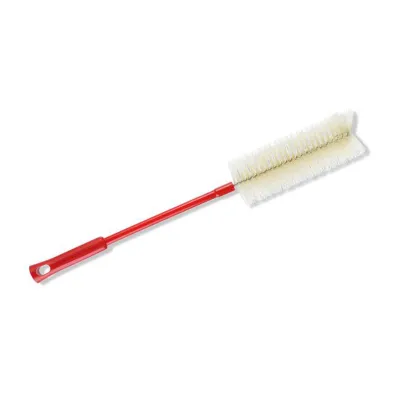
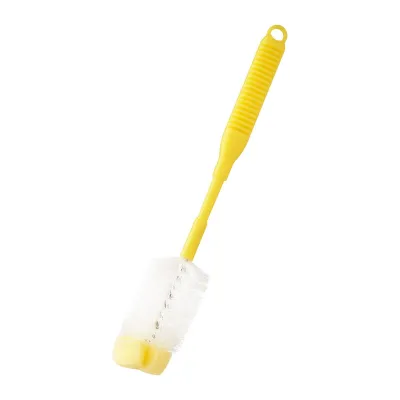
Prices are valid at publication and may change. Please refer to the product page for the latest price.
Sponge and Foam Brushes
Sponge and foam brushes are highly favored for their excellent lather retention and superior scrubbing power. The dense, porous structure of foam holds soapy water exceptionally well, allowing you to create a rich lather that easily lifts stubborn, dried-on milk film. This film contains complex fats and proteins that cling to bottle walls, and the soft friction of a sponge wipes these residues away quickly without requiring excessive physical force.
However, the very structure that makes sponges effective also presents a significant hygiene risk. Porous materials naturally trap moisture, organic milk particles, and soapy residue deep within their cells. In a warm, humid environment like Singapore, a damp sponge brush that does not dry completely between uses becomes a prime breeding ground for bacteria and mold. Furthermore, foam is structurally delicate; it tends to tear, crumble, or degrade rapidly when repeatedly pushed past tight bottle necks, meaning caregivers must be prepared to replace these brushes frequently to maintain basic hygiene.
Silicone Brushes
Silicone brushes represent a modern, highly hygienic alternative to traditional cleaning tools. Made from non-porous, food-grade silicone, these brushes do not absorb water, milk proteins, or dish soap. Water simply slides off the silicone bristles, allowing the brush to dry incredibly fast after use. This quick-drying property drastically reduces the risk of bacterial colonization and mold growth, making silicone highly durable and exceptionally sanitary over months of daily use.
Despite these benefits, silicone brushes have a notable physical limitation. Because silicone bristles are smooth, flexible, and non-porous, they lack the abrasive surface friction of foam or stiff nylon. If milk or formula has dried and hardened at the bottom of a bottle, a silicone brush may glide over the residue rather than scraping it away. To clean effectively with silicone, caregivers must adopt a routine of pre-soaking bottles in warm, soapy water to loosen residues before scrubbing.
Nylon and Bristle Brushes
Nylon bristle brushes are the traditional standard for household dishwashing, offering excellent reach, flexibility, and strong mechanical scrubbing action. The individual bristles can fan out to reach tight corners, and their stiffness provides the necessary force to dislodge stubborn, dried-on milk powder or breast milk fat from the inner surfaces of a bottle with minimal effort.
The primary drawback of nylon is its hardness relative to soft bottle materials. If the nylon bristles are too stiff, or if a caregiver applies excessive pressure during washing, the brush can create microscopic scratches on the inner walls of silicone or soft plastic bottles. These micro-scratches ruin the clarity of the bottle and create tiny grooves where bacteria and milk proteins can hide from sterilizers. If you opt for a bristle brush, it is crucial to select one labeled specifically as having “soft” or “high-density” nylon bristles to minimize this risk.
Matching the Right Brush to Your Bottle Material
Every baby bottle material has unique physical properties, including varying levels of hardness and scratch resistance. Matching your brush to the specific bottle material ensures thorough cleanliness while preventing premature wear.

Glass Baby Bottles
Glass is highly scratch-resistant, making it one of the most durable and hygienic materials available for baby bottles. Because high-quality borosilicate glass can withstand significant friction without scratching, you do not need to worry about creating micro-scratches on the inner walls. For glass bottles, sponge, foam, or firm nylon brushes are highly recommended. These materials provide the robust scrubbing action needed to strip away the stubborn fat film that breast milk often leaves behind on glass.
While glass is impervious to scratches, it remains fragile and susceptible to physical impact. Caregivers must exercise caution when inserting or rotating a brush inside a glass bottle. Avoid striking the bottom or sides of the bottle too hard with a rigid plastic or metal brush handle, as repeated hard impacts can introduce micro-fractures. Over time, or when exposed to the extreme heat of steam sterilization, these micro-fractures can cause the glass to crack or shatter unexpectedly.
Silicone Baby Bottles
Silicone baby bottles are popular for their soft, breast-like feel and squeezable texture. However, silicone is a relatively soft elastomer that is highly vulnerable to surface damage. Micro-scratches on silicone not only harbor bacteria but also alter the surface texture, making it tacky. Damaged silicone surfaces can attract environmental dust and lint via static electricity, making the bottles look dirty even after a thorough wash.
To protect these delicate surfaces, silicone brushes are the absolute best choice. The soft, rounded tips of silicone bristles clean the bottle walls gently without scraping or degrading the material. Caregivers should explicitly avoid using stiff nylon bristle brushes, wire-bound brushes, or abrasive household scouring pads on silicone bottles, as these will quickly ruin the material and compromise the bottle’s safety.
Plastic Baby Bottles (PP, PPSU, PES)
Plastic baby bottles are lightweight and shatterproof, but they vary widely in durability and hardness. Polypropylene (PP) is the most common and budget-friendly plastic, but it is highly susceptible to scratching and can quickly become cloudy. Polyphenylsulfone (PPSU) and polyethersulfone (PES) are medical-grade, honey-colored plastics that offer much higher heat and scratch resistance, but they are still vulnerable to physical wear over extended periods.
Because most plastics scratch easily under moderate friction, soft silicone brushes or very soft, high-density foam brushes are the safest choices. Hard, stiff nylon bristles should be avoided, as they will steadily abrade the inner plastic walls over weeks of daily washing. To ensure you do not void warranties or damage your bottles, always check the specific care and cleaning instructions provided by your bottle manufacturer before selecting a brush.
Key Design Features for Effective and Hygienic Cleaning
Beyond the material of the brush head, several structural and ergonomic design features play a massive role in how easy, effective, and hygienic your daily bottle-washing routine will be.
- Handle Length and Grip: A high-quality brush should feature a handle long enough to comfortably reach the bottom of your tallest bottles (typically 240ml to 330ml) without your knuckles rubbing against the wet, soapy rim of the bottle. Because bottle washing is inherently wet work, look for handles equipped with an ergonomic, non-slip rubberized grip to prevent the tool from slipping out of soapy hands.
- Flexibility and Reach: Many modern baby bottles feature unique, ergonomic shapes with wide necks, contoured middle sections, or sharp internal angles. A brush with a 360-degree rotating handle or a flexible neck allows you to clean these curved "shoulders" and hard-to-reach bottom corners with minimal wrist strain, ensuring no milk deposits are left behind in hidden crevices.
- Nipple and Detail Cleaners: Baby bottle nipples (teats), collar threads, and anti-colic valves have intricate shapes that a standard large brush head cannot clean effectively. Many manufacturers address this by integrating a smaller, contoured nipple cleaner into the base of the main brush handle, or by providing a separate set of micro-detail brushes. These small tools are essential for clearing fat deposits from the tiny holes of the nipple without stretching or tearing the delicate silicone.
- Drying and Storage: How you store your brush between washes is critical for hygiene, especially in humid climates. Brushes designed with a built-in suction cup base, a wide standing pedestal, or a sturdy hanging loop allow the tool to air-dry upright or suspended in the air. This prevents the brush head from resting on dirty countertop surfaces or sitting in a pool of stagnant water, which dramatically reduces the risk of mold and bacterial growth.
How to Clean, Sanitize, and Maintain Your Bottle Brush
Your bottle brush cannot clean your baby’s feeding equipment effectively if the brush itself is dirty. Proper maintenance, sanitization, and timely replacement are vital steps in protecting your baby’s health.
Daily Care
After every single cleaning session, rinse the brush thoroughly under warm, running tap water. Massage the bristles or foam to ensure all traces of milk residue and dish soap are completely flushed out. Shake the brush vigorously to expel as much trapped water as possible. Finally, place or hang the brush upright in a well-ventilated area to air-dry. Avoid storing wet brushes inside closed cupboards, under the sink, or in crowded drying racks where air circulation is poor.
Sanitization
Regular sanitization helps keep bacterial populations in check. The safe sanitization method depends entirely on the brush material:
- Silicone and Heat-Safe Nylon: These materials can typically withstand high temperatures. You can sanitize them by placing them in boiling water for a few minutes, or by running them through a steam sterilizer, provided the manufacturer's instructions explicitly state that the plastic handle and bristles are heat-resistant.
- Sponge and Foam: Never boil, microwave, or steam-sterilize sponge brushes. The extreme heat will melt or break down the polyurethane foam, destroying its structure and potentially releasing chemical residues. Instead, clean sponges thoroughly with warm water and mild soap, and rely on frequent replacement to maintain hygiene.
Replacement Signals
Even with meticulous care, all bottle brushes wear out and must be replaced. Sponges should generally be replaced every 4 to 6 weeks, while silicone and high-quality nylon brushes can last between 3 to 6 months. However, you must discard and replace any brush immediately if you observe any of the following warning signs:
- Tearing, peeling, or crumbling foam on sponge brushes.
- Splayed, bent, or falling bristles on nylon brushes.
- Discoloration, black spots, or visible mold on any part of the brush.
- A lingering sour, musty, or spoiled-milk odor that does not go away after washing.
Decision Framework: Which Bottle Brush Should You Buy?
To simplify your purchasing decision, use this quick conditional framework to match your household’s specific needs to the right brush type.
- Choose Silicone Brushes if: You primarily use silicone or soft plastic bottles (like PP or PPSU), prioritize long-term hygiene and durability, want a brush that dries incredibly fast, and do not mind pre-soaking your bottles to loosen dried-on milk.
- Choose Sponge/Foam Brushes if: You primarily use glass bottles, frequently deal with stubborn, dried-on formula or breast milk residue, prefer a rich soapy lather, and are fully prepared to replace the brush every few weeks to keep bacteria at bay.
- Choose Soft Nylon Brushes if: You need deep reach and strong scrubbing power for sturdy glass or hard, high-grade plastic bottles, and you have verified that the bristles are soft enough to clean without scratching your specific bottle brand.
- Verify First if: Your baby bottle manufacturer specifies a strict "no bristle" or "silicone only" care requirement in their user manual. Always defer to the bottle manufacturer's official guidelines to prevent accidental damage and maintain product safety.
Frequently Asked Questions (FAQ)
Can I use the same bottle brush for both glass and plastic bottles?
Yes, you can use the same brush for both materials, provided it is a soft silicone brush. Silicone is gentle enough that it will not scratch soft plastic or silicone bottles, yet it is effective enough to clean glass bottles when paired with a pre-soak routine. However, if you use a stiff nylon bristle brush designed for glass, you should not use it on soft plastic or silicone bottles, as the stiff bristles will cause micro-scratches. If you prefer sponge or nylon, ensure the brush head is exceptionally soft and rated safe for plastics before using it across different bottle materials.
How often should I replace my baby bottle brush?
As a general guideline, sponge and foam brushes should be replaced every 1 to 2 months because their porous structure easily traps bacteria and the material degrades quickly with daily use. High-quality silicone and nylon brushes are much more durable and can safely last between 3 to 6 months. Regardless of these timelines, you should inspect your brush daily and replace it immediately if you notice splayed bristles, tearing foam, visible mold, discoloration, or a persistent sour smell.
Community discussion
Share your experience or ask a question. Comments are reviewed before publication.