
Choosing the right Spectra breast pump bag depends entirely on your specific pump model and your daily routine. Because different bag options prioritize varying dimensions, compartment layouts, and carrying styles, there is no single universal fit. This comparison guide breaks down the core decision-making dimensions—size, organization, and portability—so you can evaluate available options and select the configuration that best supports your breastfeeding journey and lifestyle needs. Whether you are commuting to an office, traveling, or moving between rooms at home, matching your gear to your daily flow ensures a smoother pumping experience.
Matching Your Spectra Pump Model to Bag Dimensions
The physical footprint of your specific Spectra model is the most critical factor when selecting a compatible bag. Hospital-grade pumps like the Spectra S1 Plus and S2 Plus feature a distinct, rounded dome shape that requires a bag with a wide, structured base and a generous main compartment. If a bag is too narrow, the pump will stretch the fabric, leaving little room for other essentials and risking damage to the pump casing over time. Checking the manufacturer’s internal compartment specifications is essential, as padding and lining can significantly reduce the usable interior space compared to external dimensions.
In contrast, compact models like the Spectra 9 Plus or the Spectra Synergy Gold Dual Portable have a much smaller, rectangular profile. These travel-friendly pumps can easily slip into smaller compartments, leaving ample space in a standard-sized bag for other personal items. When planning your layout, always measure the pump’s physical dimensions and compare them directly against the bag’s designated pump pocket to ensure a secure fit without forcing the zipper.
Products mentioned in this guide
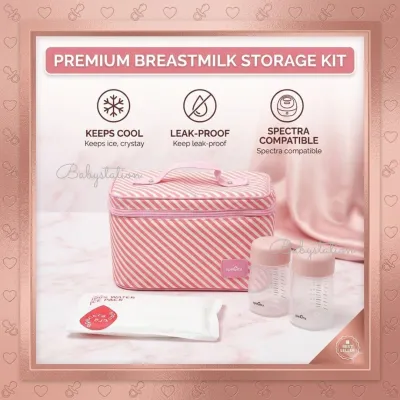
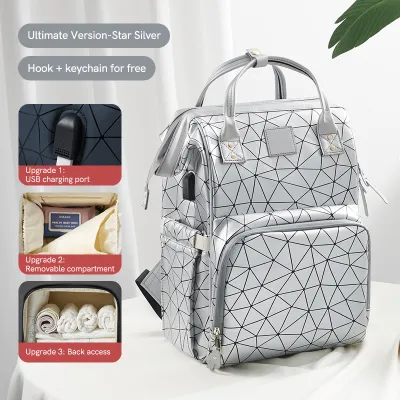
![[Local Seller] Vcoool V-Coool Double Compartment Insulated Breast milk Maternity Diaper pump Cooler Diaper Bag Backpack](https://img.lazcdn.com/g/p/ba36fd0ada38fafec5add54bd0543a89.jpg_400x400q80.jpg_.webp)
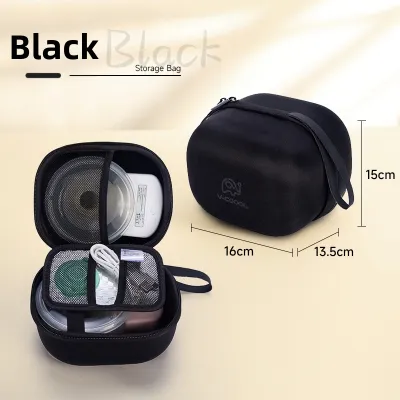
![[Local Shop] V-Coool Cooler Bag for Breast Milk with without Ice Pack](https://img.lazcdn.com/g/p/382dd2352e8e17a9355ed1dcfb3d7c14.jpg_400x400q80.jpg_.webp)
Prices are valid at publication and may change. Please refer to the product page for the latest price.
Beyond the pump itself, you must account for the physical space required by the power adapter, charging cables, and external battery packs. Coiling these accessories tightly to force them into a cramped space can damage the internal wiring over time. Tubing also requires careful handling; it must not be bent at sharp angles or crushed under the weight of the pump motor, as kinks can restrict airflow and compromise suction efficiency during your next session.
Finally, verify the vertical clearance for your assembled collection kits. Spectra wide-neck bottles, when attached to the breast shields and backflow protectors, form an awkward, tall assembly. A well-designed bag should allow you to store these components upright to prevent any residual milk from leaking into the pump connection ports or the bag lining. Measure the height of your preferred bottle sizes to ensure they can stand securely without being compressed by the bag’s top zipper.
Evaluating Compartment Layouts for Daily Pumping Needs
The internal organization of a breast pump bag directly impacts your daily hygiene and efficiency. An open-concept main compartment offers maximum flexibility, allowing you to arrange your gear using individual wet bags or packing cubes. However, this layout can lead to clutter, making it difficult to locate small parts quickly when you are on a tight schedule.

Structured, multi-pocket designs provide dedicated zones for different stages of your pumping routine. A critical feature to look for is the separation of clean, sterilized parts from used, unwashed components. Storing wet flanges and valves in a separate, water-resistant compartment prevents moisture from transferring to your dry, clean spares or the pump motor itself. This separation is essential for maintaining high hygiene standards, especially when you do not have immediate access to a sink for washing parts between sessions.
Temperature control is another vital consideration for parents who pump away from home. In warm, humid climates, expressed breast milk must be kept cool to prevent bacterial growth. Many specialized pump bags feature built-in insulated compartments designed to hold ice packs and milk bottles securely. If the bag you are considering does not have an insulated section, you must ensure the main compartment is large enough to accommodate a separate, standalone cooler bag alongside your pump and accessories.
Do not overlook the utility of small, dedicated pockets and elastic loops. A successful pumping session relies on tiny, easily misplaced components like silicone duckbill valves, backflow protector membranes, and tubing connectors. Having designated mesh pockets or zippered slots for these spares, as well as for nursing pads, breast milk storage bags, and quick-clean wipes, saves you from rummaging through a deep bag in a public restroom or office lactation room.
Assessing Portability and Carrying Styles for Your Routine
How you transport your pump bag depends heavily on your daily commute and lifestyle. Tote bags with classic top handles offer a professional, polished appearance suitable for office environments, but they can become uncomfortable to carry over long distances when fully loaded. If you regularly walk, use public transport, or carry other bags, a tote may strain your shoulder and limit your physical mobility.
Backpack-style pump bags have grown increasingly popular because they distribute weight evenly across both shoulders. This ergonomic design is particularly beneficial if you are carrying a heavier pump like the Spectra S1, which contains an internal rechargeable battery. Backpacks also provide hands-free convenience, allowing you to navigate busy train stations, hold onto handrails, or manage a stroller and an older child simultaneously. Some versatile designs offer convertible straps, allowing you to switch between a backpack, a shoulder tote, or a crossbody bag depending on the day’s demands.
The empty weight of the bag is a crucial factor that is often ignored. A bag made of heavy, thick canvas or dense faux leather might look stylish, but it can become incredibly heavy once you add a pump, a cooler bag with frozen ice packs, filled milk bottles, and your personal items. Look for lightweight yet durable synthetic fabrics, such as high-density nylon or polyester, which offer structural integrity without adding unnecessary bulk.
Exterior materials should also be evaluated for their resilience against daily wear and environmental factors. A water-resistant exterior protects your expensive electronic pump from sudden rain showers or accidental spills. Additionally, choose materials that are easy to wipe clean with a damp cloth, as milk drips, dust, and dirt are inevitable over months of daily use. A reinforced, rigid base is also highly desirable, as it keeps the bag upright when placed on a table or floor, preventing the pump from tipping over.
Decision Framework: Which Bag Fits Your Lifestyle?
To finalize your choice, align the bag’s structural features with your primary daily environment and routine. If you are an office-based professional who commutes daily, a structured, multi-compartment tote is often the most practical choice. These designs frequently feature a discreet side pocket for the pump, leaving the main upper compartment free for a laptop, work documents, and personal items, allowing you to carry just one professional-looking bag to the office.
For active parents, frequent travelers, or those managing multiple children, a lightweight, streamlined backpack is highly recommended. The hands-free mobility allows you to stay agile while keeping your pump secure and protected. Look for models with padded shoulder straps and a luggage sleeve that slides over suitcase handles to make airport transit smoother.
If you primarily pump at home or only need to transport your gear occasionally—such as for weekend visits to family—a compact, minimal-pocket design or a simple utility caddy may be sufficient. These options focus on basic storage and protection without the added bulk, weight, and cost of complex multi-compartment travel bags. They keep your pumping station organized in one spot at home and are easy to move from room to room.
Before making a final decision, always verify the current stock, exact internal dimensions, and warranty terms directly with authorized retailers or the manufacturer. Ensure that the specific bag model you select is fully compatible with your pump’s dimensions and that the return policy allows you to test the fit of your gear at home before committing to daily use.
Frequently Asked Questions (FAQ)
Can I use a non-Spectra branded bag for my Spectra pump?
Yes, you can use a non-Spectra branded bag, provided you carefully verify the internal dimensions and structural support. Many third-party diaper bags and specialized breast pump bags are designed with universal compartments that accommodate hospital-grade pumps. The key is to ensure the bag offers sufficient padding to protect the pump motor from accidental drops or impacts. Additionally, the compartment layout must allow you to store the pump securely without crushing the delicate silicone tubing or putting pressure on the power port.
Do Spectra breast pump bags come with a cooler insert?
Whether a cooler insert is included depends entirely on the specific bag model and the package bundle you purchase. Some premium bundles or specific bag sets include a matching insulated cooler bag and reusable ice packs, while other standard models are sold as the bag alone. Always read the product specifications and listing details carefully before purchasing. If a cooler insert is not included, measure the remaining space in the main compartment to ensure a standard, standalone breast milk cooler bag can fit comfortably alongside your pump.

Community discussion
Share your experience or ask a question. Comments are reviewed before publication.