
To successfully set up a nursery in a typical Singapore Housing & Development Board (HDB) flat, you must learn to work with highly constrained square footage. With standard HDB common rooms averaging between 9 and 11 square metres, introducing a baby cot, a changing table, and a wardrobe leaves very little floor space for play. Finding the right toy storage is not just about keeping the room tidy; it is about choosing space-efficient, safe, and flexible systems that adapt as your child grows from an infant into a toddler.
The key to maximizing a compact nursery lies in combining vertical wall space, under-utilised dead zones, and multi-functional furniture. However, before purchasing any storage units, you must understand how to measure your room accurately, navigate HDB drilling restrictions, and apply strict child-safety standards. This guide provides a practical blueprint for sizing, selecting, and safely installing toy storage in your HDB nursery.
Assessing Usable Space in a Compact HDB Nursery
To avoid purchasing storage units that make your nursery feel cramped or unusable, you must calculate the actual usable floor and wall space rather than relying on the room’s total square footage. Start by mapping out the footprint of your essential, non-negotiable furniture. A standard baby cot typically requires a footprint of roughly 130cm by 70cm, while a standard wardrobe and changing table will consume another substantial portion of the floor. Subtracting these dimensions from your total room area reveals your true remaining footprint—the actual space available for toy storage and floor play.
Products mentioned in this guide
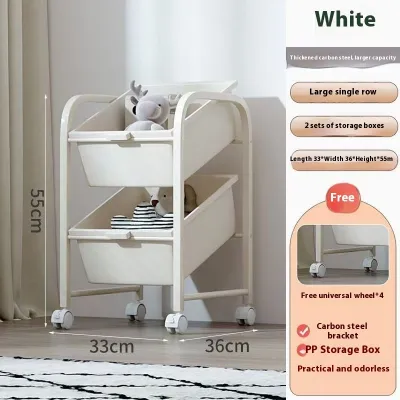
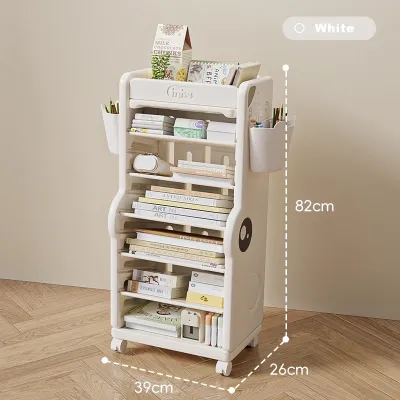
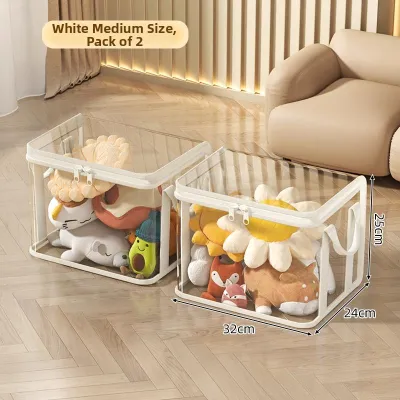
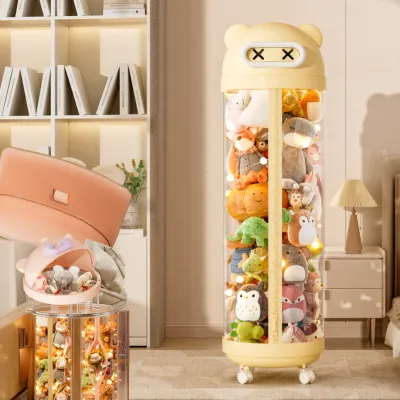
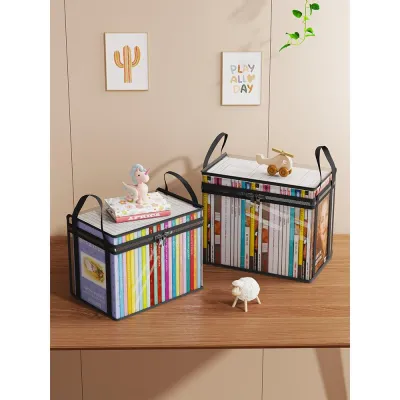

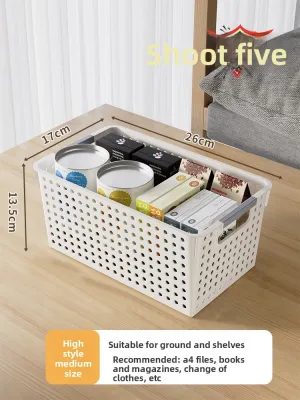

Prices are valid at publication and may change. Please refer to the product page for the latest price.
Next, you must account for essential clearance zones. It is a common mistake to pack furniture tightly against every wall without considering how adults move through the space. You need a minimum clearance of 60cm to 70cm of open space in front of shelves and drawers to bend down comfortably, retrieve toys, or clean the floor. Furthermore, consider the pathway required to maneuver a stroller, a baby carrier, or a bulky laundry basket through the nursery door. The entry path must remain completely unobstructed to prevent tripping hazards, especially during late-night visits.
Before finalizing any furniture purchases, measure the entire delivery route from the estate’s loading bay to the nursery. In Singapore, older HDB estates may have narrow lift doors, tight corridor turns, or low ceiling beams that restrict the transport of large, pre-assembled storage units. Measure your main door frame, the nursery door frame (typically 80cm to 85cm wide), and any hallway corners to ensure your chosen storage pieces can actually be brought into the flat.
Finally, inspect the room’s structural and layout constraints. Take note of inward-swinging bedroom doors and window swing paths, as placing tall shelves too close can block natural light or prevent windows from opening fully. Additionally, pay close attention to the location of air-conditioning fan coil units and their associated PVC trunking. This trunking often runs horizontally or vertically along HDB walls, preventing tall storage units from sitting flush against the wall, which compromises both aesthetics and mounting stability.
Space-Efficient Toy Storage Types for Small Rooms
Selecting the right storage units requires matching the furniture style to the specific spatial limitations of your HDB room. Different storage types solve different spatial challenges, and understanding their strengths and limits will help you build a highly functional layout.

Vertical and Wall-Mounted Organizers
When floor space is limited, look upward. Tall, narrow shelving units, wall-mounted pegboards, grids, and hanging fabric organizers are excellent for utilizing vertical space without encroaching on the room’s playing area. However, vertical storage requires strict adherence to safety and weight distribution rules. Heavy wooden blocks, thick board books, and bulky activity sets must always be stored on the lowest shelves or directly on the floor. Lightweight items, such as plush toys, fabric rattles, and empty storage baskets, can be placed on higher shelves.
You must also consider your baby’s current developmental stage. Once your child reaches the milestone of pulling up to stand (typically between 6 and 9 months) or begins to crawl and climb, vertical shelves become an attractive climbing frame. At this stage, any open low shelving must be transitioned to secured, child-safe zones, and tempting items must be moved completely out of reach or locked away. Always check the manufacturer’s guidelines for weight limits and age suitability before installing wall-mounted systems.
Mobile Carts and Under-Cot Bins
Flexible, moveable storage is highly effective in multi-functional HDB flats. Tiered rolling utility carts are ideal for storing daily-use items, such as sensory toys, board books, and diapering supplies. These carts can easily be wheeled next to the cot during playtime and then rolled away into a corner, a built-in wardrobe, or even the household shelter (bomb shelter) when you need to clear the floor. Never leave a baby unattended near mobile carts, and ensure the wheels are locked when stationary.
The space beneath a baby cot is another prime area of dead space that can be reclaimed. Flat, lidded plastic or fabric bins are perfect for storing out-of-season baby clothes, spare bedding, or toys that are currently out of rotation. Before purchasing under-bed bins, use a measuring tape to find the exact clearance height from the floor to the lowest edge of the cot’s base frame. Standard cots vary significantly in height, and even a minor discrepancy of a few millimeters can prevent a bin from sliding smoothly underneath.
Multi-Functional and Foldable Furniture
To minimize the total number of furniture pieces in a small nursery, prioritize multi-functional items. A changing table with deep, built-in drawers underneath allows you to store diapers on top and toy bins below, eliminating the need for a separate chest of drawers. Storage ottomans or benches provide a comfortable seat for parents during storytime while hiding toys inside. Additionally, foldable fabric storage cubes are highly practical; they can be popped open to hold toys and collapsed completely flat when the toys are rotated out of use.
While multi-functional furniture is highly space-efficient, you must carefully weigh the trade-offs. Ensure that any dual-purpose piece complies with safety standards for both of its functions. For example, a changing table with integrated storage must have a highly stable base, secure barriers, and a certified weight limit that safely supports your growing baby. Always read the product label and manufacturer instructions carefully. If the instructions for storage use and baby care conflict, or if the unit’s weight limits are unclear, consult the manufacturer before use.
HDB Installation Limits and Nursery Safety Rules
Installing storage units in an HDB flat requires a clear understanding of the building’s structural composition. HDB walls generally fall into two categories: structural walls and partition walls. Structural walls are made of reinforced concrete; they are non-hackable, highly difficult to drill into, and require a heavy-duty rotary hammer drill. Partition walls, often made of drywall or lightweight concrete blocks, are much easier to drill but have strict weight-bearing limitations. You must consult your HDB floor plan legend or contact a licensed contractor to identify your wall types before drilling holes for heavy wall-mounted shelves.
If you are dealing with non-hackable structural walls where drilling is restricted or undesirable, consider damage-free alternatives. Heavy-duty tension rods can support lightweight hanging fabric organizers, while high-quality adhesive strips or hooks can hold small, light items. However, be cautious with adhesive solutions; always check the manufacturer’s specified weight limits, and remember that humidity in Singapore’s tropical climate can weaken adhesives over time, potentially causing shelves to fall.
For freestanding storage units, there is one non-negotiable safety rule: any unit taller than 60cm must be securely anchored to the wall using anti-tip brackets or wall straps. Toddlers naturally try to climb shelves to reach toys, and unanchored furniture can easily tip over, leading to severe injuries. If you are renting or cannot drill into the wall to install an anti-tip kit, you must limit your storage to low-profile, wide-base units under 60cm in height.
In addition to structural security, perform a comprehensive nursery safety check on all storage furniture. Ensure that all unit corners are rounded, or install soft, child-safe corner guards to prevent head injuries as your baby learns to walk. If your storage units feature cabinets or toy chest lids, verify that they are equipped with soft-close hinges or safety dampers to prevent painful finger-trapping accidents. Finally, inspect all hardware, brackets, and screws to ensure they are completely recessed, covered, or inaccessible to curious little hands that might try to unscrew or swallow them.
Common Sizing and Layout Mistakes to Avoid
Furnishing a compact HDB nursery requires strategic planning, yet several common layout and purchasing mistakes frequently disrupt these small spaces.
The first mistake is ignoring the door swing radius. Placing a tall bookshelf or a toy chest directly behind the nursery door restricts how wide the door can open. This not only makes the room feel incredibly cramped upon entry but also creates a major safety hazard if you need to enter the room quickly in the dark or evacuate during an emergency. Always leave a clear zone equal to the full swing path of your door.
The second mistake is buying fixed-depth cabinets that block essential wall infrastructure. In HDB flats, power sockets, light switches, baby monitor mounts, and air-conditioning controls are often positioned at standard heights on the walls. Placing a deep, solid-backed wardrobe or shelving unit directly in front of these fixtures can block access to critical power outlets or interfere with baby monitor camera angles. To avoid this, select open-backed shelving or units with a shallow depth that can sit alongside these fixtures without covering them.
The third mistake is failing to account for rapid toy volume growth. While small, shallow bins are perfect for holding newborn rattles, teething rings, and small sensory balls, they will quickly become obsolete as your child grows. Within a year, your toddler will transition to larger building blocks, train tracks, puzzles, and massive plush toys that simply will not fit into infant-sized storage. To prevent having to buy entirely new furniture, invest in modular or adjustable shelving systems. These systems allow you to adjust shelf heights and swap out small bins for larger baskets as your child’s play needs evolve.
Frequently Asked Questions (FAQ)
Can I drill into HDB walls to mount heavy toy shelves?
Drilling into HDB structural walls is heavily restricted because these reinforced concrete walls maintain the structural integrity of the entire building block. You must refer to your HDB floor plan legend to distinguish between structural walls and non-structural partition walls. If you must mount heavy shelves, only do so on permitted partition walls using the correct wall plugs (anchors) designed for that specific wall material. If you are unsure of your wall type or do not have the proper tools, it is highly recommended to use freestanding units secured with anti-tip kits or consult a professional handyman.
How should I plan storage for toys my baby will outgrow quickly?
To manage toys that your baby outgrows rapidly, implement a strict toy rotation system. Keep only four to six age-appropriate toys accessible in the nursery at any given time. Store the remaining toys in labeled, opaque, stackable plastic bins, and place them out of sight in your HDB household shelter (bomb shelter) or in flat bins under the cot. Every two weeks, swap the active toys with those in storage. This rotation keeps your child engaged, extends the lifespan of the toys, and prevents visual clutter from overwhelming your compact nursery.

Community discussion
Share your experience or ask a question. Comments are reviewed before publication.