
Maximizing a compact Singapore nursery requires a strategic approach to furniture selection. In typical HDB flats and condominiums where floor space is at a premium, the most effective toy storage cabinet configurations are those that leverage vertical height, offer modular flexibility, and serve multiple functions. By shifting the storage footprint upward and choosing adaptable layouts, parents can maintain a clutter-free environment that supports a child’s development without cramping the room’s layout.
Choosing the right configuration involves balancing accessibility for your child with the physical constraints of the room. A well-planned storage system not only keeps toys organized but also adapts to your family’s changing needs over time. By focusing on smart spatial planning, safety verifications, and efficient internal organization, you can create a functional and serene nursery even in the most limited spaces.
Assessing Your Nursery Space and Storage Needs
Before purchasing any storage furniture, it is essential to measure your available floor footprint and vertical clearance. Use a measuring tape to map out the exact dimensions of the wall space where you plan to place the cabinet. Be sure to account for baseboards, electrical outlets, light switches, and the swing radius of doors, wardrobe doors, and windows. If the nursery already contains a crib, a changing table, or a nursing chair, ensure there is sufficient clearance to operate these items comfortably.
Products mentioned in this guide
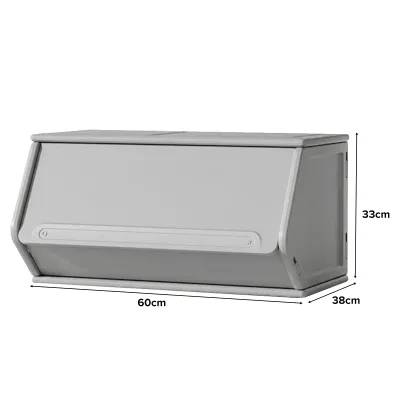
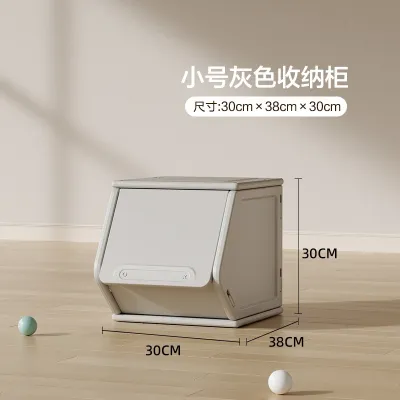
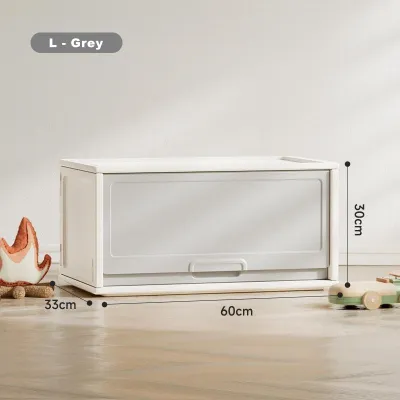
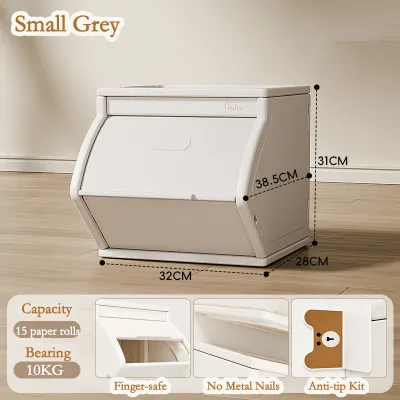
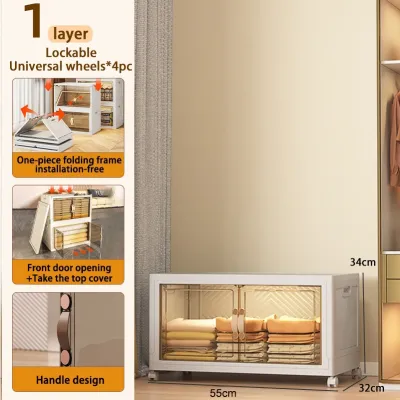
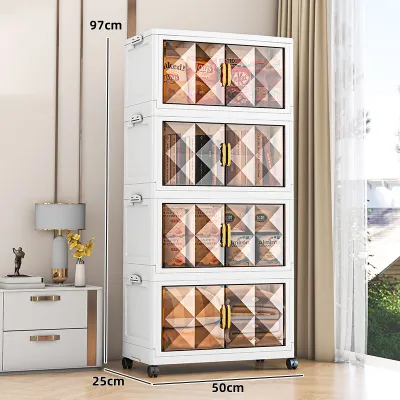
Prices are valid at publication and may change. Please refer to the product page for the latest price.
Next, categorize your child’s current toy collection by size, weight, and type to estimate your overall volume needs. Bulky items like plush toys, play mats, and large activity centers require deep bins or open baskets. Conversely, small building blocks, rattles, and board books are better suited for shallow drawers, divided trays, or narrow shelves. Understanding the ratio of large to small items helps you choose a cabinet with the right mix of deep compartments and shallow shelving.
Finally, map out the daily movement paths within the nursery to ensure the cabinet does not obstruct traffic. A safe nursery layout maintains clear pathways between the entrance, the crib, and the diaper-changing station. Avoid placing tall or deep cabinets directly behind doors or in tight corners where they might restrict movement or block natural light from windows. Ensuring a smooth flow of movement reduces the risk of accidental bumps and makes daily caregiving tasks much easier.
Space-Saving Cabinet Configurations for Compact Rooms
Vertical storage solutions are highly effective for small nurseries because they utilize unused wall space while keeping the floor footprint minimal. Tall, narrow cabinets allow you to store a significant volume of items upward rather than outward. When using vertical configurations, designate the lower, easily reachable shelves for your child’s daily toys, while reserving the higher shelves for items that require caregiver supervision, seasonal toy rotations, or extra diapering supplies.

Multi-functional furniture is another excellent option for maximizing limited square footage. Look for low storage cabinets that feature a flat, sturdy top surface that can be fitted with a secure changing pad or used as a cushioned bench seat for storytime. Some configurations integrate pull-out toy boxes that double as independent play tables. Combining storage with seating or changing facilities eliminates the need for multiple individual furniture pieces, freeing up valuable floor space for active play.
Modular and stackable systems offer the flexibility needed to adapt to changing storage demands. These systems allow you to start with a single low unit during the infant stage and gradually add matching units vertically or horizontally as your child’s toy collection expands. When selecting modular systems, always verify that the components feature secure interlocking mechanisms or brackets to prevent individual units from shifting or sliding when stacked.
Essential Safety and Stability Checks for Nursery Cabinets
Safety is the most critical consideration when introducing any furniture into a child’s room. Tall or heavy storage cabinets pose a potential tipping hazard, especially as toddlers begin to pull themselves up or attempt to climb shelves. Always verify that the cabinet includes a dedicated anti-tip kit. When installing these kits, match the wall anchors to your specific wall material; solid concrete or brick walls common in Singapore HDB flats require masonry wall plugs and screws, while drywall partitions require specialized hollow-wall anchors.
Proper weight distribution is a simple yet highly effective way to enhance the stability of your storage units. Always place the heaviest items, such as wooden blocks, heavy books, and large storage bins, on the bottom shelves or in the lowest drawers. This lowers the cabinet’s overall center of gravity, making it significantly less likely to tip forward. Lighter items, such as plush toys and swaddles, should be kept on the upper shelves.
When evaluating cabinet designs, check the product labels and specifications for child-friendly safety features. Look for rounded edges and corners to minimize the risk of injury during active play. If the cabinet features doors or drawers, prioritize models equipped with soft-close hinges or safety dampers to protect small fingers from getting pinched. Additionally, verify that the manufacturer certifies the use of non-toxic, lead-free finishes and low-emission materials suitable for indoor nursery environments.
Internal Organization Strategies for Maximum Efficiency
To make the most of your cabinet’s interior space, utilize uniform, stackable bins or baskets. Standardizing the size of your storage containers prevents wasted gaps and allows you to slide bins side-by-side with minimal dead space. For pre-verbal toddlers, attach clear picture tags or simple icons to the front of each bin to indicate what goes inside, such as a picture of a car for vehicles or a block for building toys. This visual system helps children identify their toys and encourages early sorting skills.
Arranging items by frequency of use keeps the nursery organized and simplifies daily routines. Keep your child’s absolute favorite toys on the lowest shelves where they can easily reach and return them independently. Store items that require adult assistance, such as finger paints, small puzzles, or sensory bins, on the upper shelves. Implementing a toy rotation system—where only a select group of toys is accessible at any given time while the rest are stored away—helps maintain your child’s interest and prevents the room from becoming overwhelmed with clutter.
Do not overlook the potential of dead space within and around the cabinet. The inside of cabinet doors can be fitted with shallow hanging organizers, pocket sleeves, or magnetic strips to hold small items like art supplies, hair accessories, or small board books. Adjustable internal dividers can also be added to wide drawers to keep small clothing items, socks, or baby accessories neatly separated, preventing them from turning into a jumbled mess.
Adapting the Storage Setup as Your Child Grows
Your nursery storage needs will change rapidly as your child transitions from infancy to the toddler years and beyond. During the first year, storage is primarily focused on caregiving essentials such as diapers, wipes, swaddles, and small sensory toys. You can easily organize these items using soft fabric caddies and small baskets placed within the cabinet shelves. This setup keeps daily necessities within arm’s reach of the changing area.
As your child grows into a toddler, you can swap out diapering accessories for larger bins capable of holding building blocks, train sets, and art supplies. Look for cabinets with adjustable shelf heights or removable internal panels. This flexibility allows you to reconfigure the interior layout to accommodate larger toys, board games, or even dress-up clothes as your child’s interests evolve, extending the usable lifespan of the furniture.
Finally, transition the lower shelves of the cabinet to open-access storage to foster independence. Allowing toddlers to choose their own toys and participate in putting them back at the end of the day builds confidence and establishes positive cleanup habits. By choosing a cabinet configuration that supports these developmental milestones, you ensure that your investment remains functional, safe, and practical for many years to come.
Frequently Asked Questions (FAQ)
How do I secure a tall toy cabinet to a wall safely?
To secure a tall cabinet safely, you must use an anti-tip strap or bracket kit and anchor it directly into the wall structure. For the solid concrete or brick walls typically found in Singapore HDB flats, drill pilot holes using a masonry drill bit, insert high-quality masonry wall plugs, and secure the bracket with compatible screws. If you are mounting to a drywall partition, locate the wooden or metal studs behind the wall, or use heavy-duty hollow-wall anchors if no stud is available. Always follow the manufacturer’s specific installation instructions and check the connection periodically to ensure it remains tight.
Are open cube storage units better than closed cabinets for small rooms?
Both configurations offer distinct advantages depending on your priorities. Open cube storage units provide quick, easy access for children and have a visually lighter appearance, which can make a small room feel more open; however, they require neat, uniform bins to prevent the space from looking cluttered. Closed cabinets are excellent for hiding visual clutter and keeping dust off stored items, but they require extra physical clearance in front of the unit for the doors to swing open fully. For very tight spaces, a hybrid unit with open shelves at the bottom and closed doors at the top often provides the best balance of accessibility and neatness.

Community discussion
Share your experience or ask a question. Comments are reviewed before publication.