
Setting up a nursery in a compact Singapore home requires a thoughtful approach to space management. With the average size of modern HDB flats and condominiums requiring parents to maximize every square metre, finding efficient ways to organize baby essentials is a priority. Implementing smart toys storage solutions early on helps maintain a clutter-free, calm environment that supports your child’s development while keeping your living space functional.
To make the most of a small nursery, parents must look beyond standard toy boxes, which often occupy valuable floor space and turn into cluttered dumping grounds. The most effective approach involves utilizing vertical space, choosing multi-functional furniture, and identifying hidden storage zones that otherwise go unused. By selecting the right combination of storage types, you can create an organized nursery that adapts as your baby grows from an infant into an active toddler.
What to Look for in Small-Space Nursery Storage
When evaluating toys storage options for a compact nursery, the physical footprint of the furniture is your primary constraint. A storage unit with a large footprint quickly crowds a small room, leaving little space for a cot, a changing station, or floor play. Prioritize units that offer a high ratio of internal storage capacity to external floor space. Tall, narrow shelving units or modular systems that stack vertically allow you to store a significant volume of items while preserving precious floor area.
Products mentioned in this guide
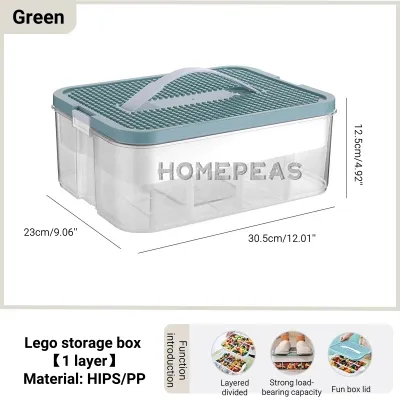
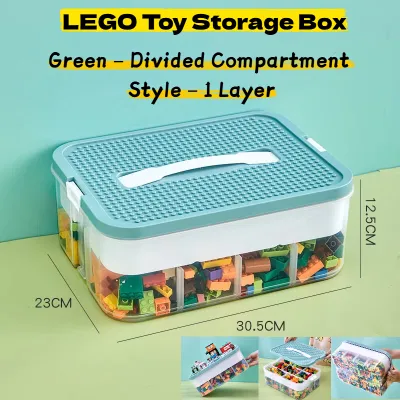
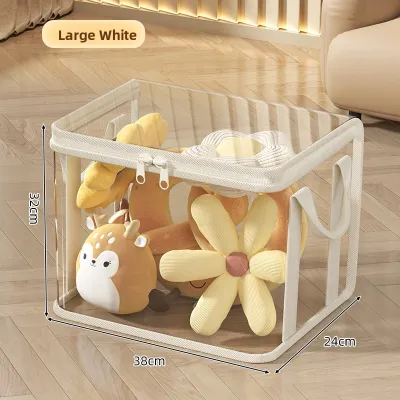
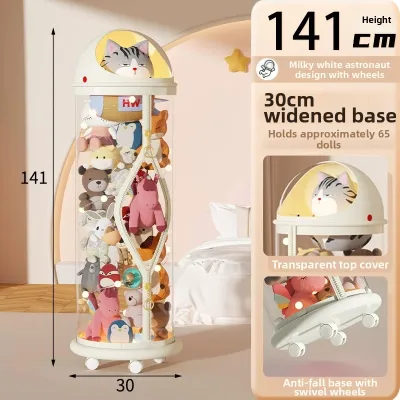
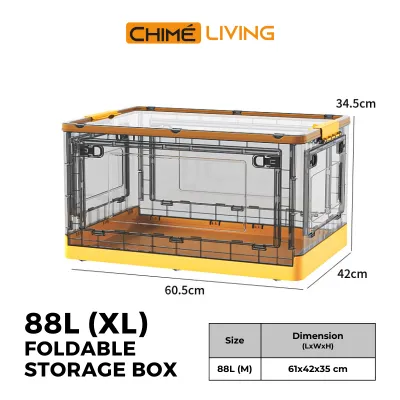
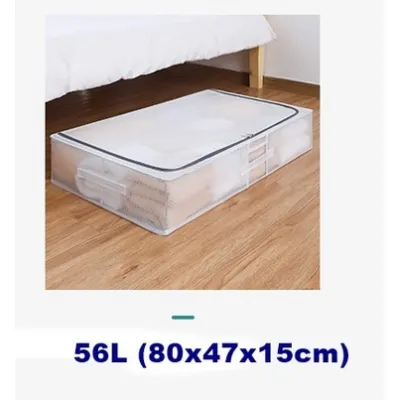
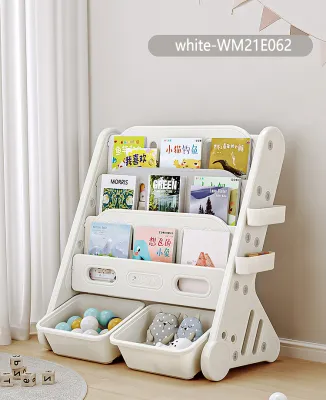
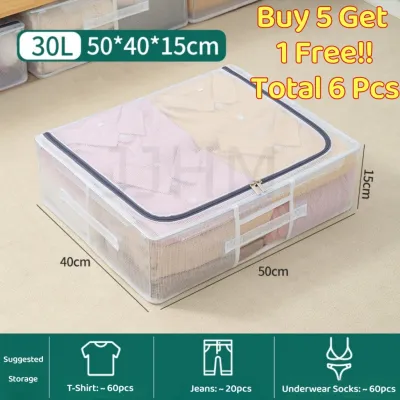
Prices are valid at publication and may change. Please refer to the product page for the latest price.
Utilizing vertical space and hidden dead zones is essential in small apartments. The walls, the back of the door, and the empty space beneath the cot are highly valuable areas that often go completely unused. By shifting storage off the floor and onto these surfaces, you keep the center of the room open for tummy time and crawling. Additionally, utilizing hidden zones keeps visual clutter to a minimum, which helps create a more restful sleep environment for your baby.
Multi-functionality is another key strategy for small-space organization. In a limited room, every piece of furniture should ideally perform more than one task. For example, a changing table that features deep drawers underneath can store both diapering supplies and toys, eliminating the need for a separate chest of drawers. Similarly, a comfortable seating option for late-night feeds can double as a storage chest. This consolidation reduces the overall furniture count, making the room feel more spacious and less restricted.
Accessibility is the final critical factor to consider when planning your nursery layout. Storage must be structured so that parents can easily access daily essentials, while toys are kept at an appropriate level for the child’s developmental stage. Low, open bins are excellent for encouraging toddlers to choose and tidy up their own toys independently. Conversely, items containing small parts, craft supplies, or toys reserved for supervised play should be stored on higher shelves or inside secured compartments out of the child’s reach.
Best Space-Saving Toys Storage Solutions for Compact Nurseries
Selecting the right storage products depends on the specific layout of your nursery and the types of toys you need to organize. Different solutions address different spatial challenges, from empty walls to unused floor corners.

Wall-Mounted Shelves and Fabric Sling Bins
Wall-mounted shelves and fabric sling book racks are highly effective for keeping floors completely clear in narrow nursery rooms. By mounting storage directly to the wall, you convert unused vertical space into a functional library and toy display. Fabric sling bins are particularly useful for young children because they display book covers facing forward, making it much easier for a toddler to identify and select their favorite storybook compared to traditional spine-out shelving.
These wall solutions are ideal for lightweight items, including board books, small plush toys, and decorative nursery items. Because they keep items elevated, they are also excellent for keeping delicate keepsakes or toys with small parts safely out of reach of crawling babies.
However, wall-mounted options do have specific limitations. They have strict weight capacities that depend heavily on the quality of the shelf and the wall anchors used. Overloading wall shelves can lead to structural failure, posing a serious safety risk in a child’s room. Additionally, these shelves require secure, permanent wall anchoring, which must be performed carefully according to the manufacturer’s instructions and your specific wall type.
Under-Crib and Under-Bed Storage Drawers
The space beneath a baby’s cot is one of the most underutilized areas in a nursery. Low-profile rolling drawers or zippered fabric storage bins slide easily under the frame, turning a dusty dead zone into a highly efficient storage compartment. This keeps items completely hidden from view, contributing to a clean and minimalist aesthetic in a small room.
This hidden area is ideal for storing bulky items that do not need to be accessed constantly throughout the day. Examples include large building blocks, out-of-season baby clothing, extra bedding, or backup packs of diapers and wet wipes. Placing these items under the cot frees up prime closet and shelf space for daily essentials.
Before purchasing under-crib storage, you must measure the clearance height from the floor to the lowest rail of the cot frame, as well as the depth between the cot legs. Some storage bins may not slide smoothly if you have thick carpeting or if the cot has a decorative lower trim. Furthermore, if you use a long cot skirt, accessing these drawers frequently can be inconvenient, making them less suitable for toys your child plays with multiple times a day.
Multi-Tier Rolling Storage Carts
Multi-tier rolling utility carts offer exceptional flexibility for small nurseries. These compact, vertical carts typically feature three tiers of baskets and are equipped with wheels, allowing you to move them easily around the room or wheel them into a closet when they are not in use. This mobility is highly beneficial in multi-purpose spaces where the nursery layout needs to adapt quickly.
Rolling carts are ideal for organizing daily play essentials, arts and crafts supplies, bath toys, or diapering necessities. Because the baskets are open, parents can grab items quickly with one hand while holding their baby. The ability to roll the entire cart to the living room or bathroom and back simplifies cleanup at the end of the day.
Despite their convenience, rolling carts present specific safety considerations. If heavily loaded on the top tiers, they can become top-heavy and pose a tipping hazard, especially when a toddler attempts to pull themselves up using the cart frame. It is essential to choose a cart with lockable wheels, store heavier items strictly in the bottom basket, and ensure the cart is stored in a safe, inaccessible area when your child is playing unsupervised.
Storage Benches and Multi-Functional Seating
Combining seating and storage is a practical way to save space in a small nursery. A padded storage ottoman, a window-seat bench with built-in compartments, or a toy chest that doubles as a bench provides a comfortable place for parents to sit during storytime while offering deep internal storage space.
These multi-functional seating options are ideal for storing large, bulky items that are otherwise difficult to organize on shelves. This includes oversized stuffed animals, heavy winter blankets, sleeping bags, and dress-up clothes. Because the storage is fully enclosed, it keeps the room looking neat and organized by hiding large, irregular shapes.
However, storage benches are generally heavier and more difficult to reposition than simple plastic bins. The most critical safety consideration for any storage chest or bench is the lid mechanism. Heavy, unassisted lids pose a severe risk of pinching fingers or trapping a child inside. It is mandatory to choose models equipped with slow-close safety hinges or lid supports that prevent the lid from slamming shut under its own weight.
Over-the-Door and Hanging Closet Organizers
Over-the-door organizers and hanging closet rods utilize existing doors and wardrobe interiors to create storage without taking up any floor space. These fabric or plastic organizers feature multiple pockets or hanging shelves that hang securely from metal hooks over standard interior doors or attach directly to closet rods.
These organizers are ideal for sorting small, lightweight toys and accessories that easily get lost in larger bins. They work exceptionally well for action figures, small toy cars, puzzle pieces, teething toys, socks, and baby shoes. Utilizing clear plastic pockets allows you to see exactly what is inside each compartment at a glance, reducing the time spent searching for specific items.
When choosing over-the-door organizers, verify that the top hooks are compatible with your door’s thickness and do not prevent the door from closing properly. Overloading hanging organizers can strain closet rods or cause the door hinges to sag over time. Additionally, because these organizers feature many small compartments, they can quickly look visually cluttered if they are not organized systematically.
Quick Comparison: Toy Storage Types for Small Spaces
To help you determine which storage solutions best fit your specific nursery layout and organizational needs, the table below compares the key characteristics of each storage category.
| Storage Type | Floor Space Required | Best Toy Types | Primary Safety Focus |
|---|---|---|---|
| Wall-Mounted Shelves | None (Wall-mounted) | Board books, small plush toys, light display items | Secure wall anchoring; weight limits |
| Under-Crib Drawers | None (Uses space under cot) | Bulky toys, extra bedding, seasonal items | Clearance height; dust prevention |
| Rolling Storage Carts | Minimal (Mobile footprint) | Daily essentials, art supplies, bath toys | Tipping hazard; lockable wheels |
| Storage Benches | Moderate (Dual-purpose seating) | Large stuffed animals, heavy blankets, costumes | Slow-close safety hinges; finger-pinch prevention |
| Hanging Organizers | None (Uses doors/closets) | Small figures, puzzle pieces, baby accessories | Door clearance; weight limits on hooks |
Selecting a combination of these storage types allows you to address different categories of toys while keeping your floor space clear for active play. For instance, pairing under-crib drawers for bulky items with a wall-mounted sling bin for books creates a balanced system that maximizes every corner of a small nursery.
Crucial Safety and Baby-Proofing Checks for Nursery Storage
When organizing a nursery, child safety must always take precedence over aesthetic preferences or space-saving convenience. Babies and toddlers are naturally curious and often use furniture to pull themselves up as they learn to stand and walk. Implementing thorough baby-proofing measures is essential to prevent accidents.
Anti-Tip Anchoring Tall shelving units, bookcases, and dressers pose a severe tipping risk if a child attempts to climb them. It is critical to anchor all tall or heavy furniture securely to the wall, regardless of how stable the piece appears. In Singapore, wall construction varies significantly between housing types. Concrete walls, which are standard in HDB flats and many condominium perimeter walls, require masonry drill bits, plastic wall plugs, and sturdy screws. Internal partition walls in newer condos may consist of drywall, which requires specialized hollow-wall anchors or toggle bolts to hold weight securely. Always use the anti-tip hardware provided by the manufacturer, and verify that the anchors you use are appropriate for your specific wall material. If you are unsure of your wall type or lack the necessary tools, pause the installation and consult a qualified professional handyman.
Lid and Hinge Safety If you use toy chests, storage benches, or ottomans with lids, you must verify the hinge mechanism. Standard utility hinges can allow a heavy lid to drop suddenly, leading to trapped fingers or head injuries. Ensure that any lidded storage unit in the nursery is equipped with slow-close safety dampers or friction hinges that hold the lid open at any angle and require active pressure to close. Alternatively, opt for open-top bins or removable, lightweight fabric lids that do not pose a crushing risk.
Choking and Entrapment Hazards Regularly inspect all storage bins and organizers for potential hazards. Check plastic bins for sharp edges or cracks that could scratch sensitive skin. Ensure that fabric organizers do not have loose threads, long drawstrings, or small decorative buttons that could detach and pose a choking hazard. For storage units with drawers, verify that they are equipped with built-in drawer stops to prevent a child from pulling the drawer completely out of the frame and onto themselves. Additionally, ensure there are no narrow gaps between storage units and walls where a curious toddler’s fingers or limbs could become trapped.
Material Verification Before purchasing any storage furniture or bins, check the product labels and manufacturer specifications to verify the safety of the materials used. Look for products made with non-toxic, lead-free finishes and solvent-free paints, especially for items within your baby’s reach. If you are using plastic storage tubs, verify that they are labeled BPA-free and phthalate-free. Avoid furniture made with low-grade particle board that may emit high levels of formaldehyde; instead, look for solid wood or certified low-emission composite materials. Prioritize storage units with smooth, rounded corners rather than sharp angles to minimize the risk of injury during active play.
Organization Tips to Maximize Your Nursery Space
Having the right storage containers is only half the battle; maintaining a functional system is what prevents a small nursery from becoming overwhelmed by clutter. Implementing simple, consistent organizational habits makes daily tidying manageable.
- Implement a Toy Rotation System: You do not need to have every single toy accessible to your child at all times. In fact, presenting too many options can overwhelm a young child and lead to shorter attention spans. Keep a small selection of toys in low, accessible bins for daily play, and store the remainder out of sight in under-crib drawers or closet organizers. Every two to three weeks, swap the active toys with the stored ones. This rotation keeps play materials feeling fresh and exciting for your child while drastically reducing the volume of toys cluttering the nursery floor.
- Use Categorization and Visual Labeling: Group similar toys together in dedicated bins—such as blocks in one bin, soft toys in another, and musical instruments in a third. For toddlers, use clear visual labels on the outside of each bin. Printing a simple picture of the item (for example, a drawing of a building block) alongside the written word helps young children understand exactly where each toy belongs. This fosters cognitive development and encourages them to participate in cleaning up independently.
- Establish a Regular Decluttering Routine: Children grow and change rapidly, and their toy preferences change with them. Set a recurring schedule—such as once every three to six months—to assess the contents of your nursery storage. Sort through the items and separate toys that are broken, missing pieces, or no longer age-appropriate. Broken items should be disposed of safely, while outgrown toys that are still in good condition can be cleaned, packed away for future siblings, or donated to local charities to free up valuable storage space.
Frequently Asked Questions (FAQ)
How do I safely anchor tall shelves in HDB or condo walls?
Safely anchoring tall furniture depends entirely on the construction material of your nursery walls. In Singapore, HDB flats typically feature solid concrete or precast concrete internal walls. To anchor furniture to concrete, you must use a rotary hammer drill with a masonry drill bit to create a hole, insert a matching plastic wall plug (wall anchor), and then secure the safety bracket using a heavy-duty screw.
In contrast, some condominium units use drywall or lightweight gypsum board partitions for internal bedroom walls. Standard masonry plugs will not hold in drywall; instead, you must use specialized plasterboard anchors, such as toggle bolts or self-drilling metal plasterboard plugs, which expand behind the board to distribute weight. Always refer to the furniture manufacturer’s installation guide. If the provided hardware does not match your wall type, or if you do not feel comfortable operating a hammer drill, hire a professional handyman to ensure the installation is completely secure. Never rely on double-sided adhesive tape or temporary adhesive strips to secure tall, heavy furniture, as these are not designed to withstand tipping forces.
What type of toy storage is safest for a newly crawling baby?
For a baby who is newly crawling and beginning to pull themselves up, the safest toy storage options are low-profile, open-top bins made from soft, flexible materials. Lightweight fabric baskets, woven cotton rope hampers, and soft felt bins are ideal because they have no sharp corners, heavy lids, or hard surfaces that could cause injury if a baby bumps into them or loses their balance.
Avoid using heavy wooden toy chests with lids, tall shelving units that are not anchored, or storage carts on wheels in areas where a crawling baby plays unsupervised. Drawers that slide out easily should also be avoided or secured with safety locks, as infants can pinch their fingers or use open drawers as steps to climb. Ensure that any low-level storage contains only large, age-appropriate toys that do not present a choking hazard. While choosing soft, low-profile storage minimizes physical risks, active caregiver supervision remains essential during play to ensure your baby explores their environment safely.
Community discussion
Share your experience or ask a question. Comments are reviewed before publication.