
In Singapore’s compact residential layouts, such as HDB flats and condominiums, space is at a premium. Setting up a nursery requires careful planning to ensure the room remains functional, safe, and uncluttered. A well-chosen toy organizer is essential for keeping playthings tidy without overwhelming the limited floor area. By selecting storage solutions that utilize vertical space, fit under existing furniture, or offer multi-tiered compartments, parents can maintain an organized environment that supports their child’s development. Choosing the right system involves evaluating your specific room dimensions, understanding safety requirements, and selecting materials that suit the local climate.
Assessing Your Nursery Space and Storage Needs
Before purchasing any toy organizer, it is crucial to measure the physical boundaries of the nursery. Start by mapping out the clear floor space using a standard measuring tape. Be sure to account for the clearance needed for the crib, the swing of the nursery door, wardrobe doors, and any walking paths. A common mistake is buying a storage unit that fits the wall space but blocks a door from opening fully or restricts movement around the changing table. In typical Singapore spare bedrooms, which often range from 9 to 12 square meters, every centimeter of floor clearance matters.
Next, categorize your child’s toys by size, weight, and how frequently they are used. Daily essentials like soft plush toys, rattles, and board books should be kept within easy reach, while seasonal items or toys meant for older developmental stages can be stored further away. This categorization helps you determine the depth and accessibility of the storage bins you need. For example, small, loose items are best kept in shallow, divided containers, while larger soft toys can go into deeper bins.
Products mentioned in this guide
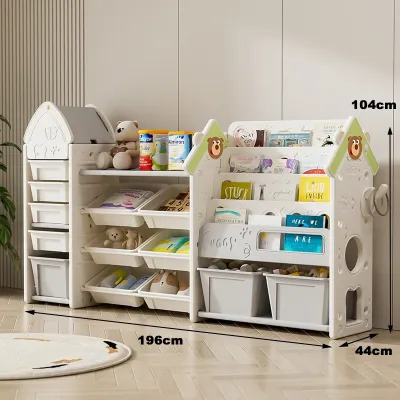
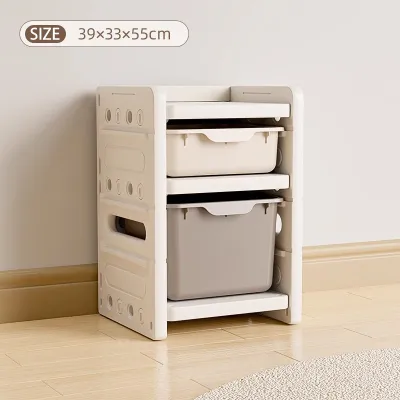
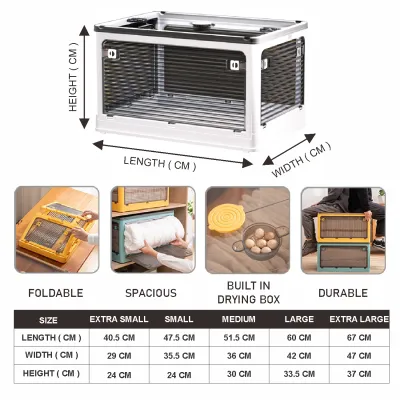
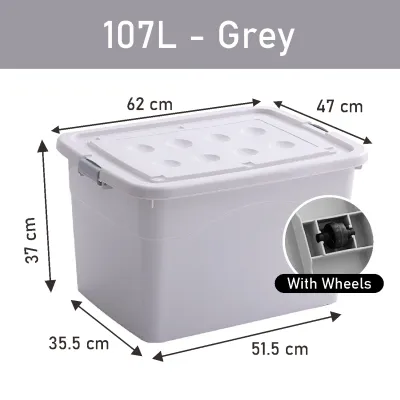
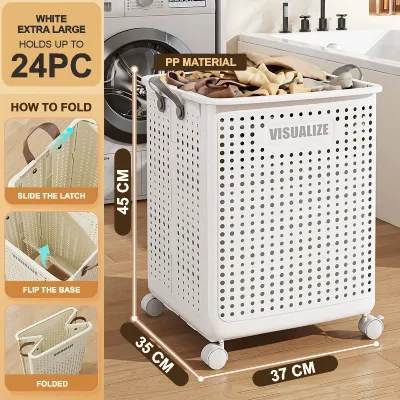
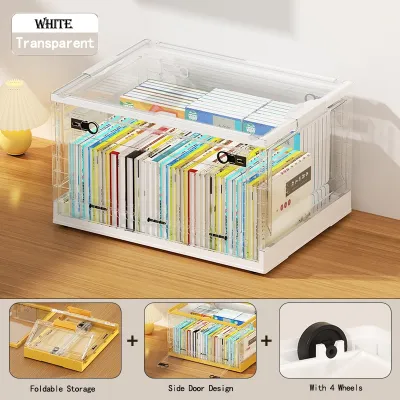
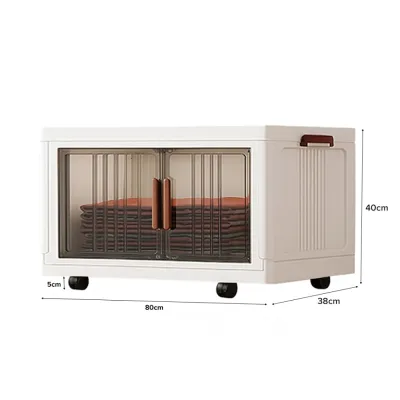
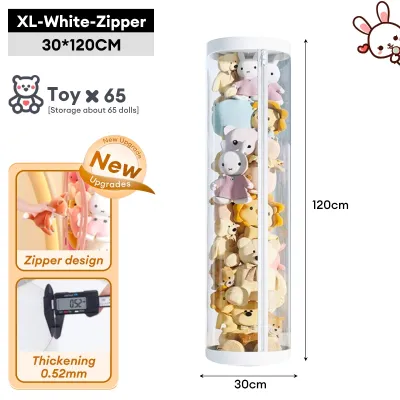
Prices are valid at publication and may change. Please refer to the product page for the latest price.
Finally, look for underutilized dead spaces in the room. The wall area above a changing table, the narrow gap beside a wardrobe, or the empty space beneath the crib are excellent locations for specialized storage units. Identifying these zones early allows you to select organizers that fit these exact niches rather than crowding the center of the room.
Space-Efficient Toy Organizer Types for Compact Rooms
Managing a small nursery requires a strategic approach to storage zoning. By dividing the room into distinct functional areas, you can keep toys organized without making the space feel cramped. This involves balancing vertical wall storage with low-profile floor units to create a balanced, accessible layout that grows with your child.

Wall-Mounted and Vertical Storage Solutions
Utilizing vertical space is one of the most effective ways to keep the floor clear in a compact nursery. Before installing any wall-mounted shelves or organizers, it is essential to check your wall type. Many Singapore homes feature solid concrete or brick walls, which require masonry drill bits, sturdy wall plugs, and specific screws to hold weight safely. If you are mounting onto drywall partitions, you must locate the studs and use appropriate drywall anchors to prevent the unit from pulling away from the wall.
Floating shelves with raised lip edges are excellent for displaying children’s books and lightweight toys, preventing them from sliding off. Hanging canvas pockets or mesh organizers can be suspended from the back of the door or a secure wall hook to hold lightweight items like plush toys and swaddles. When planning vertical storage, always ensure that mounted units are either placed completely out of the child’s reach or are securely anchored to the wall structure to prevent pulling or tipping hazards as your baby grows and begins to pull themselves up.
Under-Crib and Multi-Tier Floor Units
Low-profile floor units and under-crib storage are ideal for maximizing unused space near ground level. Measure the vertical clearance height under your crib frame before purchasing storage containers. Keep in mind that crib mattress heights are adjustable; as you lower the mattress for a growing baby, the clearance underneath may change. Rolling plastic drawers or shallow fabric bins with wheels can easily slide underneath, providing a hidden spot for extra bedding, diapers, or less frequently used toys.
Multi-tier cube organizers are another highly versatile option for small layouts. These units allow you to stack storage vertically while maintaining a relatively small footprint on the floor. You can use fabric bin inserts to conceal clutter, and the modular design means the organizer can adapt as your child’s toy collection changes. When selecting these units, avoid overly deep bins. Deep containers make it difficult for toddlers to see and retrieve toys independently, often leading them to dump the entire contents onto the floor, which defeats the purpose of an organized space.
Key Features to Check for Safety and Durability
Safety must be the primary consideration when selecting any furniture for a nursery. Any tall or top-heavy toy organizer must be securely anchored to the wall. When purchasing a unit, verify whether the manufacturer includes an anti-tip anchoring kit. If one is not provided, you should purchase a compatible, high-quality wall strap or bracket separately. This is a critical step to prevent accidental tipping if a child attempts to climb the shelves.
Examine the physical construction of the organizer for child-friendly design elements. Look for rounded edges and smooth corners to minimize the risk of injury during active play. Ensure that all paints, varnishes, and finishes are certified non-toxic and lead-free by checking the product labels or manufacturer documentation. If you choose storage bins with lids, verify that they feature slow-closing safety hinges or are completely removable to avoid finger-pinching hazards. For fabric bins, opt for breathable materials to mitigate suffocation risks if a child plays with them. Always supervise your child during play and regularly inspect the storage units for loose screws, splinters, or worn parts.
Measuring and Installation Guidelines
Proper installation ensures that your toy organizer remains safe and functional over years of use. When planning the layout, allow adequate clearance around ventilation grilles, air conditioning units, and electrical outlets. Never place a toy organizer directly beneath a window where a child could use it as a step to reach window latches or window blind cords, which present severe strangulation and fall hazards.
Always follow the manufacturer’s instructions regarding load-bearing limits and assembly steps. Use the correct wall anchors specified for your wall material, whether concrete, brick, or drywall. When loading the organizer, place the heaviest items, such as wooden building blocks, heavy books, or activity sets, on the bottom tiers. This keeps the center of gravity low, significantly reducing the risk of the unit tipping over and making it easier and safer for your child to access their favorite items.
Frequently Asked Questions (FAQ)
How often should I rotate toys in a small nursery?
Rotating toys every two to four weeks is an excellent way to manage clutter in a small nursery without needing to buy additional furniture. If you notice your child is overwhelmed by too many choices, or if they stop playing with certain items, it is time to rotate. Keep a small, curated selection of toys on the accessible lower shelves of your toy organizer. Store the remaining toys out of sight in a closet, under-crib drawer, or storage box, and swap them out periodically to keep your child engaged and the room tidy.
Are fabric bins better than plastic bins for small spaces?
Both materials offer distinct advantages depending on your nursery’s needs. Fabric bins are lightweight, soft, and collapsible, making them highly safe for young children and easy to store away when not in use. However, in Singapore’s humid climate, fabric can trap moisture and dust if not regularly aired out. Plastic bins are highly durable, easy to wipe clean, and maintain their structure well, making them suitable for heavier toys. The trade-off is that plastic bins take up a fixed amount of space even when empty, so choose the material that best matches your cleaning routine and the types of toys you need to store.

Community discussion
Share your experience or ask a question. Comments are reviewed before publication.