
Maximizing a compact nursery in a Singapore HDB flat or condominium requires a strategic approach to organization. When floor space is limited, finding the right kids storage solutions is not just about keeping the room tidy; it is about creating a safe, functional environment where you can care for your baby without feeling cramped. Newer HDB BTO flats often feature master bedrooms of about 12 square meters and common bedrooms of 9 square meters, meaning every square centimeter must be utilized efficiently.
By focusing on vertical space, multi-functional furniture, and adaptable storage systems, you can keep essential baby items within arm’s reach while maintaining a clear walkway. The key is to select storage that serves multiple purposes and scales alongside your child’s developmental milestones. This guide explores practical, space-saving storage strategies tailored specifically for the unique spatial and environmental constraints of Singapore homes.
How to Evaluate Storage for a Compact Nursery
Before purchasing any storage furniture, you must evaluate how well it fits the physical dimensions and daily workflow of your nursery. A common mistake is buying bulky wardrobes or chest drawers that overwhelm a small room. Instead, prioritize pieces that offer a high ratio of storage capacity relative to their physical footprint.
Products mentioned in this guide
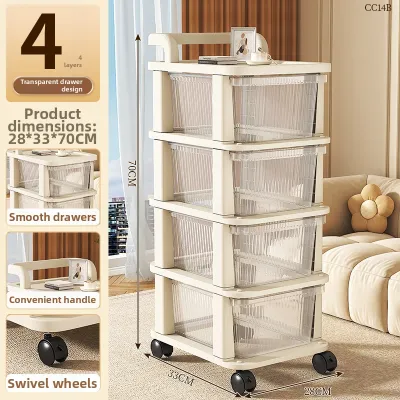
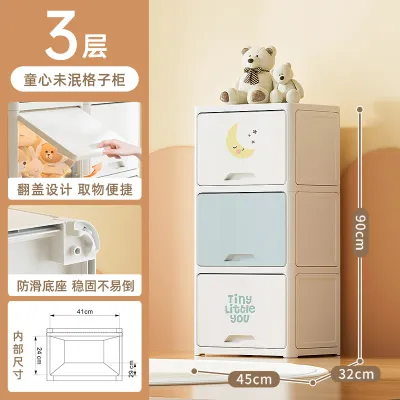
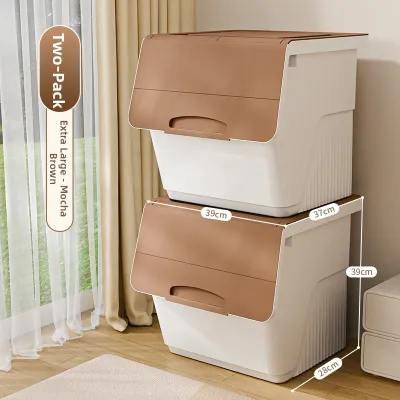
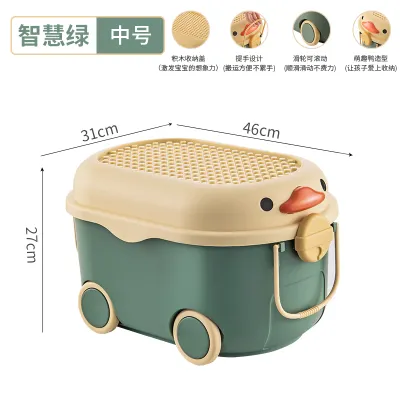
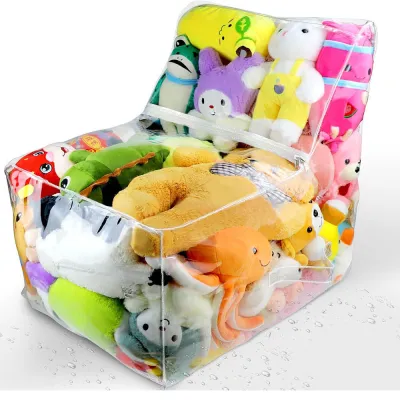
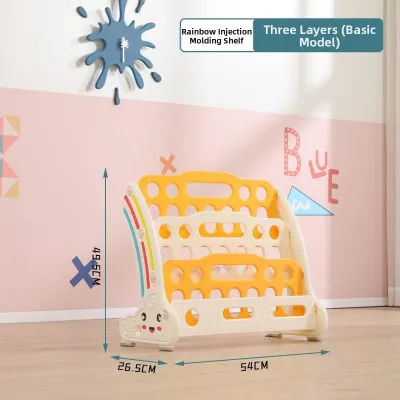
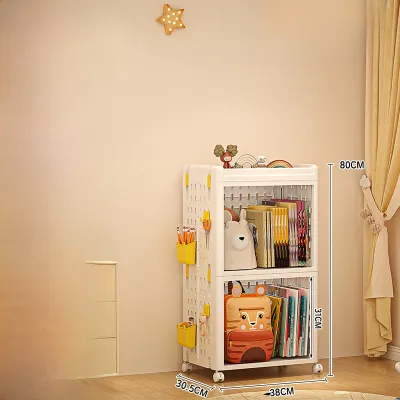
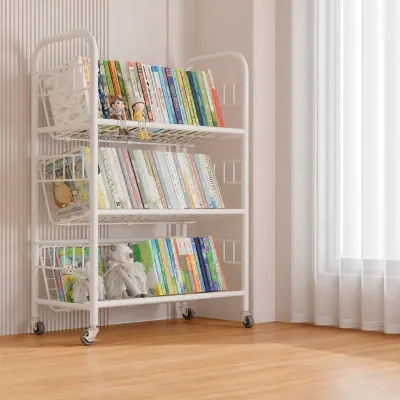
Prices are valid at publication and may change. Please refer to the product page for the latest price.
Multi-functionality is a cornerstone of small-space design. Look for furniture that combines two or more utilities into a single footprint, such as a changing table that sits securely on top of a dresser, or a crib with integrated shelving. This approach eliminates the need for separate, single-purpose items, preserving valuable floor space for play and movement as your baby grows.
Adaptability is equally critical because baby gear requirements change rapidly during the first few years. A storage system that only holds tiny newborn onesies will quickly become obsolete. Choose modular shelving, adjustable hanging rods, and stackable bins that can transition from storing diapers and swaddles to housing toys, books, and toddler clothing.
Singapore apartments present specific spatial constraints that you must measure accurately before making any purchases. Low ceilings can make tall, dark wardrobes feel imposing, so opt for lighter colors or open vertical shelving to maintain an airy feel. Narrow doorways and tight corners require you to measure not just the room’s walls, but also the entry path to ensure the furniture can physically be delivered and assembled inside the room.
When planning your layout, always check door swing clearances for both the room’s entry door and any built-in wardrobe doors. Ensure there is at least 60 to 70 centimeters of clear walkway width around the crib and changing station. This clearance is essential for walking safely through the room in the dark or while carrying your baby.
Finally, balance aesthetic appeal with practical utility by prioritizing easy access for daily caregiving routines. Decorative baskets with intricate closures may look beautiful in photos, but they are highly impractical when you are trying to retrieve a fresh diaper with one hand. Keep frequently used items exposed or in open-top bins at waist height, reserving closed cabinets for backup supplies and seasonal items.
Top Space-Saving Kids Storage Solutions
Optimizing a small nursery requires looking beyond traditional wardrobes and dressers. By categorizing your storage needs, you can deploy targeted solutions that make use of underutilized areas in the room. Here are the most effective categories of kids storage designed to maximize space in compact Singapore apartments.

Vertical and Wall-Mounted Organizers
Wall-mounted shelves, hanging organizers, and pegboards are excellent for keeping your floor clear while keeping daily essentials accessible. Utilizing the vertical space above a changing table or next to a glider chair allows you to store lightweight, high-frequency items like diapers, wipes, burp cloths, and soothing creams right where you need them.
Pegboards are particularly useful because they offer a highly customizable layout. You can reposition hooks, shallow baskets, and small shelves as your storage needs evolve from infancy to toddlerhood. Wall-mounted book ledges are another space-saving alternative to traditional bookshelves, displaying children’s books forward-facing to double as colorful wall decor.
However, vertical storage has specific limitations that require careful planning. You must verify your wall type before drilling or mounting heavy shelves. Most Singapore HDB flats feature solid concrete structural walls or precast lightweight concrete partition walls, which require a masonry drill, wall plugs, and sturdy screws to secure shelving safely. If you are renting and cannot drill, lightweight hanging fabric organizers can be suspended from existing fixtures, but you must strictly adhere to the manufacturer’s weight limits to prevent them from falling.
Under-Crib and Multi-Functional Furniture
The empty space beneath a crib is one of the most overlooked storage areas in a nursery. Utilizing under-crib drawers or low-profile storage boxes is ideal for keeping bulkier items out of sight. This area is perfect for storing backup diaper packs, extra bedding, sleeping sacks, and outgrown clothing waiting to be sorted.
If you are purchasing a new crib, look for models with built-in under-crib drawers designed to slide smoothly on runners. For existing cribs, you can purchase independent zippered fabric storage bags or shallow plastic bins on wheels. If you choose this route, measure the clearance height from the floor to the lowest bar of the crib frame to ensure the bins will slide under easily.
Multi-functional furniture, such as a changing table dresser combo, is another excellent investment. When your child outgrows the changing pad, the top surface can be cleared to serve as a standard dresser top or a small desk. Always check the drawer clearances for these pieces to make sure the drawers can extend fully without hitting the crib or blocking the room’s main walkway.
Over-Door and Corner Utilizers
Dead spaces, such as the back of the nursery door and the corners of the room, offer valuable storage potential when floor space is scarce. Over-door hanging organizers with clear plastic or mesh pockets are perfect for sorting small, lightweight items like baby socks, bibs, hair accessories, and small toys.
Before purchasing an over-door organizer, inspect the gap between the top of your door and the frame. A clearance of at least 2 to 3 millimeters is typically required to ensure the door can still close smoothly without scraping the frame. Additionally, ensure the organizer hooks do not damage the door finish, and avoid storing heavy bottles or glass containers in the pockets to prevent warping the door hinges over time.
Corner shelving units are specifically designed to fit into the 90-degree intersection of two walls, utilizing space that otherwise remains empty. These units are ideal for holding a baby monitor, a small nightlight, or displaying soft toys. Ensure the corner shelves are mounted securely and do not interfere with the window curtains or the opening arc of nearby wardrobe doors.
Modular and Stackable Bins
Modular storage systems, such as cube organizers paired with removable bins, offer unmatched flexibility. They allow you to categorize baby items systematically—such as keeping swaddles in one bin, toys in another, and medical supplies in a third. This makes it easy for different caregivers, including grandparents or helpers, to find and put away items.
Stackable bins are particularly advantageous because they can be stacked vertically to save floor space and rearranged as your storage needs change. When selecting plastic bins, ensure they are made from non-toxic, BPA-free materials. Choose bins with safe, rounded edges to prevent scratches, and avoid brittle, rigid plastics that can crack easily and create sharp, hazardous edges.
Fabric bins are another popular option because they are lightweight, soft, and breathable. However, in Singapore’s humid tropical climate, low-quality fabric or cardboard-reinforced bins can absorb moisture and harbor mold if kept in unventilated areas. Opt for high-quality, breathable canvas or polyester fabric bins, and ensure the nursery is well-ventilated to prevent musty odors.
Quick Comparison of Compact Storage Types
To help you decide which storage solutions best fit your nursery layout, the table below compares the four primary compact storage categories based on utility, space requirements, and installation effort.
| Storage Type | Best Used For | Space Requirement | Installation Effort | Key Limitation |
|---|---|---|---|---|
| Vertical & Wall-Mounted | Diapers, wipes, small books, frequently used creams | Zero floor space; utilizes empty wall areas | High; requires drilling and wall anchors into concrete | Strict weight limits; must be mounted out of baby's reach |
| Under-Crib & Multi-Functional | Bulk diaper packs, extra bedding, seasonal baby clothes | Utilizes existing furniture footprint; no extra floor space | Low to Medium; depends on furniture assembly | Drawer clearance must be measured to avoid blocking walkways |
| Over-Door & Corner | Socks, bibs, small accessories, baby monitors, nightlights | Utilizes dead space behind doors and in empty corners | Low; over-door hooks require no drilling | Door must have sufficient clearance; cannot hold heavy items |
| Modular & Stackable Bins | Toys, swaddles, clothes, miscellaneous baby care items | Flexible; can adjust to fit inside closets or empty corners | Low; simple assembly of cubes or stacking of bins | Can look cluttered if bins are overfilled or unlabeled |
Essential Safety and Installation Checks for Nursery Furniture
When organizing a nursery, safety must always take precedence over aesthetic preferences. As babies grow, they quickly develop the strength to pull themselves up, lean on furniture, and eventually attempt to climb. Storage units that seem perfectly stable can easily tip over if a child pulls on an open drawer or climbs a shelf.
Furniture Anchoring and Anti-Tip Kits
- Mandatory Anchoring: All tall storage units, bookshelves, and dressers must be secured to the wall using anti-tip brackets, straps, or wall anchors. Do not rely on the weight of the furniture to keep it upright.
- Wall Material Verification: In Singapore, verify whether you are anchoring into a solid concrete wall or a drywall partition. For concrete walls, you must use a hammer drill, masonry drill bits, and high-quality plastic wall plugs. For drywall partitions, locate the wooden or metal studs to secure the screws, or use heavy-duty toggle bolts. Standard plastic drywall plugs are not sufficient to hold heavy furniture.
- Regular Inspections: Periodically check the wall anchors to ensure the screws have not loosened over time due to daily drawer usage.
Weight Distribution and Gravity Management
- Heavy Items on Bottom: Always place your heaviest items—such as bulk packs of baby wipes, heavy blankets, wooden toys, or extra bedding—in the lowest drawers or bottom shelves. This keeps the center of gravity low, making the furniture much more stable.
- Lightweight Items on Top: Reserve upper shelves and drawers for lightweight items like swaddles, onesies, and soft plush toys.
- Drawer Limiters: Ensure your chest of drawers is equipped with safety stops to prevent drawers from being pulled completely out of the frame, which could cause them to fall onto a child.
Material Safety and Certification Checks
- Non-Toxic Finishes: Verify that all nursery furniture, paint, and finishes are non-toxic and low-VOC (volatile organic compounds) to protect your baby's developing respiratory system. Look for recognized safety certifications on product labels, such as GREENGUARD Gold or compliance with EN 71-3 standards.
- No Sharp Edges: Inspect all storage organizers, bins, and shelves for sharp corners, splintered wood, or rough plastic edges. Install soft corner guards on any low-lying furniture with sharp edges.
- Avoid Small Detachable Parts: Ensure that storage bins do not have small decorative buttons, loose plastic caps, or easily removable rubber feet that could pose a choking hazard if detached by a curious baby.
Frequently Asked Questions (FAQ)
How do I baby-proof tall storage units in a small room?
To baby-proof tall storage units in a compact nursery, you must secure them to the wall using heavy-duty anti-tip straps or metal L-brackets anchored directly into the concrete wall or wall studs. Avoid placing tempting items, such as favorite toys, pacifiers, or baby monitors, on top of tall furniture where a toddler might be tempted to climb to reach them. Additionally, install childproof drawer locks to prevent your child from pulling out multiple drawers at once, which can create a makeshift staircase and cause the furniture to tip forward.
What is the best way to store outgrown baby clothes in a compact apartment?
The most efficient way to store outgrown baby clothes in a small Singapore apartment is to sort them by size (such as 0-3 months, 3-6 months) and pack them into vacuum-sealed storage bags. These bags compress the clothing to a fraction of its original volume, protecting the fabrics from Singapore’s high humidity, which can cause yellowing, musty odors, and mold. Place the vacuum-sealed bags into flat, wheeled under-bed storage boxes or on the highest shelves of your built-in wardrobe, and label each bag clearly so you can easily retrieve specific sizes when needed.

Community discussion
Share your experience or ask a question. Comments are reviewed before publication.