
Organizing a compact nursery in Singapore requires a strategic approach to spatial planning. With the typical dimensions of modern HDB flats and condominiums, floor space is at a premium, making traditional, bulky toy boxes impractical. Maximizing your kids toys storage relies on utilizing vertical wall space, selecting multi-functional furniture, and establishing a disciplined toy rotation system. By focusing on smart containment and safety checks, you can create an organized, functional environment that supports your child’s development without cluttering your home.
Assessing Your Nursery Space and Storage Needs
Before purchasing any new storage units or bins, it is essential to evaluate the physical boundaries of your nursery. Start by taking precise measurements of the available floor space, wall height, and door clearances. In compact rooms, even a few centimeters of overhang can obstruct walkways, block crib access, or prevent the nursery door from opening fully. Be sure to map out the swing radius of doors, wardrobe panels, and drawers to ensure your planned storage units do not cause physical interference.
Look closely at the underutilized zones within the room that often go unnoticed. The empty space beneath a crib, the wall area above a changing table, and unused corners are prime locations for low-profile storage. For example, shallow plastic bins or fabric drawers can slide easily under most standard crib frames, turning an empty void into a hidden storage zone for extra bedding or flat board games.
Products mentioned in this guide
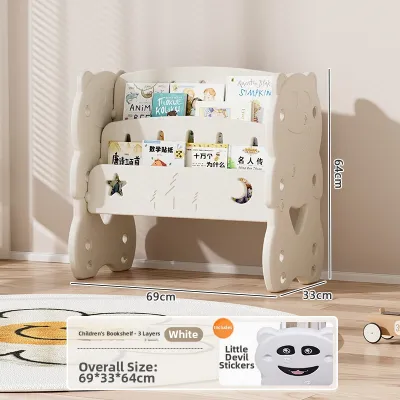
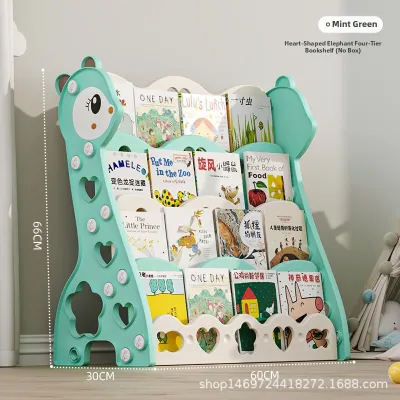
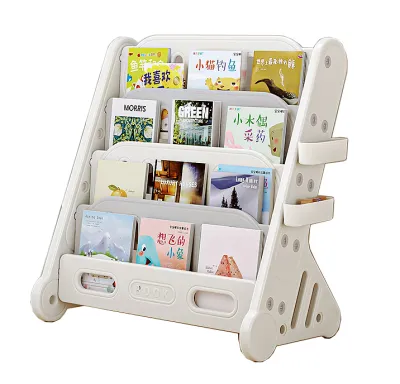
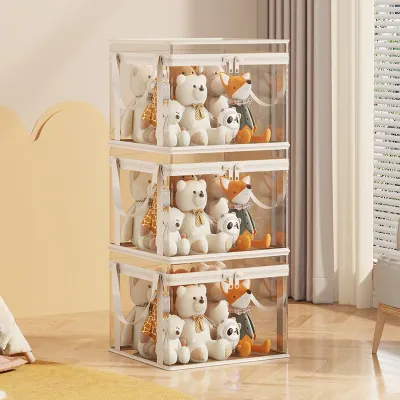
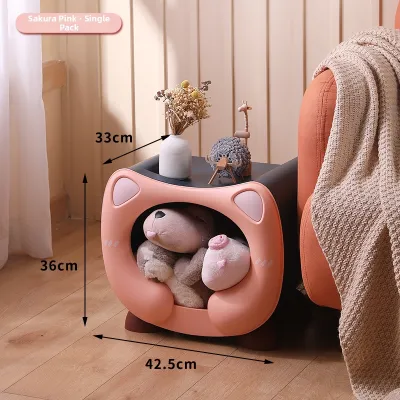
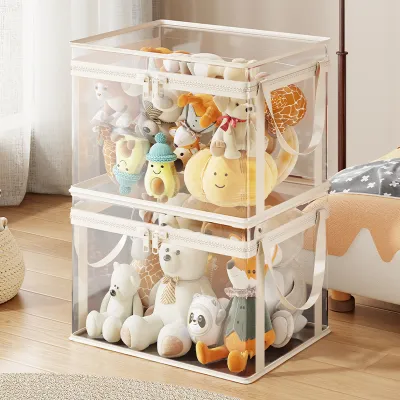
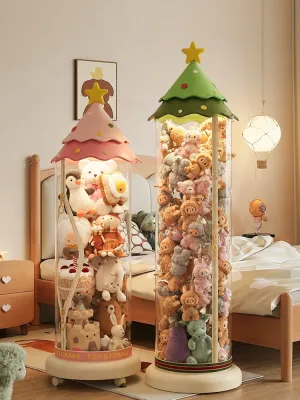
Prices are valid at publication and may change. Please refer to the product page for the latest price.
Next, audit your child’s current toy collection by size, weight, and frequency of use. Grouping items beforehand helps you determine the exact capacity and bin depth you actually need. If you buy deep storage bins without assessing your inventory, you risk creating a “black hole” where small toys sink to the bottom and remain forgotten, while also unnecessarily consuming valuable floor space.
Avoid common sizing mistakes that can compromise both room functionality and safety. Tall, freestanding shelves might seem like an easy way to gain storage, but in a small room, they can interfere with the airflow of ceiling fans or block light fixtures. Always measure the vertical clearance from the top of any planned high unit to the ceiling, ensuring there is a safe distance from any moving fan blades.
Vertical and Multi-Functional Storage Strategies
When floor space is limited, the walls offer the most valuable real estate for expanding your storage capacity. Wall-mounted shelves and pegboards are excellent for keeping lightweight items, such as picture books and small plush toys, organized and out of reach of toddlers. Before installing these, always verify your wall type—whether it is concrete, drywall, or partition wall—and check the manufacturer’s weight limits for both the shelves and the mounting brackets to prevent structural failure.

Multi-functional furniture is another cornerstone of compact nursery design. Look for items that serve dual purposes, such as a storage bench that provides seating for storytime while concealing deep compartments for toy storage. Ottomans with hidden storage or changing tables designed with built-in drawers underneath allow you to consolidate furniture pieces, reducing the overall footprint of items placed on the floor.
Flexible, mobile storage options can adapt to the changing needs of playtime and cleanup. Tiered rolling carts are highly practical because they can be wheeled out during play and tucked away into a closet or corner when the day is done. Over-the-door organizers with clear pockets are also highly efficient for holding small toys, baby wipes, or rattles, utilizing space that would otherwise remain completely empty.
For items that are only used occasionally, consider collapsible or foldable storage bins. These fabric or silicone containers can be popped open to hold toys during active developmental stages and folded completely flat when empty. This flexibility allows you to reclaim floor space as your child’s play habits evolve, preventing the room from feeling permanently cramped.
Categorizing and Containing Toys for Easy Access
An effective storage system must be easy for both parents and children to navigate. Grouping toys by category—such as building blocks, wooden puzzles, art supplies, and soft toys—makes cleanup straightforward. Using clear plastic bins allows children to see what is inside without dumping the entire contents onto the floor, while opaque containers can be paired with simple visual labels or drawings to help pre-verbal toddlers identify where items belong.
Implementing a structured toy rotation system is highly effective for managing clutter in small spaces. Instead of keeping every toy accessible at once, display only a small, age-appropriate selection on low shelves and store the remainder in a closet or overhead cupboard. Every few weeks, swap the active toys with the stored ones; this keeps your child engaged with “new” items while keeping the daily cleanup manageable.
When organizing bins and shelves, always place heavier items in the lowest compartments or bottom drawers. Storing heavy wooden blocks, train tracks, or books near the floor maintains a low center of gravity for the entire storage unit, which significantly reduces the risk of the furniture tipping over. It also ensures that heavy items are easier and safer for young children to reach without assistance.
To keep large drawers from becoming disorganized, use adjustable drawer dividers or smaller inner containers. These inserts prevent small parts, such as puzzle pieces or toy figures, from mixing together and getting lost. Keeping small components contained not only preserves the lifespan of the toy sets but also makes it easier to set up specific activities quickly.
Safety and Installation Checks for Compact Rooms
Safety is the paramount consideration when installing any storage solution in a child’s environment, particularly in confined spaces where children are more likely to climb on furniture. All tall bookshelves, dressers, and freestanding storage units must be securely anchored to the wall using appropriate anti-tip hardware. Do not rely on the weight of the items inside to keep a unit stable; a toddler pulling open multiple drawers can easily shift the center of gravity and cause a dangerous tip-over.
When mounting shelves or pegboards, ensure they are installed correctly according to your home’s wall construction. In Singapore, many internal walls are solid concrete, requiring masonry drill bits and appropriate wall plugs, while partition walls require locating studs or using heavy-duty toggle bolts. Always verify that the anchors used are rated for the maximum potential load, factoring in both the weight of the shelf and the toys stored on it.
Regularly inspect all storage hardware for potential hazards. Check plastic bins for cracks or sharp edges that could scratch delicate skin, and examine wooden units for splinters. Ensure there are no small, detachable parts on the storage units themselves, such as loose plastic caps or small screws, which could pose a choking hazard to curious infants and toddlers.
If you use traditional toy boxes or storage benches with heavy lids, verify that they are equipped with safety hinges or lid supports. These specialized hinges prevent the lid from slamming shut abruptly, protecting small fingers and hands from painful pinches. Alternatively, opt for open-top bins or removable fabric lids to eliminate the risk of entrapment or lid-related injuries entirely.
Frequently Asked Questions (FAQ)
How do I store large toys like ride-ons in a small room?
Bulky, irregularly shaped toys like ride-ons or activity walkers can quickly overwhelm a compact nursery. If the room is too small to accommodate them without blocking walkways, consider storing these larger items in multi-purpose areas of your home, such as a dedicated corner of the living room or a hallway nook. Alternatively, look for models that feature folding mechanisms or quick-disassembly options, allowing you to store them flat under the crib or behind a wardrobe when they are not in active use. Always consult the manufacturer’s guidelines before attempting to fold or disassemble any play structure to ensure its mechanical integrity is maintained.
What is the best way to store stuffed animals without taking up floor space?
Stuffed animals are lightweight but bulky, making them ideal candidates for vertical storage solutions that keep them off the floor. Hanging mesh organizers suspended from the ceiling, corner toy hammocks, or over-the-door shoe organizers with wide pockets are excellent ways to keep plush toys visible and accessible. Another practical option is a breathable fabric storage bag designed to hold soft toys; when filled, these bags can double as a soft floor cushion for your child to sit on. Remember to wash plush toys regularly to manage dust accumulation, and rotate them frequently to keep the volume of active toys in the nursery manageable.

Community discussion
Share your experience or ask a question. Comments are reviewed before publication.