
The best kids toy organizer for a small nursery—particularly in compact environments like Singapore’s HDB flats—is a modular, vertical system that combines shallow open cubbies with lightweight fabric bins. This hybrid approach maximizes the vertical wall footprint, keeps high-traffic walkways clear, and adapts to your child’s evolving play needs. In a limited space, every square centimeter of floor area is premium real estate. Choosing the right storage style requires balancing accessibility for your child with the physical boundaries of the room.
By focusing on smart layout planning and selecting organizers that serve multiple purposes, you can create an organized, clutter-free environment that supports your child’s development. This guide evaluates different storage styles, outlines critical safety rules, and highlights common layout mistakes to help you make the best decision for your home.
Assessing Your Nursery Space and Storage Needs
Before purchasing any kids toy organizer, take precise measurements of the room’s usable floor space. Sketch a layout that includes essential large items: the cot, the changing table, and a nursing or rocking chair. Note how much space these items occupy when fully utilized—for example, leave room for drawers to pull out and the rocking chair to glide without hitting the walls. This step prevents you from buying storage units that physically block essential furniture or restrict movement.
Products mentioned in this guide
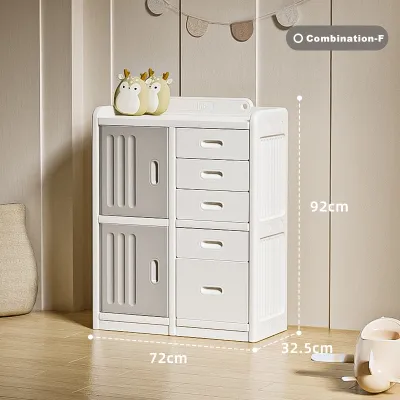
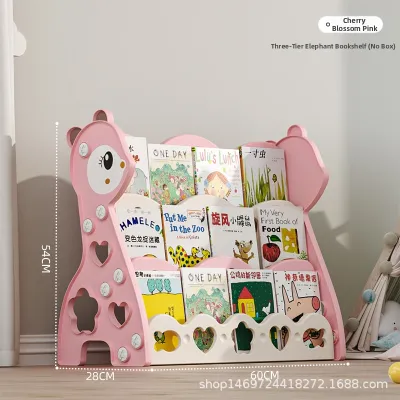
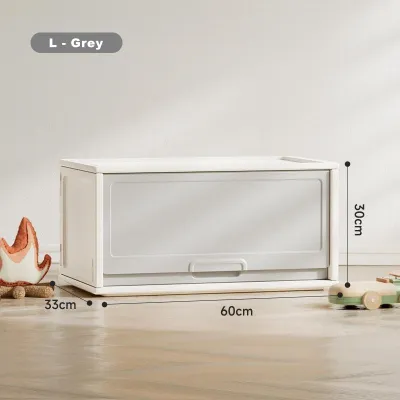
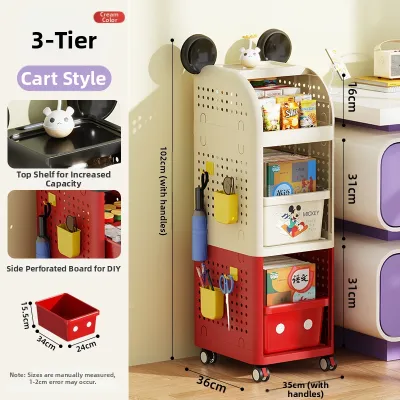
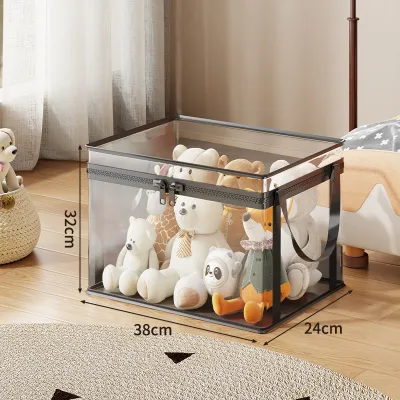
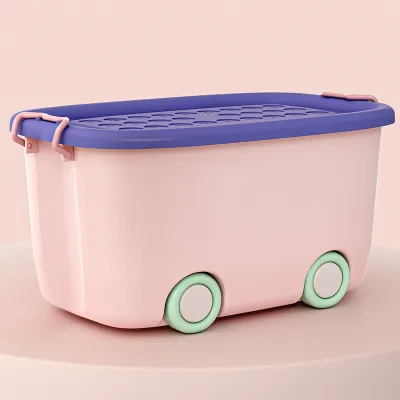
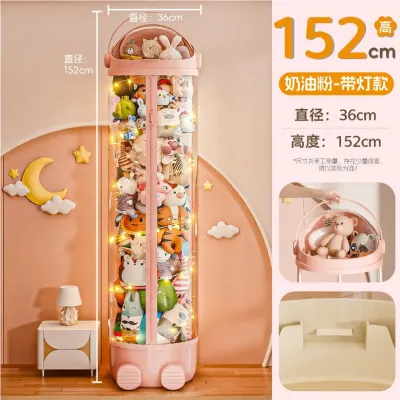
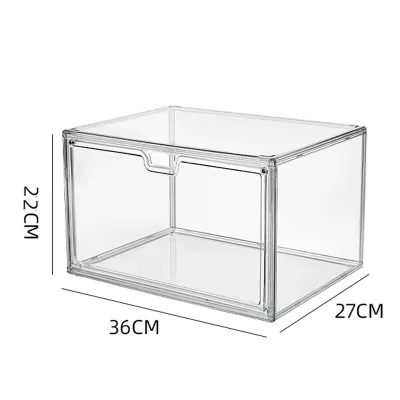
Prices are valid at publication and may change. Please refer to the product page for the latest price.
Clear walkways are crucial. You must maintain unobstructed pathways so you can navigate the room safely during night feeds or emergencies. Ensure that the bedroom door and closet doors can swing open completely without catching on any storage units. A misplaced storage bin that blocks a doorway by even a few centimeters can become a serious tripping hazard in the dark.
Look upward to evaluate your vertical wall space. In a small nursery, walls offer valuable storage potential, but you must map out existing fixtures first. Identify the locations of windows, air conditioning units, and power outlets. Do not block the airflow of your air conditioner or cover electrical sockets that you will need for baby monitors, nightlights, or humidifiers.
Finally, audit your child’s current and future toy collection. Categorize items by size, weight, and type, such as soft plush toys, wooden building blocks, board books, or small sensory items. This exercise helps you estimate the total volume of storage required and determines the depth of the bins you need. For instance, bulky soft toys require deep, flexible baskets, while small rattles and teething toys are better suited to shallow, easily accessible trays.
Comparing Kids Toy Organizer Styles for Compact Rooms
Selecting the right kids toy organizer style involves evaluating how each option utilizes your limited floor area while remaining safe and accessible. In a small room, a single large, bulky toy box often becomes a black hole where items are piled on top of each other, making it difficult for toddlers to find what they want without dumping everything onto the floor. Instead, modern storage solutions focus on separation, visibility, and adaptability. By comparing the strengths and limitations of different designs, you can select a setup that fits your nursery’s physical layout and supports your child’s developmental stage.

Fabric Bins and Soft Baskets
Lightweight fabric bins and soft woven baskets are excellent for compact nurseries because of their flexible, forgiving structure. Many fabric models are completely collapsible, allowing you to fold them flat and store them away when your child outgrows certain toys or when the bins are temporarily empty. They are ideal for holding lightweight, irregularly shaped items such as plush toys, soft cloth books, and plastic balls, as they have no sharp corners that could injure a crawling baby.
However, fabric bins lack structural rigidity on their own and can easily tip over if overloaded with heavy wooden blocks. To use them effectively in a small space, you typically need to pair them with a dedicated shelving unit, place them inside a closet, or slide them into a low under-bed storage frame. Always verify the manufacturer’s care instructions, as some fabric bins cannot be machine washed.
Open Shelves and Cubbies
Open shelves and shallow cubby units are highly effective for encouraging independent play and simplifying cleanup. Forward-facing bookshelves, which display the covers of books rather than their spines, make it easy for toddlers to identify their favorite stories. To optimize a small room’s footprint, choose tall, narrow shelving units that draw the eye upward rather than wide, low-profile consoles that consume valuable floor space.
Pairing open cubbies with removable, color-coded bins allows you to hide visual clutter while keeping toys organized by category. This setup lets you rotate toys easily: keep a few selected items on the open shelves for active play, and store the rest in bins out of direct sight to prevent sensory overload.
Wall-Mounted and Over-Door Solutions
When floor space is extremely limited, vertical wall-mounted rails, hanging fabric pockets, and over-door organizers offer zero-footprint storage. These systems are perfect for organizing lightweight items like art supplies, small figurines, and baby socks. They utilize the often-wasted space behind doors or high on walls, keeping floor areas clear for active play.
However, wall-mounted solutions come with strict weight limits that you must verify in the product documentation before installation. Never install heavy wooden shelves or hard plastic organizers on high walls, as overloaded units can detach and pose a serious falling hazard. Additionally, always check the material of your walls—such as concrete, brick, or drywall—to ensure you use the correct mounting hardware.
Multi-Functional Furniture with Hidden Storage
Dual-purpose furniture is a smart strategy for reducing the total number of individual pieces in a small nursery. Consider items like storage ottomans that double as seating, changing tables with deep built-in drawers, or wooden bench seats with lift-up lids. These integrated solutions keep toys hidden from view, maintaining a clean and calming environment conducive to sleep.
When selecting furniture with lift-up lids or deep drawers, carefully inspect the safety mechanisms. Look for soft-close hinges, safety lid stays that prevent the lid from slamming shut, and ventilation gaps to protect curious toddlers from pinched fingers or accidental entrapment. Always verify the weight limits and age recommendations provided by the manufacturer to ensure the piece is suitable for your child’s developmental stage.
Safety and Installation Rules for Small Spaces
Safety must be your top priority when setting up any kids toy organizer in a compact room. All freestanding furniture, including low cubbies and tall bookshelves, must be securely anchored to the wall using anti-tip kits. Even lightweight organizers can become unstable if a toddler attempts to climb them or pulls open multiple heavy drawers at once. Do not rely on the weight of the toys to keep the unit stable; always install the manufacturer-provided wall anchors or purchase high-quality aftermarket straps.
Before drilling or mounting any storage units, verify your wall type to select the appropriate anchors. In Singapore, HDB flat walls are commonly made of solid concrete or precast panels, which require a hammer drill and masonry wall plugs for secure installation. Non-structural partition walls or drywall require specialized toggle bolts or hollow-wall anchors. If you are unsure of your wall’s material or lack the proper tools, consult a qualified professional handyman to handle the installation safely.
An absolute safety rule for any nursery is to keep the area directly above the cot entirely clear. Never mount shelves, heavy frames, hanging organizers, or storage rails on the wall space directly over where your baby sleeps. Even securely installed fixtures can fail under unexpected stress, and items stored on high shelves can be accidentally knocked down. Keep this zone completely free of overhead hazards to ensure a safe sleeping environment.
In tight spaces where bumps and collisions are more likely, choose storage furniture with rounded corners rather than sharp, angular edges. If you already own square-edged furniture, apply soft corner guards to protect your child as they learn to stand and walk. Additionally, ensure all cabinet doors and drawers are equipped with soft-close dampers or safety latches to prevent finger-pinching incidents.
Finally, perform regular safety checks on all fabric bins, hanging organizers, and wall mounts. Over time, the seams of fabric pockets can fray, and screws in wall mounts can loosen due to daily pull-and-push forces. Inspect these items monthly for signs of tearing, sagging, or structural wear. If you notice any damage or instability, remove the organizer from your child’s reach immediately and repair or replace it according to the manufacturer’s instructions.
Common Sizing and Layout Mistakes to Avoid
One of the most common mistakes is purchasing storage units that are too deep for the room’s dimensions. While deep shelves might seem to offer more volume, they often project too far into the room, narrowing your walkways and making a small nursery feel cramped and dark. Deep bins also make it difficult for young children to find toys at the bottom, leading to frustration and messy cleanups. Stick to shallow shelves—typically between 25 to 30 centimeters deep—which provide ample storage for children’s items without dominating the room.
Another frequent error is failing to plan for your child’s developmental growth and the changing nature of their toys. A storage system designed solely for tiny baby rattles will quickly become obsolete when your toddler transitions to large building blocks, train tracks, and board games. To avoid replacing your furniture every year, invest in modular or adjustable systems. Look for shelving units with adjustable shelf heights or pegboard systems that allow you to reposition bins, hooks, and shelves as your storage needs evolve.
Placing frequently used toys on high shelves is another design mistake that creates safety risks and limits independence. If a child cannot easily reach their favorite toy, they may attempt to climb the shelving unit, risking a dangerous fall. High shelves should be reserved exclusively for items that require adult supervision, such as paint sets, small sensory toys, or backup diapering supplies. Keep daily-use toys at or below your child’s chest height to encourage them to choose and clean up their toys independently.
Lastly, avoid blocking natural light sources or air conditioning vents with tall storage units. In compact rooms, blocking a window can make the space feel gloomy and restrict essential ventilation. Position your tallest furniture pieces against solid, interior walls away from windows and cooling units to keep the room bright, airy, and comfortable.
Frequently Asked Questions (FAQ)
Managing storage in a compact nursery often raises practical questions about ergonomics, safety, and local housing layouts. Here are the answers to some common queries parents face when setting up toy organizers.
How high should toy shelves be for toddlers?
For toddlers to use shelves safely and independently, the top shelf should be positioned at or slightly below their eye level, which is generally between 60 to 90 centimeters from the floor depending on their age and height. Keeping active toys within this height range allows your child to see, select, and return their playthings without needing to climb or ask a caregiver for help. Higher shelves should be reserved strictly for adult-only storage. Ensure these taller units are securely anchored to the wall, and use them for storing items like extra bedding, out-of-season clothes, or toys that require direct caregiver supervision.
Are wall-mounted organizers safe in HDB bedrooms?
Yes, wall-mounted organizers are safe in HDB bedrooms, provided they are installed correctly using the appropriate hardware for the specific wall type. Most structural walls in HDB flats are solid concrete, which provides excellent holding power when paired with masonry wall plugs and screws. However, you must avoid mounting heavy shelves on lightweight drywall partition walls without locating the studs or using specialized hollow-wall anchors. Always check the manufacturer’s maximum weight capacity, strictly adhere to it, and use wall-mounted systems primarily for lightweight items such as soft toys, books, or empty plastic bins to minimize safety risks.

Community discussion
Share your experience or ask a question. Comments are reviewed before publication.